Texas Partition Agreement With Mexico In California
Description

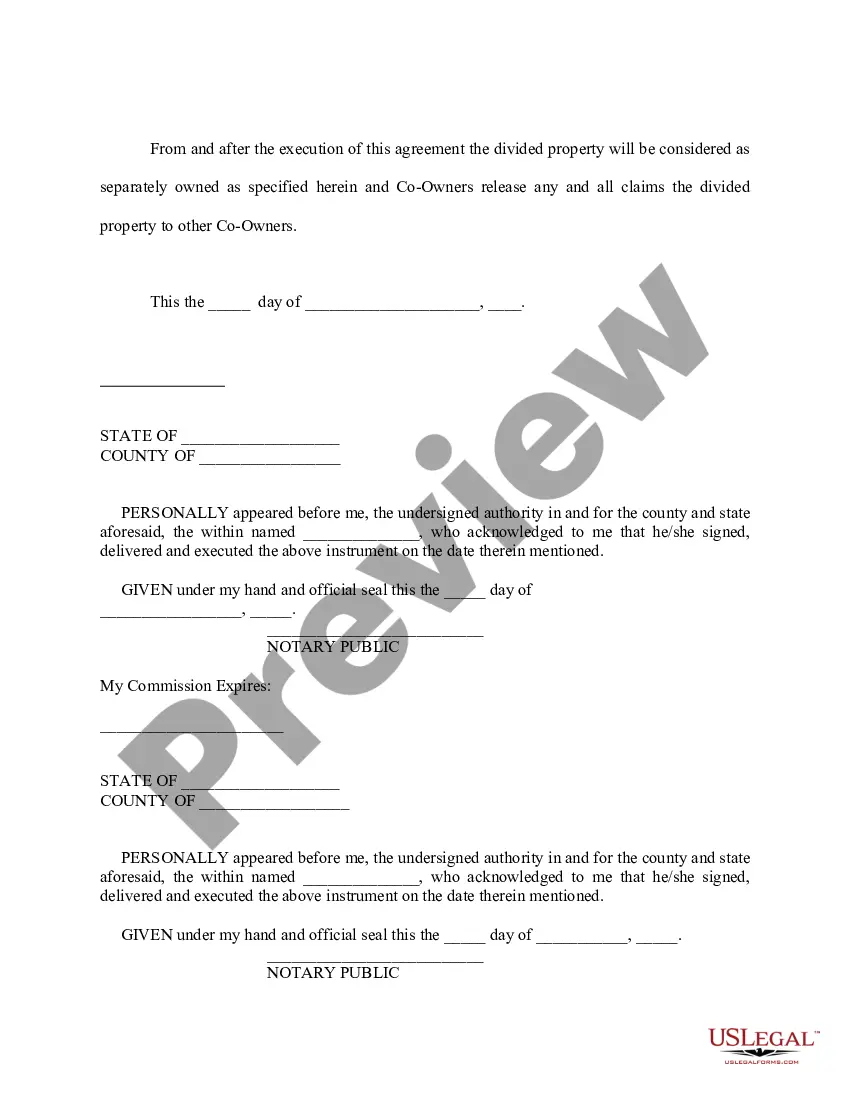
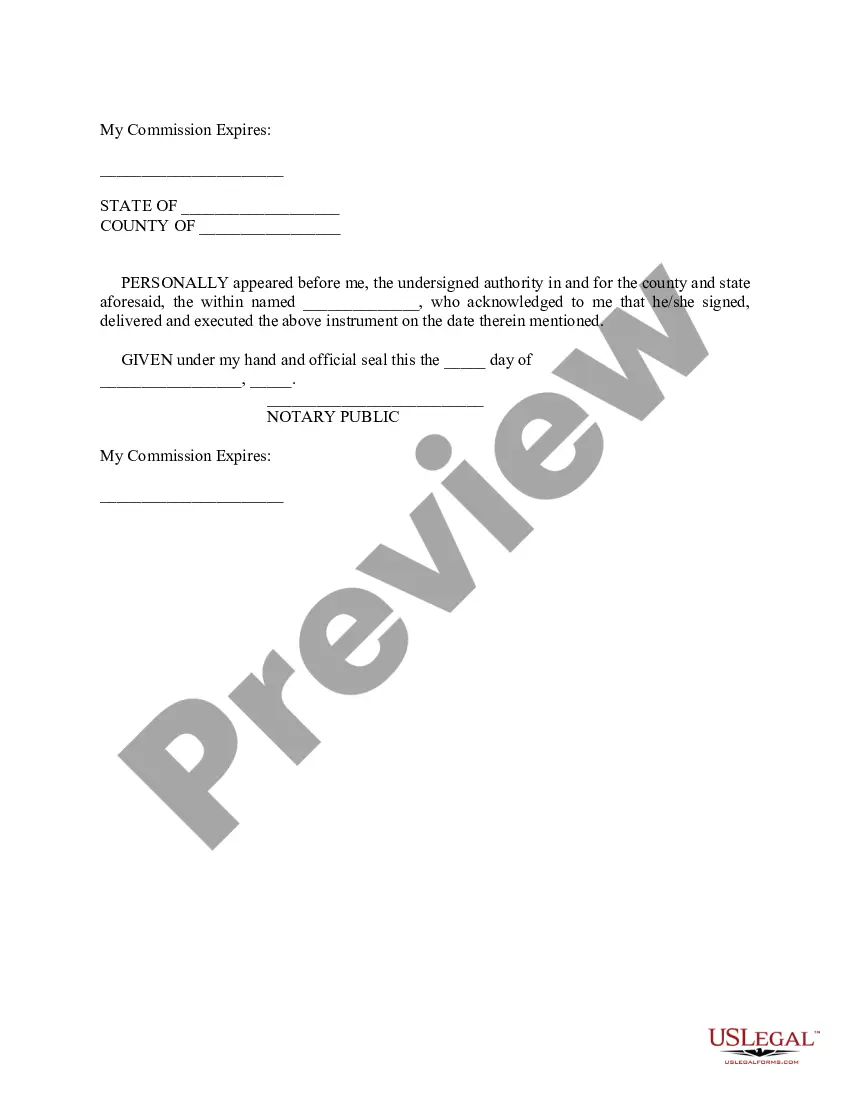
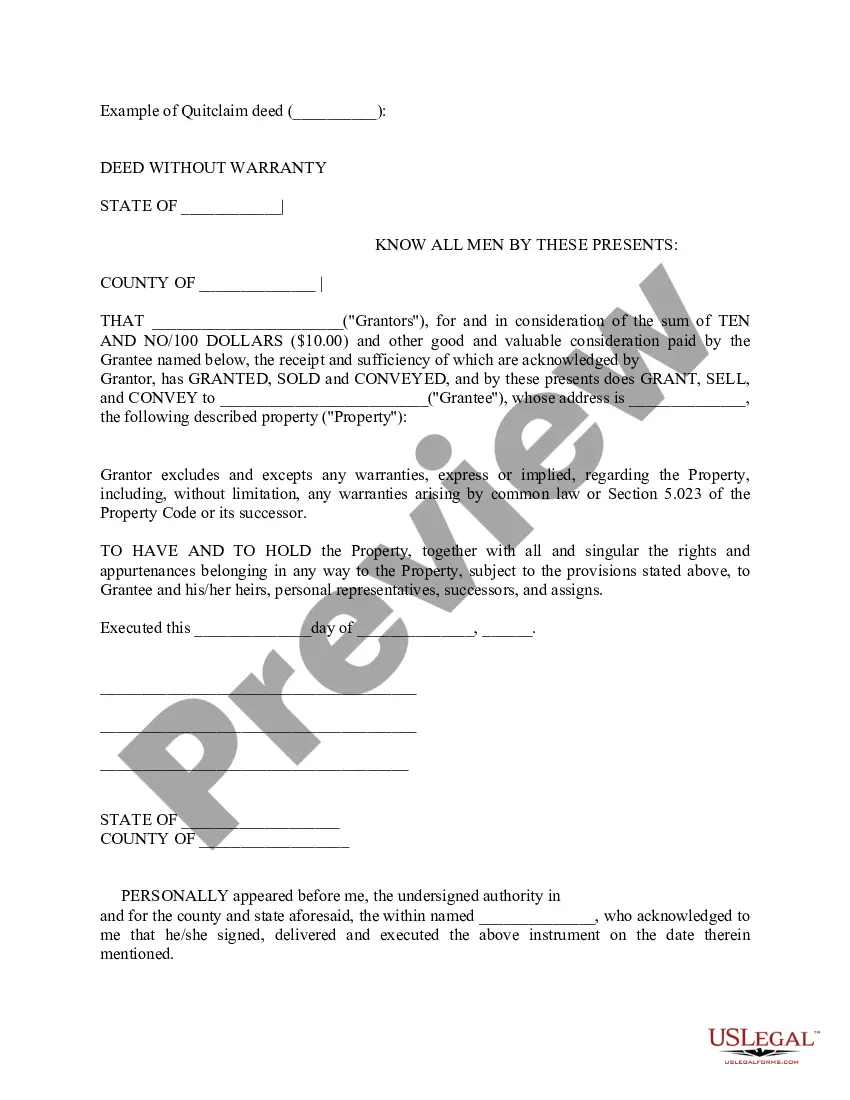
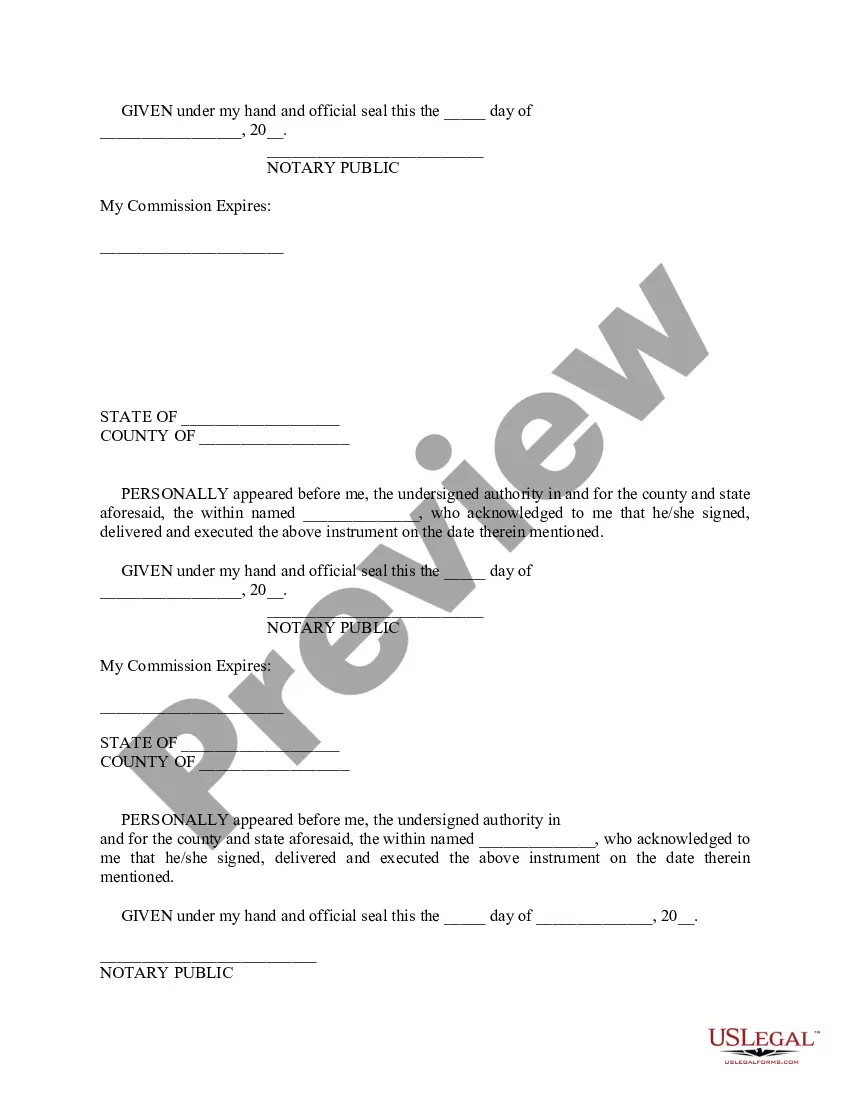

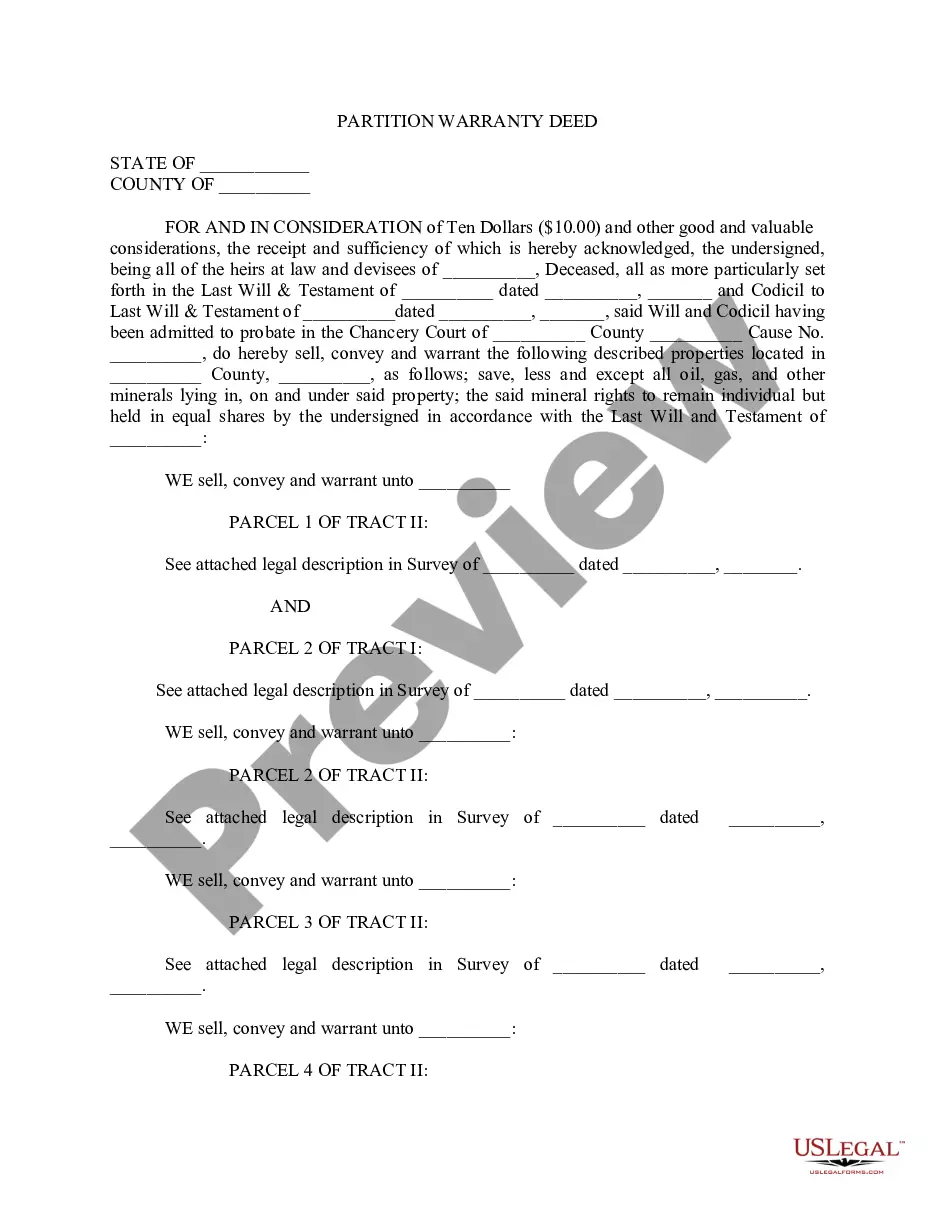
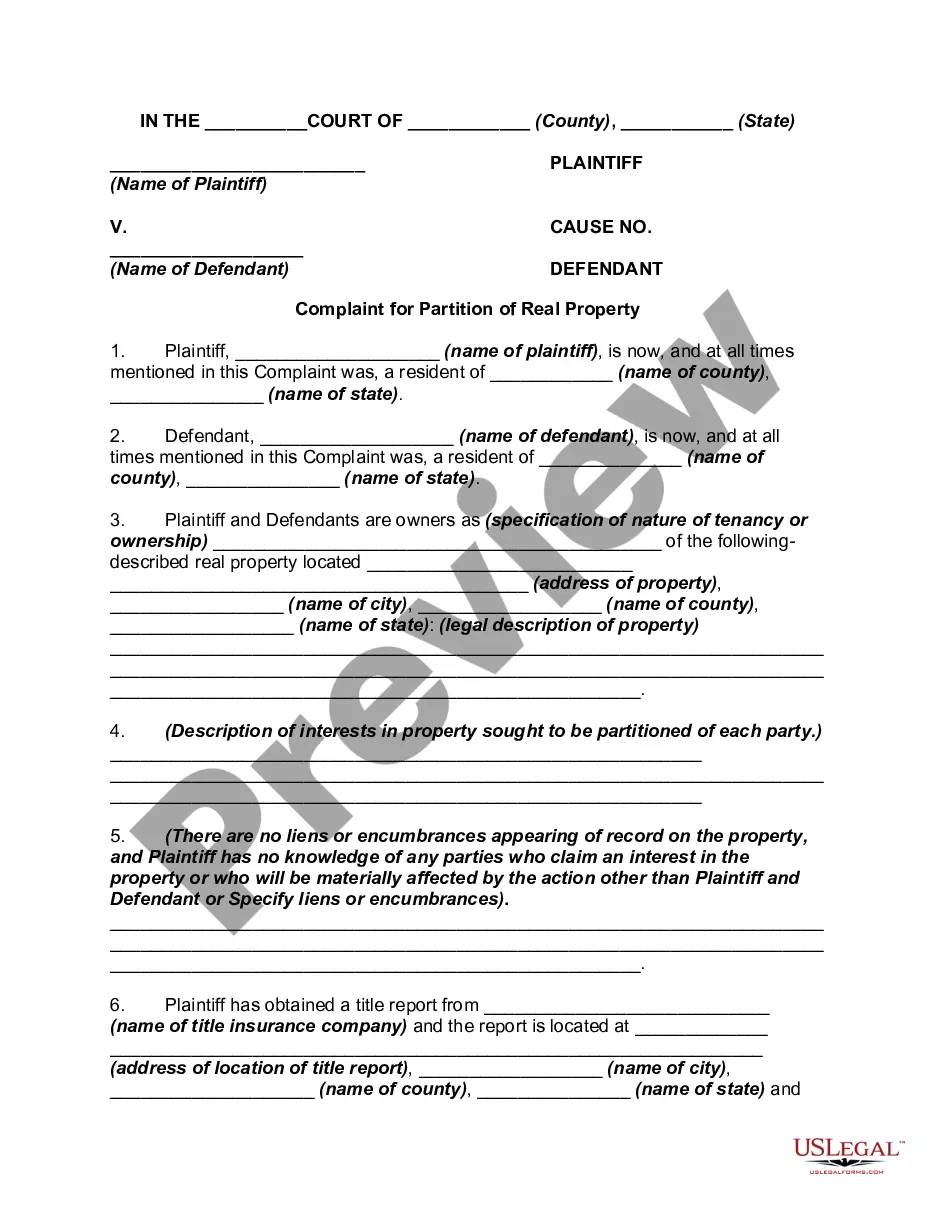
Get your form ready online
Our built-in tools help you complete, sign, share, and store your documents in one place.
Make edits, fill in missing information, and update formatting in US Legal Forms—just like you would in MS Word.
Download a copy, print it, send it by email, or mail it via USPS—whatever works best for your next step.
Sign and collect signatures with our SignNow integration. Send to multiple recipients, set reminders, and more. Go Premium to unlock E-Sign.
If this form requires notarization, complete it online through a secure video call—no need to meet a notary in person or wait for an appointment.
We protect your documents and personal data by following strict security and privacy standards.

Make edits, fill in missing information, and update formatting in US Legal Forms—just like you would in MS Word.

Download a copy, print it, send it by email, or mail it via USPS—whatever works best for your next step.

Sign and collect signatures with our SignNow integration. Send to multiple recipients, set reminders, and more. Go Premium to unlock E-Sign.

If this form requires notarization, complete it online through a secure video call—no need to meet a notary in person or wait for an appointment.

We protect your documents and personal data by following strict security and privacy standards.
Looking for another form?

Form popularity
FAQ
The concept of Manifest Destiny held that the United States had the providential right to expand to the Pacific Ocean. In 1845 the U.S. annexed the Republic of Texas, which had won de facto independence from Mexico in the Texas Revolution (1835–36).
The Treaty of Guadalupe Hidalgo, that brought an official end to the Mexican-American War (1846-1848), was signed on February 2, 1848, at Guadalupe Hidalgo, a city north of the capital where the Mexican government had fled with the advance of U.S. forces.
The Annexation of Texas, the Mexican-American War, and the Treaty of Guadalupe-Hidalgo, 1845–1848. During his tenure, U.S. President James K. Polk oversaw the greatest territorial expansion of the United States to date.
Treaty of Guadalupe Hidalgo (1848)
A partition action is filed in the Court by submitting a “complaint” that complies with all of the requirements of the Code of Civil Procedure. In California, almost all of the partition actions are filed by attorneys on behalf of parties because there are a number of technical legal requirements for filing a lawsuit.
The execution of the treaty was generally satisfactory to both sides, except for its requirement that the United States prevent Indian raids into Mexico, an almost impossible task on a long, unsettled frontier.
On September 17, 1963, the U.S. Congress introduced the American–Mexican Chamizal Convention Act of 1964, which finally settled the matter. In October 1967, President Johnson met with President Gustavo Díaz Ordaz on the border and formally proclaimed the settlement.
With the Treaty of Guadalupe Hidalgo, Mexico ceded over 525,000 square miles of territory to the United States in exchange for $15 million and the assumption of Mexican debts to American citizens, which reopened the slavery issue.
Final answer: Mexico's policy of encouraging American settlement in Texas was a mistake due to cultural differences, political tensions, and economic concerns that arose between the settlers and the Mexican government.
