Notary Application In Ma In Philadelphia
Description

Get your form ready online
Our built-in tools help you complete, sign, share, and store your documents in one place.
Make edits, fill in missing information, and update formatting in US Legal Forms—just like you would in MS Word.
Download a copy, print it, send it by email, or mail it via USPS—whatever works best for your next step.
Sign and collect signatures with our SignNow integration. Send to multiple recipients, set reminders, and more. Go Premium to unlock E-Sign.
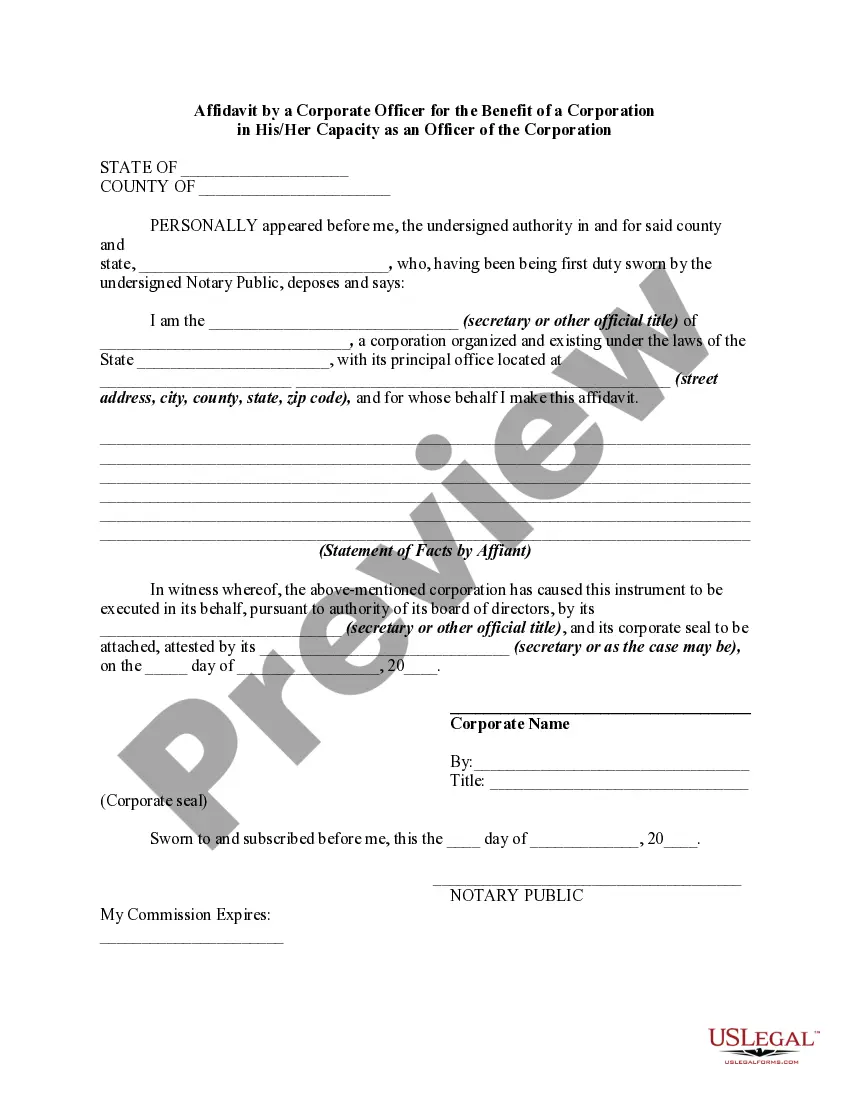
If this form requires notarization, complete it online through a secure video call—no need to meet a notary in person or wait for an appointment.
We protect your documents and personal data by following strict security and privacy standards.

Make edits, fill in missing information, and update formatting in US Legal Forms—just like you would in MS Word.

Download a copy, print it, send it by email, or mail it via USPS—whatever works best for your next step.

Sign and collect signatures with our SignNow integration. Send to multiple recipients, set reminders, and more. Go Premium to unlock E-Sign.

If this form requires notarization, complete it online through a secure video call—no need to meet a notary in person or wait for an appointment.

We protect your documents and personal data by following strict security and privacy standards.
Looking for another form?

Form popularity
FAQ
Both electronic and remote notarization are permitted in Pennsylvania. The electronic notarization program was established on January 30, 2006. Remote notarization came in phases, beginning temporarily for limited transactions on March 25, 2020 and culminating with Act 97 of 2020, effective October 29, 2020.
One of the most common mistakes that notaries make is not printing or signing their name exactly as it appears on their notary commission.
Getting a document notarized is easy. Upload or scan your document. Create a Proof account. Verify your connection. Verify your identity. Connect with a notary on a video call. Access your completed document. Download or send document to another person.
Eligibility Be at least 18 years old. Be a U.S. citizen or permanent legal U.S. resident. Be a resident or have a place of employment or practice in Pennsylvania. Be able to read and write in English. Complete at least 3 hours of mandatory notary education with an approved provider within 6 months of applying or reapplying.
The law's most significant changes allow remote notarization by a notary public in Massachusetts, where the signatory is not in Massachusetts including foreign countries. Additionally, an electronic image may now serve as a notarial seal.
As long as a few basic requirements are met, the answer is absolutely yes. When it comes to notarization a document's origins are less important than ensuring the actual notarization process is carried out within the full guidelines of local state law.
You are allowed to notarize documents that are sent and /or recorded across state borders — provided, of course, that you are notarizing the document within the boundaries of your jurisdiction.
For example, some states (e.g., California) limit notaries to perform only within their home state borders, while others (e.g., Montana) may allow broader authority under certain conditions.
Acknowledgement and jurat certificates are the two most common notarial acts, yet, for many signers, there is confusion about the difference between these forms. Some notaries even find it difficult to remember which procedures apply to which certificate.
