Notary Public Certification In Maryland
Description

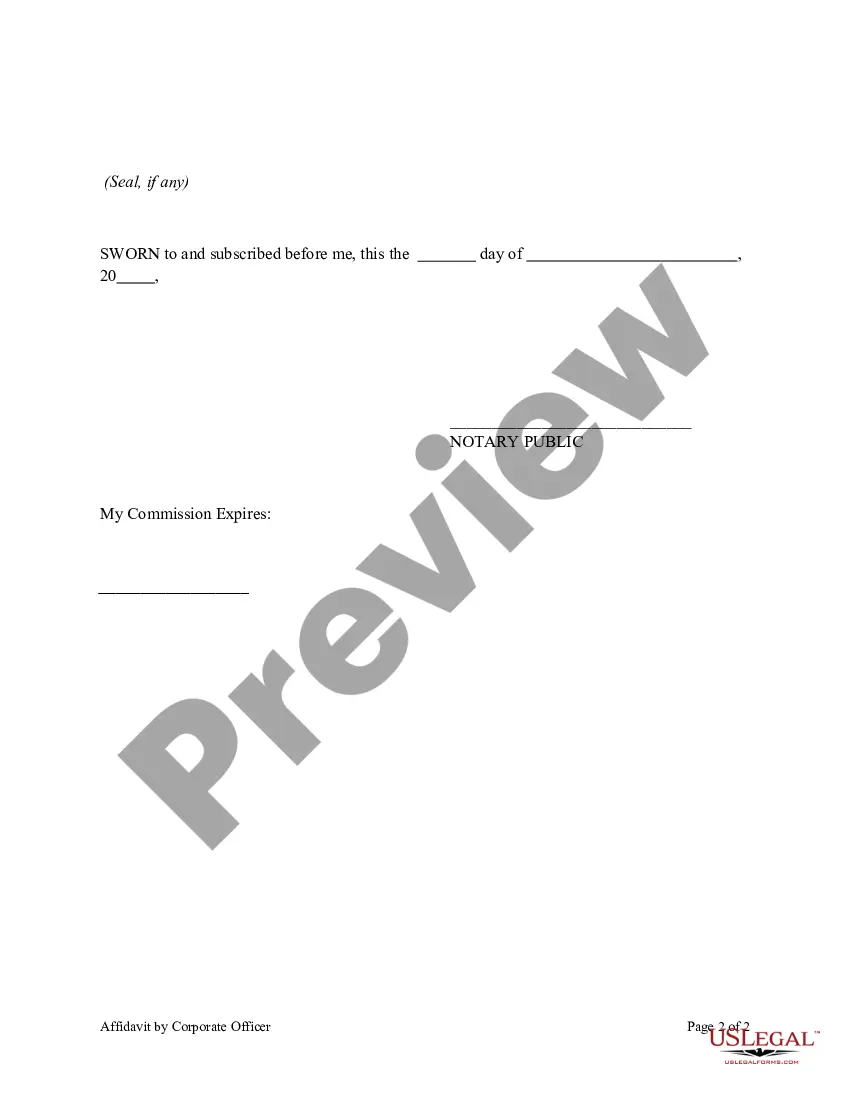
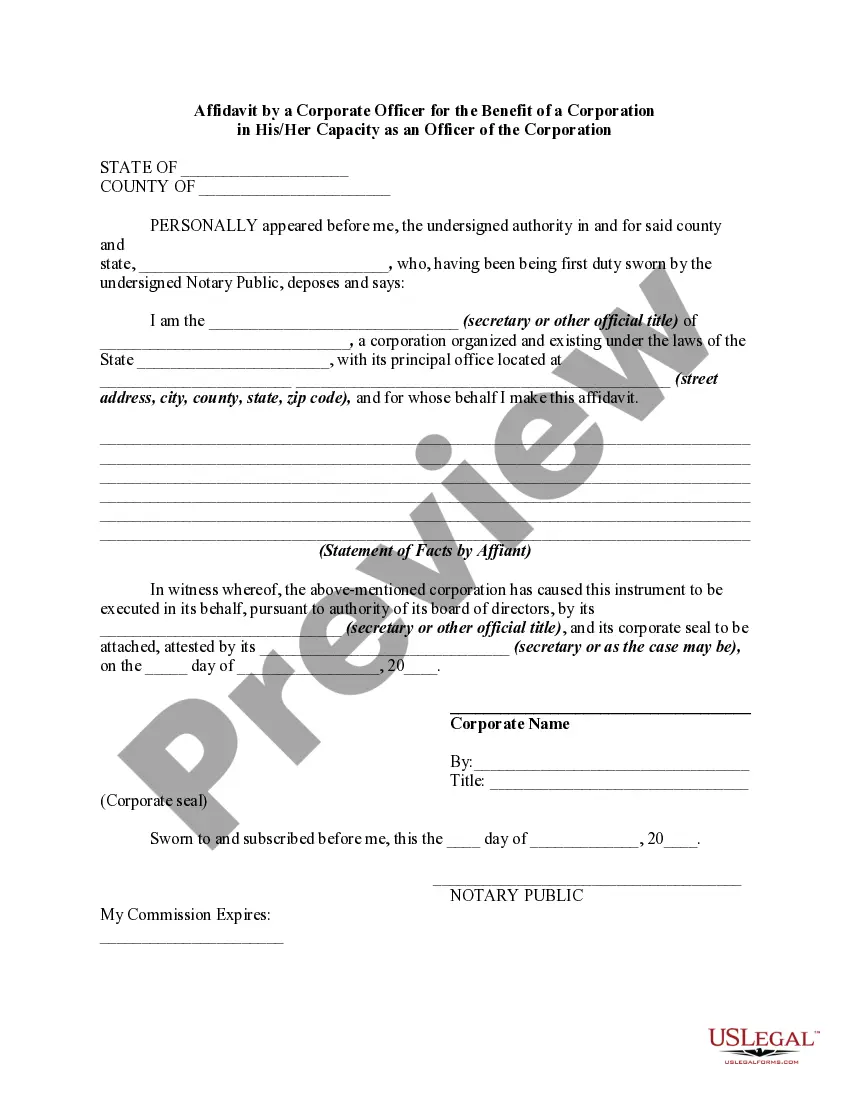
Get your form ready online
Our built-in tools help you complete, sign, share, and store your documents in one place.
Make edits, fill in missing information, and update formatting in US Legal Forms—just like you would in MS Word.
Download a copy, print it, send it by email, or mail it via USPS—whatever works best for your next step.
Sign and collect signatures with our SignNow integration. Send to multiple recipients, set reminders, and more. Go Premium to unlock E-Sign.
If this form requires notarization, complete it online through a secure video call—no need to meet a notary in person or wait for an appointment.
We protect your documents and personal data by following strict security and privacy standards.

Make edits, fill in missing information, and update formatting in US Legal Forms—just like you would in MS Word.

Download a copy, print it, send it by email, or mail it via USPS—whatever works best for your next step.

Sign and collect signatures with our SignNow integration. Send to multiple recipients, set reminders, and more. Go Premium to unlock E-Sign.

If this form requires notarization, complete it online through a secure video call—no need to meet a notary in person or wait for an appointment.

We protect your documents and personal data by following strict security and privacy standards.
Looking for another form?
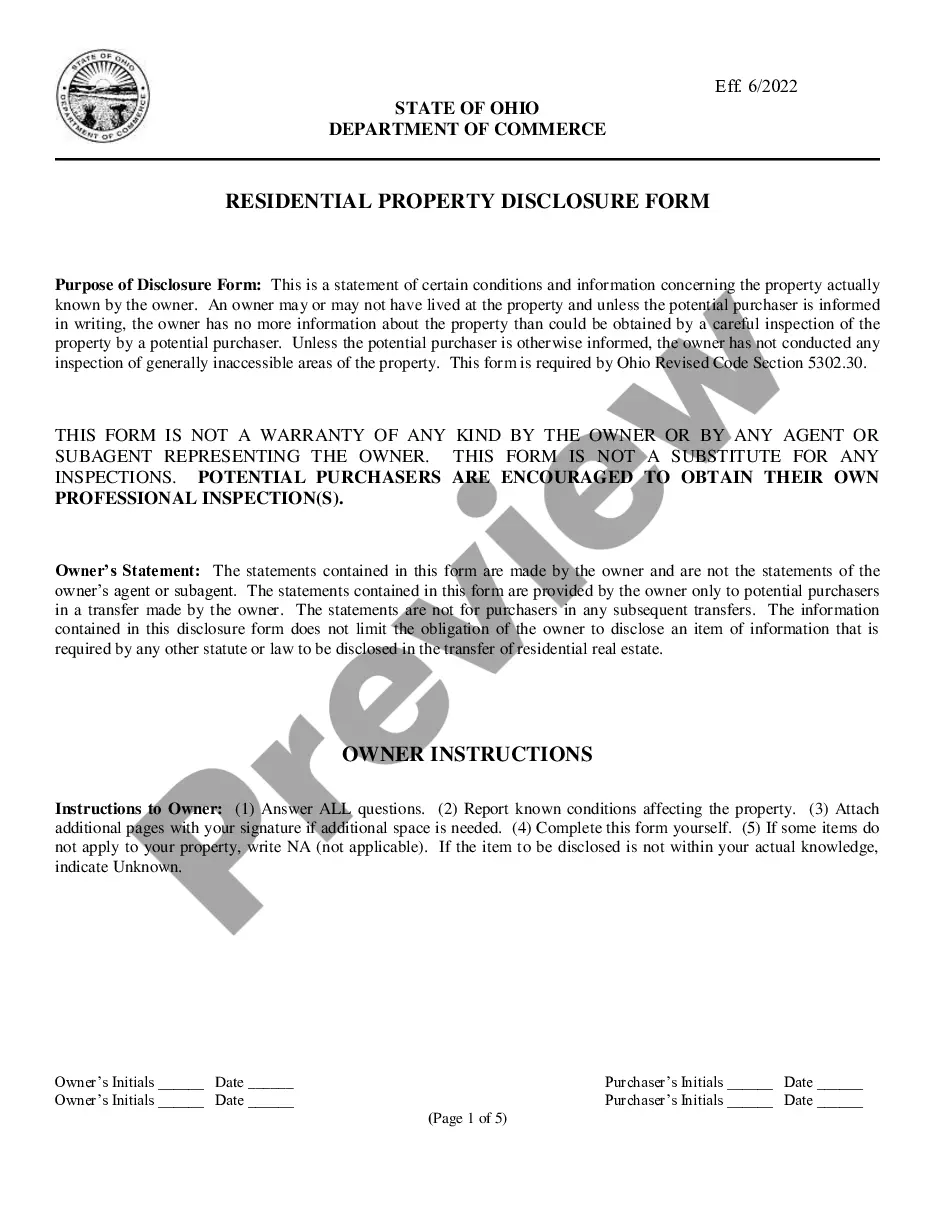
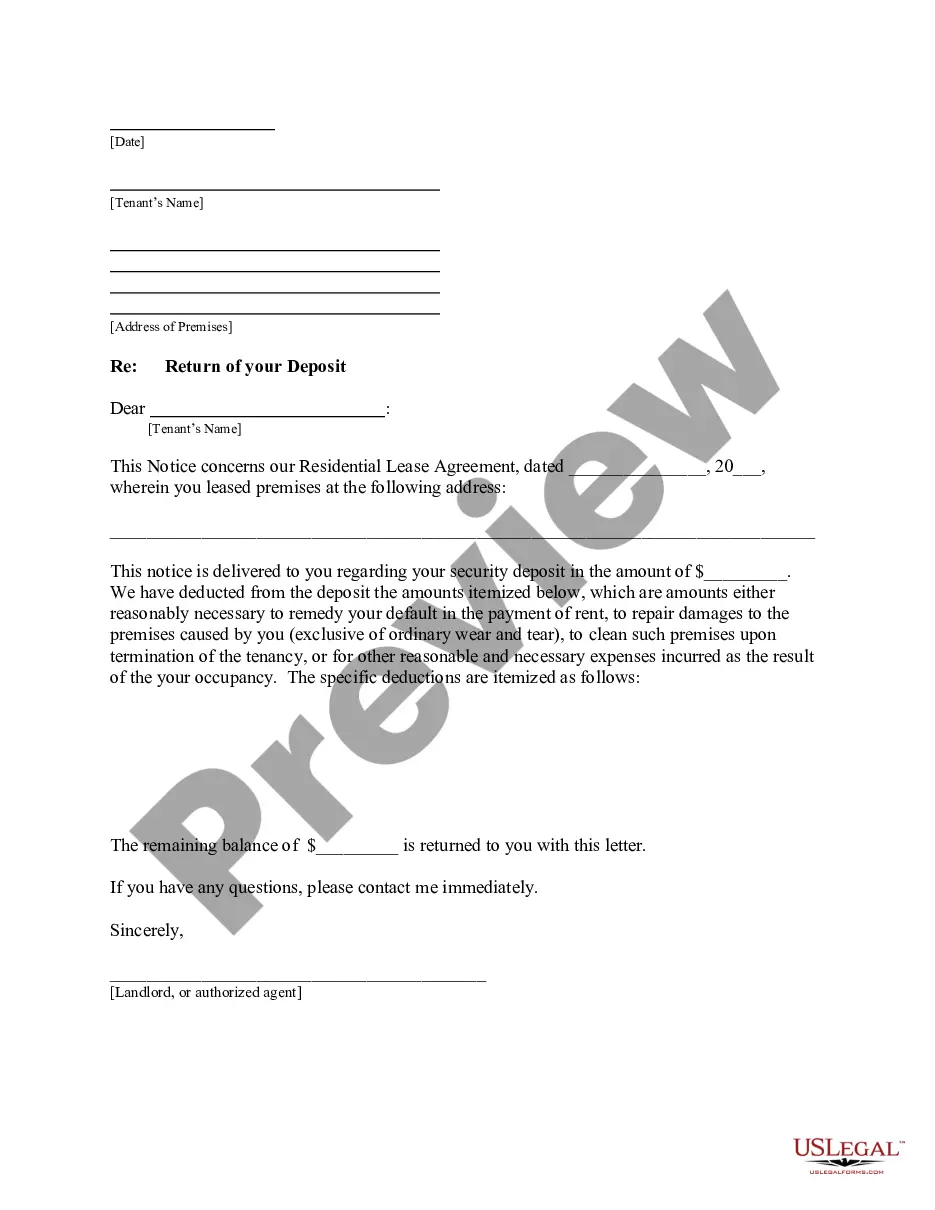

How to fill out Affidavit By Corporate Officer Before A Notary Public?
Whether for corporate objectives or personal concerns, everyone must handle legal matters at some point in their lifetime.
Completing legal forms demands meticulous focus, starting with selecting the appropriate form template.
With an extensive US Legal Forms catalog available, you never have to waste time searching for the suitable template online. Utilize the library’s straightforward navigation to find the right form for any scenario.
- Acquire the template you require by using the search option or navigation through the catalog.
- Review the form’s details to ensure it corresponds to your circumstances, state, and county.
- Click on the form’s preview to check it out.
- If it is not the correct document, return to the search tool to locate the Notary Public Certification In Maryland sample you seek.
- Download the template once it fulfills your needs.
- If you already possess a US Legal Forms account, simply click Log in to access documents you've saved in My documents.
- If you have not created an account yet, you can obtain the form by clicking Buy now.
- Select the appropriate pricing option.
- Complete the account registration form.
- Choose your payment method: you can utilize a credit card or a PayPal account.
- Select the desired document format and download the Notary Public Certification In Maryland.
- After saving it, you can fill out the form using editing software or print it out and complete it by hand.
Form popularity
FAQ
The most common error among notaries is neglecting to complete the notary journal entry correctly. Incomplete or inaccurate entries can create problems in establishing the notarization's validity. To avoid this, always double-check your entries and ensure they meet the standards set by notary public certification in Maryland.
One frequent mistake made by notaries is failing to properly verify the identity of the signer. This oversight can lead to legal complications if the notarized document is challenged. Ensuring that you follow the prescribed steps for identification will help maintain the integrity of your notary public certification in Maryland.
When notarizing a document, you should clearly state your role as the notary and confirm the signer's willingness to sign. Often, you will ask the signer to affirm that they are signing voluntarily and understand the document’s content. This confirmation ensures that the notarization process meets the standards of notary public certification in Maryland and upholds the document's integrity.
When filling out a notary journal entry, start by recording the date, type of document, and the names and addresses of the signers. Include the method of identification used to verify their identity, and any relevant details that pertain to the notarization. This process is crucial for maintaining accurate records and meeting the requirements for notary public certification in Maryland.
A notarized document can become invalid for several reasons, such as the notary not signing or dating the document, or if the signer was not present during the notarization. Additionally, if there are discrepancies in the signatures or if the notary failed to verify the identity of the signer, the document may not hold up legally. To ensure validity, consider consulting a professional who specializes in notary public certification in Maryland.
Once a document has been notarized, it is generally considered final. Editing a notarized document may render it invalid, as the notary's role is to verify the authenticity of the signatures at that specific time. If you need to make changes, it is advisable to create a new document and have that notarized. Always ensure that any changes comply with the regulations surrounding notary public certification in Maryland.
Currently, the Maryland notary exam is not offered online. You are required to take the exam in person, ensuring you have a thorough understanding of the responsibilities and laws governing notaries. This in-person requirement helps reinforce the importance of proper notarial practices. If you need assistance with preparing for the exam, US Legal Forms provides helpful materials to support you in obtaining your notary public certification in Maryland.
Becoming a notary public in Maryland typically takes a few weeks. The process involves completing an application, getting a background check, and attending a course. Once you submit your application and it gets approved, you can start performing notarial acts. For guidance through this process, consider exploring the resources available on the US Legal Forms platform, which can help you efficiently obtain your notary public certification in Maryland.
Becoming a notary signing agent can be a rewarding career choice for many individuals. With notary public certification in Maryland, you unlock opportunities to assist with important documents and transactions. This role not only provides supplementary income but also allows you to meet new people and expand your professional network. USLegalForms offers excellent resources to help you navigate the process and establish yourself as a reliable notary signing agent.
The Maryland notary course typically requires about three to six hours to complete. This time frame allows you to master all essential topics needed for notary public certification in Maryland. As you progress, you will gain valuable knowledge on notarial duties, legal obligations, and common practices. Completing the course efficiently prepares you for the exam and the responsibilities that come with being a notary.