Notary Application Alabama For Arizona In Maricopa
Description

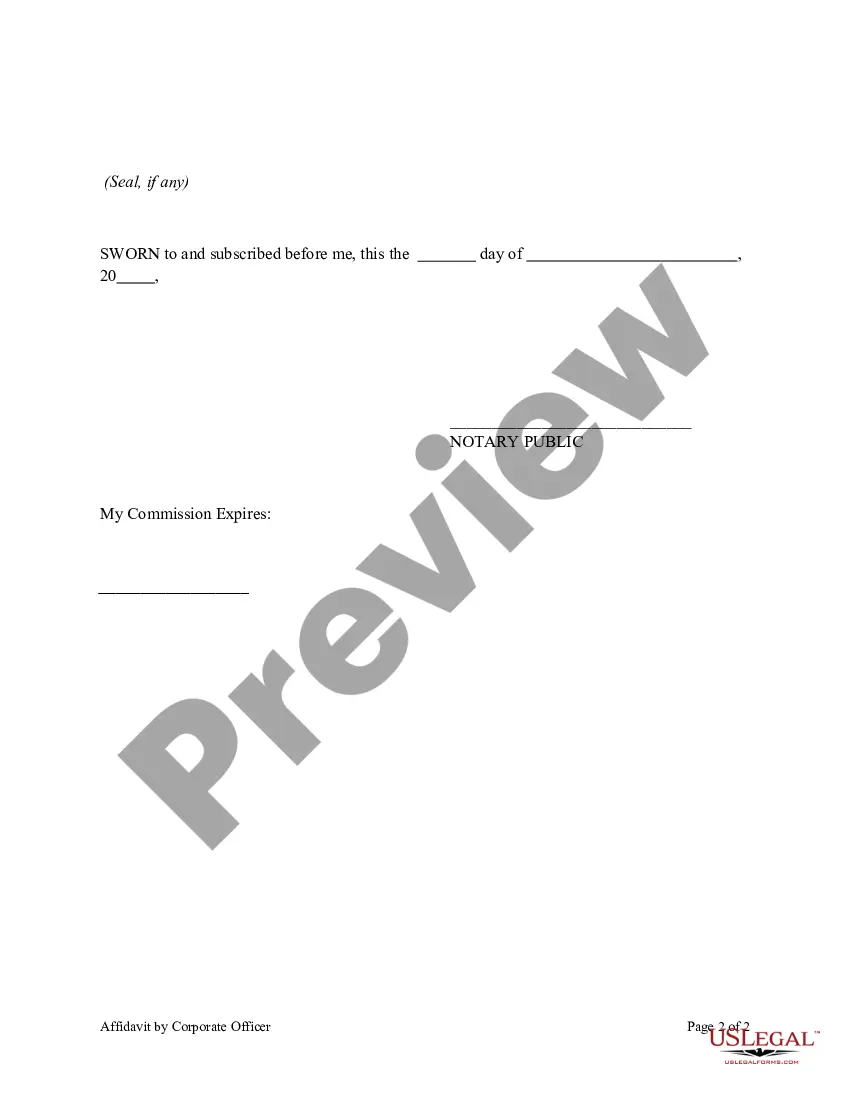
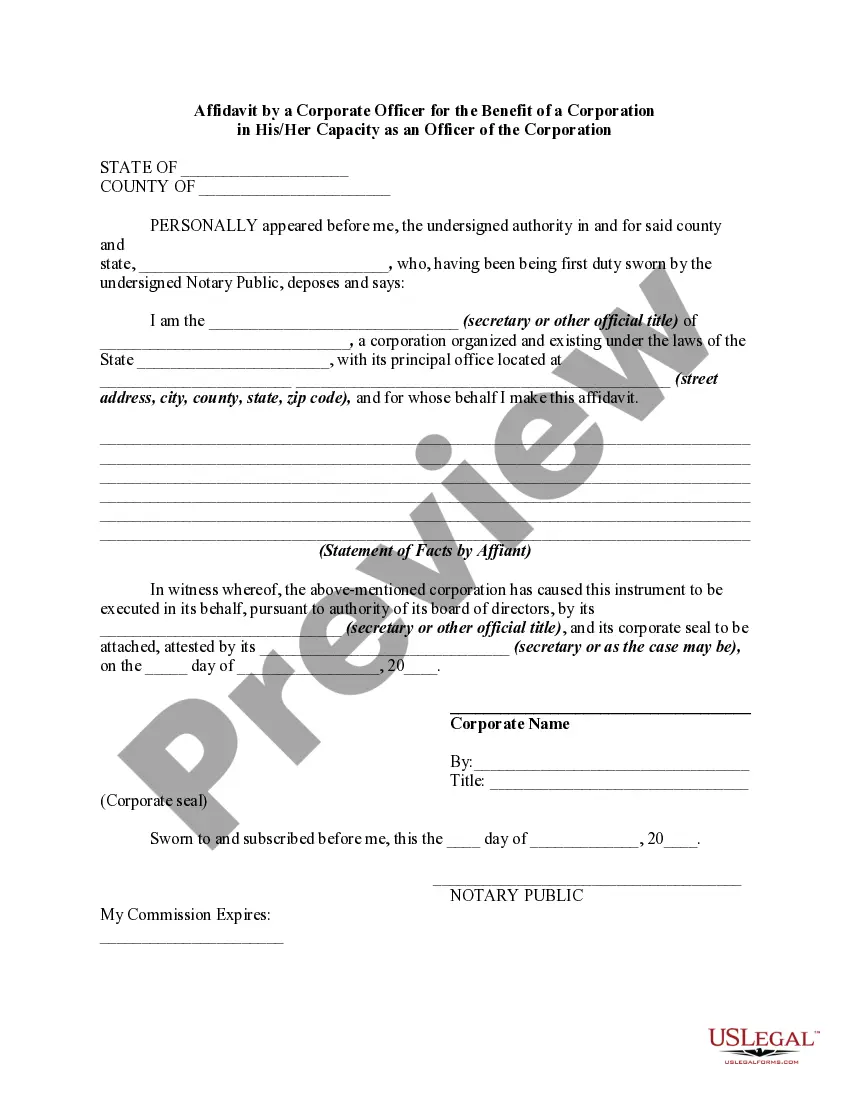
Get your form ready online
Our built-in tools help you complete, sign, share, and store your documents in one place.
Make edits, fill in missing information, and update formatting in US Legal Forms—just like you would in MS Word.
Download a copy, print it, send it by email, or mail it via USPS—whatever works best for your next step.
Sign and collect signatures with our SignNow integration. Send to multiple recipients, set reminders, and more. Go Premium to unlock E-Sign.
If this form requires notarization, complete it online through a secure video call—no need to meet a notary in person or wait for an appointment.
We protect your documents and personal data by following strict security and privacy standards.

Make edits, fill in missing information, and update formatting in US Legal Forms—just like you would in MS Word.

Download a copy, print it, send it by email, or mail it via USPS—whatever works best for your next step.

Sign and collect signatures with our SignNow integration. Send to multiple recipients, set reminders, and more. Go Premium to unlock E-Sign.

If this form requires notarization, complete it online through a secure video call—no need to meet a notary in person or wait for an appointment.

We protect your documents and personal data by following strict security and privacy standards.
Looking for another form?

Form popularity
FAQ
Yes, a notary can legally notarize out-of-state documents as long as they are acting within the boundaries of their jurisdiction and in ance with all local state requirements.
You are allowed to notarize documents that are sent and /or recorded across state borders — provided, of course, that you are notarizing the document within the boundaries of your jurisdiction.
Arizona law prohibits a notary from notarizing for themselves or spouses. Just because the law allows you to notarize for other family members, it is not recommended. You would compromise your role as an impartial witness and may jeopardize the validity of an important transaction.
In Arizona, notaries can perform only acknowledgments, jurats, copy certifications, and oaths and affirmations. Samples of each can be found in our Notary Public Reference Manual (PDF).
The short answer is yes, notary publics are legally allowed to notarize documents from any state as long the notarial act is conducted within the geographical boundaries of the notary's state of commission.
Becoming an Arizona Notary Be at least eighteen years of age. Be a citizen or permanent legal resident of the United States. Be a resident of this state for income tax purposes. Be able to read, write and understand English. Not be disqualified to receive a commission under section 41-217.
One of the most common mistakes that notaries make is not printing or signing their name exactly as it appears on their notary commission.
To become an Arizona Notary Public, you must meet the following requirements: You must be an Arizona resident; You must be at least 18 years old; You must not have been convicted of a felony unless your civil rights have been restored.
Here are the top twelve most common errors made by notaries: Making an Illegible Notary Stamp Impression. Improper Storage of Your Notary Stamp and Journal. Not Determining the Signer's Competency and Willingness to Sign. Notarizing for Close Relatives. Failing to Remain Properly Trained.
