Notary Application For Maryland In Arizona
Description

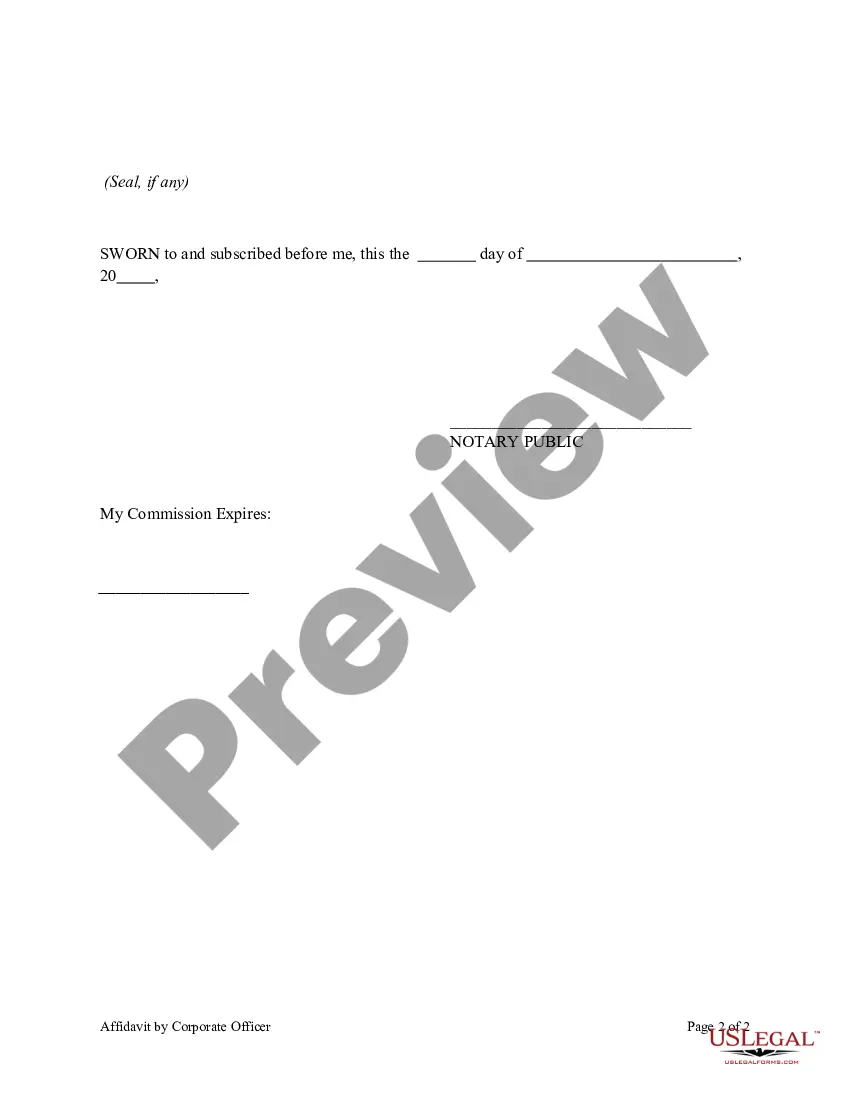
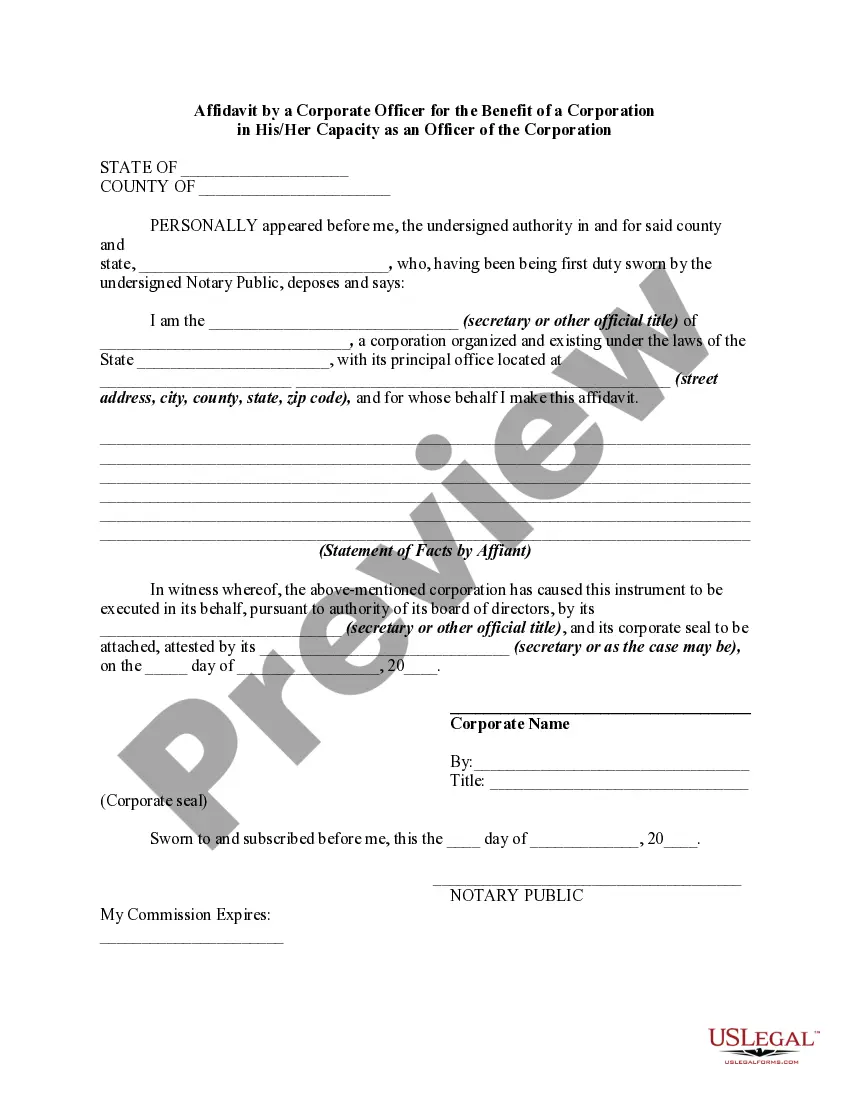
Get your form ready online
Our built-in tools help you complete, sign, share, and store your documents in one place.
Make edits, fill in missing information, and update formatting in US Legal Forms—just like you would in MS Word.
Download a copy, print it, send it by email, or mail it via USPS—whatever works best for your next step.
Sign and collect signatures with our SignNow integration. Send to multiple recipients, set reminders, and more. Go Premium to unlock E-Sign.
If this form requires notarization, complete it online through a secure video call—no need to meet a notary in person or wait for an appointment.
We protect your documents and personal data by following strict security and privacy standards.

Make edits, fill in missing information, and update formatting in US Legal Forms—just like you would in MS Word.

Download a copy, print it, send it by email, or mail it via USPS—whatever works best for your next step.

Sign and collect signatures with our SignNow integration. Send to multiple recipients, set reminders, and more. Go Premium to unlock E-Sign.

If this form requires notarization, complete it online through a secure video call—no need to meet a notary in person or wait for an appointment.

We protect your documents and personal data by following strict security and privacy standards.
Looking for another form?
Form popularity
FAQ
One of the most common mistakes that notaries make is not printing or signing their name exactly as it appears on their notary commission.
Applications for Notary Public Commission can be obtained from the Secretary of State's website. Once your application has been submitted and approved, you will be notified by the Secretary of State's office to appear before the Clerk of the Circuit Court to take the oath of office and receive your Notary Commission.
Here are the top twelve most common errors made by notaries: Making an Illegible Notary Stamp Impression. Improper Storage of Your Notary Stamp and Journal. Not Determining the Signer's Competency and Willingness to Sign. Notarizing for Close Relatives. Failing to Remain Properly Trained.
The short answer is yes, notary publics are legally allowed to notarize documents from any state as long the notarial act is conducted within the geographical boundaries of the notary's state of commission.
Acknowledgement and jurat certificates are the two most common notarial acts, yet, for many signers, there is confusion about the difference between these forms. Some notaries even find it difficult to remember which procedures apply to which certificate.
Maryland remote Notaries are authorized to perform the following notarial acts online: Taking an acknowledgment. Administering an oath or affirmation. Taking a verification on oath or affirmation.
WDC Apostille & Legalization Services can speedily notarize your original Canadian documents at the Embassy of Canada in Washington, DC (making certified true copies). Originals will be returned back to you after showing to Canadian Consul. Please check out Our Service Fees.
Becoming an Arizona Notary Be at least eighteen years of age. Be a citizen or permanent legal resident of the United States. Be a resident of this state for income tax purposes. Be able to read, write and understand English. Not be disqualified to receive a commission under section 41-217.
The important thing is that you are located in Maryland since that is where you are authorized to act as a Notary Public. If you are commissioned as a Notary Public in a state other than Maryland, you cannot use your Maryland notary seal when notarizing in that other state.
