Sublease Apartment Rental Without Lease In Fulton
Description

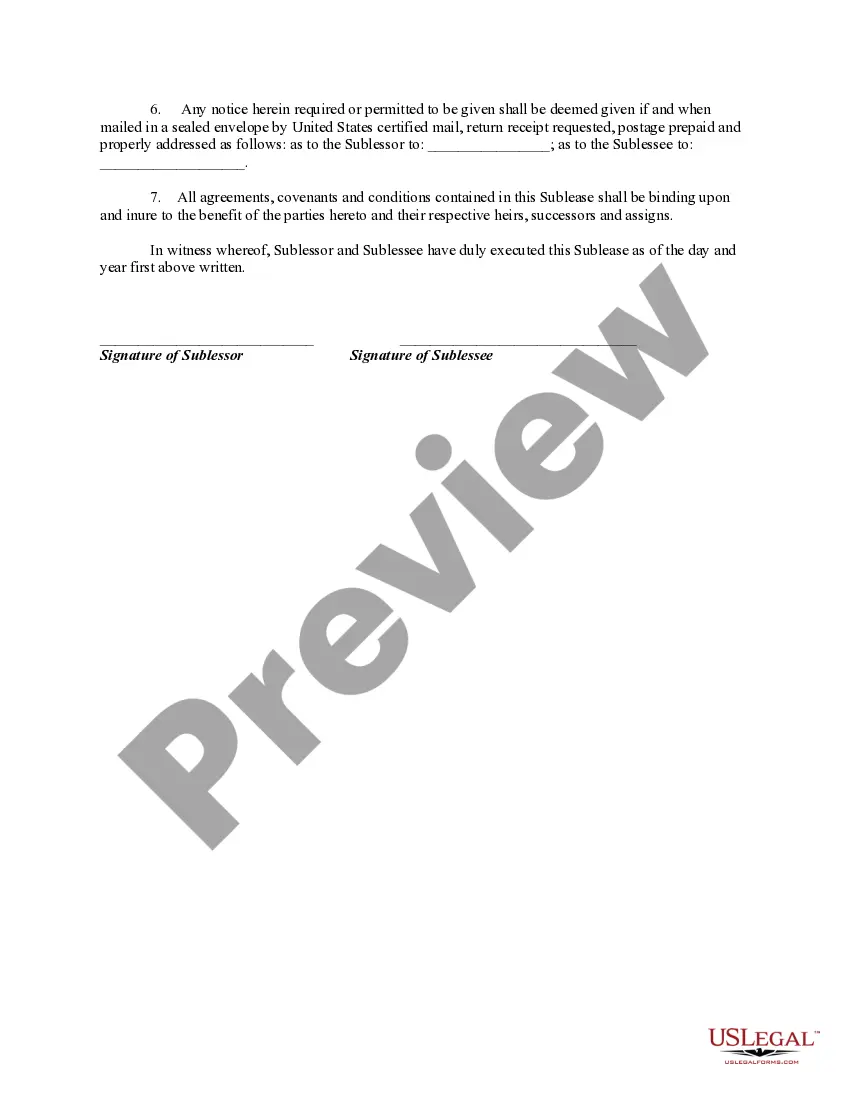

Get your form ready online
Our built-in tools help you complete, sign, share, and store your documents in one place.
Make edits, fill in missing information, and update formatting in US Legal Forms—just like you would in MS Word.
Download a copy, print it, send it by email, or mail it via USPS—whatever works best for your next step.
Sign and collect signatures with our SignNow integration. Send to multiple recipients, set reminders, and more. Go Premium to unlock E-Sign.
If this form requires notarization, complete it online through a secure video call—no need to meet a notary in person or wait for an appointment.
We protect your documents and personal data by following strict security and privacy standards.

Make edits, fill in missing information, and update formatting in US Legal Forms—just like you would in MS Word.

Download a copy, print it, send it by email, or mail it via USPS—whatever works best for your next step.

Sign and collect signatures with our SignNow integration. Send to multiple recipients, set reminders, and more. Go Premium to unlock E-Sign.

If this form requires notarization, complete it online through a secure video call—no need to meet a notary in person or wait for an appointment.

We protect your documents and personal data by following strict security and privacy standards.
Looking for another form?
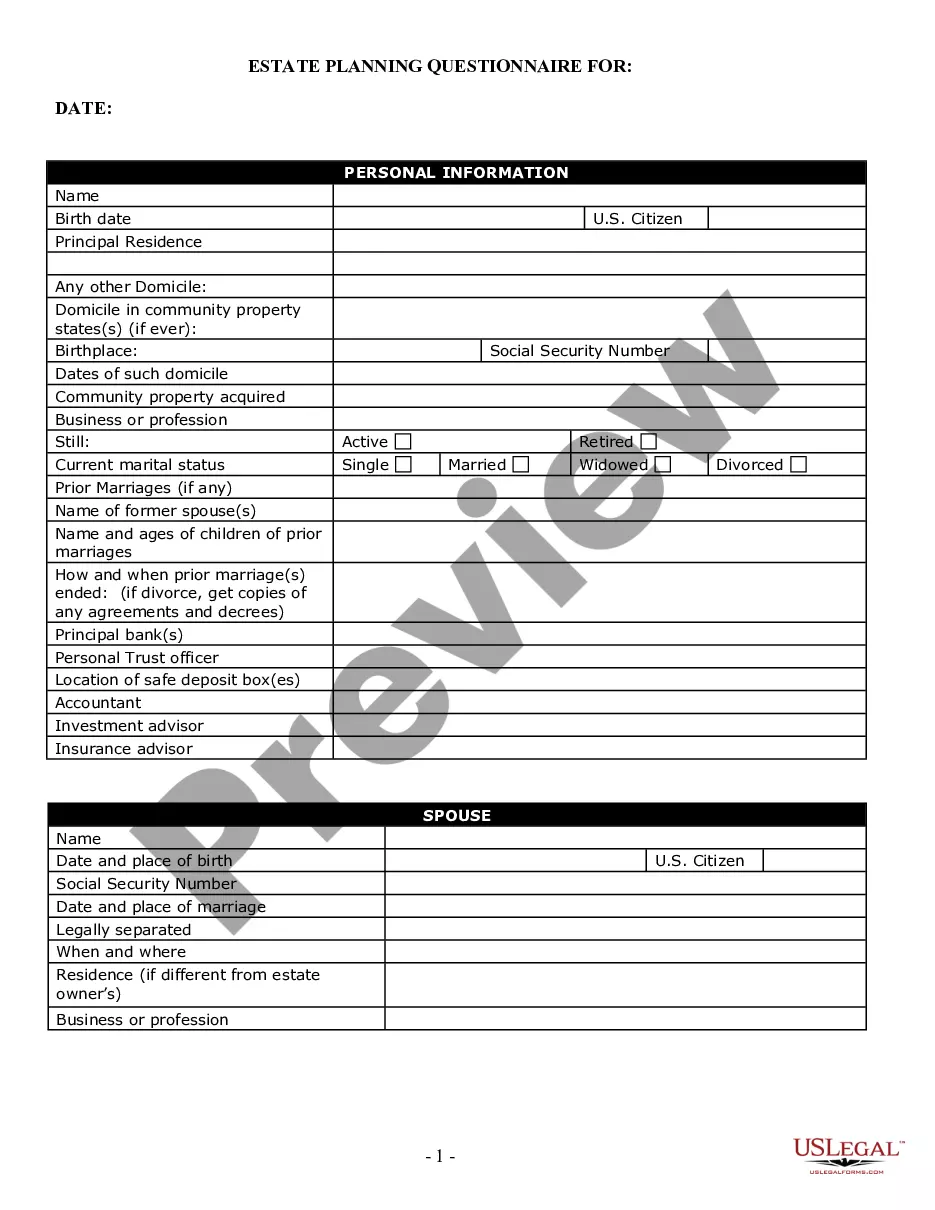

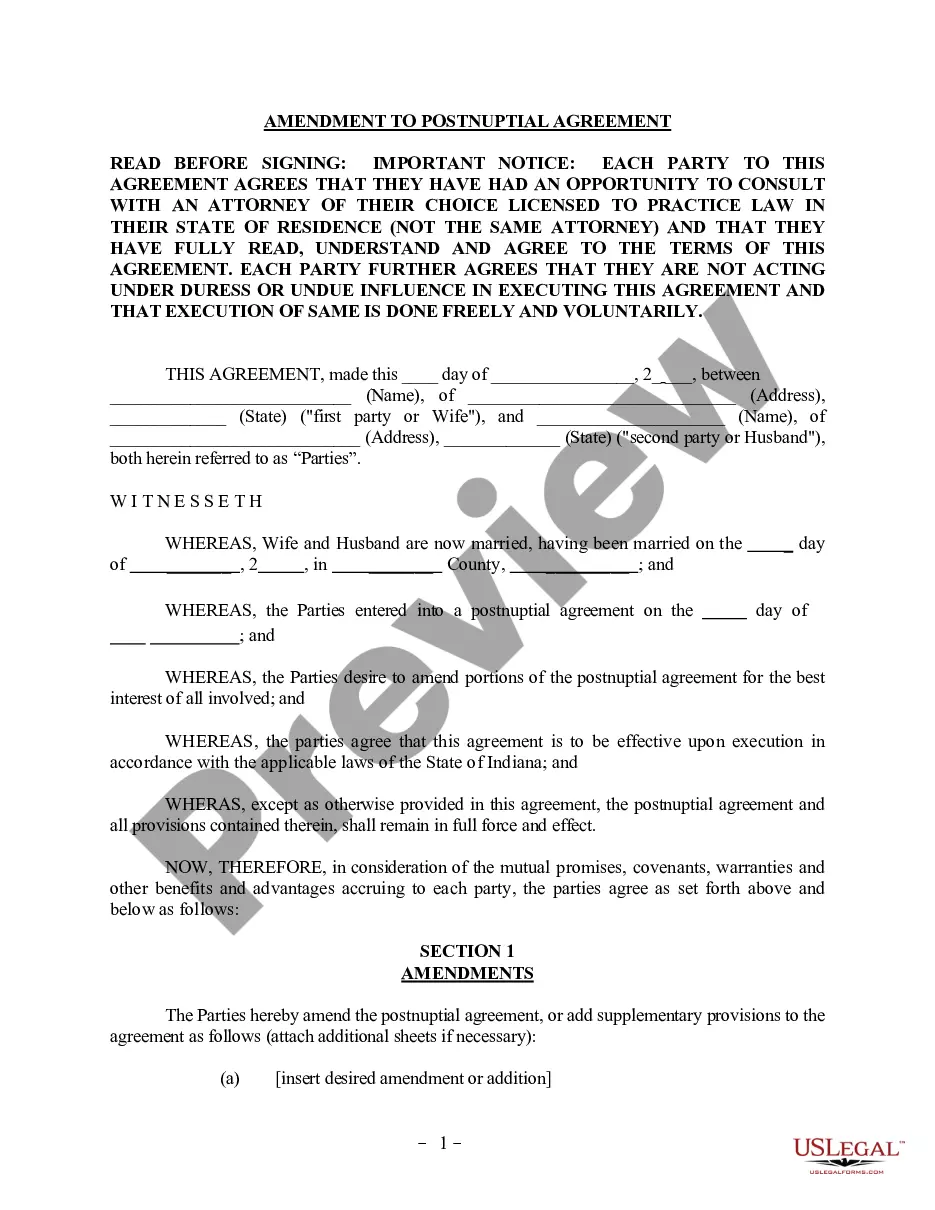
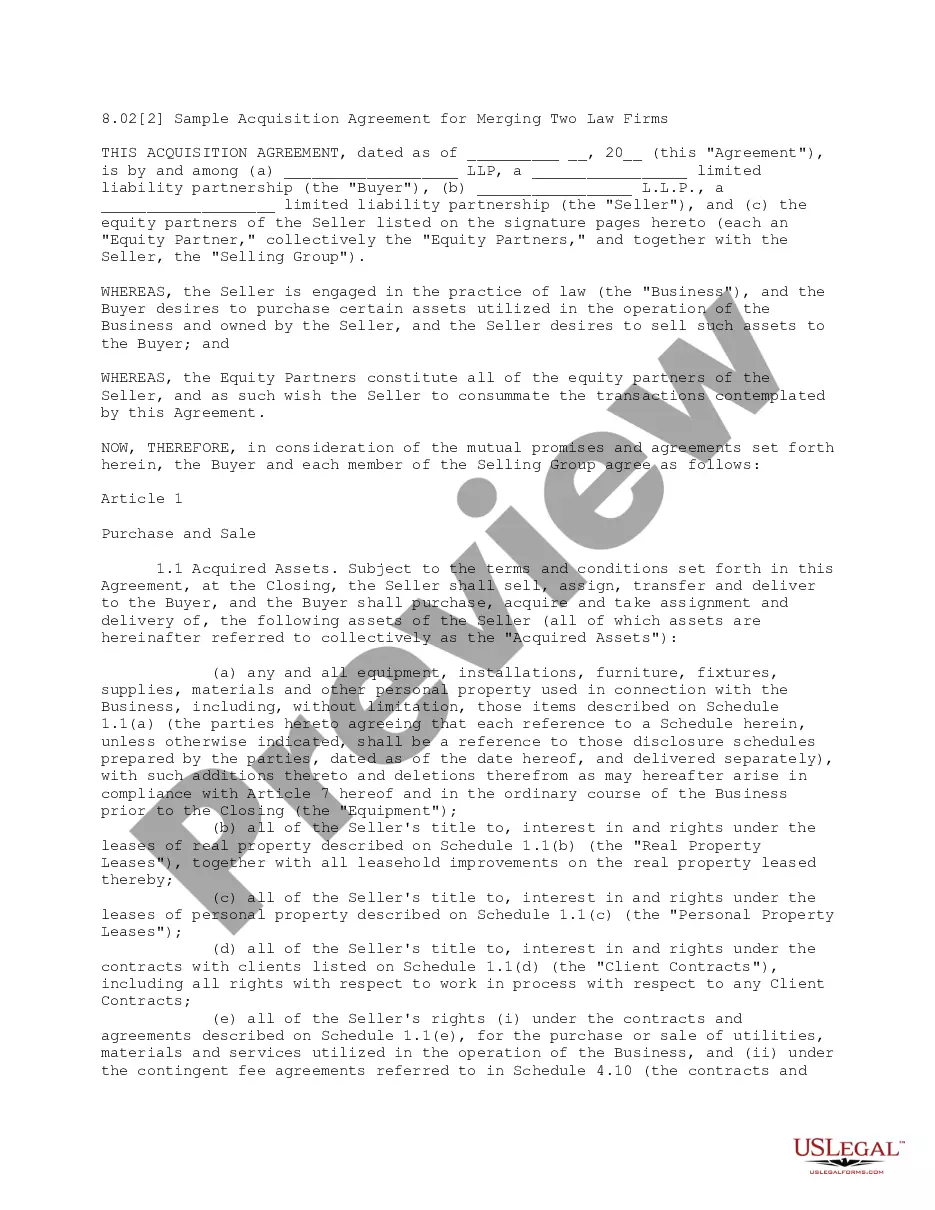

Form popularity
FAQ
If you have a lease for a set term, like one year, you can sublet with or without your landlord's permission, unless they prohibit this in the written lease.
Tips on Subletting Read your lease – usually you will need your Landlord's written consent to sublease. Consult your roommates. Sign a sublease agreement with your subtenant and keep a copy! ... Record a permanent address for your subtenant and do not hesitate to ask for references!
If your tenancy doesn't have a fixed end date you'll need your landlord's permission to sublet your whole home. If they say no, they don't have to give you a reason. If there's a fixed end date for your tenancy, you're allowed to sublet your whole home.
Step 1: Check your lease Check your rental agreement or lease documentation for specific rules on subletting your apartment. Step 2: Send landlord a letter Send your landlord or building manager a certified letter asking permission to sublet, and wait for approval. Keep copies of all communications.
The cons of sub leasing for sublessees Risk of sublessor default. Perhaps the most significant risk that you need to consider is the chance of your sublessor defaulting or breaching the terms of the original lease. Unfavourable lease terms. Less flexibility to customise. Maintenance Delays.
A potentially devastating detriment to a sublease is its subject to the original tenant not defaulting. You could be compliant with your sublease and receive notice your lease is terminated because the original tenant defaulted. You could be subject to the landlord's new terms or be forced to vacate.
Subletting is risky. It comes with the same risks as taking on a roommate, except both people won't be there to deal with problems as they arise. If a tenant's subletter skips town or damages the apartment, the tenant is jointly and severally liable with them and could get stuck with the bill.
You might be committing a criminal offence if you sublet your home when you're not allowed to. You can check if you're allowed to sublet your home. Local authorities can get information to help them investigate and prosecute unlawful subletting offences - even if they aren't your landlord.
There are some things to consider to protect your interests if you will be subleasing someone's property. Research the lessee. Check with the landlord about the lessee's account history. Include a mandatory notification clause. Consider a direct relationship with the landlord. Ask for a copy of the master record.
Subleasing occurs when the tenant transfers a part of their legal tenancy to a third party as a new tenant. Subleasing can be established unless the original lease forbids it. However, in most cases, the owner must be notified and must approve any sublease arrangement created by the tenant.
