Covenant Agreement In Tagalog In Massachusetts
Description

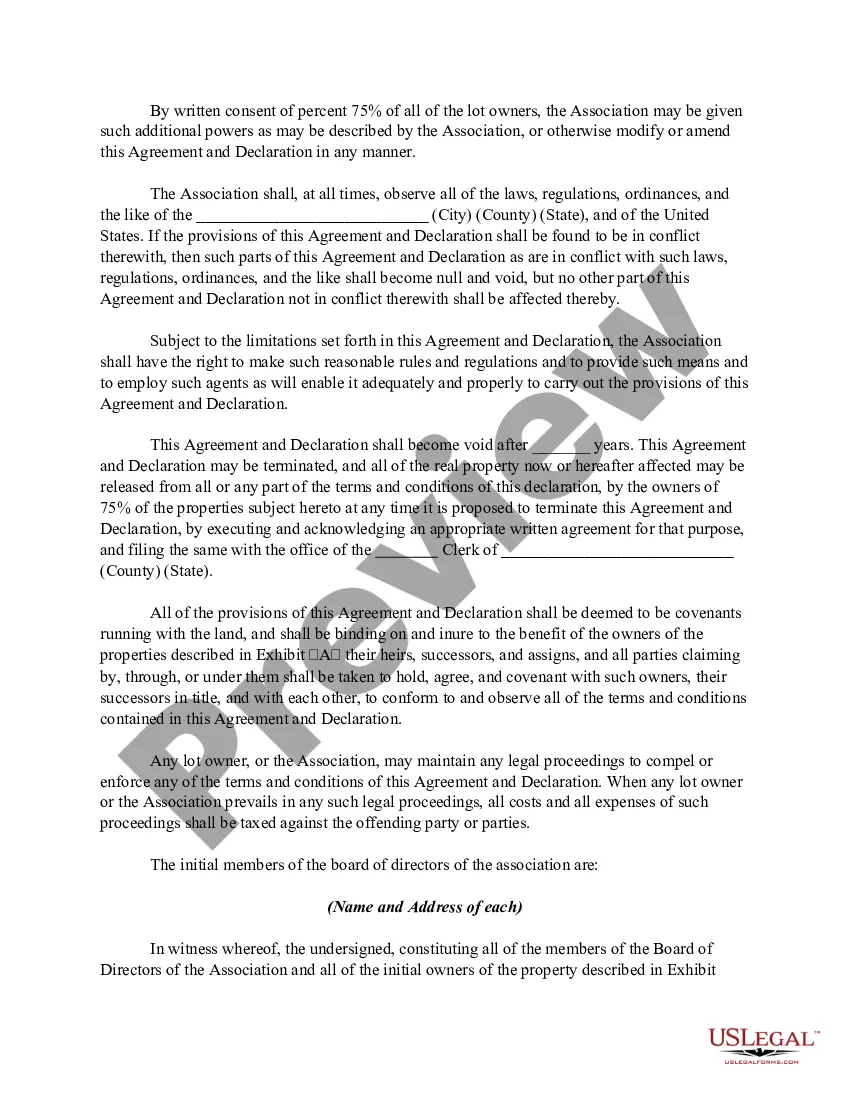
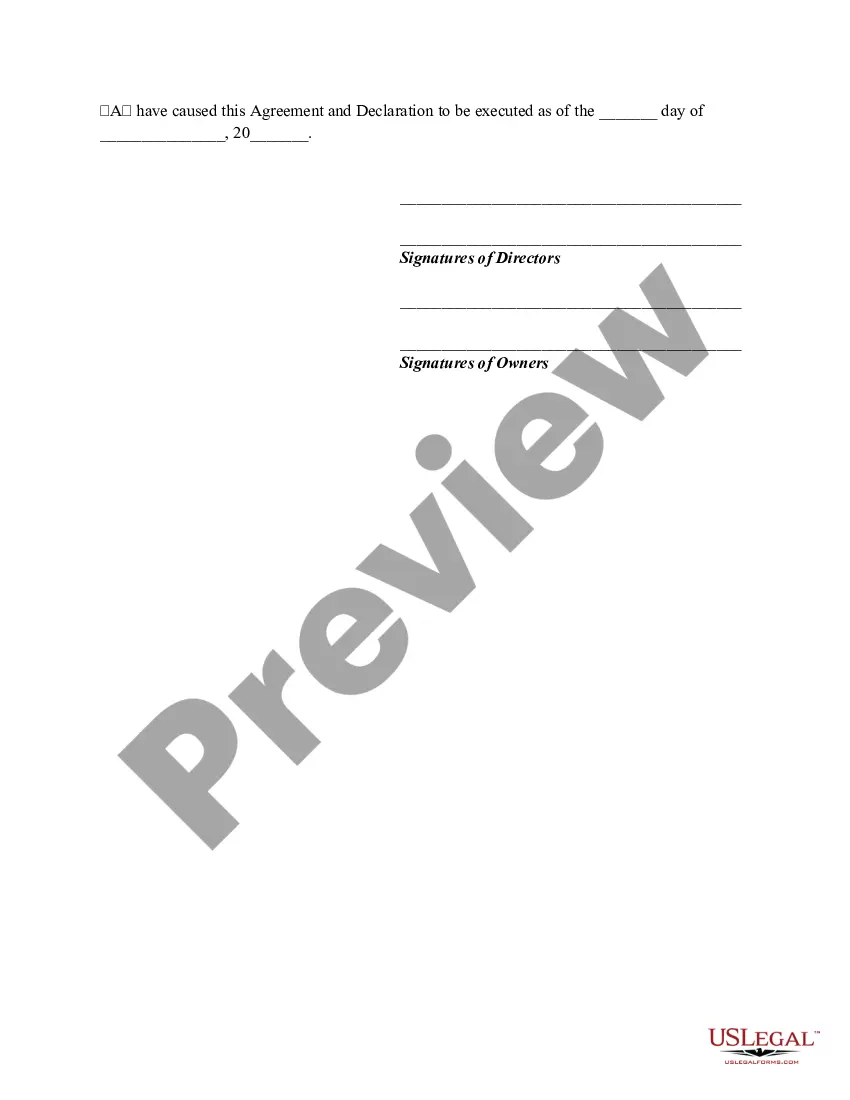
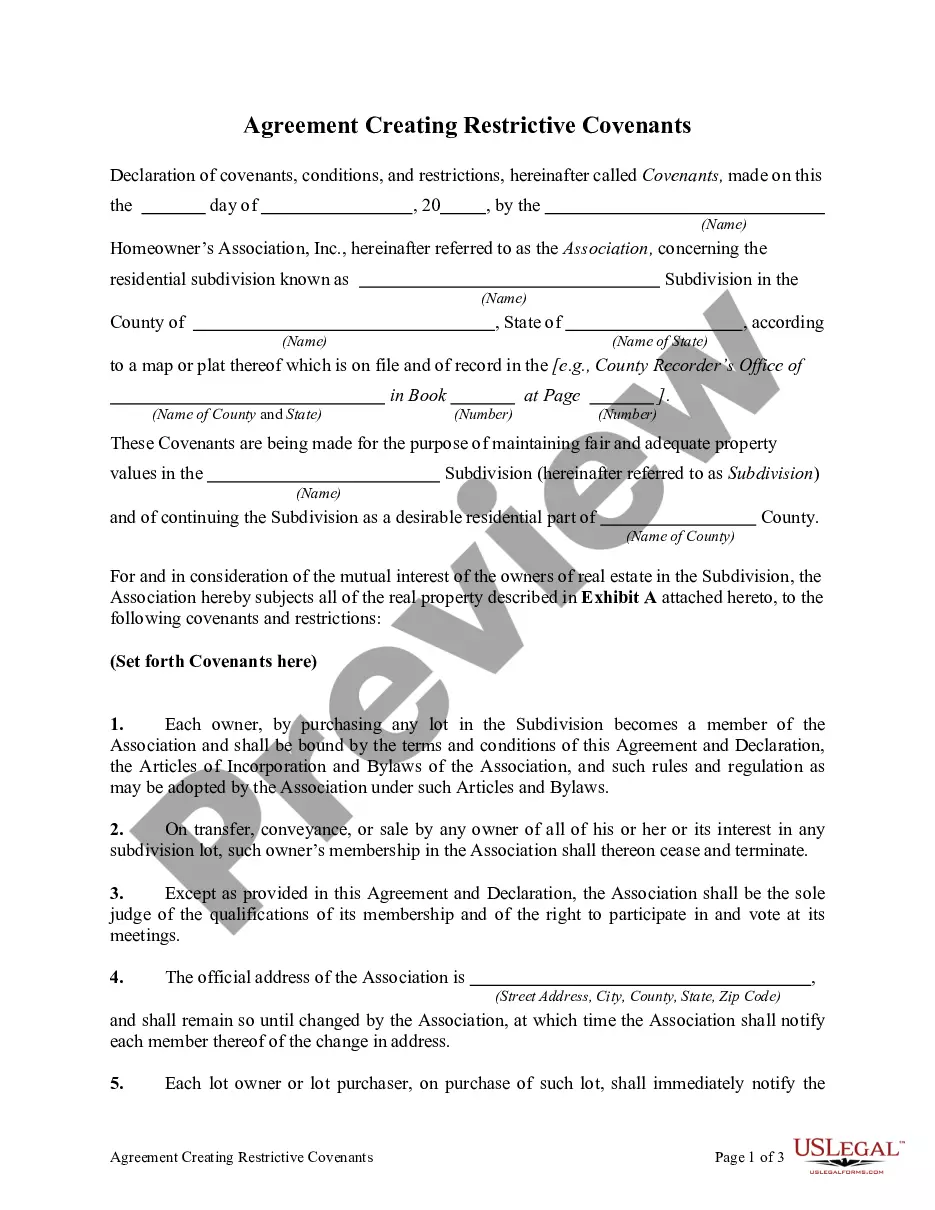
Get your form ready online
Our built-in tools help you complete, sign, share, and store your documents in one place.
Make edits, fill in missing information, and update formatting in US Legal Forms—just like you would in MS Word.
Download a copy, print it, send it by email, or mail it via USPS—whatever works best for your next step.
Sign and collect signatures with our SignNow integration. Send to multiple recipients, set reminders, and more. Go Premium to unlock E-Sign.
If this form requires notarization, complete it online through a secure video call—no need to meet a notary in person or wait for an appointment.
We protect your documents and personal data by following strict security and privacy standards.

Make edits, fill in missing information, and update formatting in US Legal Forms—just like you would in MS Word.

Download a copy, print it, send it by email, or mail it via USPS—whatever works best for your next step.

Sign and collect signatures with our SignNow integration. Send to multiple recipients, set reminders, and more. Go Premium to unlock E-Sign.

If this form requires notarization, complete it online through a secure video call—no need to meet a notary in person or wait for an appointment.

We protect your documents and personal data by following strict security and privacy standards.
Looking for another form?



Form popularity
FAQ
A covenant is a formal agreement or promise , usually included in a contract or deed , to do or not do a particular act. Covenants are particularly relevant in the fields of contract law and property law. An example of a contractual covenant is a non-compete agreement .
Contracts and covenants are not the same things. Here are some fundamental differences: While a contract is legally binding, a covenant is a spiritual agreement. A contract is an agreement between parties while a covenant is a pledge. A contract is an agreement you can break while a covenant is a perpetual promise.
A covenant is fundamentally not a self-centered agreement. Sixth, a covenant entails holiness while a contract does not. Because marriage is a covenant, marriage is holy. That's why we refer to marriage as “holy matrimony.” To say your mate is “holy” doesn't mean that he or she is perfect.
A covenant is different than a contract, it's the mutual binding of lives together. Rather than something that protects its own interest from the other, it builds a new thing alongside one another.
A major difference is that a Covenant is an agreement made by a greater power with a lesser power, usually a king with his subjects.
The implied covenant of good faith and fair dealing means that a party cannot do anything that will destroy or injure the right of the other party to receive the benefits of the contract.
The MNAA does not apply retroactively. That really should not come as a surprise to anyone. “Reaffirmation” of an existing noncompete may be considered a new agreement subject to the MNAA. But don't worry too much.
To be enforceable, a non-compete agreement in Massachusetts must protect the legitimate business interests of the employer, such as trade secrets, confidential information, or customer relationships. In addition, the restrictions imposed on the employee must be reasonable and not overly burdensome.
level for sure, but plenty of noncompetes are enforced at lower levels. It depends on the state, the job, the actual business risk etc. They would send the employee and new employer a cease and desist. If they don't cease and desist, and can't come to an agreement, former company can eventually sue.
First, an employee may show that the non-compete does not meet the elements of a valid agreement. If the non-compete agreement violates any of the essential elements, Massachusetts courts will not enforce the agreement. Non-competes are contracts: Contractual defenses can be used to prevent them from being enforced.
