Covenants Form With God In Kings
Description

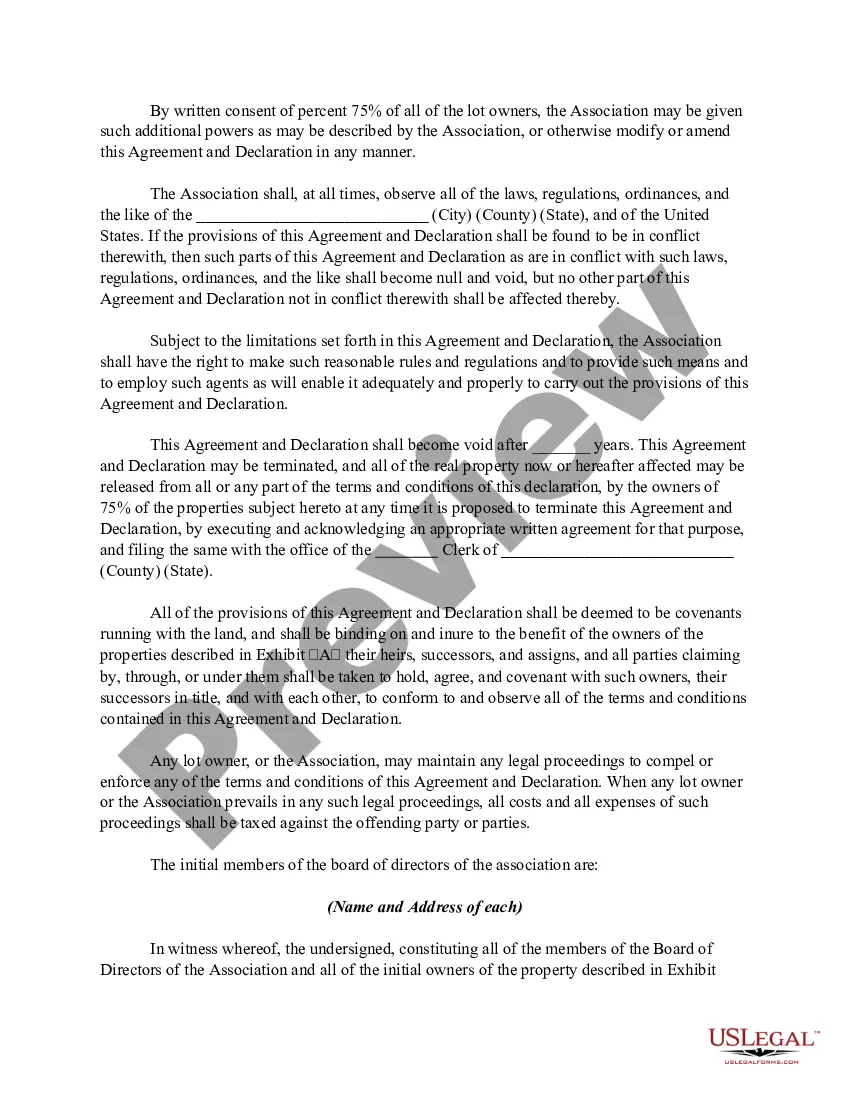
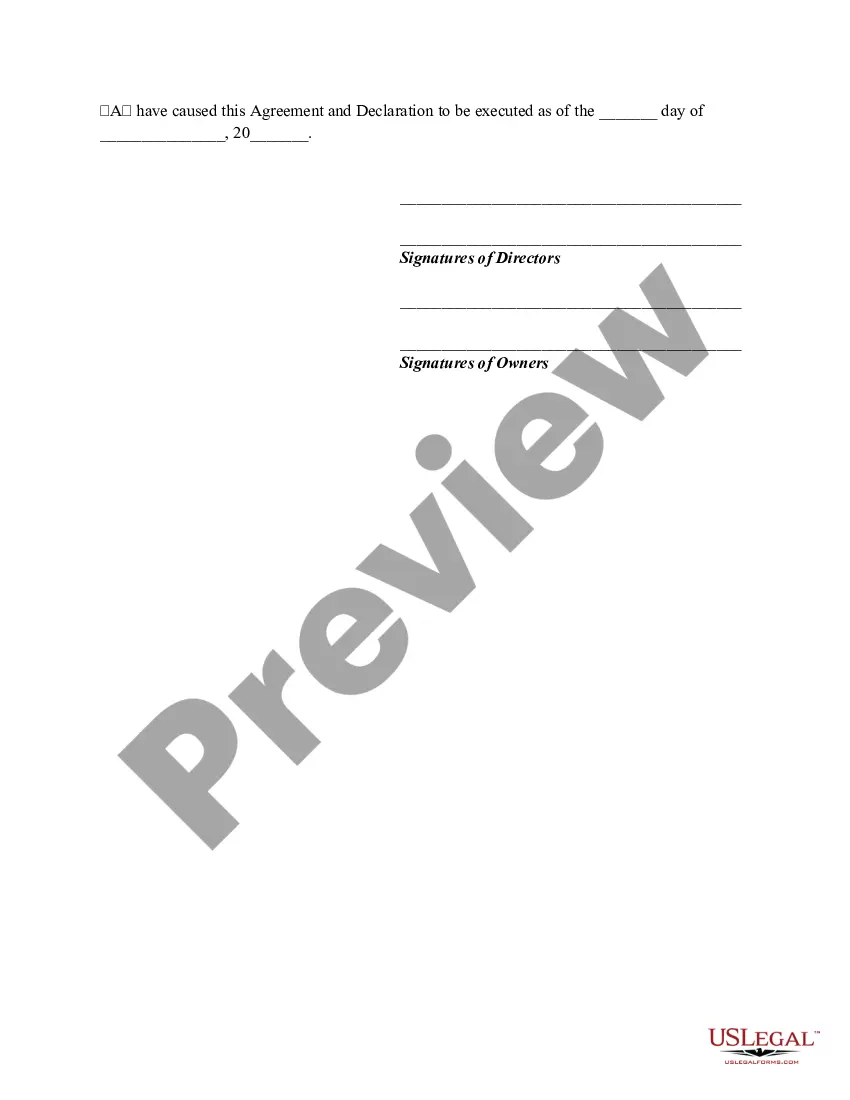
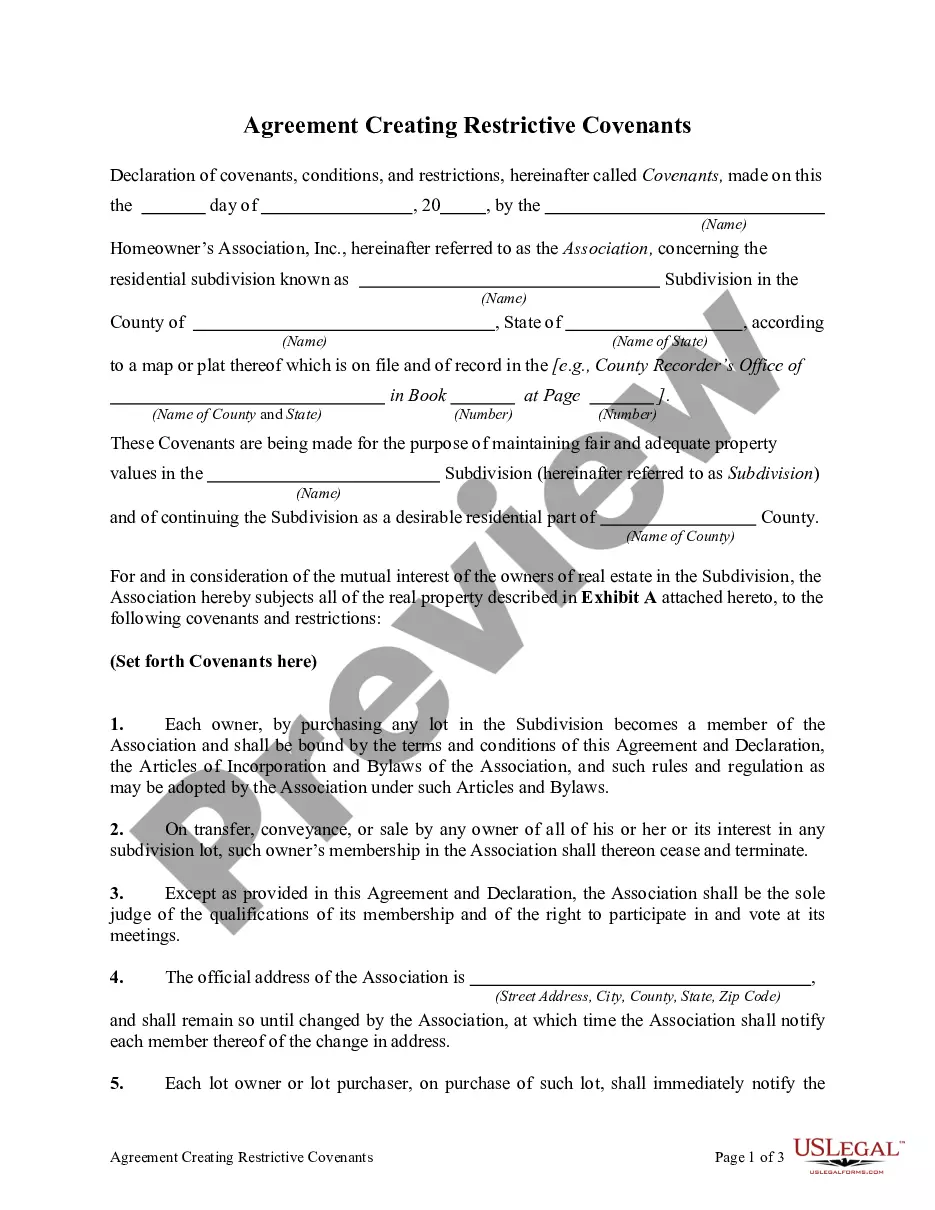
Get your form ready online
Our built-in tools help you complete, sign, share, and store your documents in one place.
Make edits, fill in missing information, and update formatting in US Legal Forms—just like you would in MS Word.
Download a copy, print it, send it by email, or mail it via USPS—whatever works best for your next step.
Sign and collect signatures with our SignNow integration. Send to multiple recipients, set reminders, and more. Go Premium to unlock E-Sign.
If this form requires notarization, complete it online through a secure video call—no need to meet a notary in person or wait for an appointment.
We protect your documents and personal data by following strict security and privacy standards.

Make edits, fill in missing information, and update formatting in US Legal Forms—just like you would in MS Word.

Download a copy, print it, send it by email, or mail it via USPS—whatever works best for your next step.

Sign and collect signatures with our SignNow integration. Send to multiple recipients, set reminders, and more. Go Premium to unlock E-Sign.

If this form requires notarization, complete it online through a secure video call—no need to meet a notary in person or wait for an appointment.

We protect your documents and personal data by following strict security and privacy standards.
Looking for another form?

Form popularity
FAQ
The Story of the Covenants CovenantMain Scripture Texts The Covenant with Abraham Genesis 12, 15, and 17 The Covenant at Sinai Exodus b–8; 20–24 The Covenant with David 2 Samuel 7; Psalm 89 The New Covenant Jeremiah 31–34; Ezekiel –2 more rows •
Delving into the 7 covenants of the Bible in order, he explores the Adamic, Noahic, Abrahamic, Mosaic, Davidic, New, and Everlasting Covenants. “Every covenant promises power,” he explained.
Within the gospel, a covenant means a sacred agreement or mutual promise between God and a person or a group of people. In making a covenant, God promises a blessing for obedience to particular commandments.
Specifically, the Bible speaks of seven different covenants from Genesis to Revelation: Adamic, Noahic, Abrahamic, Mosaic, Davidic, New, and Everlasting Covenants. With each covenant are four elements— promises, terms, blood, and a seal.
Davidic Covenant: God establishes David as king over Israel and promises to make his name great. He'll give David a royal kingdom in which the promises made to Abraham and Israel will be fulfilled through his lineage.
THE FIRST COVENANT God's first great covenant was with the nation of Israel. God gave the covenant to Moses to give to the people. These first commandments that God gave to Moses are known as the Ten Commandments ( Exodus -17 ). God also gave Moses many other commands and ordinances (See Exodus 21-23 ).
Isa ). That covenant affirms God's commitment to creation after the flood. However, while the concept of a covenant may not appear until after the flood, the major divine-human covenants (Noahic, Abrahamic, Mosaic, Davidic, and the new covenant) all support and advance God's creative (and redemptive) goal.
There are several covenants in the Bible, but five covenants are crucial for understanding the story of the Bible and God's redemptive plan: the Noahic Covenant, the Abrahamic Covenant, The Mosaic Covenant, the Davidic Covenant and the New Covenant.
Within the gospel, a covenant means a sacred agreement or mutual promise between God and a person or a group of people.
Baptism and Confirmation When we are baptized, we covenant to take upon ourselves the name of Jesus Christ, to always remember Him, and to keep His commandments. We also promise “to serve him to the end” (D&C ; see also Mosiah –10).