Restrictive Covenants In Leases In King
Description

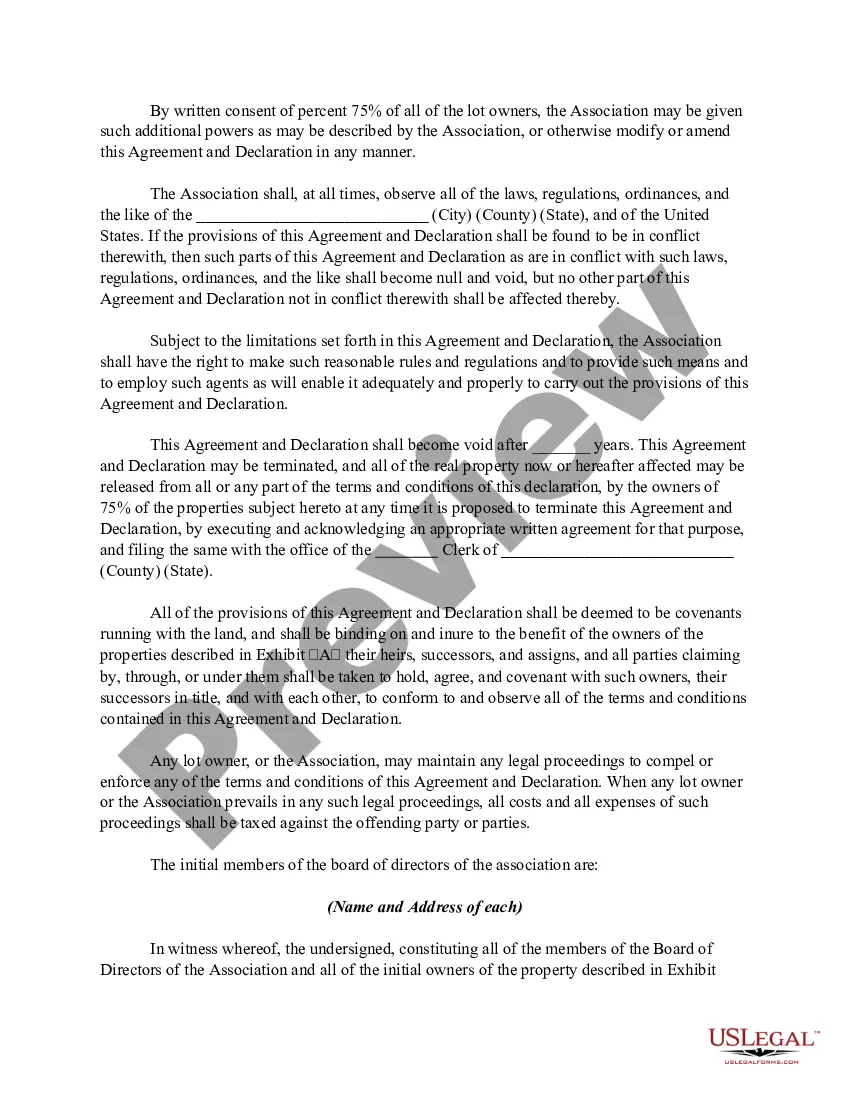
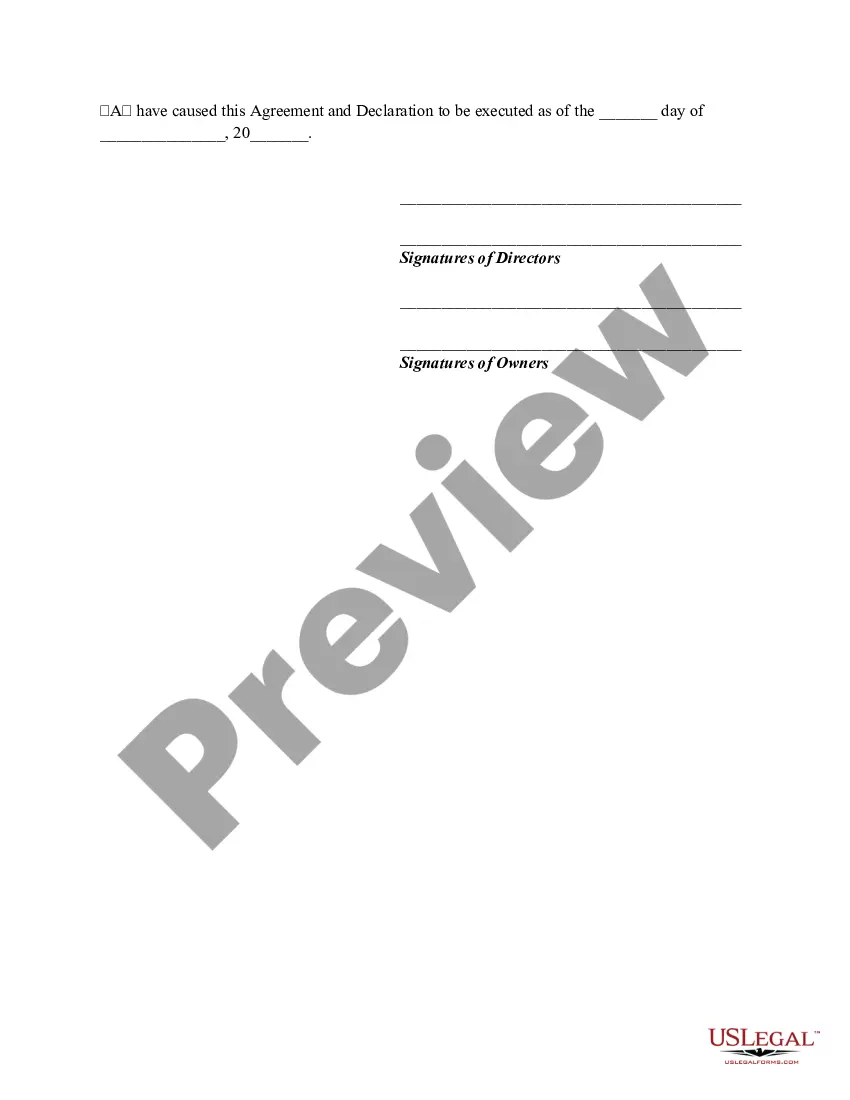
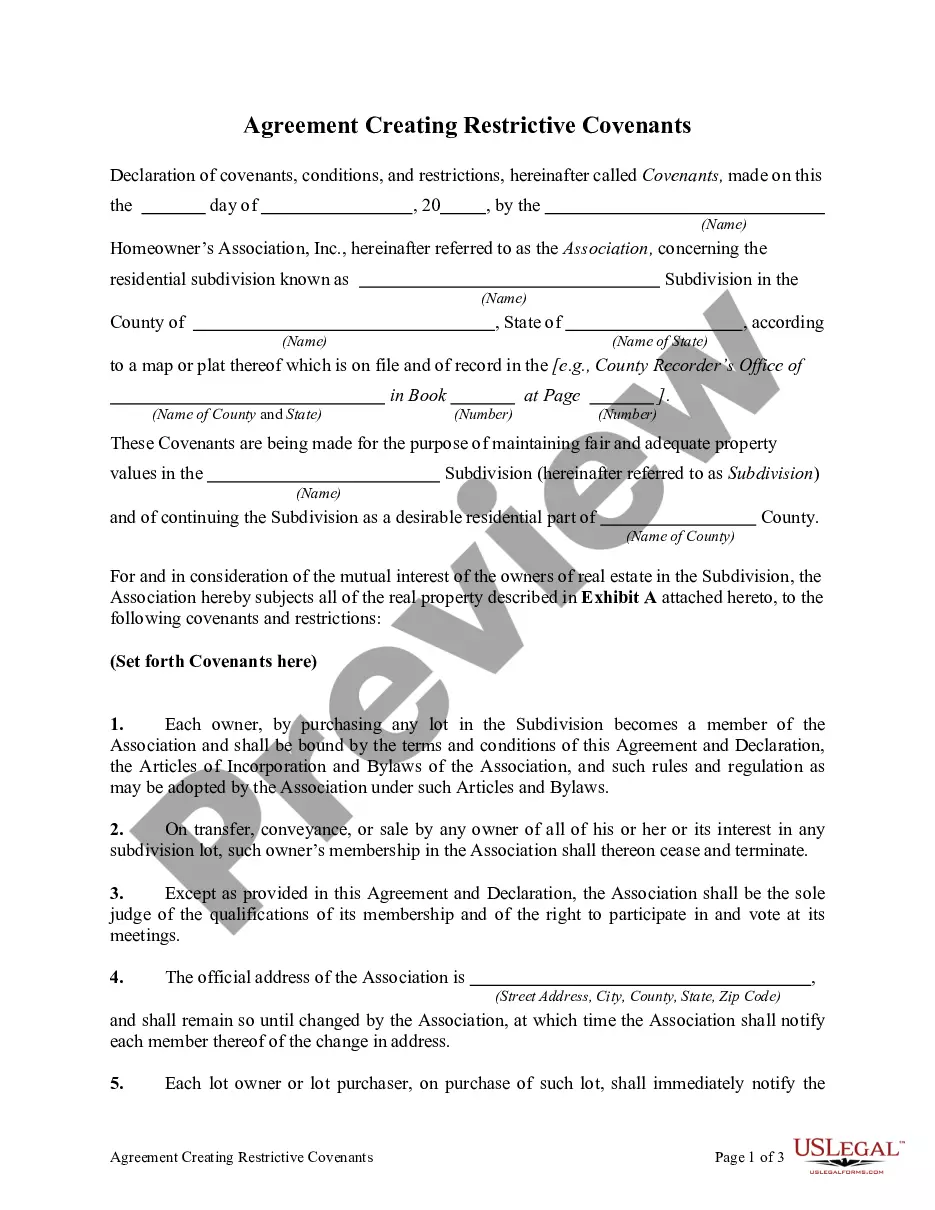
Get your form ready online
Our built-in tools help you complete, sign, share, and store your documents in one place.
Make edits, fill in missing information, and update formatting in US Legal Forms—just like you would in MS Word.
Download a copy, print it, send it by email, or mail it via USPS—whatever works best for your next step.
Sign and collect signatures with our SignNow integration. Send to multiple recipients, set reminders, and more. Go Premium to unlock E-Sign.
If this form requires notarization, complete it online through a secure video call—no need to meet a notary in person or wait for an appointment.
We protect your documents and personal data by following strict security and privacy standards.

Make edits, fill in missing information, and update formatting in US Legal Forms—just like you would in MS Word.

Download a copy, print it, send it by email, or mail it via USPS—whatever works best for your next step.

Sign and collect signatures with our SignNow integration. Send to multiple recipients, set reminders, and more. Go Premium to unlock E-Sign.

If this form requires notarization, complete it online through a secure video call—no need to meet a notary in person or wait for an appointment.

We protect your documents and personal data by following strict security and privacy standards.
Looking for another form?

Form popularity
FAQ
Leasehold covenants are rules that you agree to when you sign your lease. Most are designed to prevent anti-social behaviour or anything which could devalue the block or make its flats difficult to sell.
It is possible to apply to the Lands Chamber of the Upper Tribunal to have a restrictive covenant “discharged or modified”, as the statute puts it, in order to get the covenant removed or changed so that development can take place or the use of the land can be changed.
Potential Options to Deal with a Restrictive Covenant Check if the beneficiary exists. You must undertake checks to check who benefits from the covenant. Negotiate. Indemnity insurance, shielding against covenant enforcement risks. Legal route.
If it looks like a restrictive covenant is enforceable and is going to be breached by development, seek to obtain a restrictive covenant title indemnity insurance policy to cover any loss from a claim from a beneficiary. You should insure the full gross development value of the property affected.
Landowners burdened by a restrictive covenant have the option to seek modifications or discharges through the Upper Tribunal (Lands Chamber). This legal avenue is governed by Section 84(1) of the Law of Property Act 1925, which outlines specific conditions that must be met for a successful application.
The primary remedy for breach of a Restrictive Covenant is a permanent injunction to restrain the breach. However, the courts have jurisdiction to award damages instead of an injunction.
How long do restrictive covenants last? They have no official expiration date. As long as the legal requirements for a restrictive covenant are otherwise met, a restrictive covenant could be hundreds of years old and could still be enforceable.
In the case of an HOA, restrictive covenants are general rules that members of your HOA vote on that all property owners living in the area must follow. The covenant may include actions you can't take with your property, like raising livestock or running a business from your home.
If it looks like a restrictive covenant is enforceable and is going to be breached by development, seek to obtain a restrictive covenant title indemnity insurance policy to cover any loss from a claim from a beneficiary. You should insure the full gross development value of the property affected.
