Trademark Law In India In Miami-Dade
Description




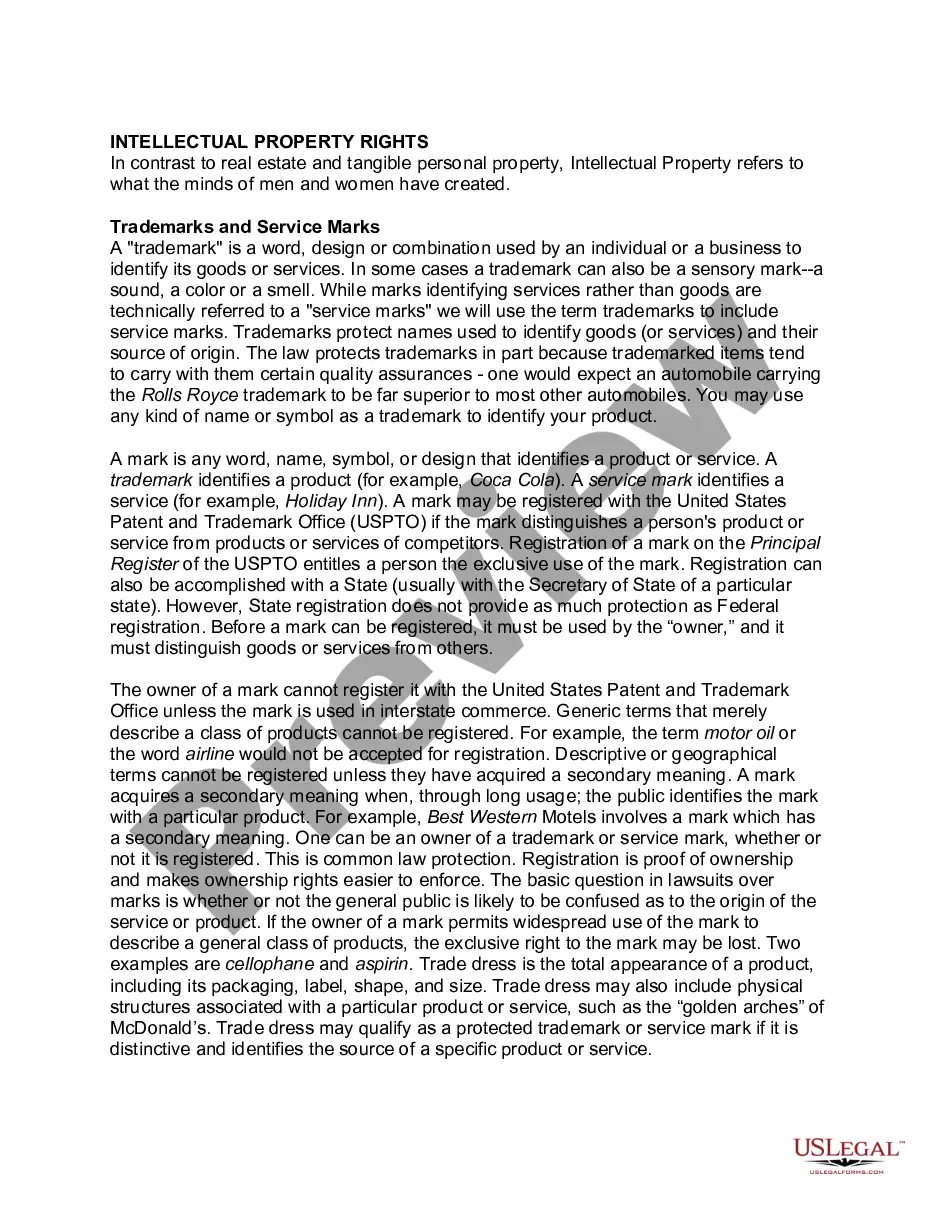
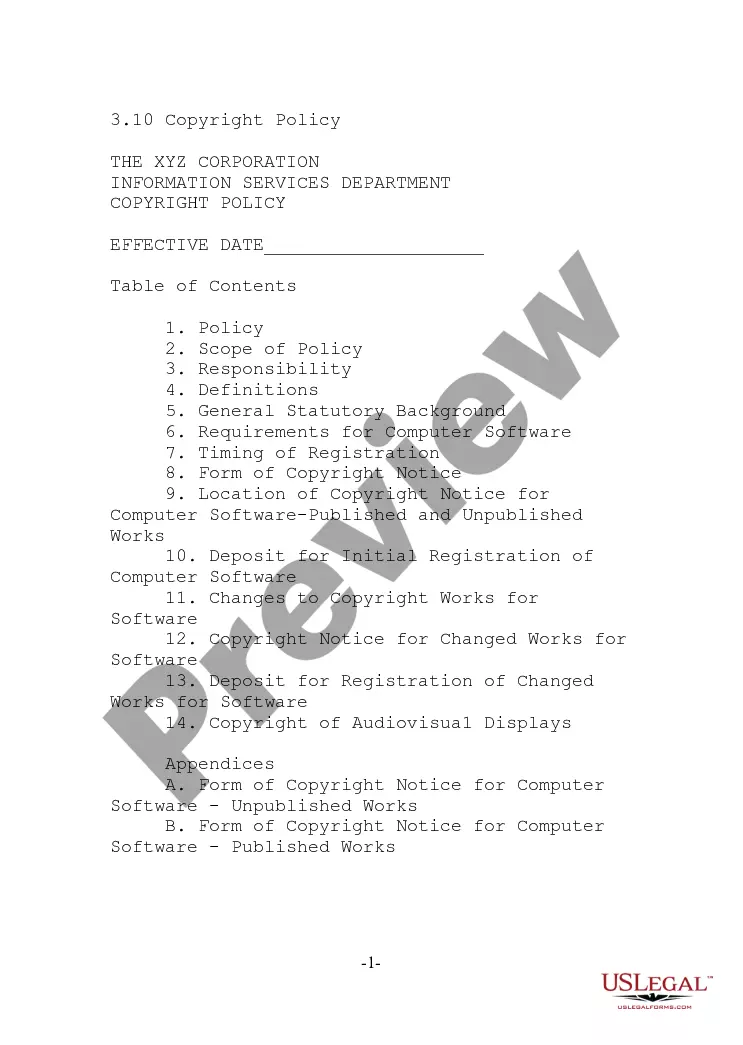
Get your form ready online
Our built-in tools help you complete, sign, share, and store your documents in one place.
Make edits, fill in missing information, and update formatting in US Legal Forms—just like you would in MS Word.
Download a copy, print it, send it by email, or mail it via USPS—whatever works best for your next step.
Sign and collect signatures with our SignNow integration. Send to multiple recipients, set reminders, and more. Go Premium to unlock E-Sign.
If this form requires notarization, complete it online through a secure video call—no need to meet a notary in person or wait for an appointment.
We protect your documents and personal data by following strict security and privacy standards.

Make edits, fill in missing information, and update formatting in US Legal Forms—just like you would in MS Word.

Download a copy, print it, send it by email, or mail it via USPS—whatever works best for your next step.

Sign and collect signatures with our SignNow integration. Send to multiple recipients, set reminders, and more. Go Premium to unlock E-Sign.

If this form requires notarization, complete it online through a secure video call—no need to meet a notary in person or wait for an appointment.

We protect your documents and personal data by following strict security and privacy standards.
Looking for another form?
Form popularity
FAQ
Answer: No. Registration of a trademark is not compulsory. However, the registration is the prima facie evidence of the proprietorship of the trademark under registration. However, it is to be noted that no suit can be instituted for the infringement of unregistered trademarks.
Unregistered trademarks may also be protected at the state level by statute and/or common law. Under state common law, trademarks are protected as part of the law of unfair competition.
Registering your trademark with the U.S. Patent and Trademark Office (USPTO) gives you trademark protection throughout the United States, but it does not protect your trademark in other countries. To protect your trademark abroad, you need to register it with the foreign countries where you want protection.
Registering your trademark with the U.S. Patent and Trademark Office (USPTO) gives you trademark protection throughout the United States, but it does not protect your trademark in other countries. To protect your trademark abroad, you need to register it with the foreign countries where you want protection.
To prove trademark infringement in India, three elements must be established. These elements include: Valid Trademark: The first element is that the plaintiff must have a valid and registered trademark in India. A valid trademark must be distinctive, not generic, and not deceptive.
The Trademark Act, 1999 inter alia aims at providing for the registration of service trademarks and collective trademarks, enhanced protection to marks categorized as well- known marks, and the constitution of the Intellectual Property Appellate Board (IPAB) for speedy disposal of appeals and rectification applications ...
