Trademark Law In Cambodia In Illinois
Description

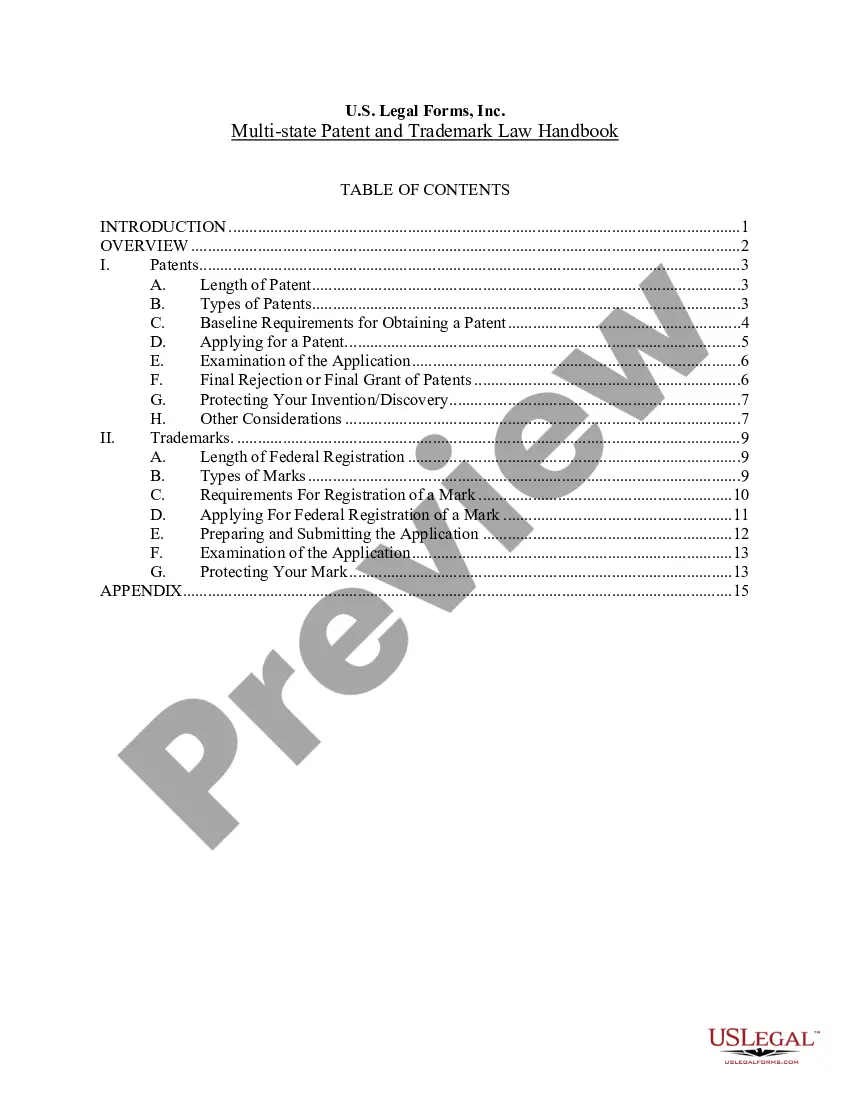
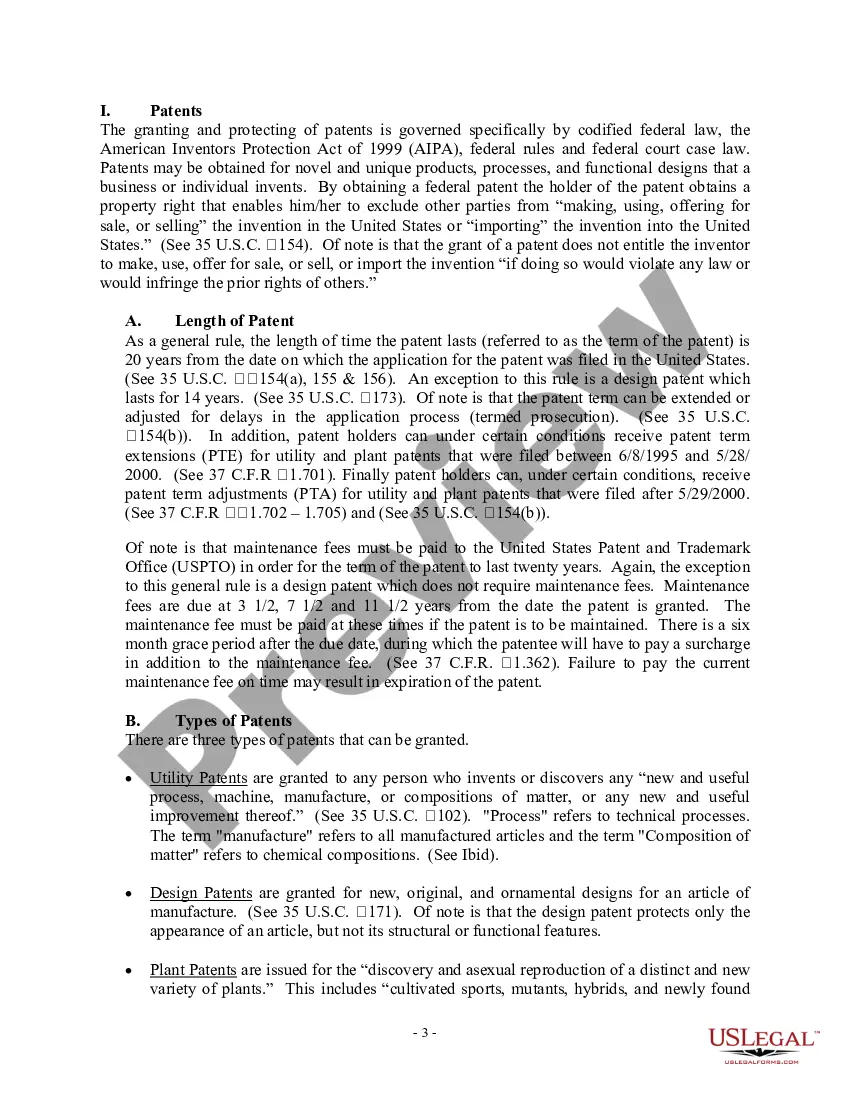


Get your form ready online
Our built-in tools help you complete, sign, share, and store your documents in one place.
Make edits, fill in missing information, and update formatting in US Legal Forms—just like you would in MS Word.
Download a copy, print it, send it by email, or mail it via USPS—whatever works best for your next step.
Sign and collect signatures with our SignNow integration. Send to multiple recipients, set reminders, and more. Go Premium to unlock E-Sign.
If this form requires notarization, complete it online through a secure video call—no need to meet a notary in person or wait for an appointment.
We protect your documents and personal data by following strict security and privacy standards.
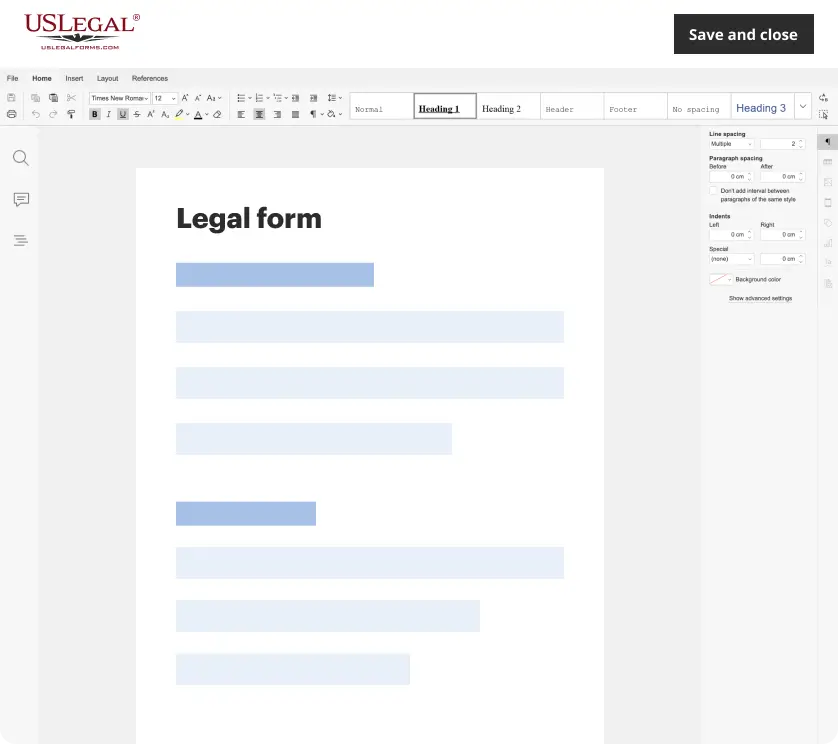
Make edits, fill in missing information, and update formatting in US Legal Forms—just like you would in MS Word.
Download a copy, print it, send it by email, or mail it via USPS—whatever works best for your next step.
Sign and collect signatures with our SignNow integration. Send to multiple recipients, set reminders, and more. Go Premium to unlock E-Sign.
If this form requires notarization, complete it online through a secure video call—no need to meet a notary in person or wait for an appointment.
We protect your documents and personal data by following strict security and privacy standards.
Looking for another form?
Form popularity
FAQ
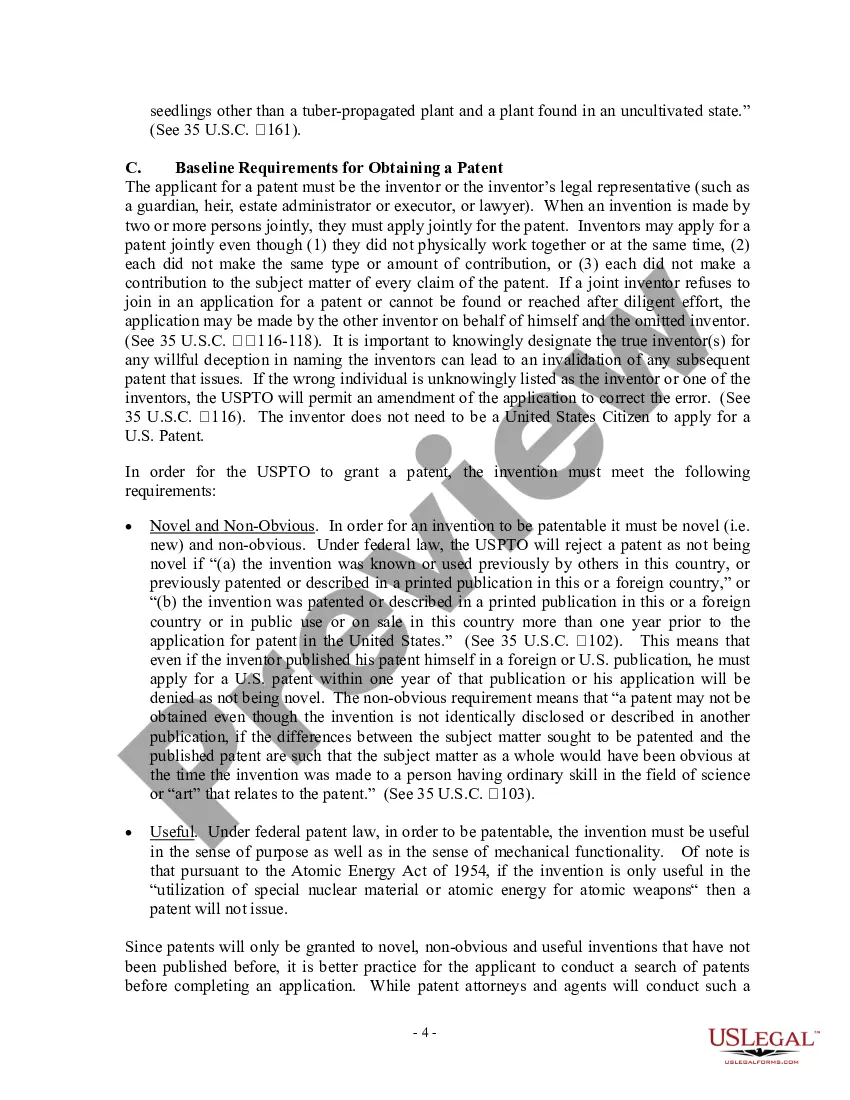
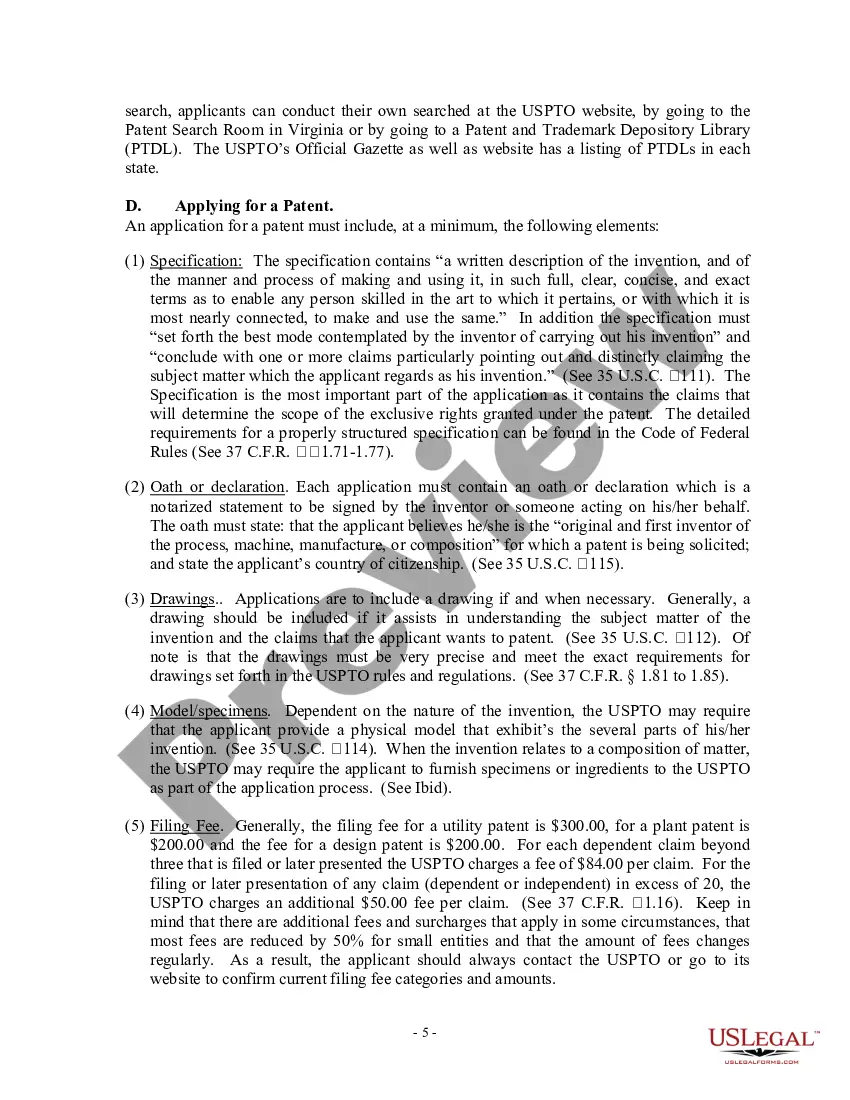
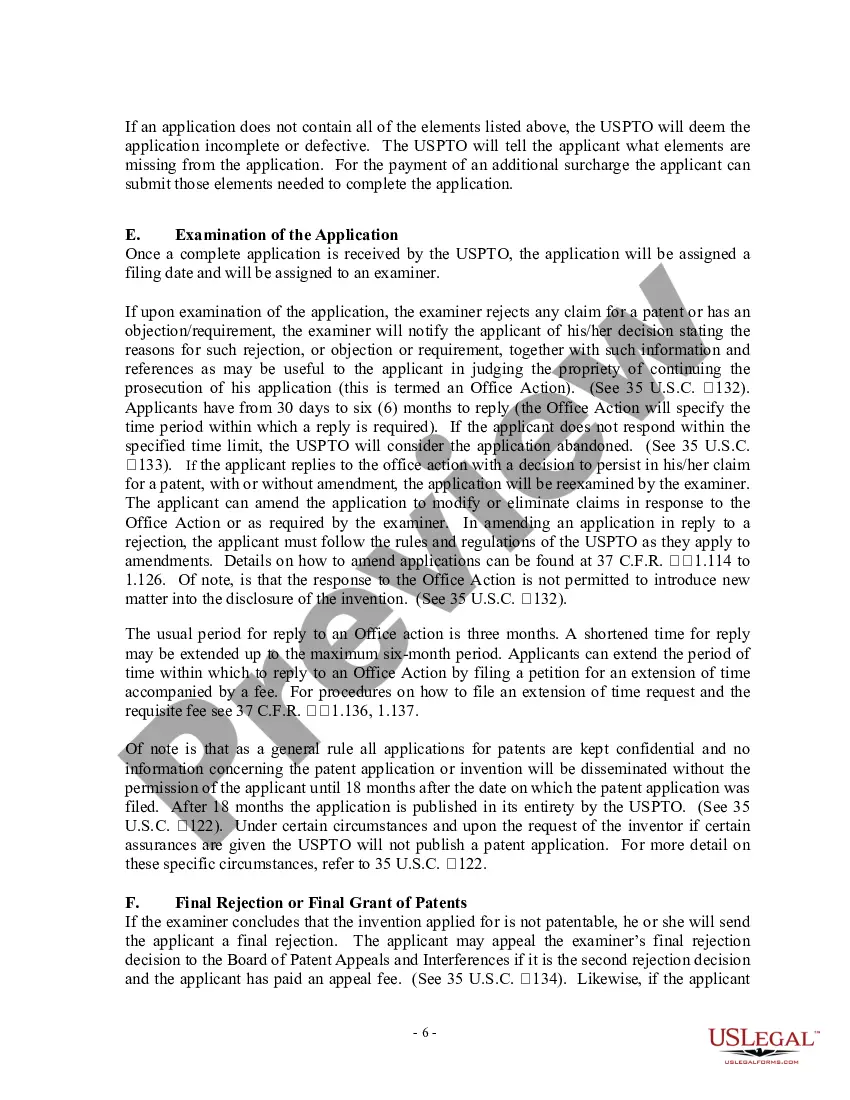
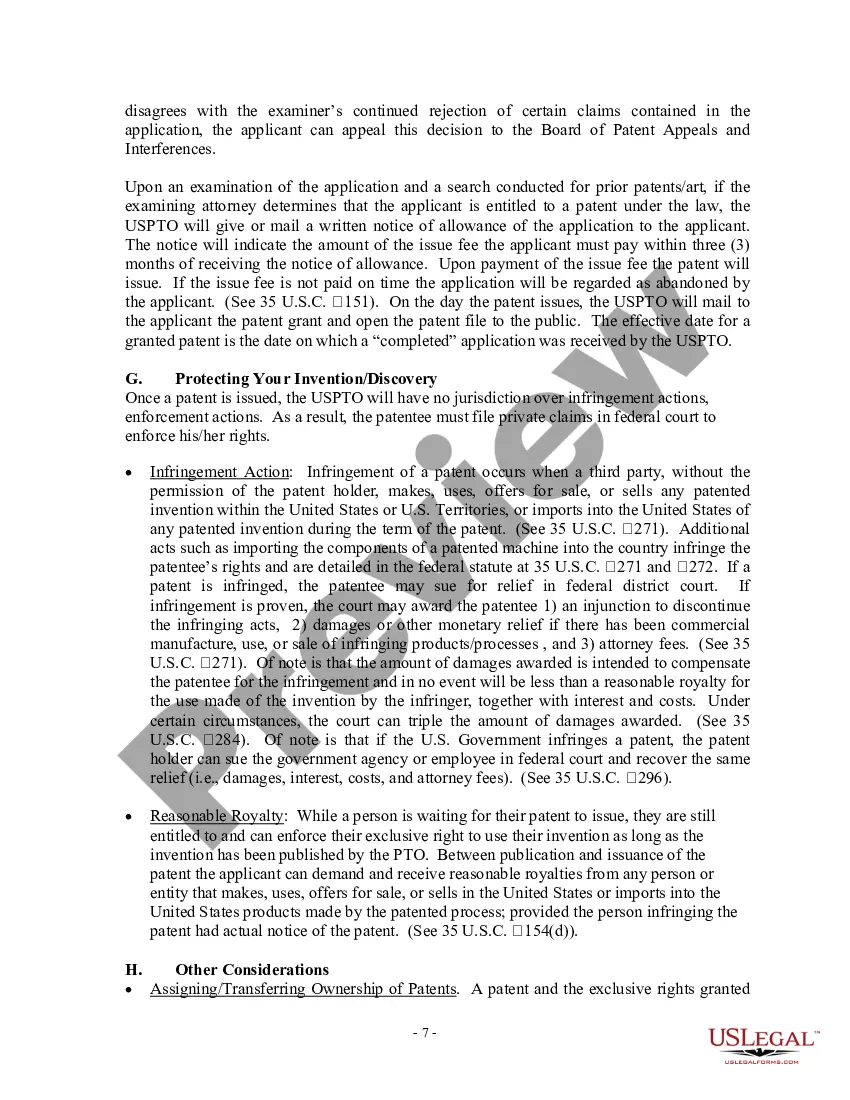
You can file for and manage your trademark's protection in more than 120 countries and regional intellectual property offices using a single streamlined application and payment process. “Madrid Protocol” is the common name for the international trademark registration treaty that makes this process possible.
Similarly, in the US, foreign words that would otherwise be generic can quality for trademark registration. When a trademark is in a foreign language or dialect, courts as well as the United States Patent & Trademark Office apply the “doctrine of foreign equivalents.” Under this doctrine, the word is first translated.
Any interested person may request the Ministry of Commerce to remove a mark from the Register, in respect of any of the goods or services in respect of which it is registered, on the ground that up to one month prior to filing the request the mark had, after its registration, not been used by the registered owner or a ...
You can use someone else's trademark without permission if you are using it for informational purposes. This exception applies to situations where you are: Expressing an opinion.
Yes, you can register a trademark in the US even if you are not a US citizen. A person with any citizenship can register a trademark in the US. However, if you do not live in the United States (i.e. you have a foreign domicile address), you must use an attorney licensed to practice law in the United States.
What is international trademark registration procedure? The process includes global trademark search, filing an international application through WIPO, designating member countries for protection, and paying the required fees. Each designated country will then examine the application based on its local laws.
You can file for and manage your trademark's protection in more than 120 countries and regional intellectual property offices using a single streamlined application and payment process. “Madrid Protocol” is the common name for the international trademark registration treaty that makes this process possible.
A person with any citizenship can register a trademark in the US. However, if you do not live in the United States (i.e. you have a foreign domicile address), you must use an attorney licensed to practice law in the United States.
The Law on Copyright and Related Rights affords authors of original works a set of exclusive economic and moral rights. As stated in Article 1 of the law, by providing authors with a just and legitimate exploitation of their cultural products, the law aims to contribute to the development of culture.
The Berne Convention stipulates that the duration of the term for copyright protection is the life of the author plus at least 50 years after their death. For some categories of works, the minimum duration is shorter: for example, the minimum term for applied art is 25 years, movies have a minimum term of 50 years.
