Acknowledgement For Funeral In Massachusetts
Description


Form popularity
FAQ
`` I am so sorry for your loss''. `` He/she will be missed.'' `` I will always remember him/her fondly''. `` I feel for you and your family''. `` Is there anything I can do for you?'' Anyone of these.
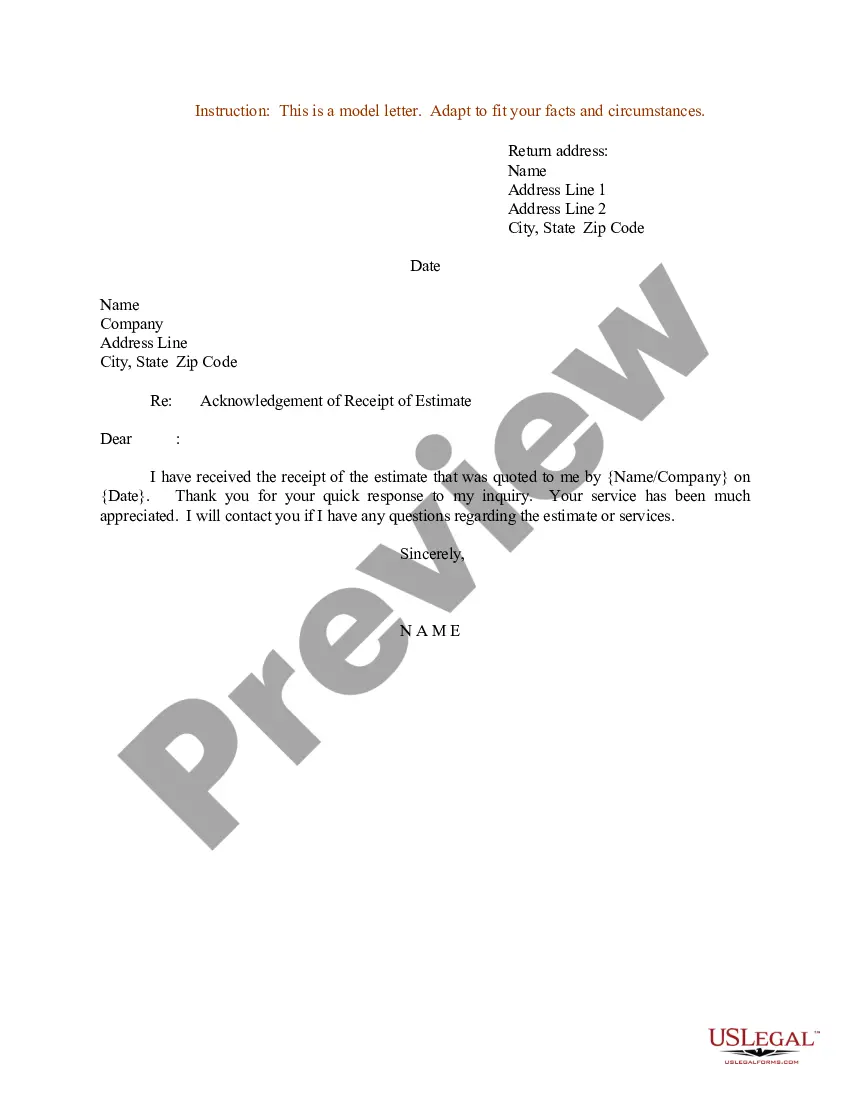
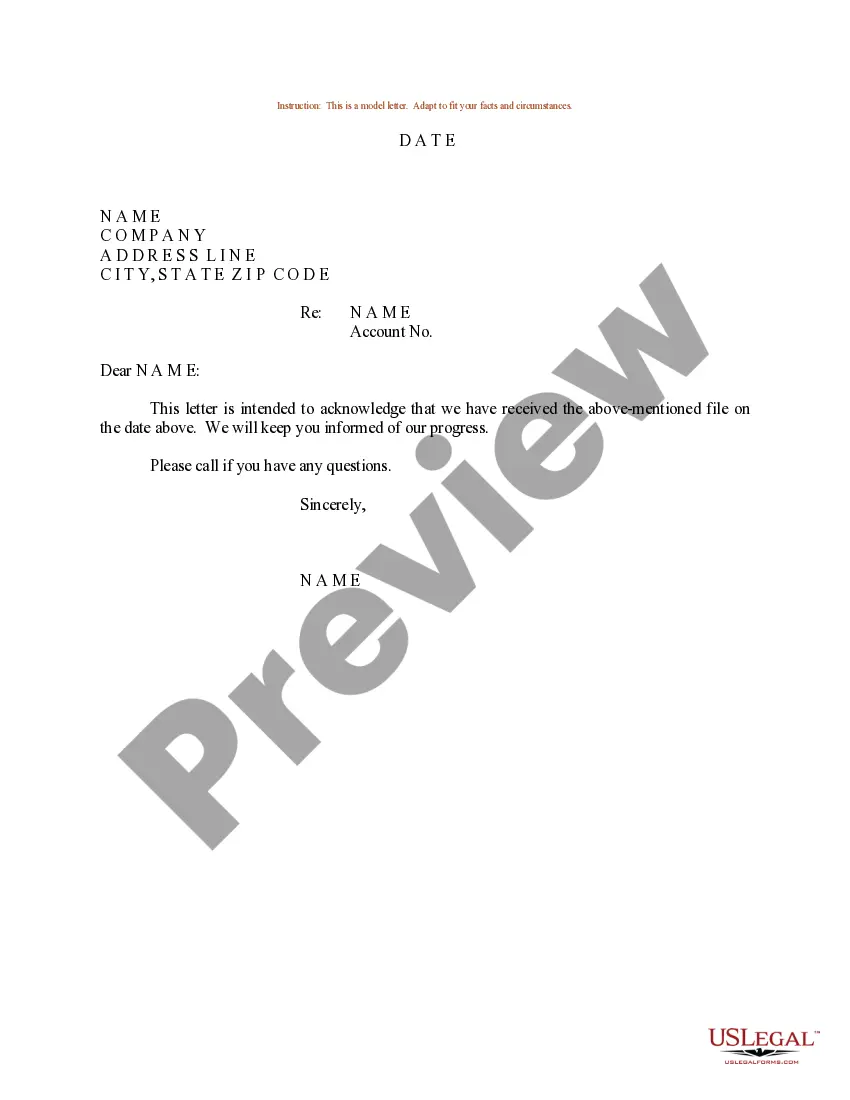
Usually a singed acknowledgement card is sufficient to say "Thanks" for flowers, mass cards and personal services. If a more personal touch is desired, a few words may be written on the acknowledgement referring to flowers, letters of condolence, memorials or assistance.
If the members' names are in the card, a signed acknowledgement (without a personal message) is sent to each name. From an unorganized group (neighbors, employees, relatives and friends): Send a signed acknowledgement to each name.
Acknowledgement We are most grateful for the gift of friends like you, who have been so kind. and thoughtful during these hours of sorrow. Your prayers, visits, calls, flowers and every act of kindness, have given us strength and inspiration. for the facing of this hour.
Your sympathy in our recent loss will long be remembered. Thank you sincerely for all that you have done for us in our time of need. Thank you for the many ways in which you helped us during the loss of our (RELATIVE). We deeply appreciate your kindness.
Burial must take place in a municipal or private cemetery approved by the local board of health. If cremated remains are to be buried in a cemetery, a burial permit must be provided to the cemetery. Local jurisdictions should be contacted if a second burial permit is required.
Who Should Receive a Thank You Note? While it is not necessary to mail a formal thank you note to each and every person who attended the funeral or sent a card, it is considerate to recognize those who have done the following: Sent flowers or sympathy gifts to the visitation, service, or family home.
“Thank you for the stories and memories you shared. They truly helped our family and highlighted what a special person name was.” “Just a quick note to show our appreciation for the beautiful flowers you've sent. We are grateful for your thoughtfulness while we are going through this difficult time.”
Here are some commonly used things to say when someone dies: "I'm sorry for your loss. I'm here for you." "My condolences on your loved one's passing. “I extend my deepest sympathy to you. "Thinking of you, sending love and support. "We're saddened by the news. "Heartfelt condolences. "You're not alone.
A Formal Greeting: Address the recipient formally, using titles and surnames unless you have a very close relationship. A Word of Thanks: Clearly state your appreciation, mentioning the specific gesture they made, if possible. For example, "Thank you for the beautiful floral arrangement."
