Notice Discovery Template Fortinet _all_ In Maryland
Description

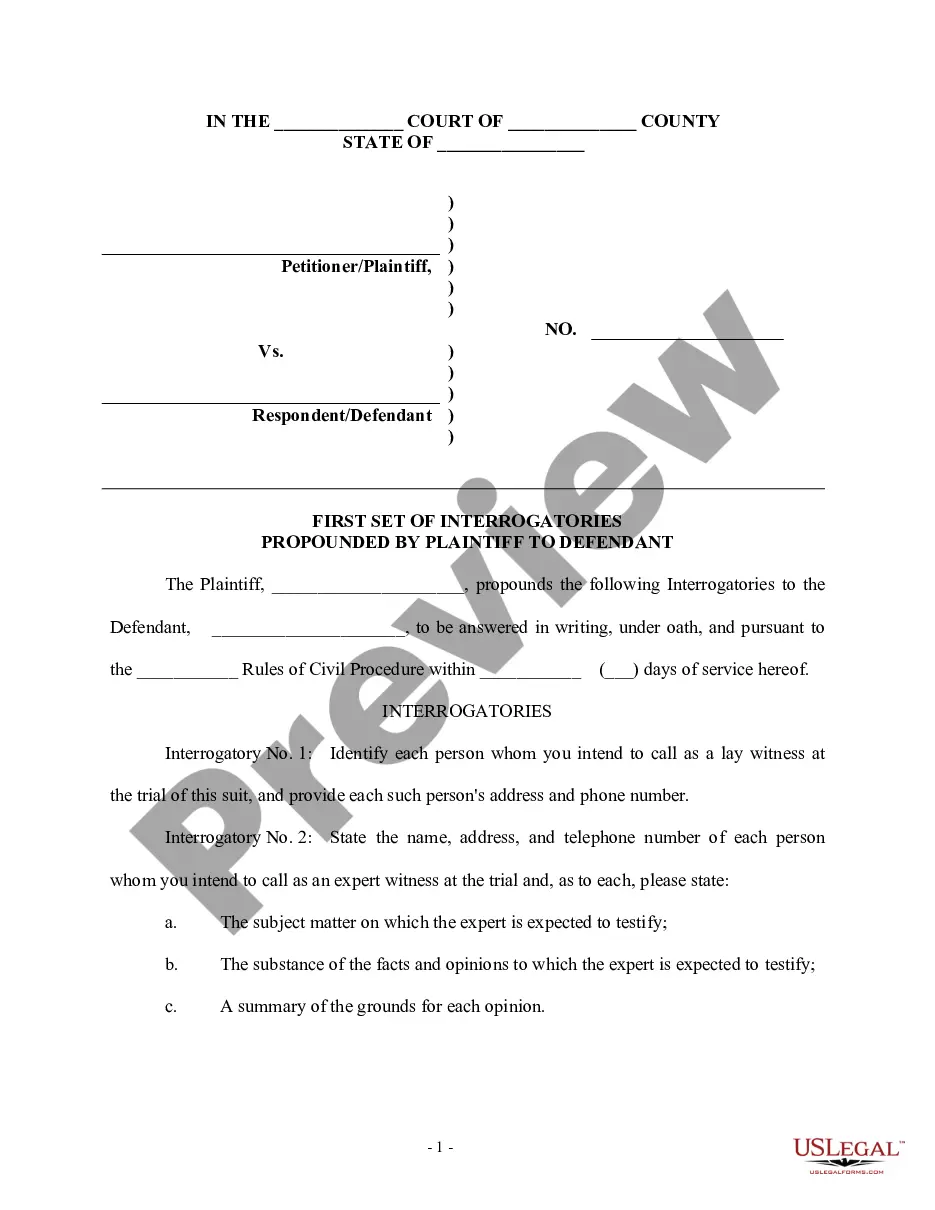
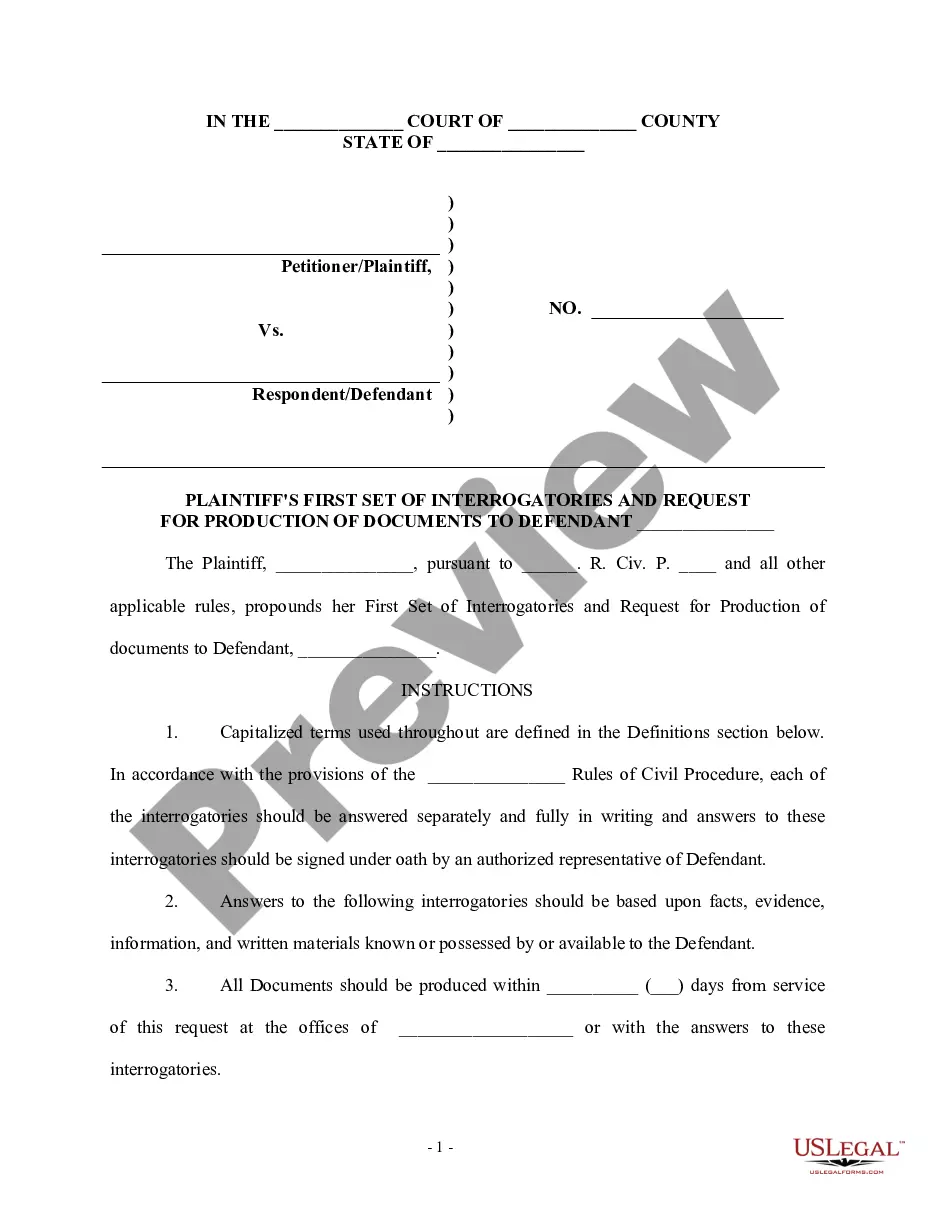
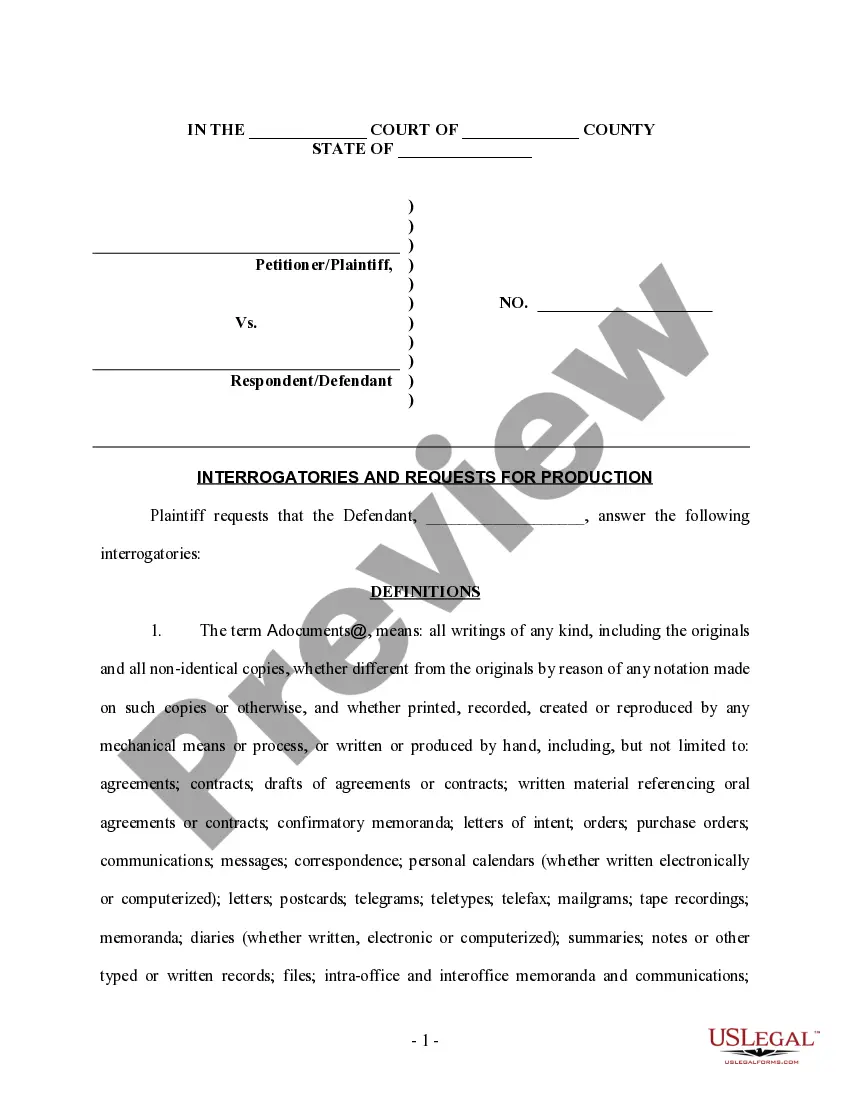
Get your form ready online
Our built-in tools help you complete, sign, share, and store your documents in one place.
Make edits, fill in missing information, and update formatting in US Legal Forms—just like you would in MS Word.
Download a copy, print it, send it by email, or mail it via USPS—whatever works best for your next step.
Sign and collect signatures with our SignNow integration. Send to multiple recipients, set reminders, and more. Go Premium to unlock E-Sign.
If this form requires notarization, complete it online through a secure video call—no need to meet a notary in person or wait for an appointment.
We protect your documents and personal data by following strict security and privacy standards.

Make edits, fill in missing information, and update formatting in US Legal Forms—just like you would in MS Word.

Download a copy, print it, send it by email, or mail it via USPS—whatever works best for your next step.

Sign and collect signatures with our SignNow integration. Send to multiple recipients, set reminders, and more. Go Premium to unlock E-Sign.

If this form requires notarization, complete it online through a secure video call—no need to meet a notary in person or wait for an appointment.

We protect your documents and personal data by following strict security and privacy standards.
Looking for another form?
Form popularity
FAQ
You must serve your response/answer within 30 days after service of the interrogatories or within 15 days after the date on which your initial pleading or motion is required, whichever is later. The answers must be made in writing under oath and signed by the answering party.
When you are ready to serve the opposing party with discovery requests or discovery responses, you will include a document called “Notice of Service of Discovery Material.” The Notice states the type of discovery material served, the date and manner of service, and the party or person served.
All parties are limited to 30 interrogatories (written questions) sent to any other one party in the case. You can view sample interrogatories in the Maryland Rules of Procedure. Maryland Rule of Procedure 2-421 controls how and when interrogatories are sent and responded to in circuit court cases.
You must respond by admitting, denying, or stating the reason for which you cannot truthfully admit or deny the admission. You may admit part of a request and deny the remainder. If you do not know the answer to a request, you must make a “reasonable inquiry” to answer the request.
TIME FOR FILING ANSWER. (a) General Rule. A party shall file an answer to an original complaint, counterclaim, cross-claim, or third-party claim within 30 days after being served, except as provided by sections (b) and (c) of this Rule.
Parties usually send their discovery requests and responses to the other party electronically, by email. But, parties may also send or respond to discovery requests by U.S. mail or a parcel service. Discovery requests and responses should not be sent to the Administrative Judge, except to support a motion.
A responding party has four options: (1) admit; (2) deny; (3) admit in part and deny in part; or (4) explain why the party is unable to answer. It is possible to object to all or part of a request as well, but courts do not like parties who play “word games” to avoid responding. Further, Civ.
Section 2033.290 - Motion compelling further response (a) On receipt of a response to requests for admissions, the party requesting admissions may move for an order compelling a further response if that party deems that either or both of the following apply: (1) An answer to a particular request is evasive or ...