Notice For Discovery And Inspection New York In Franklin
Description


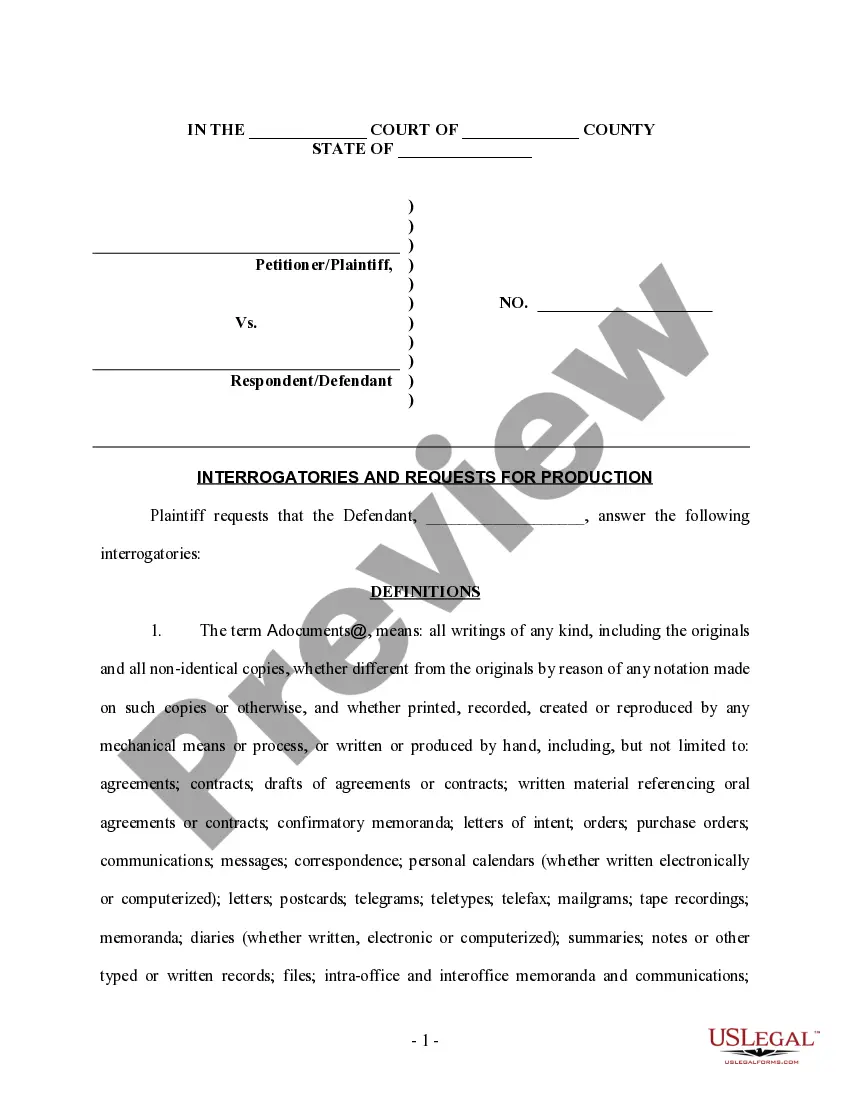
Get your form ready online
Our built-in tools help you complete, sign, share, and store your documents in one place.
Make edits, fill in missing information, and update formatting in US Legal Forms—just like you would in MS Word.
Download a copy, print it, send it by email, or mail it via USPS—whatever works best for your next step.
Sign and collect signatures with our SignNow integration. Send to multiple recipients, set reminders, and more. Go Premium to unlock E-Sign.
If this form requires notarization, complete it online through a secure video call—no need to meet a notary in person or wait for an appointment.
We protect your documents and personal data by following strict security and privacy standards.

Make edits, fill in missing information, and update formatting in US Legal Forms—just like you would in MS Word.

Download a copy, print it, send it by email, or mail it via USPS—whatever works best for your next step.

Sign and collect signatures with our SignNow integration. Send to multiple recipients, set reminders, and more. Go Premium to unlock E-Sign.

If this form requires notarization, complete it online through a secure video call—no need to meet a notary in person or wait for an appointment.

We protect your documents and personal data by following strict security and privacy standards.
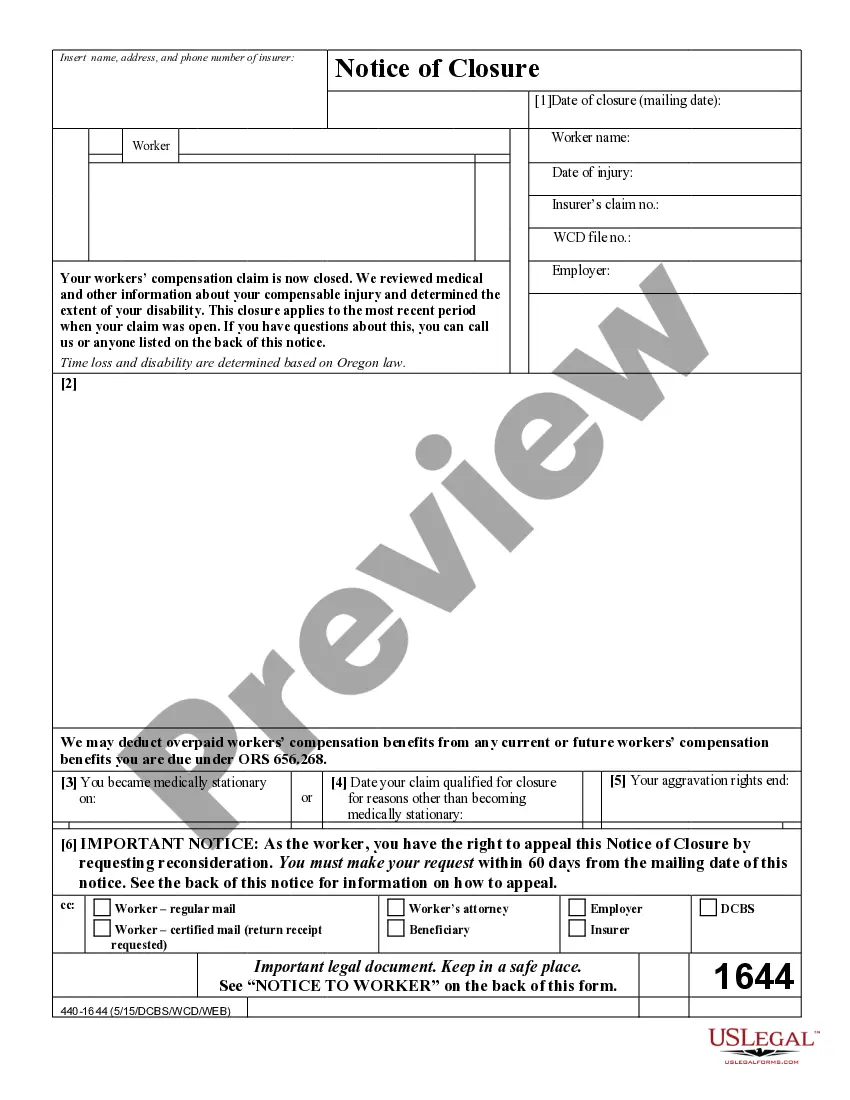
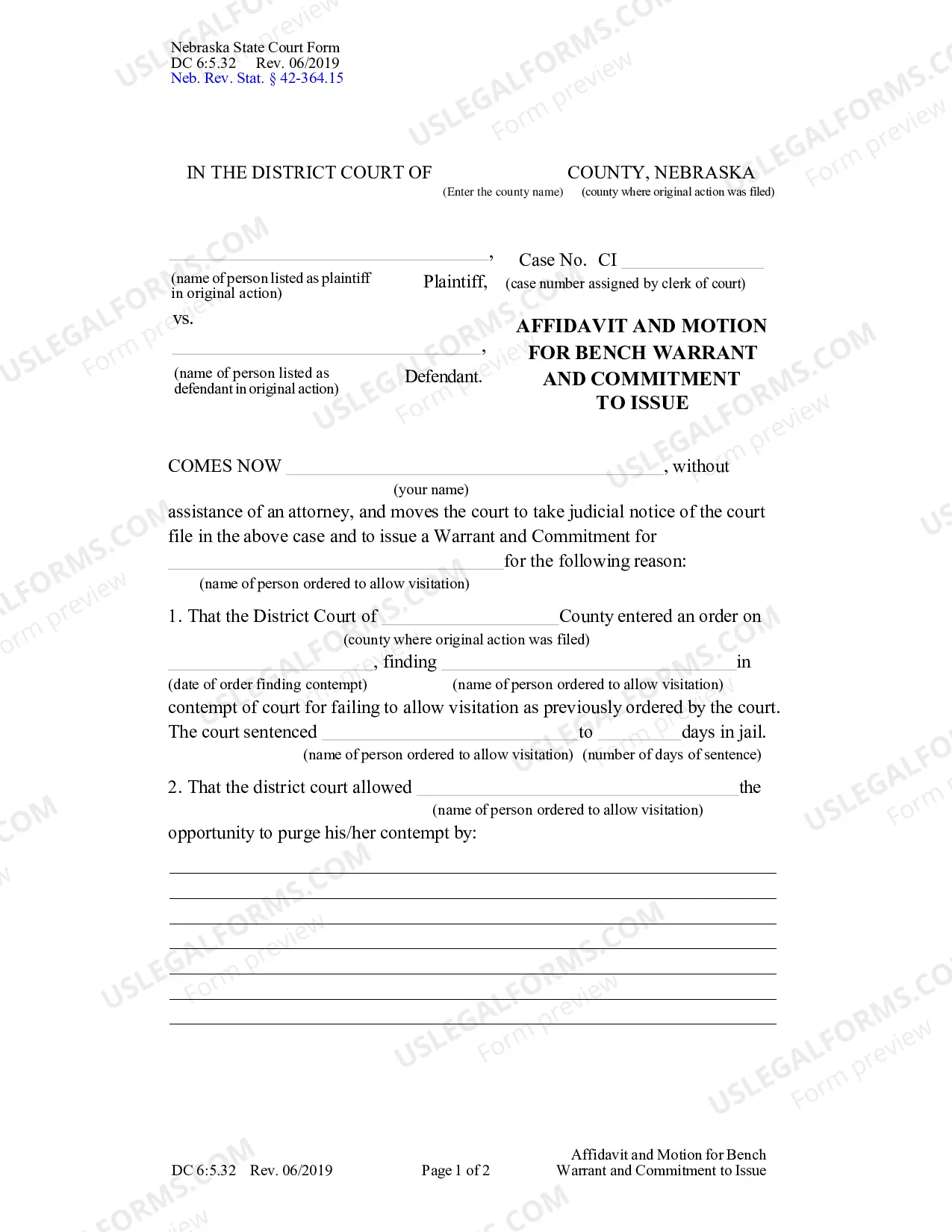
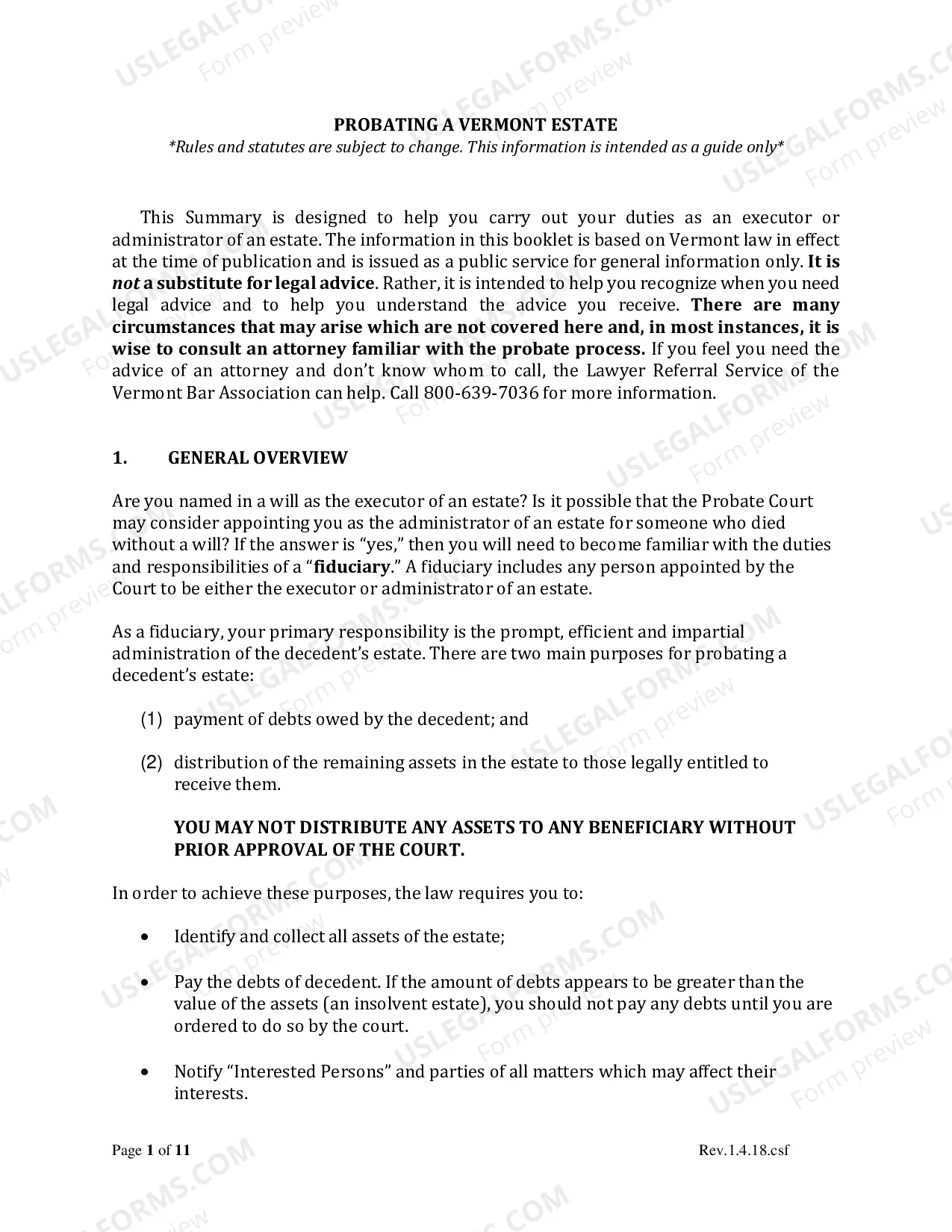
Looking for another form?


Form popularity
FAQ
Discovery is how you gather the evidence you will need to prove your case as plaintiff, or defeat the plaintiff's case as a defendant. You use discovery to find out things like: What the other side plans to say about an issue in your case. What facts or witnesses support their side.
“At the conclusion of other discovery and at least 30 days prior the discovery cut-off date,” parties may serve contention interrogatories (Comm'l Div. Rule 11-ad). Requests for admission are unlimited and can be served up to 20 days before trial; responses are due within 20 days (CPLR Section 3123a).
Do Most Cases Settle After Discovery? Many personal injury lawsuits conclude either during or at the end of the discovery phase. In many cases, the defendants don't want evidence against them revealed in court.
Discovery can be time-consuming, but it plays a vital role in litigation. It often leads to settlements by clarifying the facts and narrowing the issues in dispute. If your case does proceed to trial, discovery ensures that both sides are better prepared to present their arguments.
More complex lawsuits may require the parties to collect and analyze substantial evidence or depose numerous witnesses. In this case, the discovery process may last several months or even longer than a year.
A discovery response is essentially a choice that you make after receiving a request for information. The question then becomes, Should you comply or not?
Discovery is how you gather the evidence you will need to prove your case as plaintiff, or defeat the plaintiff's case as a defendant. You use discovery to find out things like: What the other side plans to say about an issue in your case. What facts or witnesses support their side.
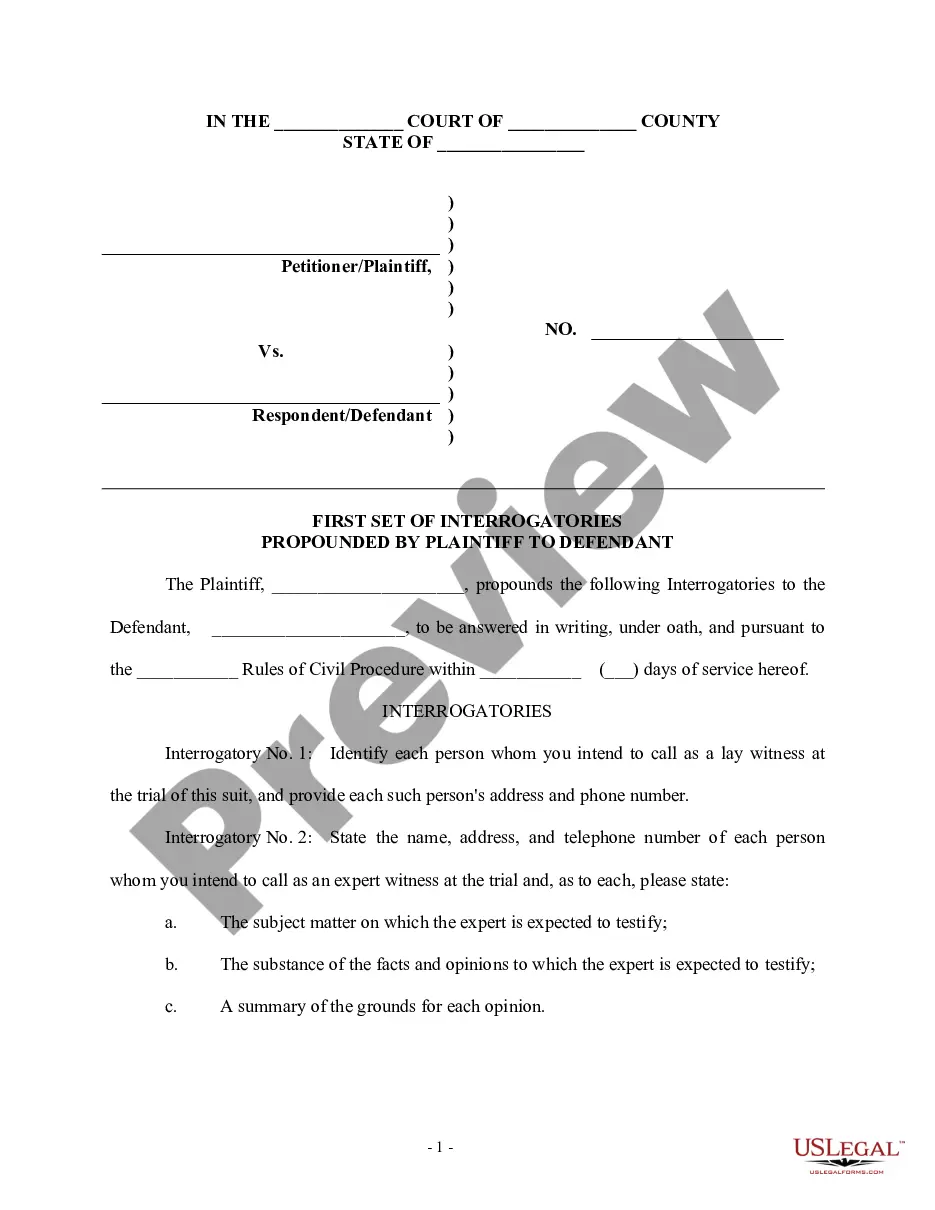
Interrogatories are written questions to which written responses are required. They are technically a "discovery device" that is used to get more information about facts in a lawsuit. Bill of Particulars are written questions that are intended to amplify the factual and claims made in a complaint or answer.
Discovery generally begins after the defendant files an answer, the parties hold a discovery planning conference, and the judge issues a scheduling order. The discovery process is designed to go forward between the parties with minimal court involvement.
The rule acknowledges that victims cannot sue for damages they are unaware of, and it adjusts the legal timeline ingly. This rule, however, is not without its limits. New York law specifies certain conditions under which the discovery rule applies, and understanding these specifics is crucial.