Notice Discovery Template With Lines In Florida
Description


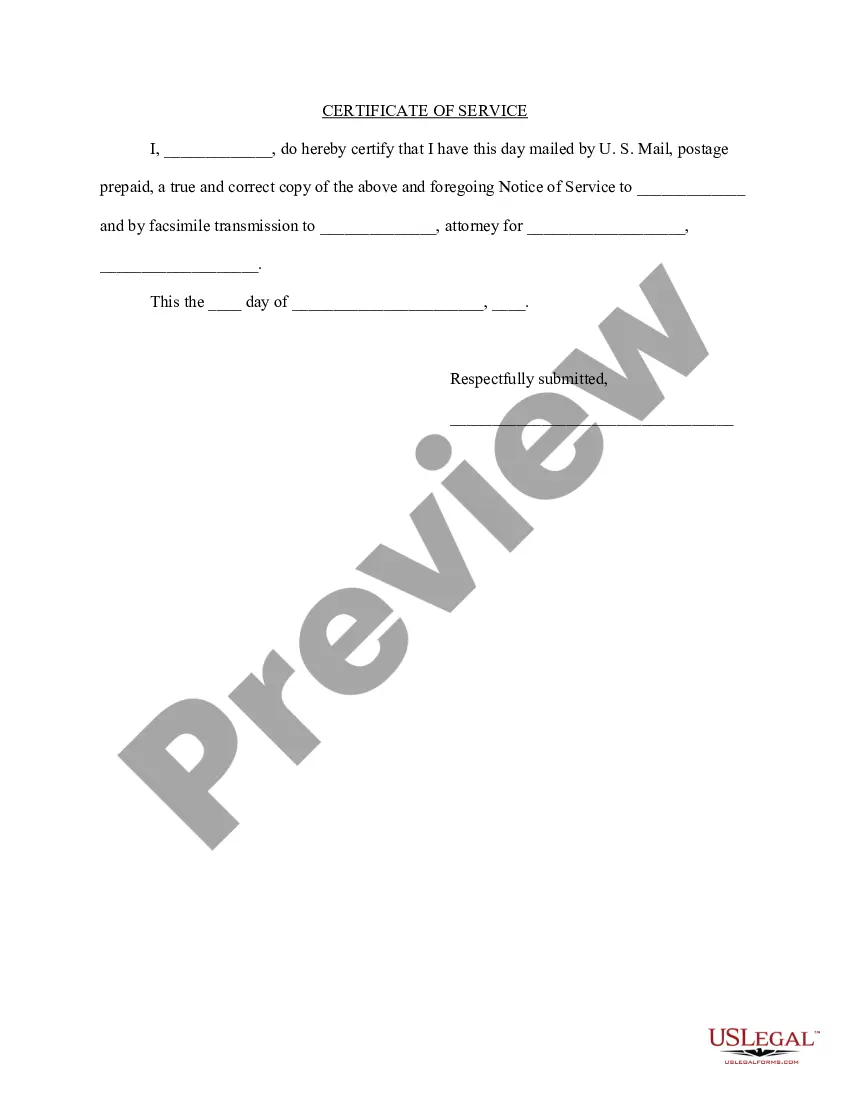
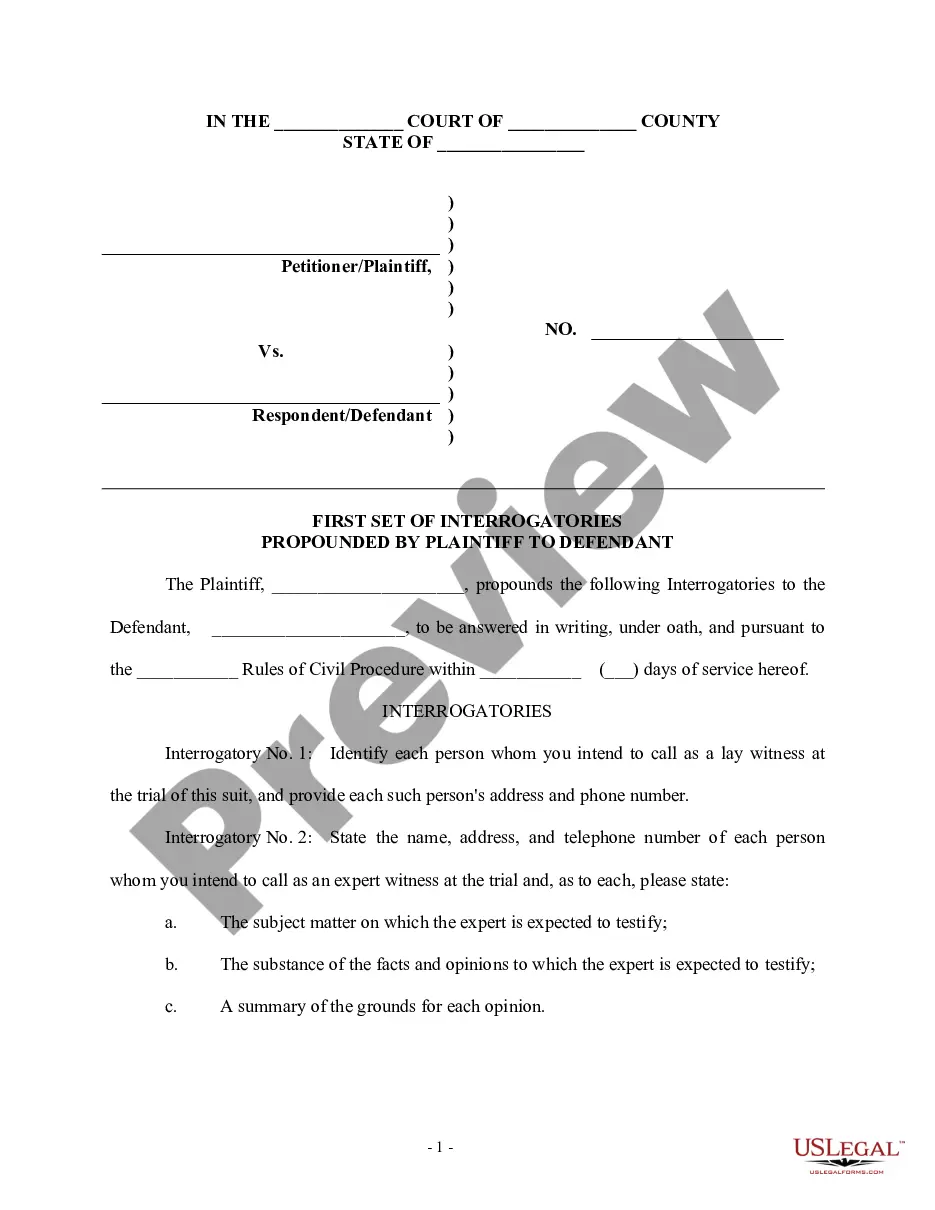
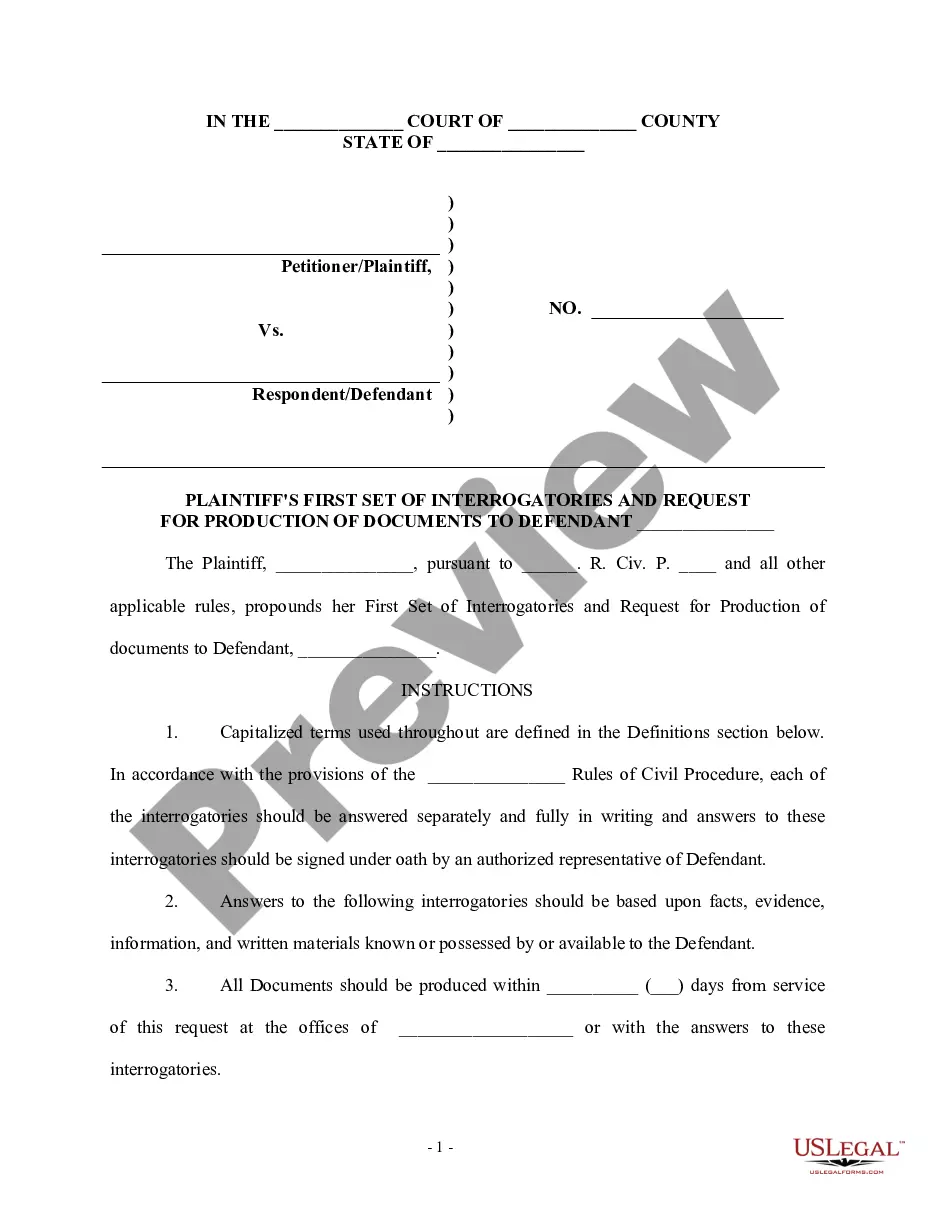
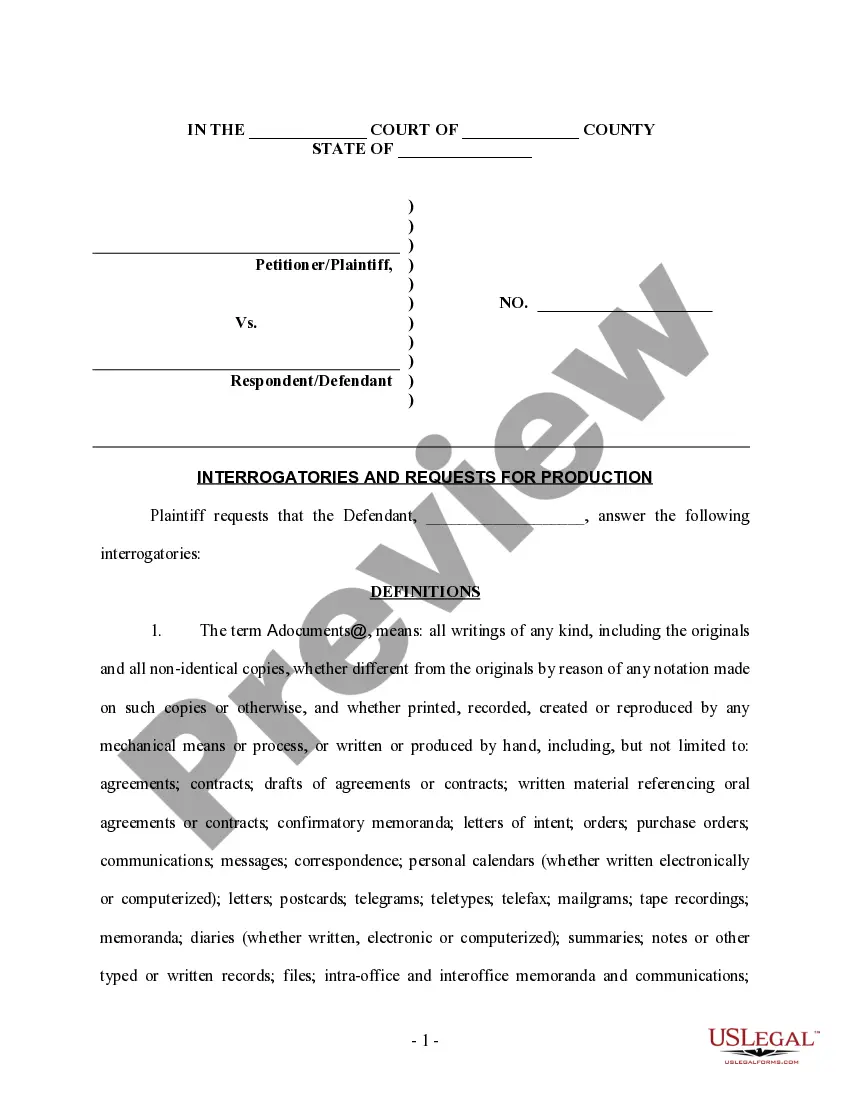
Get your form ready online
Our built-in tools help you complete, sign, share, and store your documents in one place.
Make edits, fill in missing information, and update formatting in US Legal Forms—just like you would in MS Word.
Download a copy, print it, send it by email, or mail it via USPS—whatever works best for your next step.
Sign and collect signatures with our SignNow integration. Send to multiple recipients, set reminders, and more. Go Premium to unlock E-Sign.
If this form requires notarization, complete it online through a secure video call—no need to meet a notary in person or wait for an appointment.
We protect your documents and personal data by following strict security and privacy standards.

Make edits, fill in missing information, and update formatting in US Legal Forms—just like you would in MS Word.

Download a copy, print it, send it by email, or mail it via USPS—whatever works best for your next step.

Sign and collect signatures with our SignNow integration. Send to multiple recipients, set reminders, and more. Go Premium to unlock E-Sign.

If this form requires notarization, complete it online through a secure video call—no need to meet a notary in person or wait for an appointment.

We protect your documents and personal data by following strict security and privacy standards.
Looking for another form?







Form popularity
FAQ
Under the Florida Rules of Civil Procedure, Rule 1.340, any party may serve upon any other party written interrogatories to be answered 1) by the party the interrogatories are directed to or 2) if that party is a public or private corporation, a partnership or association, or a governmental agency, by any officer or ...
Florida's statute of limitations for personal injury cases is generally two years from the date of the injury. However, the discovery rule allows for an exception: the statute of limitations may begin on the date you first discovered (or reasonably should have discovered) the injury.
Rule 1.370 Requests for Admission can be a powerful tool to narrow the disputed facts and issues in litigation. A request for admission may be utilized to conclusively establish the truth of any fact, opinion of fact, or application of law to fact.
Florida Rule of Civil Procedure 1.38,0 Failure to Make Discovery, Sanctions, informs in which court to enforce a litigator's discovery right, what orders to seek from the trial court, and sanctions that may eventually be available.
Unless so stipulated by the parties, no deposition shall be taken before a person who is a relative, employee, attorney, or counsel of any of the parties, is a relative or employee of any of the parties' attorney or counsel, or is financially interested in the action.
Parties may obtain discovery regarding any matter, not privileged, that is relevant to the subject matter of the pending action, whether it relates to the claim or defense of the party seeking discovery or the claim or defense of any other party, including the existence, description, nature, custody, condition, and ...
Rule 1.360 - EXAMINATION OF PERSONS (a)Request; Scope. (1) A party may request any other party to submit to, or to produce a person in that other party's custody or legal control for, examination by a qualified expert when the condition that is the subject of the requested examination is in controversy.
States like Florida allow extra time for the discovery of medical malpractice before the statute of limitations starts ticking precisely to account for these instances. This is known as the “discovery rule.”
The working group's professionalism proposal, Rule 1.279: Standards of Conduct for Discovery, cautions against “surprise tactics, delay, trickery, and concealment of discoverable information” and reminds attorneys that “not meeting discovery obligations by delay, obstructing the truth, or failing to be candid with the ...
Rule 1.250 - MISJOINDER AND NONJOINDER OF PARTIES (a) Misjoinder. Misjoinder of parties is not a ground for dismissal of an action. Any claim against a party may be severed and proceeded with separately.