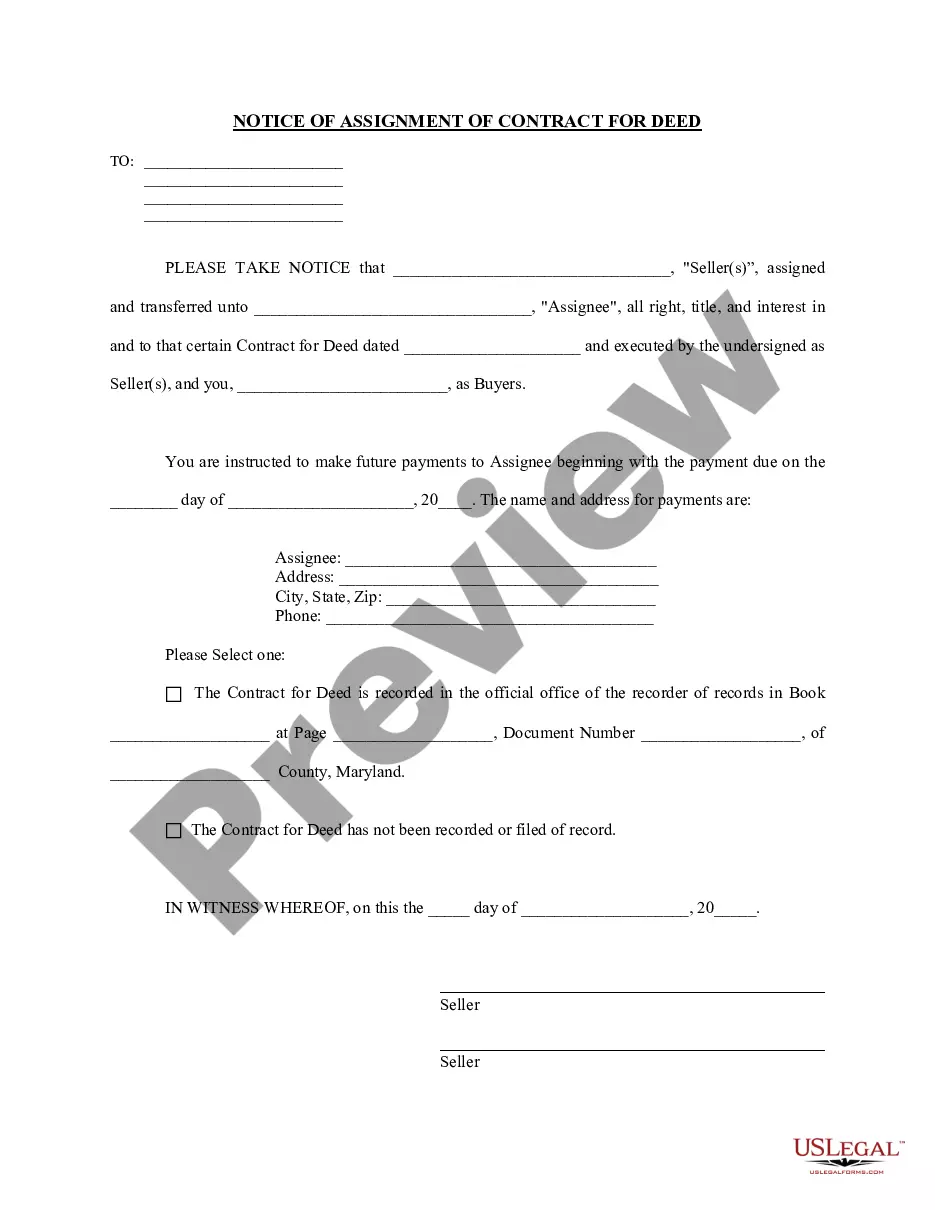
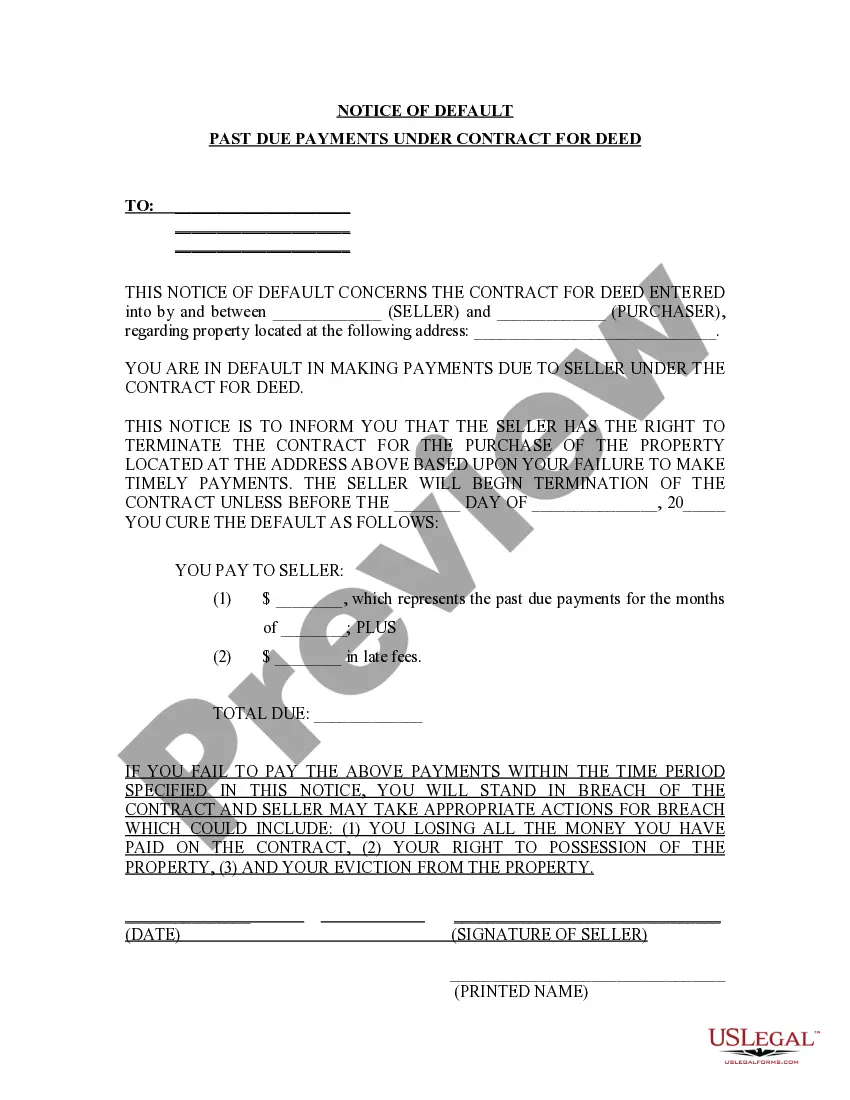
Notice Of Discovery \u0026amp; Specific Demand For Information In Chicago
Description

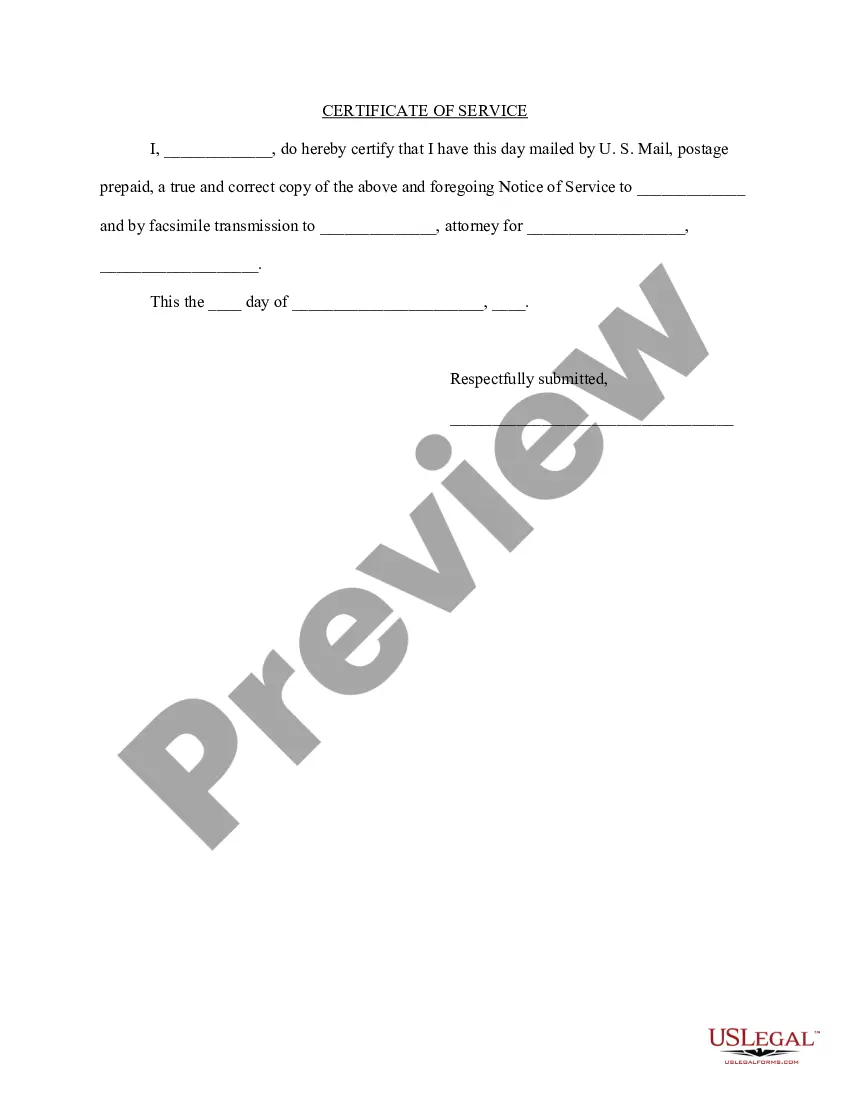
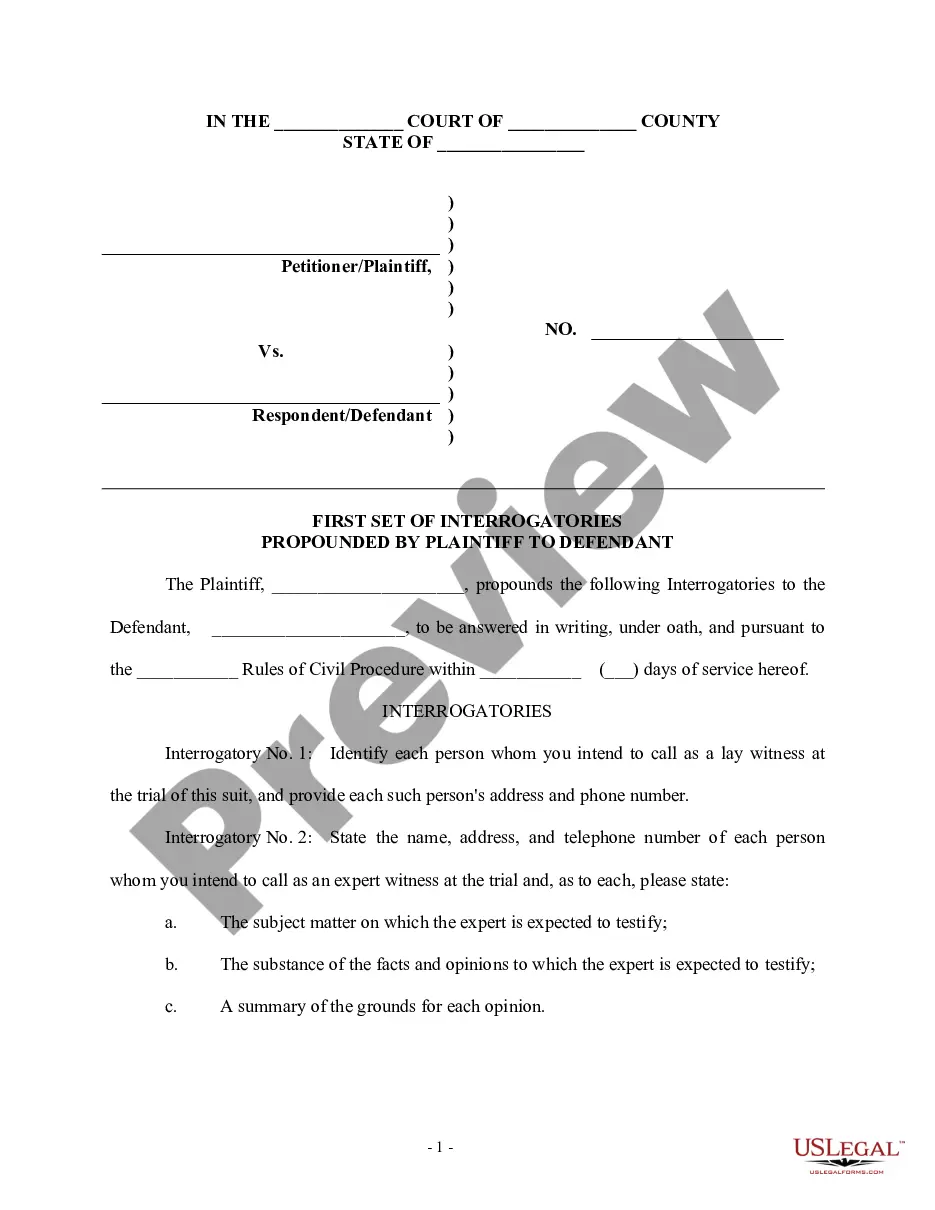

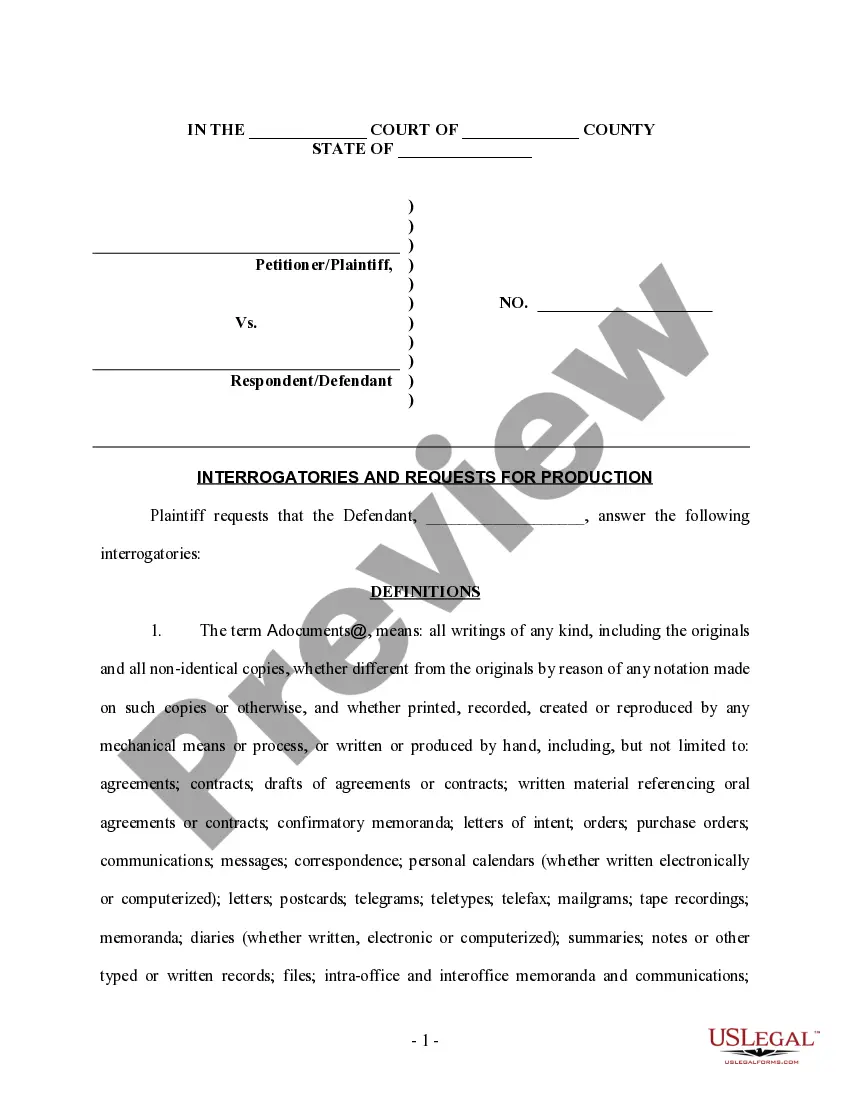
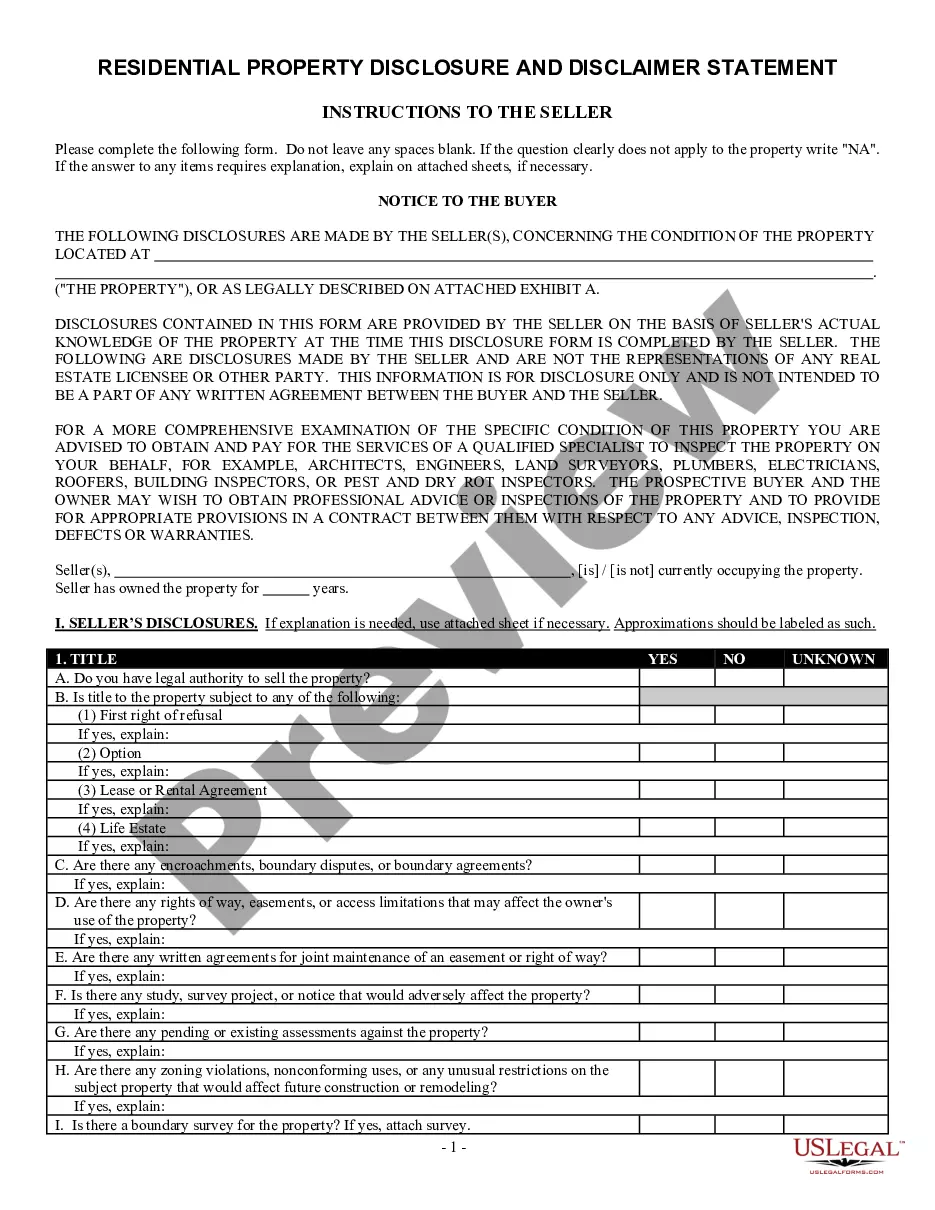
Get your form ready online
Our built-in tools help you complete, sign, share, and store your documents in one place.
Make edits, fill in missing information, and update formatting in US Legal Forms—just like you would in MS Word.
Download a copy, print it, send it by email, or mail it via USPS—whatever works best for your next step.
Sign and collect signatures with our SignNow integration. Send to multiple recipients, set reminders, and more. Go Premium to unlock E-Sign.
If this form requires notarization, complete it online through a secure video call—no need to meet a notary in person or wait for an appointment.
We protect your documents and personal data by following strict security and privacy standards.

Make edits, fill in missing information, and update formatting in US Legal Forms—just like you would in MS Word.

Download a copy, print it, send it by email, or mail it via USPS—whatever works best for your next step.

Sign and collect signatures with our SignNow integration. Send to multiple recipients, set reminders, and more. Go Premium to unlock E-Sign.

If this form requires notarization, complete it online through a secure video call—no need to meet a notary in person or wait for an appointment.

We protect your documents and personal data by following strict security and privacy standards.
Looking for another form?
Form popularity
FAQ
A discovery response is essentially a choice that you make after receiving a request for information. The question then becomes, Should you comply or not?
One of the tools that a knowledgeable criminal defense attorney will use to defend your rights is the pre-trial discovery process when the defense can file a “Demand for Discovery and Inspection” requesting that the prosecution share its evidence with the defense. This can include: Witness lists.
Conclusion: Following discovery, the lawsuit needs a final conclusion. Most cases settle, with mediation being the most common means of reaching settlement. If settlement efforts fail, then the final outcome is determined by trial.
A. Discovery Motions The Court believes that parties can and should work out most discovery disputes and thus discourages the filing of discovery motions. The Court will not hear or consider any discovery motions unless the parties have complied with the meet and confer requirement under Local Rule 37.2 .
Under Illinois Supreme Court Rule 201(k), the attorneys or litigants must resolve their discovery issues before bringing a motion to the court asking to compel responses to the discovery.
Persons or entities so named as respondents in discovery shall be required to respond to discovery by the plaintiff in the same manner as are defendants and may, on motion of the plaintiff, be added as defendants if the evidence discloses the existence of probable cause for such action.
Requests to produce This could also include a request for access to a building. The requesting party must include a due date for the response. This timeline cannot be less than 28 days. The party who receives the request must copy and provide the documents like they are normally kept.
Within 28 days after service of the interrogatories upon the party to whom they are directed, the party shall serve a sworn answer or an objection to each interrogatory, with proof of service upon all other parties entitled to notice.
Illinois law allows for some latitude in the statute of limitations on personal injury actions through what is commonly known as the "discovery rule." The discovery rule allows the statute of limitations to be extended from the time of the injury to the time of the discovery of the injury.
All dates set for the disclosure of witnesses, including rebuttal witnesses, and the completion of discovery shall be chosen to ensure that discovery will be completed not later than 60 days before the date on which the trial comt reasonably anticipates that trial will commence, unless otherwise agreed by the parties.