Settlement Confirmation Letter Without Prejudice In Maryland
Description


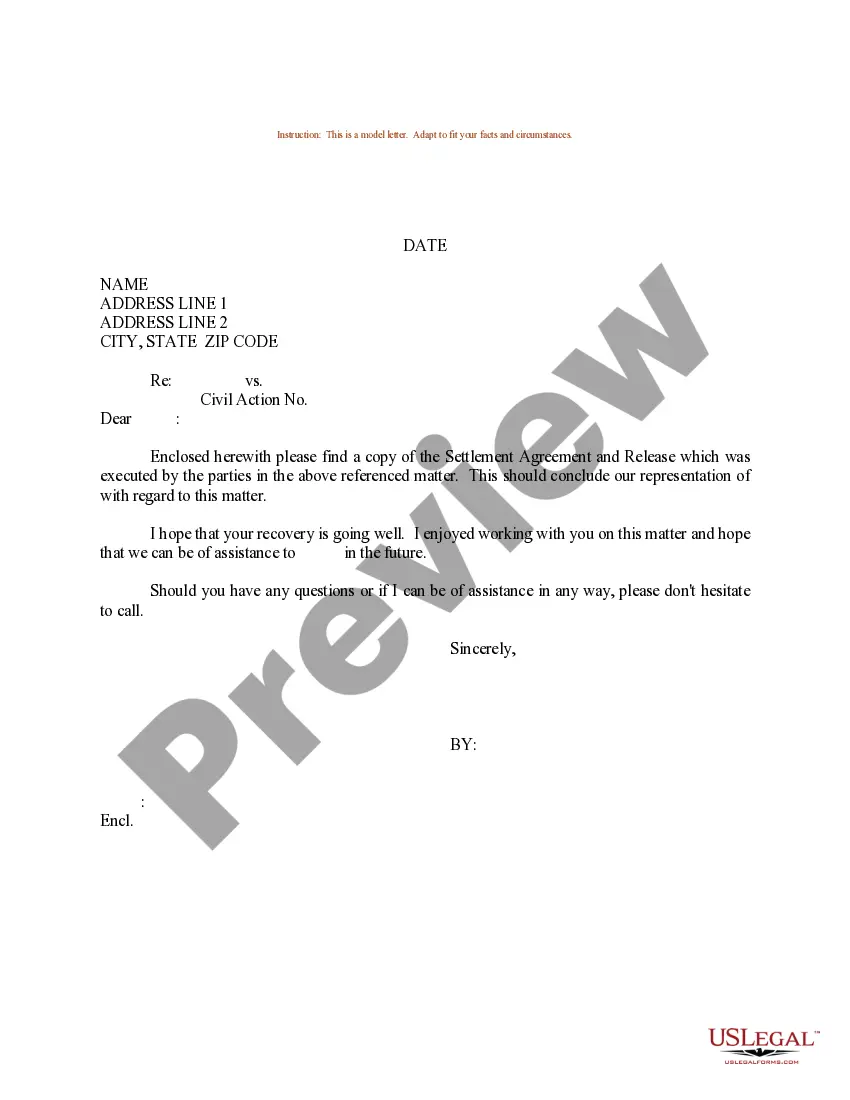
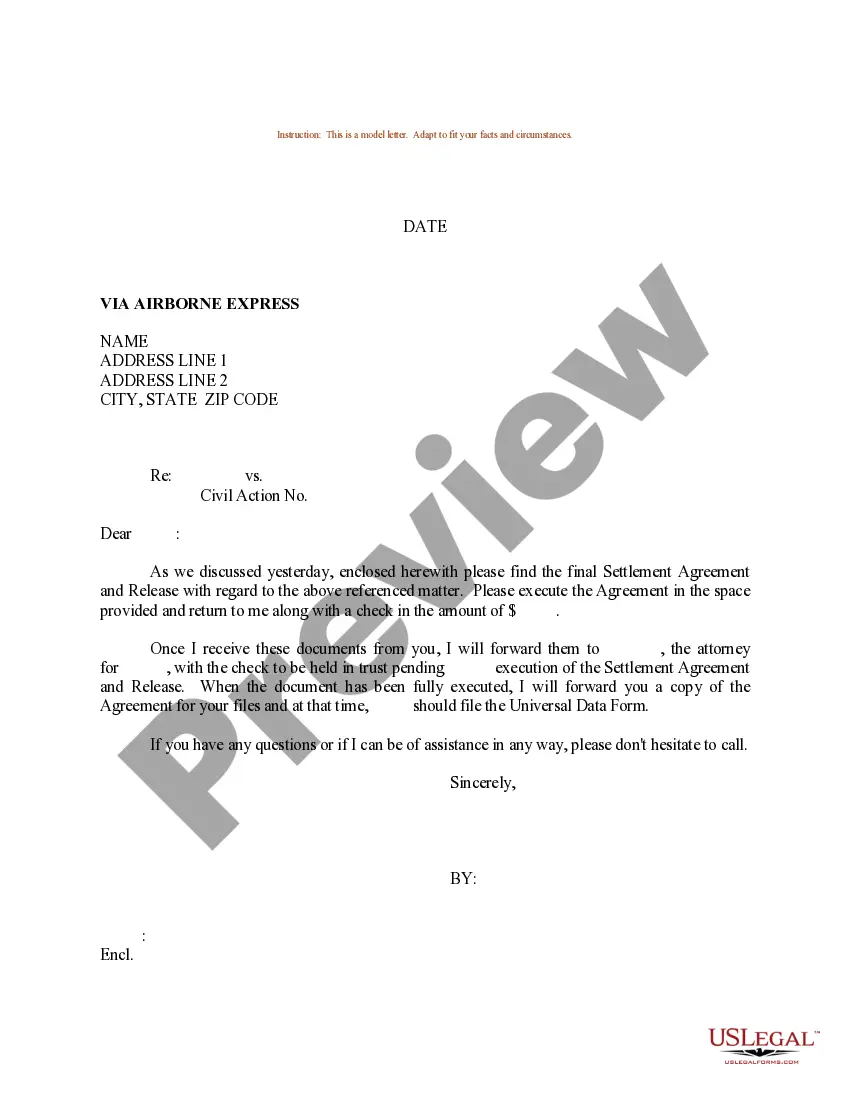
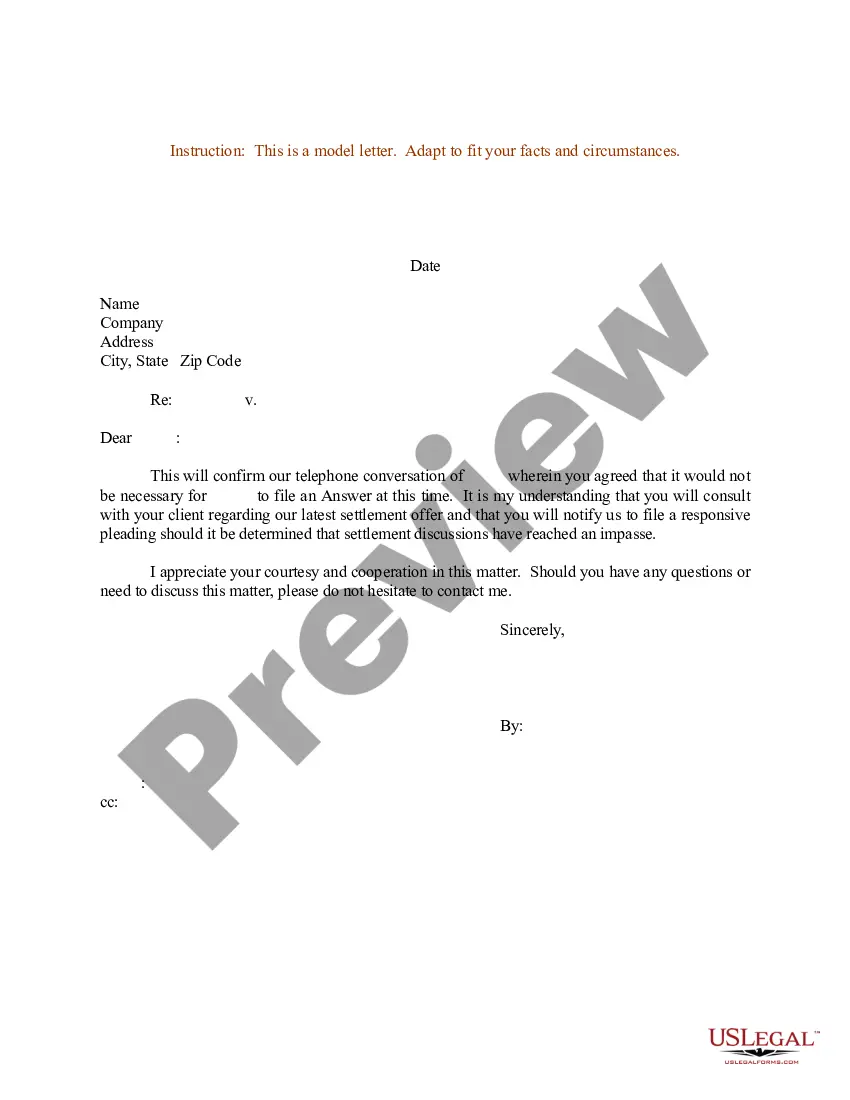
Get your form ready online
Our built-in tools help you complete, sign, share, and store your documents in one place.
Make edits, fill in missing information, and update formatting in US Legal Forms—just like you would in MS Word.
Download a copy, print it, send it by email, or mail it via USPS—whatever works best for your next step.
Sign and collect signatures with our SignNow integration. Send to multiple recipients, set reminders, and more. Go Premium to unlock E-Sign.
If this form requires notarization, complete it online through a secure video call—no need to meet a notary in person or wait for an appointment.
We protect your documents and personal data by following strict security and privacy standards.

Make edits, fill in missing information, and update formatting in US Legal Forms—just like you would in MS Word.

Download a copy, print it, send it by email, or mail it via USPS—whatever works best for your next step.

Sign and collect signatures with our SignNow integration. Send to multiple recipients, set reminders, and more. Go Premium to unlock E-Sign.

If this form requires notarization, complete it online through a secure video call—no need to meet a notary in person or wait for an appointment.

We protect your documents and personal data by following strict security and privacy standards.
Looking for another form?
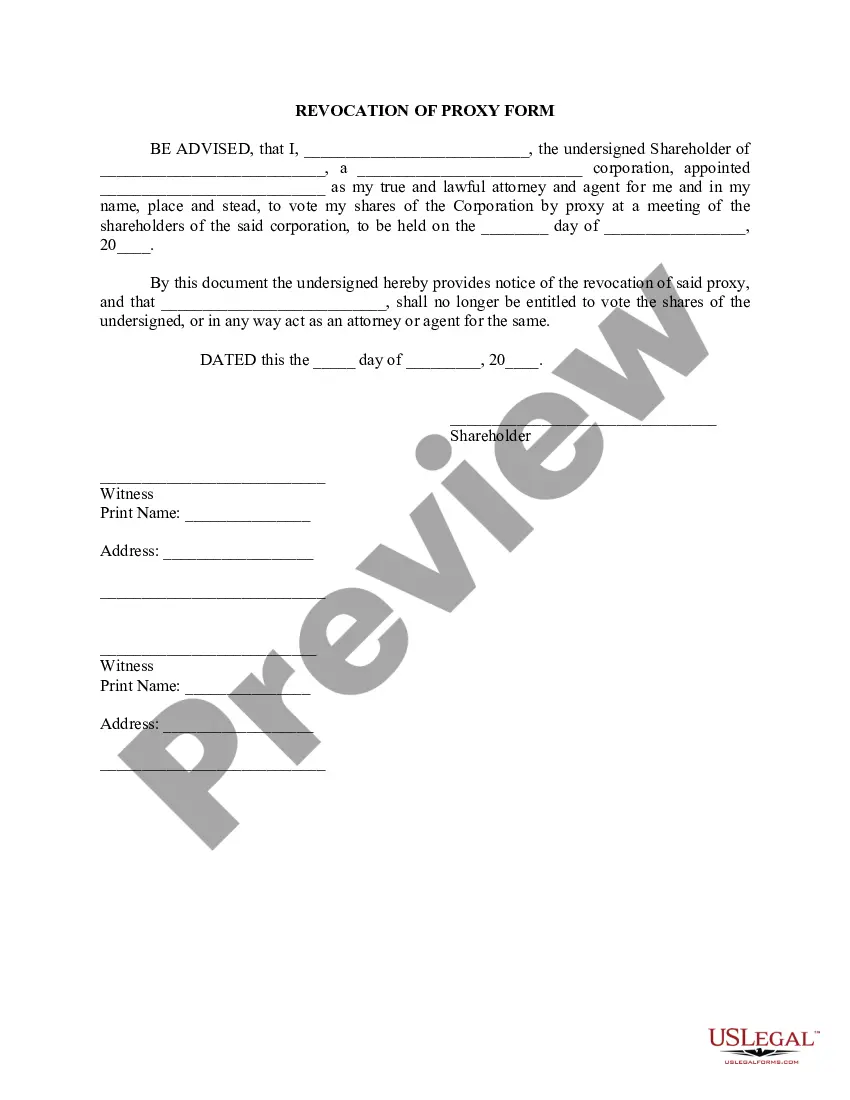
Form popularity
FAQ
Whereas a case that is dismissed “with prejudice” is dismissed permanently, a case that is dismissed “without prejudice” is only dismissed temporarily. This temporary dismissal means that the plaintiff is allowed to re-file charges, alter the claim, or bring the case to another court.
A case dismissed with prejudice is over and done with, once and for all, and can't be brought back to court. A case dismissed without prejudice means the opposite. It's not dismissed forever. The person whose case it is can try again.
Unless otherwise specified in the notice of dismissal, stipulation, or order of court, a dismissal is without prejudice, except that a notice of dismissal operates as an adjudication upon the merits when filed by a party who has previously dismissed in any court of any state or in any court of the United States an ...
It held that the voluntary dismissal of a federal lawsuit without prejudice, under Federal Rule of Civil Procedure 41(a), qualifies as a “final judgment, order, or proceeding” under Rule 60(b), which permits relief from final judgments. As a result, a court could reopen a case at a later date.
How long can a case be dismissed without prejudice? A case can be dismissed without prejudice for as long as it takes the plaintiff to file a new case for the same claim. If the statute of limitations expires before the plaintiff files a new case, they might not have legal grounds to open up the new case.
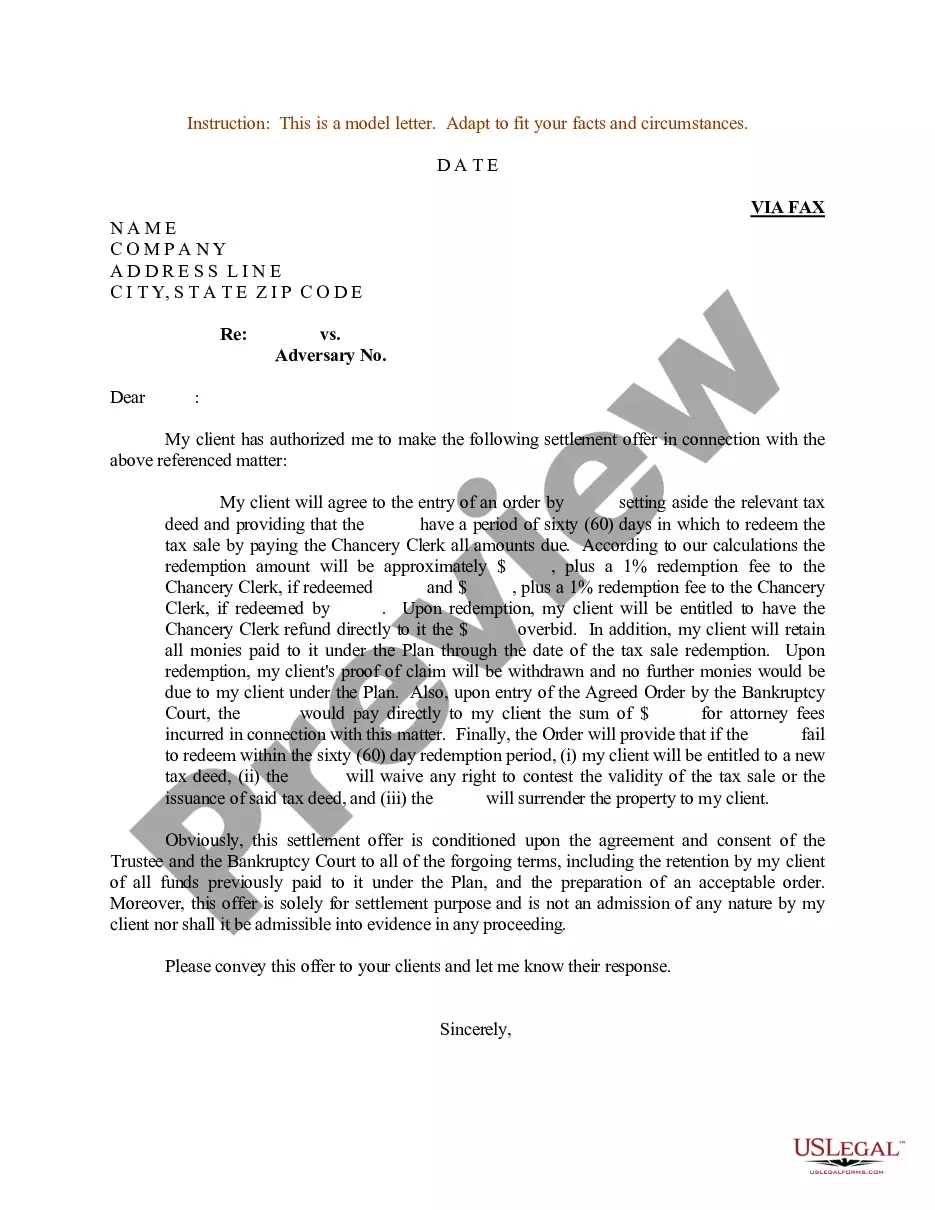
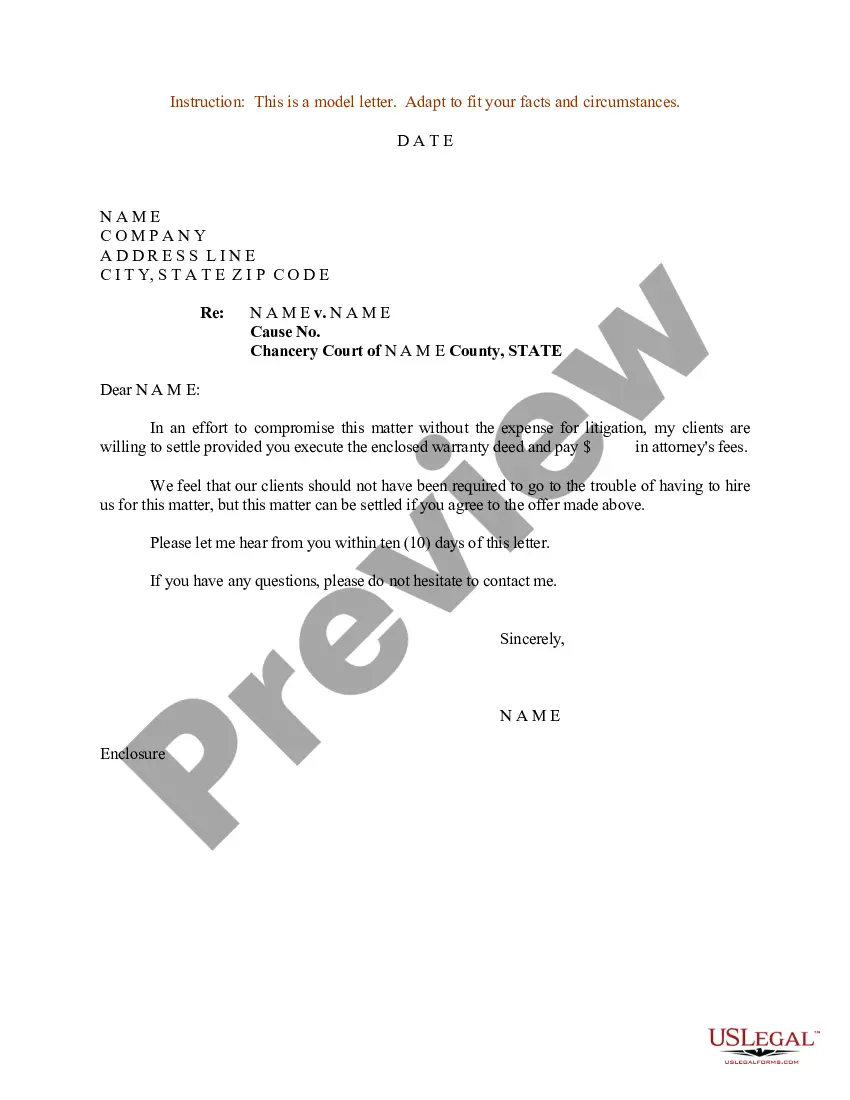
What does without prejudice mean? 'Without prejudice' is a legal term used to describe written or verbal communications aimed at settling disputes which cannot later be referred to in court. During attempts to settle a dispute, emails, letters and conversations are often defined as without prejudice.
Communications marked as 'without prejudice' cannot be used by the other party as evidence in court. This means that parties can speak openly about the matters in dispute without the risk of the other party using that information against them later.
The without prejudice (WP) rule will generally prevent statements made in a genuine attempt to settle an existing dispute, whether made in writing or orally, from being put before the court as evidence of admissions against the interests of the party which made them.
Unless otherwise specified in the notice of dismissal, stipulation, or order of court, a dismissal is without prejudice, except that a notice of dismissal operates as an adjudication upon the merits when filed by a party who has previously dismissed in any court of any state or in any court of the United States an ...
What is a 'without prejudice offer'? A 'without prejudice offer' is when an insurer offers to settle a claim without formally accepting liability for your injury or illness. A without prejudice offer signals a willingness to co-operate and reach a financial settlement without further legal proceedings.