Habeas Corpus Petition Form With Motion In Los Angeles
Description

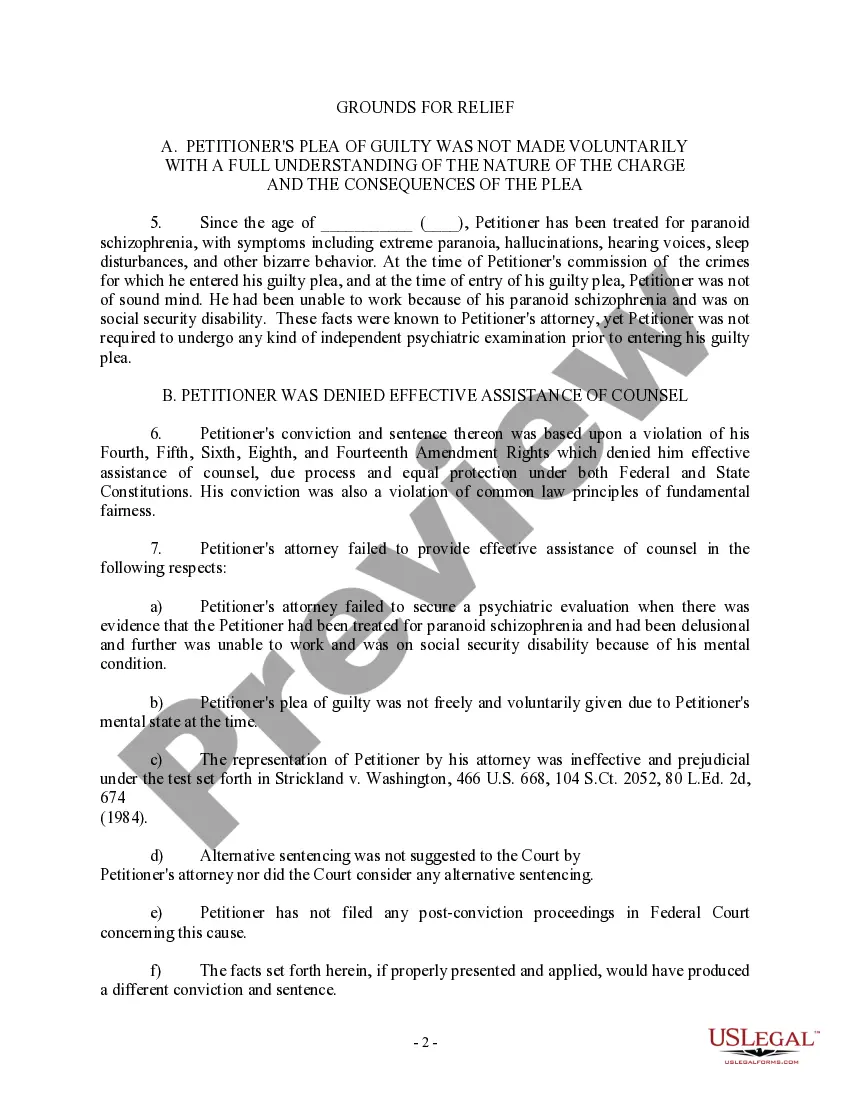
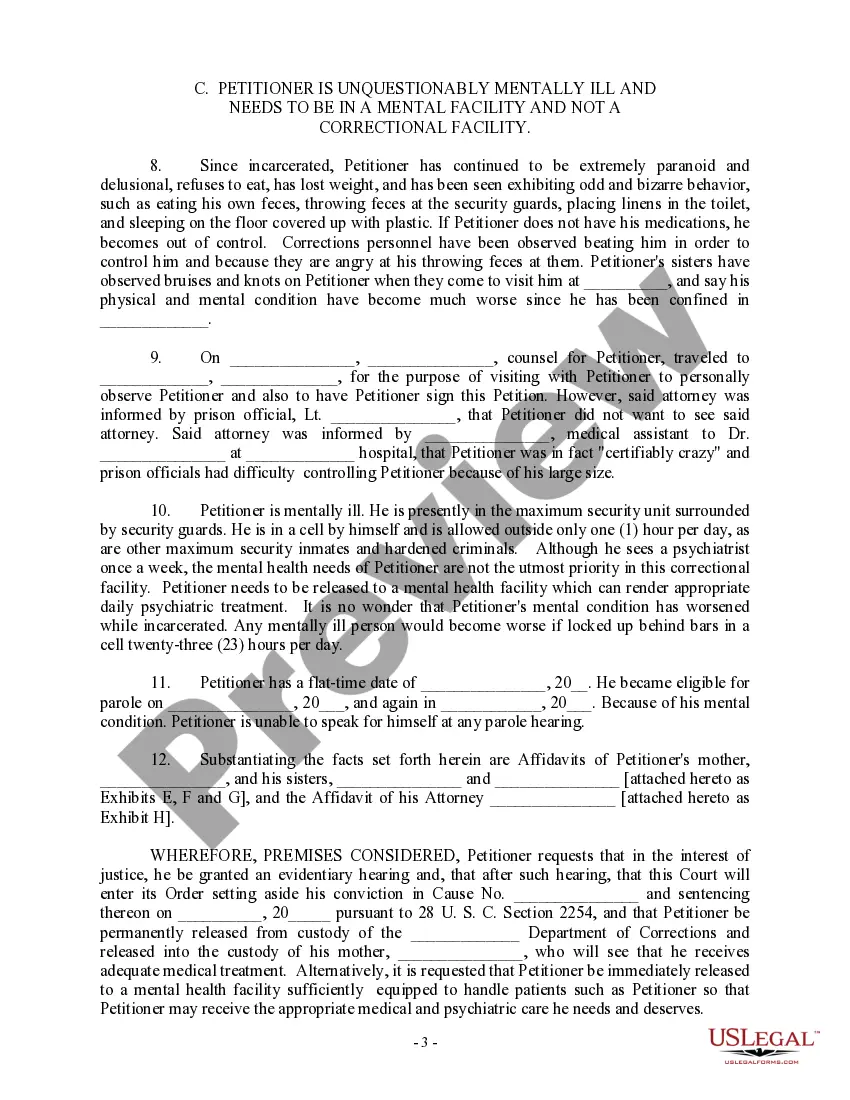
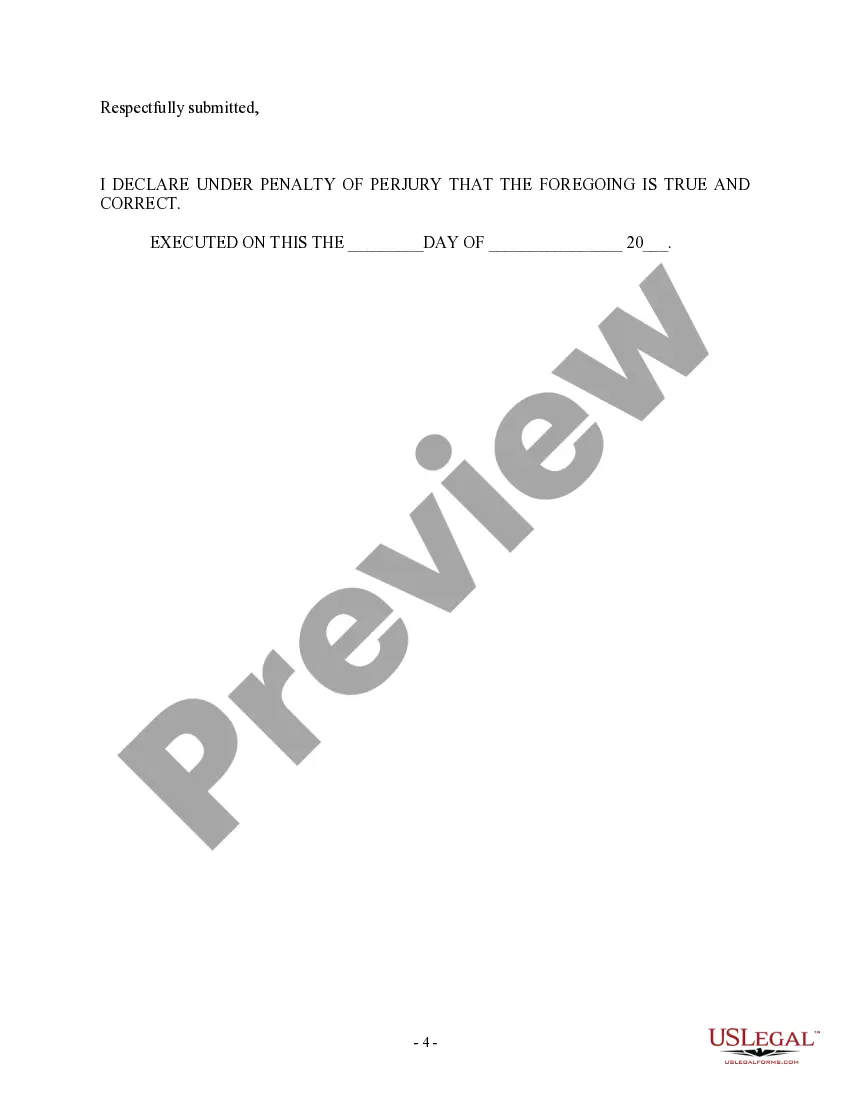
Get your form ready online
Our built-in tools help you complete, sign, share, and store your documents in one place.
Make edits, fill in missing information, and update formatting in US Legal Forms—just like you would in MS Word.
Download a copy, print it, send it by email, or mail it via USPS—whatever works best for your next step.
Sign and collect signatures with our SignNow integration. Send to multiple recipients, set reminders, and more. Go Premium to unlock E-Sign.
If this form requires notarization, complete it online through a secure video call—no need to meet a notary in person or wait for an appointment.
We protect your documents and personal data by following strict security and privacy standards.

Make edits, fill in missing information, and update formatting in US Legal Forms—just like you would in MS Word.

Download a copy, print it, send it by email, or mail it via USPS—whatever works best for your next step.

Sign and collect signatures with our SignNow integration. Send to multiple recipients, set reminders, and more. Go Premium to unlock E-Sign.

If this form requires notarization, complete it online through a secure video call—no need to meet a notary in person or wait for an appointment.

We protect your documents and personal data by following strict security and privacy standards.
Looking for another form?

Form popularity
FAQ
There is no specific deadline for filing initial habeas petitions in non-capital cases, but they should be filed promptly in a timely fashion, which typically means within a few months of the reply deadline in the direct appeal.
A writ of habeas corpus is used to bring a prisoner or other detainee (e.g. institutionalized mental patient) before the court to determine if the person's imprisonment or detention is lawful. A habeas petition proceeds as a civil action against the State agent (usually a warden) who holds the defendant in custody.
Section 2241 of Title 28 of the United States Code (“28 U.S.C. § 2241”) permits courts to issue writs of habeas corpus where a prisoner establishes that he is in custody in violation of the Constitution or laws or treaties of the United States.
Federal prisoners may file two different kinds of motions for post-conviction relief: "Section 2255 motions" and "Section 2241 habeas corpus petitions." Prisoners may file motions under 28 U.S.C.
A: 28 USC 2241 should be used for challenges related to the execution of the sentence, while section 2255 should be used to attack the validity of the conviction. Any challenge to conditions of confinement is properly brought under 28 USC 2241.
California Code, Penal Code - PEN § 1473. (a) A person unlawfully imprisoned or restrained of their liberty, under any pretense, may prosecute a writ of habeas corpus to inquire into the cause of the imprisonment or restraint.
The petitioner, typically through an attorney, files a writ of habeas corpus to the relevant court, usually the California Superior Court, and the arguments as to why the petitioner has been illegally detained. The petitioner's lawyer files a writ of habeas corpus to explain why they have been illegally detained.
(A) On filing, the clerk of the court must immediately deliver the petition to the presiding judge or his or her designee. The court must rule on a petition for writ of habeas corpus within 60 days after the petition is filed.
There are currently four options to file court papers at the correct courthouse: In person. By mail. Online. Drop-off box.
