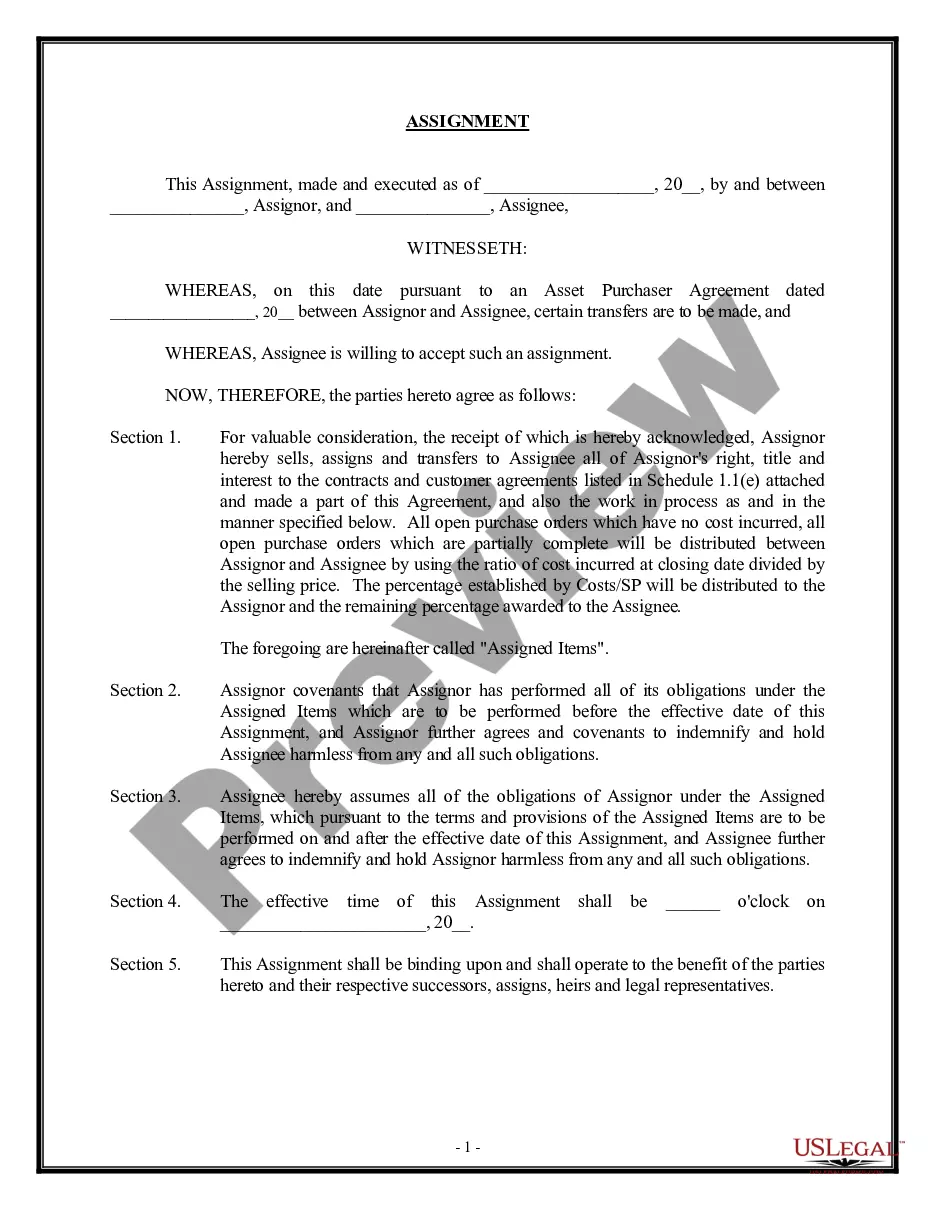
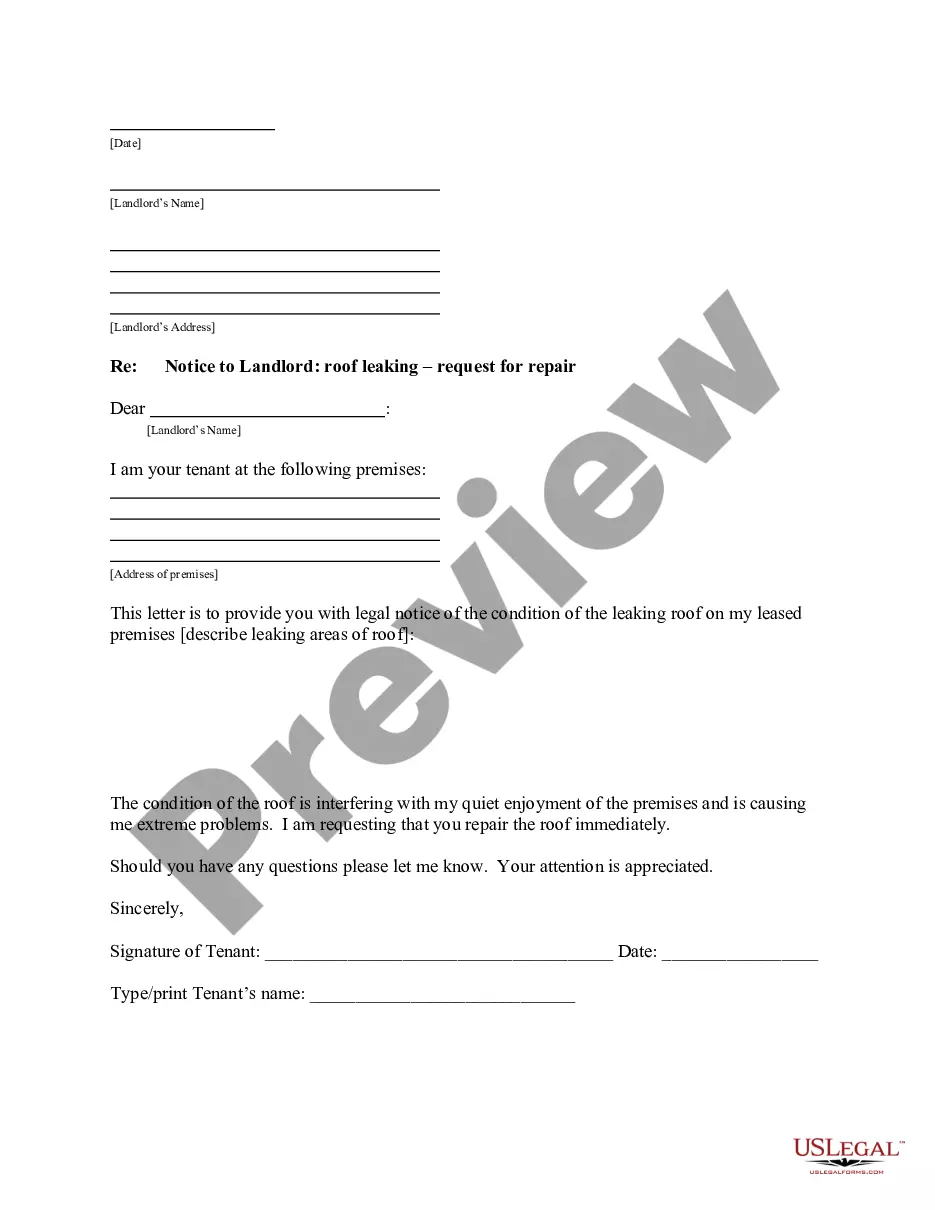
Assignment On Transaction Processing System In Hillsborough
Description



Get your form ready online
Our built-in tools help you complete, sign, share, and store your documents in one place.
Make edits, fill in missing information, and update formatting in US Legal Forms—just like you would in MS Word.
Download a copy, print it, send it by email, or mail it via USPS—whatever works best for your next step.
Sign and collect signatures with our SignNow integration. Send to multiple recipients, set reminders, and more. Go Premium to unlock E-Sign.
If this form requires notarization, complete it online through a secure video call—no need to meet a notary in person or wait for an appointment.
We protect your documents and personal data by following strict security and privacy standards.

Make edits, fill in missing information, and update formatting in US Legal Forms—just like you would in MS Word.

Download a copy, print it, send it by email, or mail it via USPS—whatever works best for your next step.

Sign and collect signatures with our SignNow integration. Send to multiple recipients, set reminders, and more. Go Premium to unlock E-Sign.

If this form requires notarization, complete it online through a secure video call—no need to meet a notary in person or wait for an appointment.

We protect your documents and personal data by following strict security and privacy standards.
Looking for another form?

Form popularity
FAQ
Transaction processing systems generally go through a five-stage cycle of 1) Data entry activities 2) Transaction processing activities 3) File and database processing 4) Document and report generation 5) Inquiry processing activities.
Key steps in automated invoice processing include: Data extraction: Automatically extracting relevant data from invoices. Validation: Validating extracted data against predefined rules for accuracy. Approval routing: Routing invoices for approval based on predefined workflows.
Applications and Examples Texting - Most of us are familiar with the idea of texting; we use it every day. We enter a message at the prompt, press 'send', and the message is transferred to our intended recipient or recipients. Each time 'send' is pressed, a transaction is created, transmitted, and processed.
There are six steps in processing a transaction. They are data entry, data validation, data pro- cessing and revalidation, storage, - output generation, and query support.
Transaction processing systems generally go through a five-stage cycle of 1) Data entry activities 2) Transaction processing activities 3) File and database processing 4) Document and report generation 5) Inquiry processing activities.
There are many different types of transaction processing systems, such as payroll, inventory control, order entry, accounts payable, accounts receivable and others.
Transaction processing systems generally go through a five-stage cycle of 1) Data entry activities 2) Transaction processing activities 3) File and database processing 4) Document and report generation 5) Inquiry processing activities.
A Transaction Processing System (TPS) is an information system that collects, stores, modifies, and retrieves the data transactions of an enterprise. Transaction processing systems also attempt to provide predictable response times to requests, although this is not as critical as real-time systems.
Different examples of transaction processing include automated teller machines, credit card authorizations, online bill payments, self-checkout stations at grocery stores, the trading of stocks over the Internet, and various other forms of electronic commerce.
