Annual General Meeting Corporate Governance Checklist For Shareholders In Florida
Description


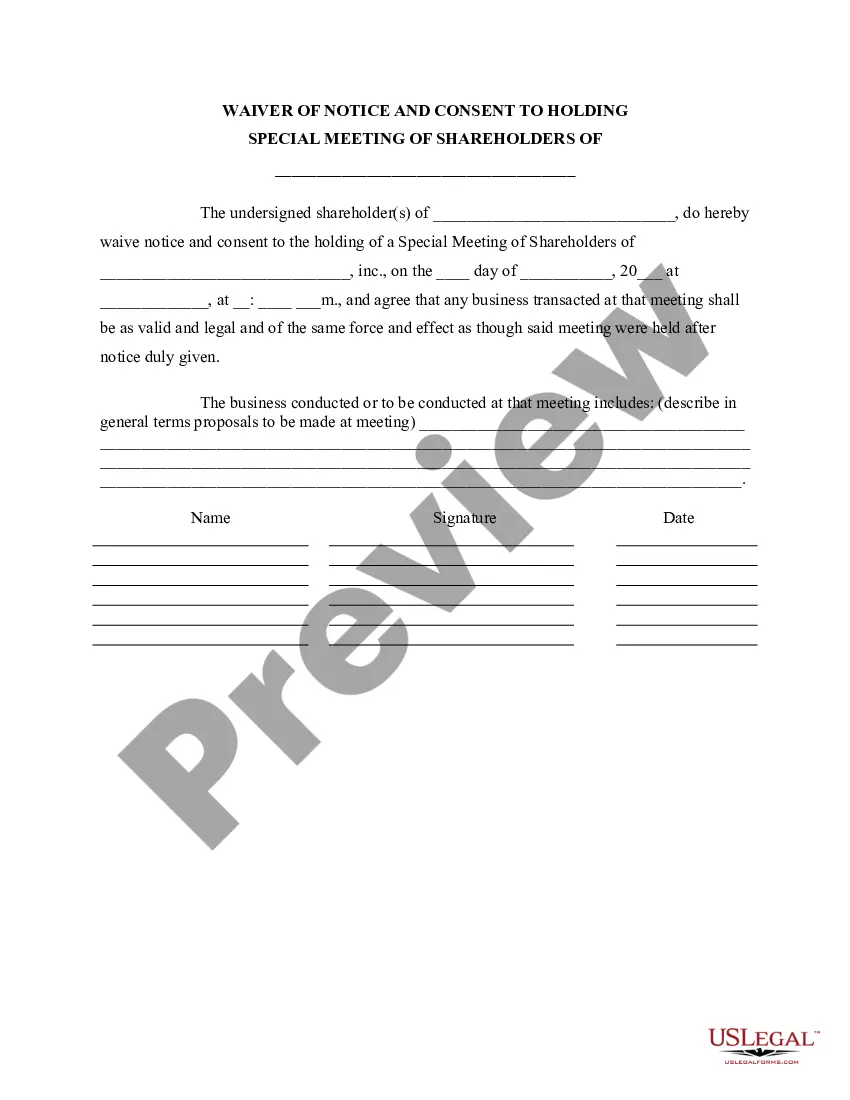
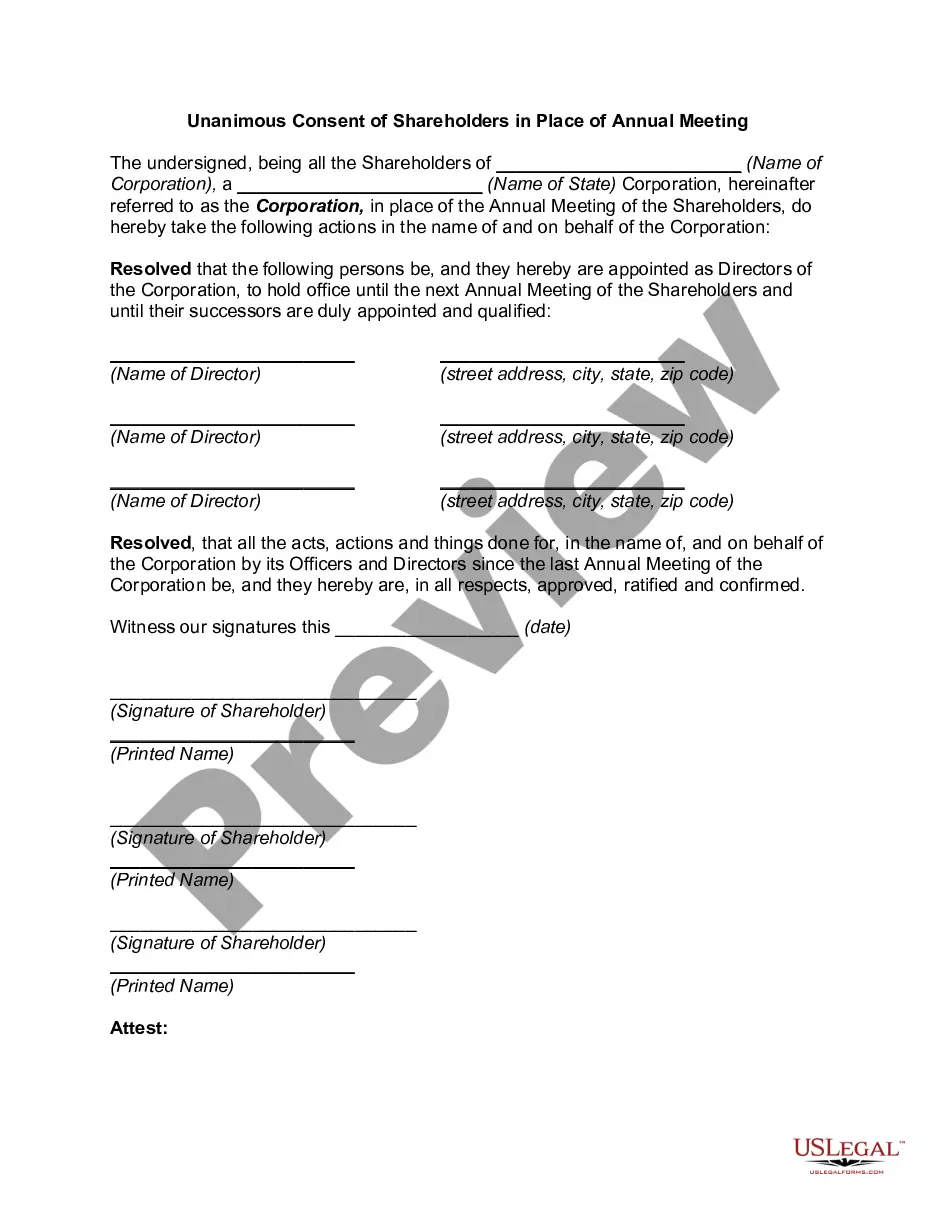
Get your form ready online
Our built-in tools help you complete, sign, share, and store your documents in one place.
Make edits, fill in missing information, and update formatting in US Legal Forms—just like you would in MS Word.
Download a copy, print it, send it by email, or mail it via USPS—whatever works best for your next step.
Sign and collect signatures with our SignNow integration. Send to multiple recipients, set reminders, and more. Go Premium to unlock E-Sign.
If this form requires notarization, complete it online through a secure video call—no need to meet a notary in person or wait for an appointment.
We protect your documents and personal data by following strict security and privacy standards.

Make edits, fill in missing information, and update formatting in US Legal Forms—just like you would in MS Word.

Download a copy, print it, send it by email, or mail it via USPS—whatever works best for your next step.

Sign and collect signatures with our SignNow integration. Send to multiple recipients, set reminders, and more. Go Premium to unlock E-Sign.

If this form requires notarization, complete it online through a secure video call—no need to meet a notary in person or wait for an appointment.

We protect your documents and personal data by following strict security and privacy standards.
Looking for another form?
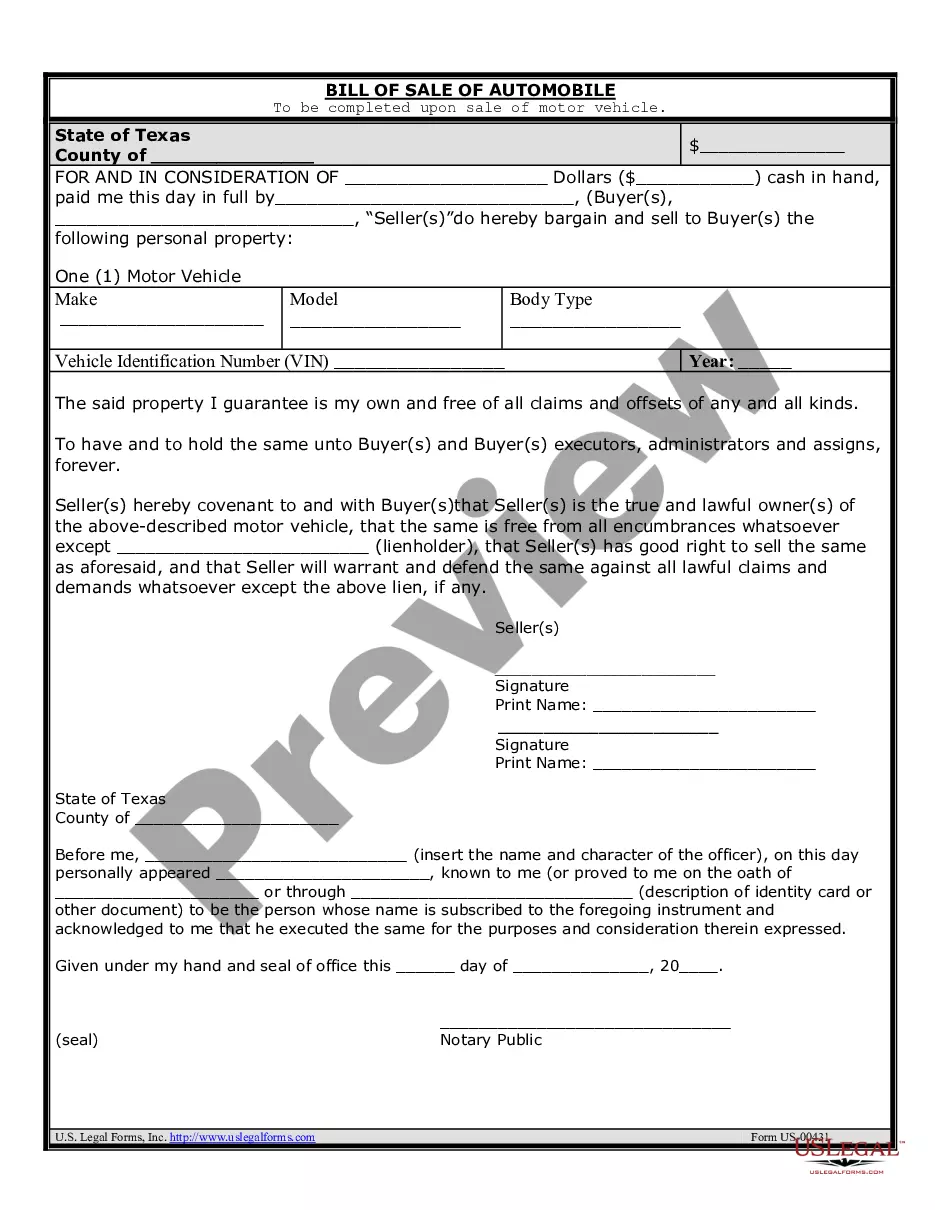
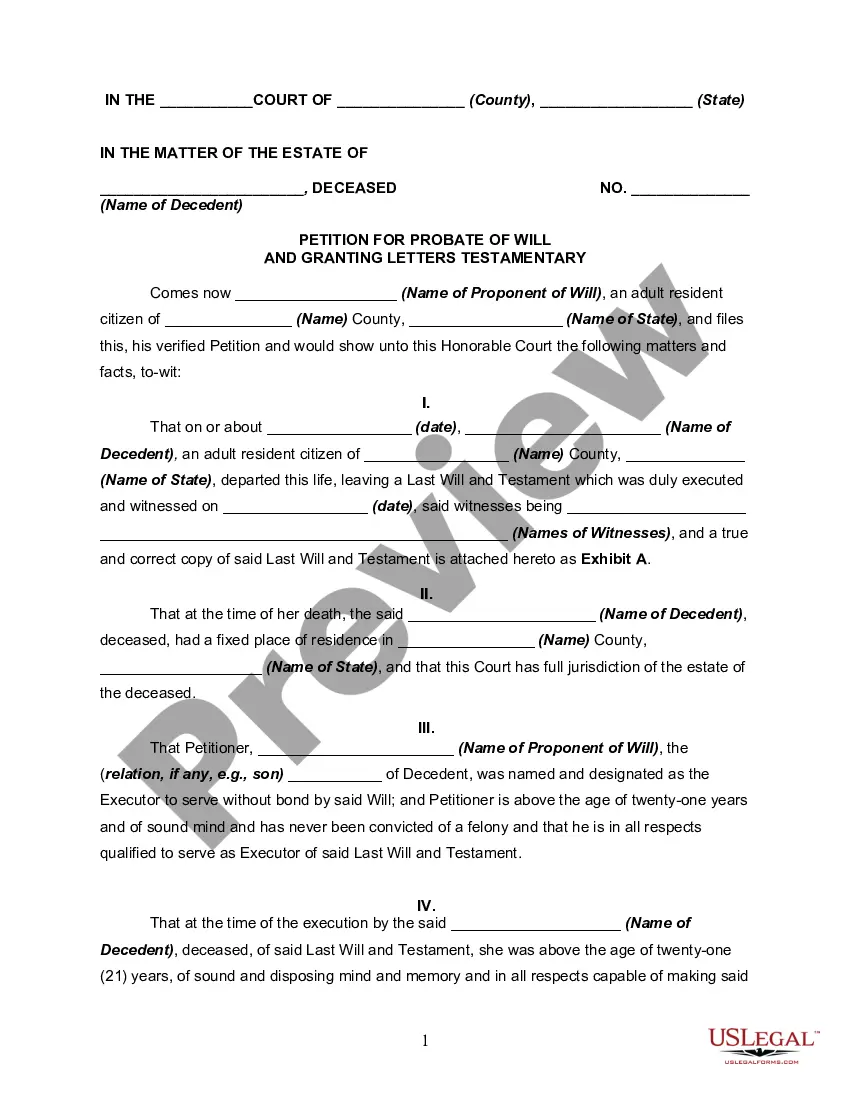



Form popularity
FAQ
The Annual General Meeting of Shareholders makes certain fundamental decisions concerning, for example, the appropriation of retained earnings, whether to formally accept the acts of the Executive Board and the Executive Board in the past year, and whom to appoint as the auditor.
The business covered at an AGM may include, but isn't restricted to, the following: The annual financial report. The Director's report. Auditors report. Voting: Election of directors. Passing of resolutions. The appointing of the auditor.
An AGM (also known as an annual shareholder meeting) is a yearly meeting between shareholders and board members where they gather to: Discuss business matters. Review financial statements. Address resolutions. Elect or remove board directors.
General Overview In exercising its authority, the GMS must pass resolutions that require a specific mandatory quorum. The quorum may be at least, or more than: (i) a half; (ii) two thirds; (iii) or three quarters of all of the issued shares with valid voting rights.
A public company must call an AGM each year within the period of six months beginning with the day following its accounting reference date. A private company is not required to hold an AGM, but it may choose to do so or it may have provisions in its articles of association that require it to do so.
Prepare financial reports, previous AGM minutes, president's report, secretary's report, and treasurer's report. Distribute reports for General Business on time, with both electronic and physical copies. Identify and approach potential Executive committee members well ahead of the AGM.
An AGM is a mandatory annual meeting of shareholders. At the AGM, your company will present its financial statements (also known as "accounts") before the shareholders (also known as "members") so that they can raise any queries regarding the financial position of the company.
Key Takeaways While AGMs focus on routine governance and accountability, EGMs provide a mechanism for addressing urgent or significant issues that arise between annual meetings.
An AGM is a mandatory annual meeting of shareholders. At the AGM, your company will present its financial statements (also known as "accounts") before the shareholders (also known as "members") so that they can raise any queries regarding the financial position of the company.
Decision Making: AGMs are essential for making important decisions about the company's future. Shareholders vote on matters such as the appointment of auditors, the declaration of dividends, and the election of directors.

