Consumer Protection Agency For Jss3 In Houston
Description
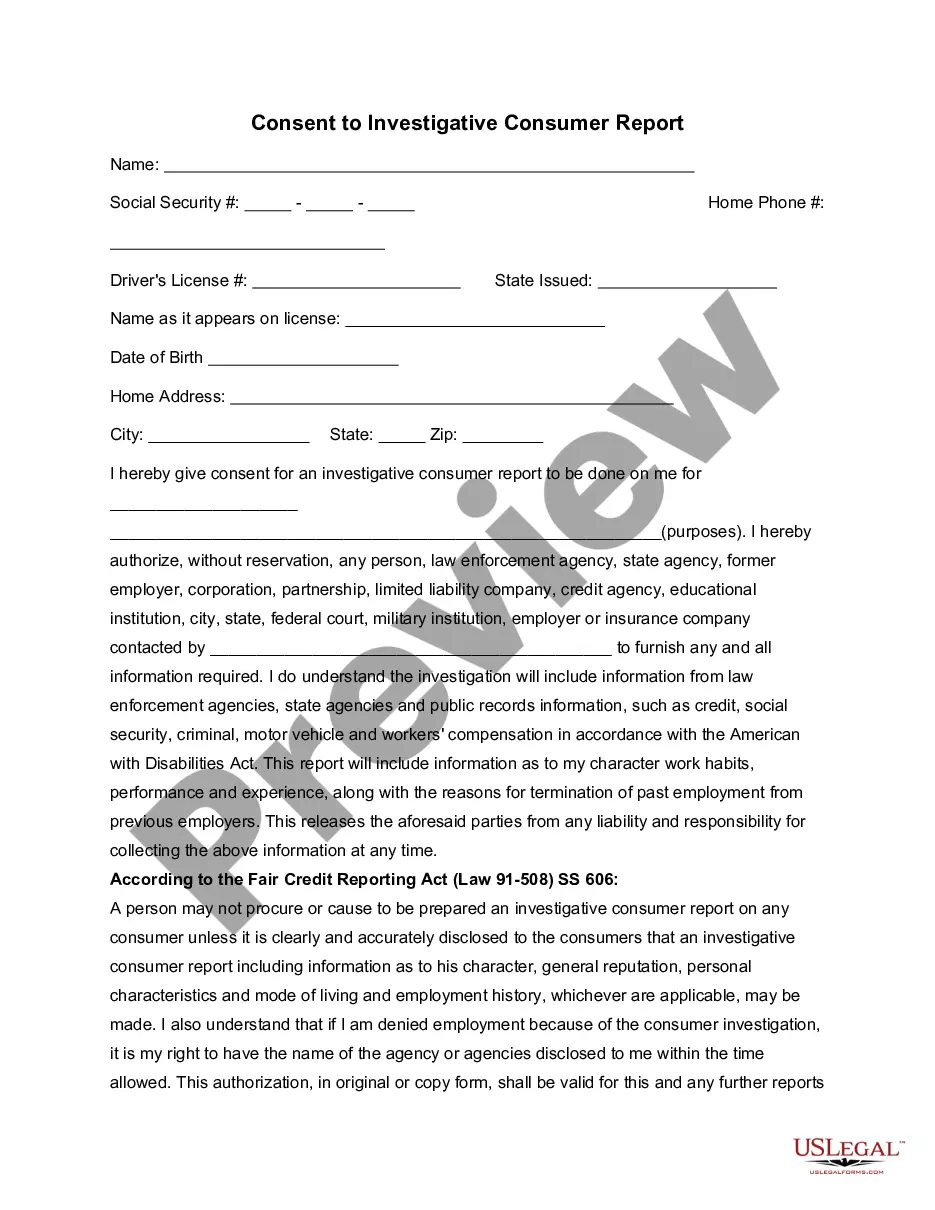

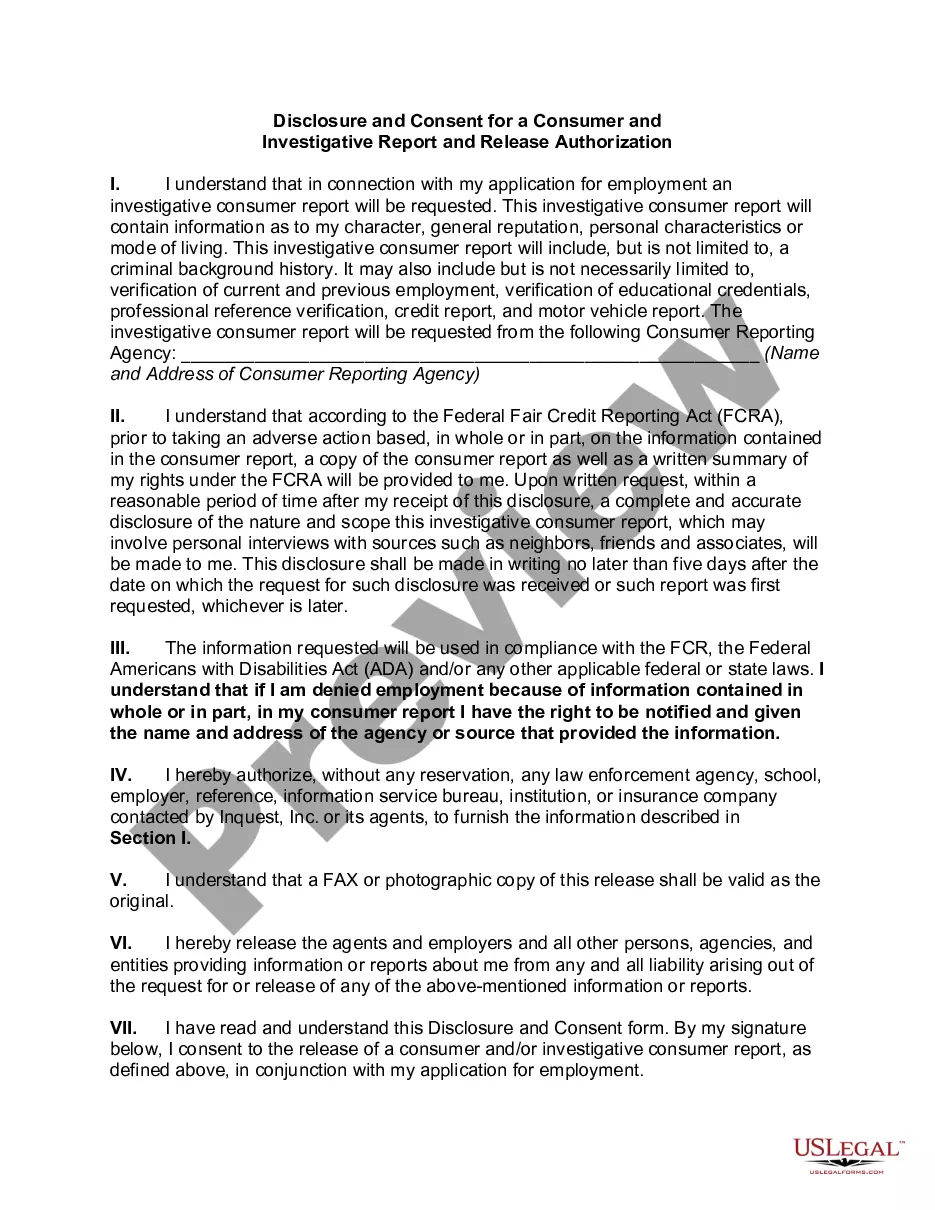
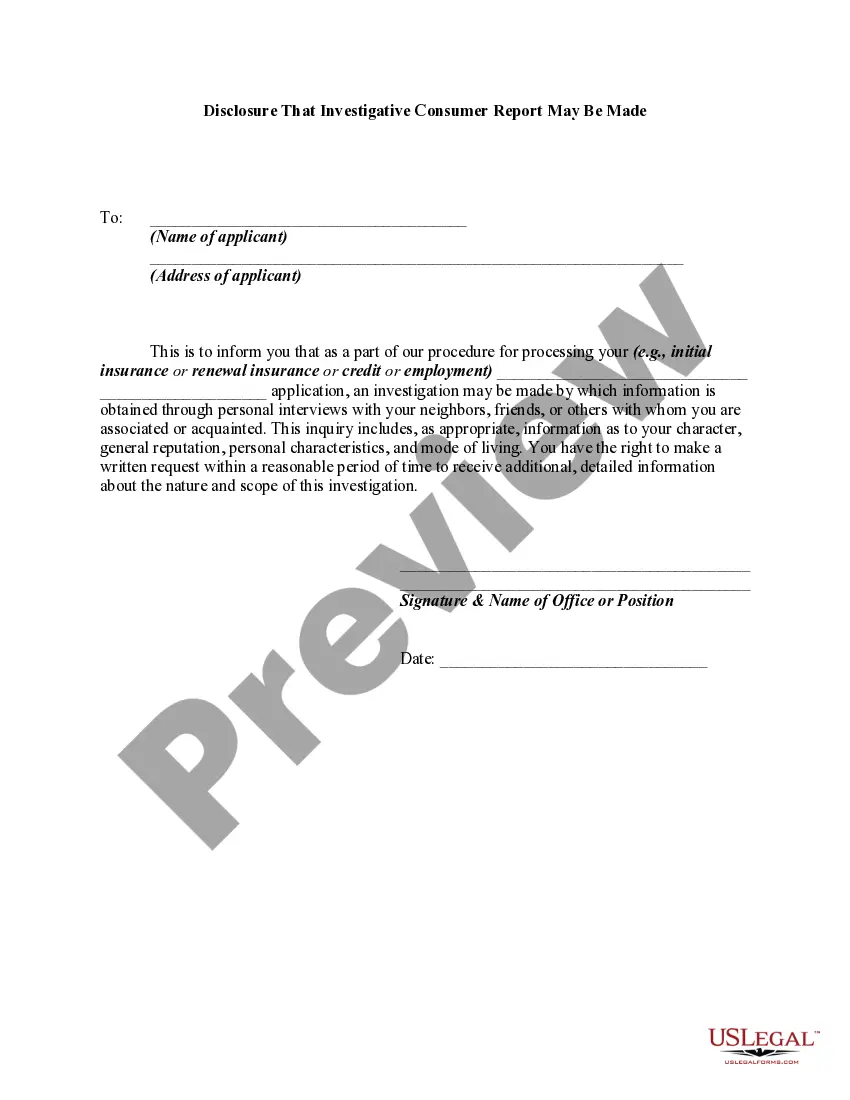
Get your form ready online
Our built-in tools help you complete, sign, share, and store your documents in one place.
Make edits, fill in missing information, and update formatting in US Legal Forms—just like you would in MS Word.
Download a copy, print it, send it by email, or mail it via USPS—whatever works best for your next step.
Sign and collect signatures with our SignNow integration. Send to multiple recipients, set reminders, and more. Go Premium to unlock E-Sign.
If this form requires notarization, complete it online through a secure video call—no need to meet a notary in person or wait for an appointment.
We protect your documents and personal data by following strict security and privacy standards.

Make edits, fill in missing information, and update formatting in US Legal Forms—just like you would in MS Word.

Download a copy, print it, send it by email, or mail it via USPS—whatever works best for your next step.

Sign and collect signatures with our SignNow integration. Send to multiple recipients, set reminders, and more. Go Premium to unlock E-Sign.

If this form requires notarization, complete it online through a secure video call—no need to meet a notary in person or wait for an appointment.

We protect your documents and personal data by following strict security and privacy standards.
Looking for another form?



Form popularity
FAQ
Consistent with applicable law, we securely share complaints with other state and federal agencies to, among other things, facilitate: supervision activities, enforcement activities, and. monitor the market for consumer financial products and services.
First contact the seller. If that does not work, contact a consumer complaint agency. If that does not bring satisfaction, consider other options, such as arbitration or filing a lawsuit.
The primary tool the Office of the Attorney General uses to protect Texas consumers is the Deceptive Trade Practices Act (DTPA). This law lists many practices that are false, deceptive, or misleading. When you fall victim to illegal practices covered by the DTPA, you may have the right to sue for damages under the act.
Your procedure could include the following steps. Listen to the complaint. Thank the customer for bringing the matter to your attention. Record details of the complaint. Get all the facts. Discuss options for fixing the problem. Act quickly. Keep your promises. Follow up.
The FTC's Bureau of Consumer Protection stops unfair, deceptive and fraudulent business practices by: collecting complaints and conducting investigations. suing companies and people that break the law. developing rules to maintain a fair marketplace.
We believe that teaching the 5 Steps to Effectively Handling Customer Complaints – Acknowledge, Apologize, Take Action, Thank and Document– to every employee at Zingerman's, from the moment they start in the organization, empowers and equips them with the tools they need to walk into any complaint situation and handle ...
The first thing you should do when filing a consumer complaint is to complain directly to the company. If that doesn't work, you can complain to a consumer protection agency. Filing a lawsuit should be a last resort.
Final answer: The first step when filing a consumer complaint is to complain directly to the company. This allows them an opportunity to resolve the issue locally. If unsuccessful, further actions can involve contacting consumer protection agencies or considering legal action.
The Consumer Product Safety Commission (CPSC) protects the public from unreasonable risks of serious injury or death from thousands of types of consumer products under its jurisdiction, including products that pose a fire, electrical, chemical, or mechanical hazard or can injure children.
