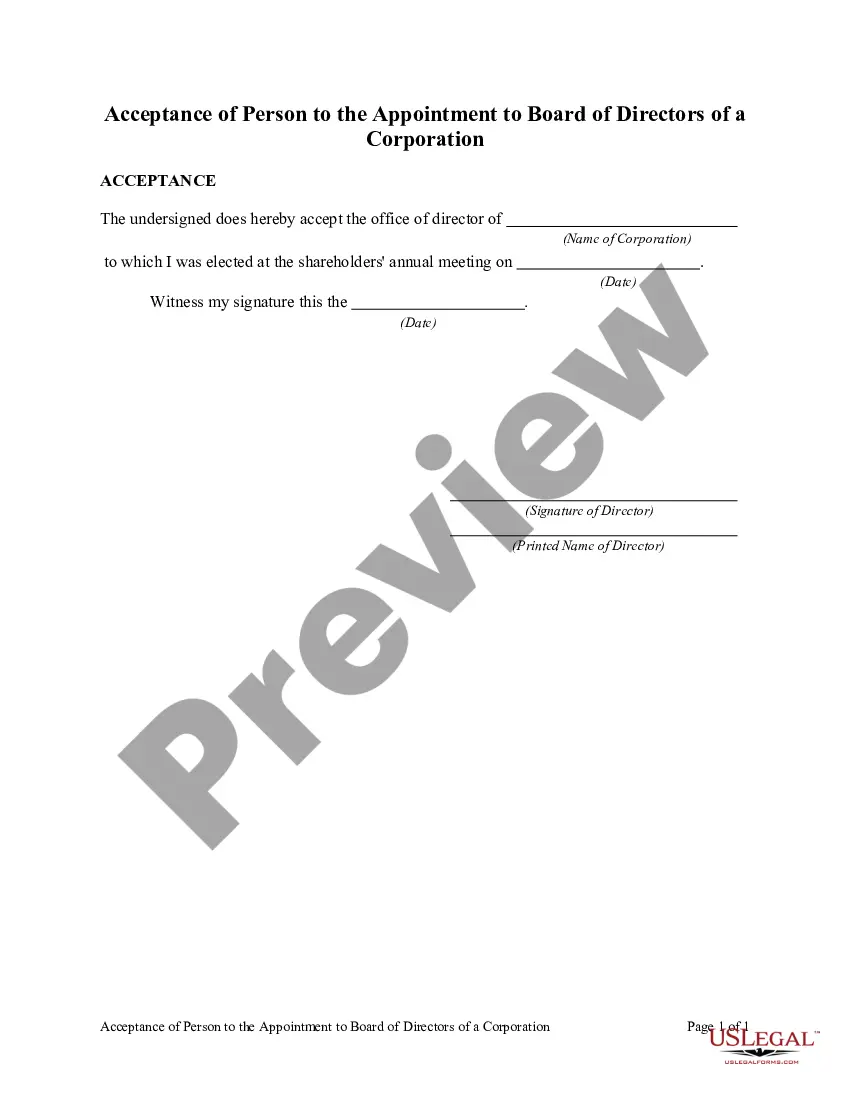
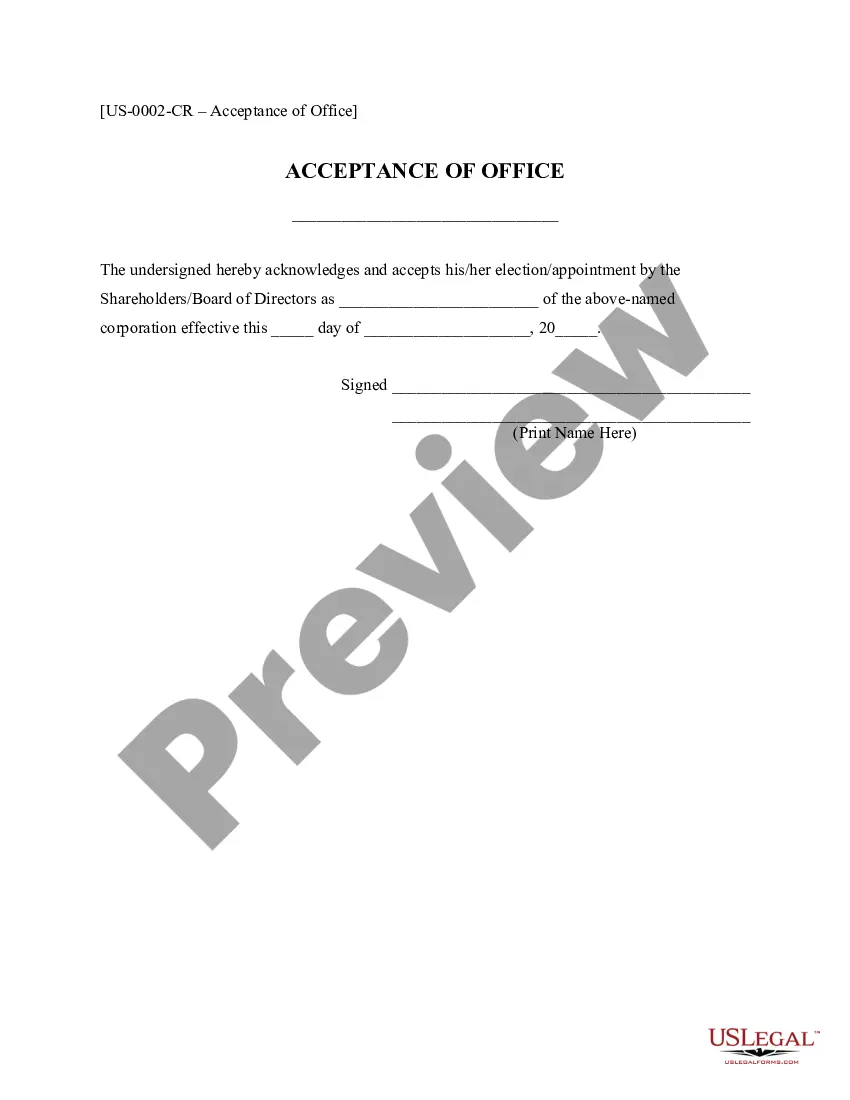
Director Appointment In Egm In San Antonio
Description


Get your form ready online
Our built-in tools help you complete, sign, share, and store your documents in one place.
Make edits, fill in missing information, and update formatting in US Legal Forms—just like you would in MS Word.
Download a copy, print it, send it by email, or mail it via USPS—whatever works best for your next step.
Sign and collect signatures with our SignNow integration. Send to multiple recipients, set reminders, and more. Go Premium to unlock E-Sign.
If this form requires notarization, complete it online through a secure video call—no need to meet a notary in person or wait for an appointment.
We protect your documents and personal data by following strict security and privacy standards.

Make edits, fill in missing information, and update formatting in US Legal Forms—just like you would in MS Word.

Download a copy, print it, send it by email, or mail it via USPS—whatever works best for your next step.

Sign and collect signatures with our SignNow integration. Send to multiple recipients, set reminders, and more. Go Premium to unlock E-Sign.

If this form requires notarization, complete it online through a secure video call—no need to meet a notary in person or wait for an appointment.

We protect your documents and personal data by following strict security and privacy standards.
Looking for another form?
Form popularity
FAQ
All meetings must be properly posted, discussion is limited to posted agenda items, minutes must be kept, and certain rules must be followed when holding an executive session. A member must be present at a meeting in order to deliberate and to vote. The member may not vote by proxy.
The Open Meetings Act (Government Code, Chapter 551) provides that meetings of governmental bodies must be open to the public (except for expressly authorized executive sessions). Both state and regional agencies file notices of open meetings with the Secretary of State's office.
Application of the Open Meetings Act It also does not apply when public officials attend regional, state, or national workshops, as long as there are no formal actions taken and any discussion of public business is only incidental to the event.
A “walking quorum” occurs when there is a series of meetings or discussions outside of a posted meeting that effectively constitute a quorum, even though a quorum is not physically present at one time in one place.
Section 551.007 gives a member of the public the right to participate in a meeting by addressing the governmental body about items on the meeting's agenda. A governmental body may offer additional or alternative ways for a member of the public to participate in the meeting, but it remains the member's choice.
There must be a quorum, or a majority, of board members present for a closed session to take place. With few exceptions, nobody else is legally allowed to attend. If trustees call the closed session to consult with lawyers, the board's lawyer must be present. Board members cannot invite general members of the public.
The Open Meeting Act Made Easy is a handbook in a question-and-answer format that covers the most frequently asked questions about the Texas Open Meetings Act (“the Act”). The handbook addresses when the Act applies, what constitutes reasonable notice and the application of the Act to informal gatherings.
Texas Government Code, Chapter 552, gives you the right to access government records; and an officer for public information and the officer's agent may not ask why you want them.
Exempt: Over 30 exemptions including: Confidential information as defined by law; personnel information; litigation or settlement negotiations involving state, competition or bidding information; certain real estate information; certain legislative documents; certain investigation or prosecution documents; certain ...
Upon finding a violation of the Open Meeting Law, the Attorney General may impose a civil penalty upon a public body of not more than $1,000 for each intentional violation.