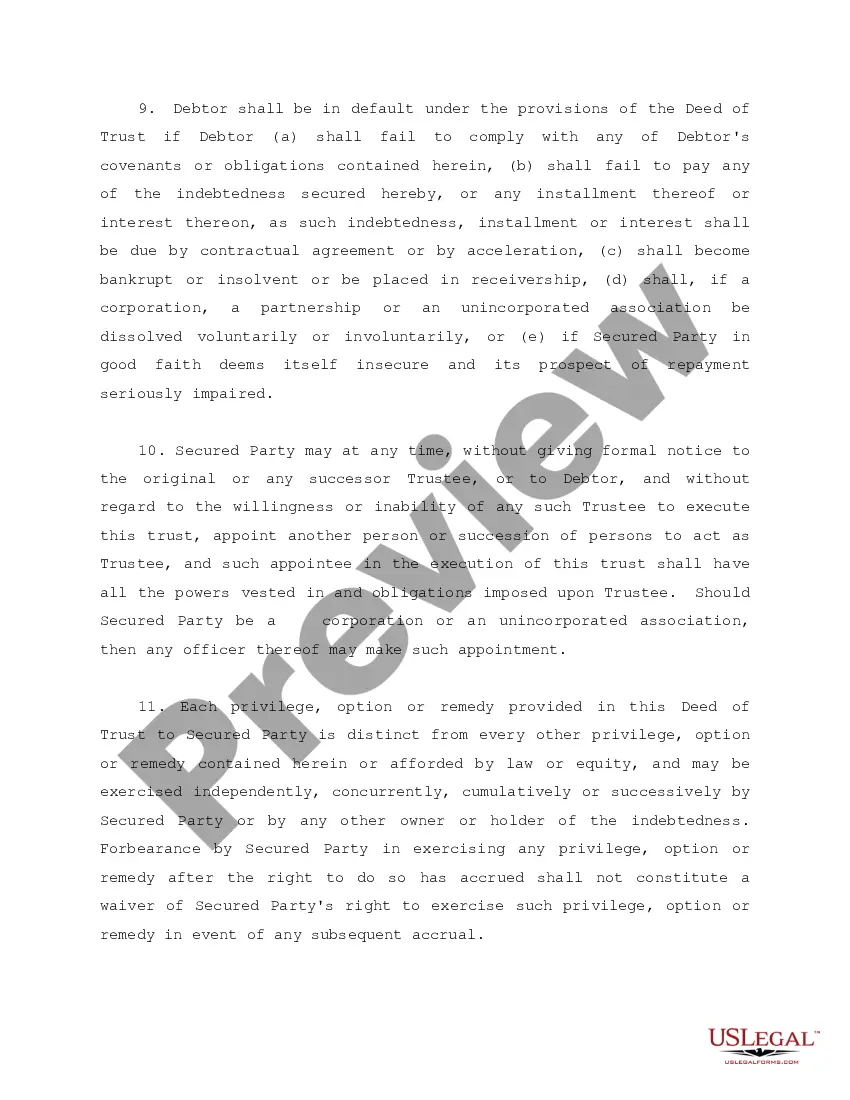
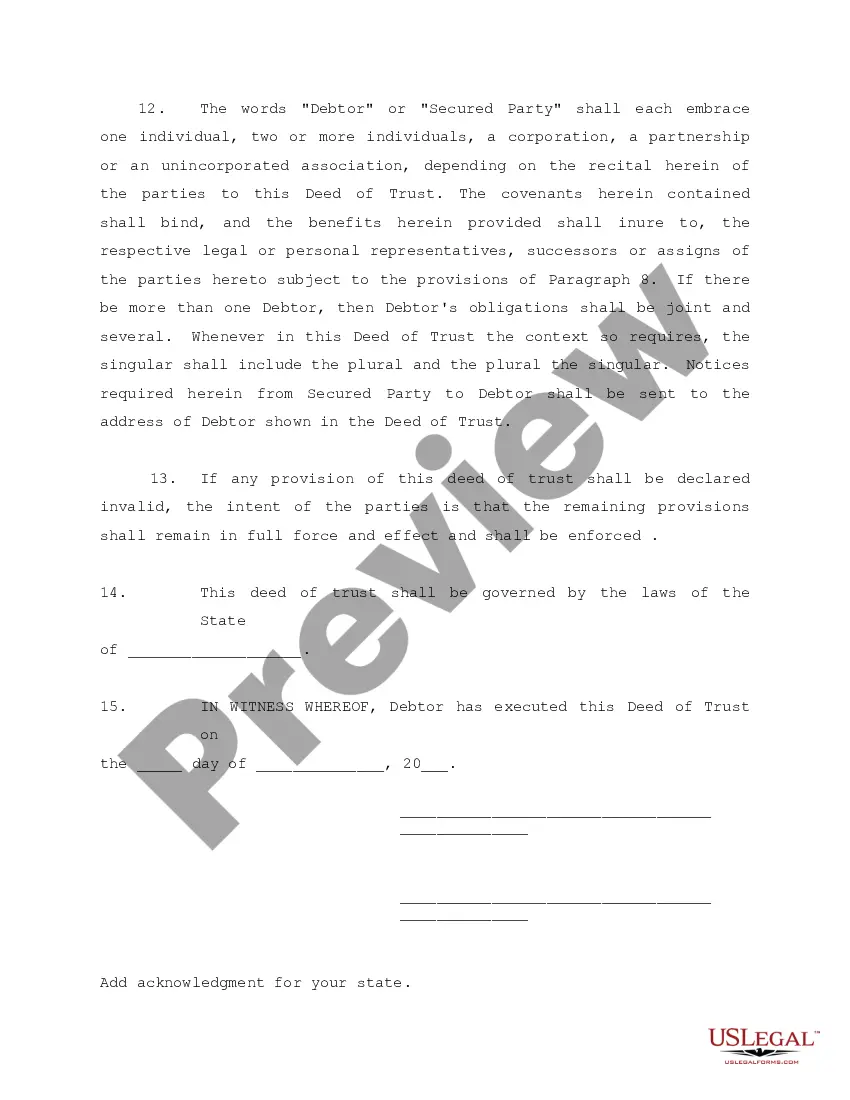
Security Debt Shall With Example In Virginia
Description




Get your form ready online
Our built-in tools help you complete, sign, share, and store your documents in one place.
Make edits, fill in missing information, and update formatting in US Legal Forms—just like you would in MS Word.
Download a copy, print it, send it by email, or mail it via USPS—whatever works best for your next step.
Sign and collect signatures with our SignNow integration. Send to multiple recipients, set reminders, and more. Go Premium to unlock E-Sign.
If this form requires notarization, complete it online through a secure video call—no need to meet a notary in person or wait for an appointment.
We protect your documents and personal data by following strict security and privacy standards.

Make edits, fill in missing information, and update formatting in US Legal Forms—just like you would in MS Word.

Download a copy, print it, send it by email, or mail it via USPS—whatever works best for your next step.

Sign and collect signatures with our SignNow integration. Send to multiple recipients, set reminders, and more. Go Premium to unlock E-Sign.

If this form requires notarization, complete it online through a secure video call—no need to meet a notary in person or wait for an appointment.

We protect your documents and personal data by following strict security and privacy standards.
Looking for another form?
Form popularity
FAQ
Conclusion: Going to small claims court may be worth it for $500, but it will determine how you weigh your costs versus benefits. At a minimum, it is worth it to send a demand letter.
If you choose to file a lawsuit without an attorney, you first must go to the offices of the Clerk of the GDC in the city or county where: • the defendant lives, is employed or has a regular place of business; • the incident upon which your claim is based took place; or, • if the defendant is a corporation, its ...
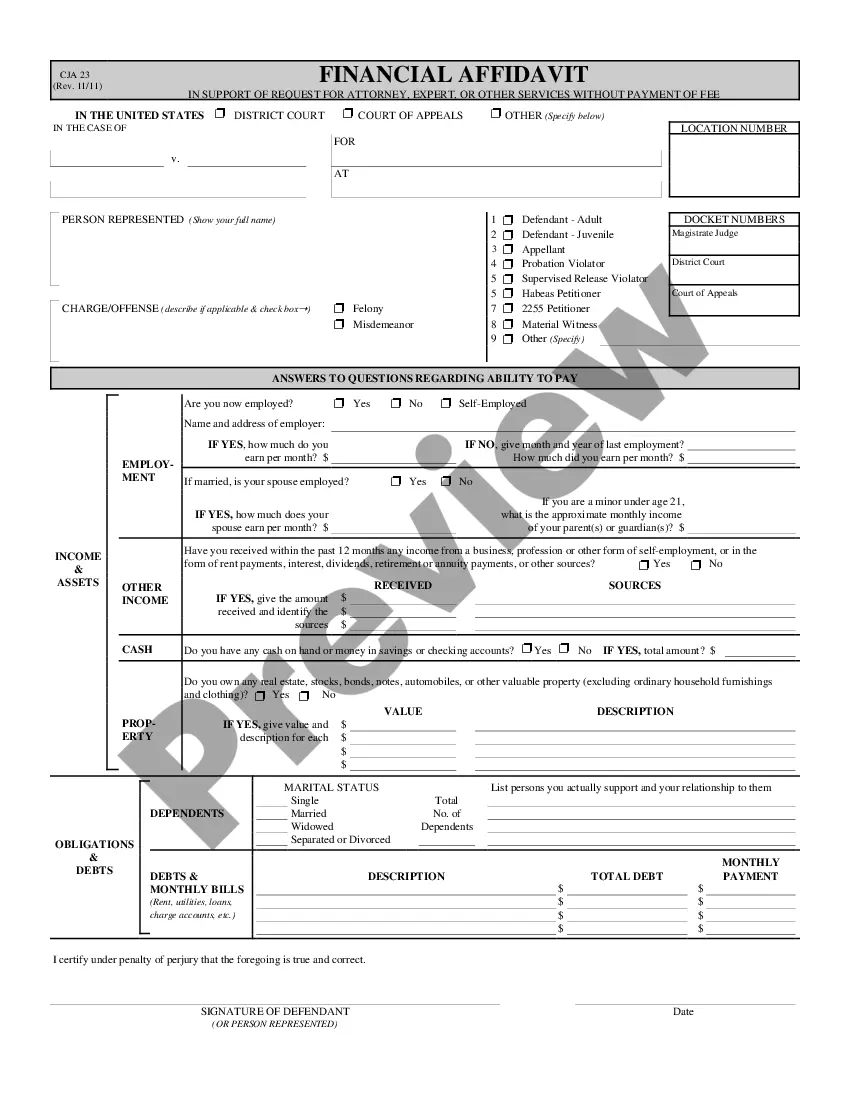
How do I fill this out? Gather all necessary information regarding the debt. Fill in the plaintiff's and defendant's details accurately. Specify the amount owed, including interest and fees. Indicate any claims regarding the homestead exemption. Submit the completed form to the appropriate court.
In Virginia, the deadline to file most personal injury cases is two years from the date that the injury or accident occurred. That is a firm and hard date. Filing even one day after that two-year mark will mean the party you are suing can have your case dismissed.
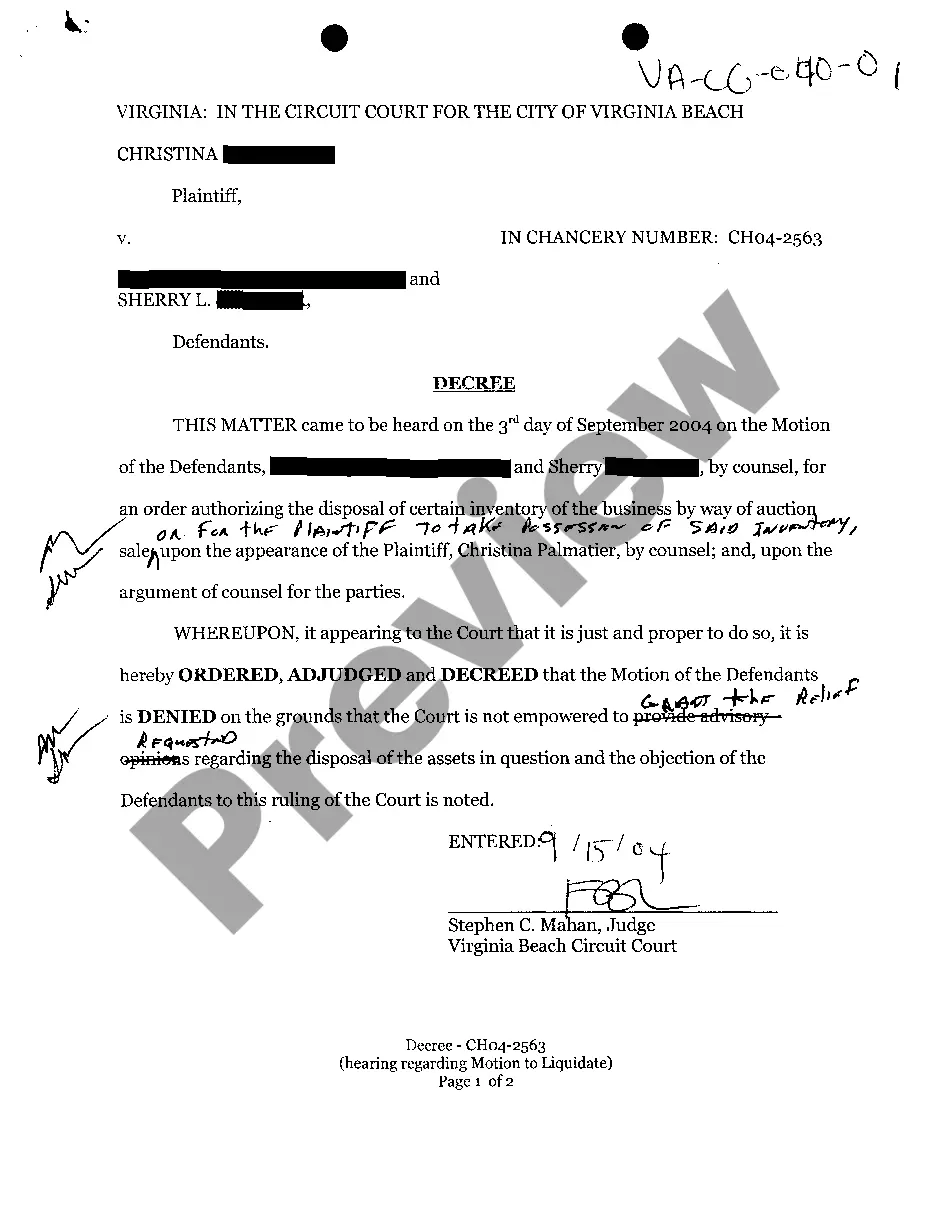
A defendant should contest a claim in a Warrant in Debt by showing up in court on the return date and requesting a trial. Upon request, the general district court judge will order the plaintiff to file a bill of particulars and the defendant to file a grounds of defense.
Under Virginia Code § 20-107.3, all debt incurred by either party after the date of marriage and before the date of separation is presumed to be marital—regardless of whether the debt is in the names of both parties, or only in the name of one party.
Statute of Limitations: In Virginia, creditors are given a three-year window to initiate legal action for debts arising from verbal agreements. This period extends to five years if the debt involves a written contract. Once the statute of limitations expires, creditors lose the legal right to sue for the debt.
In most states, the statute of limitations for collecting on credit card debt is between three and 10 years, but a few states allow for longer periods, extending up to 15 years.
In Virginia, the applicable statute of limitations for credit card debts, mortgage debts, and medical debts is five years. After the statute of limitations has expired, a creditor or debt collector can no longer file a collection lawsuit related to that debt.
§ 1692 and following) regulates debt collectors. The FDCPA protects consumers from unfair and deceptive debt collection practices. The FDCPA also prohibits debt collectors from contacting you at certain times and places. The FDCPA applies to every state, so if you live in Virginia, the FDCPA's protections apply to you.
