Secure Debt Shall Withhold In San Bernardino
Description

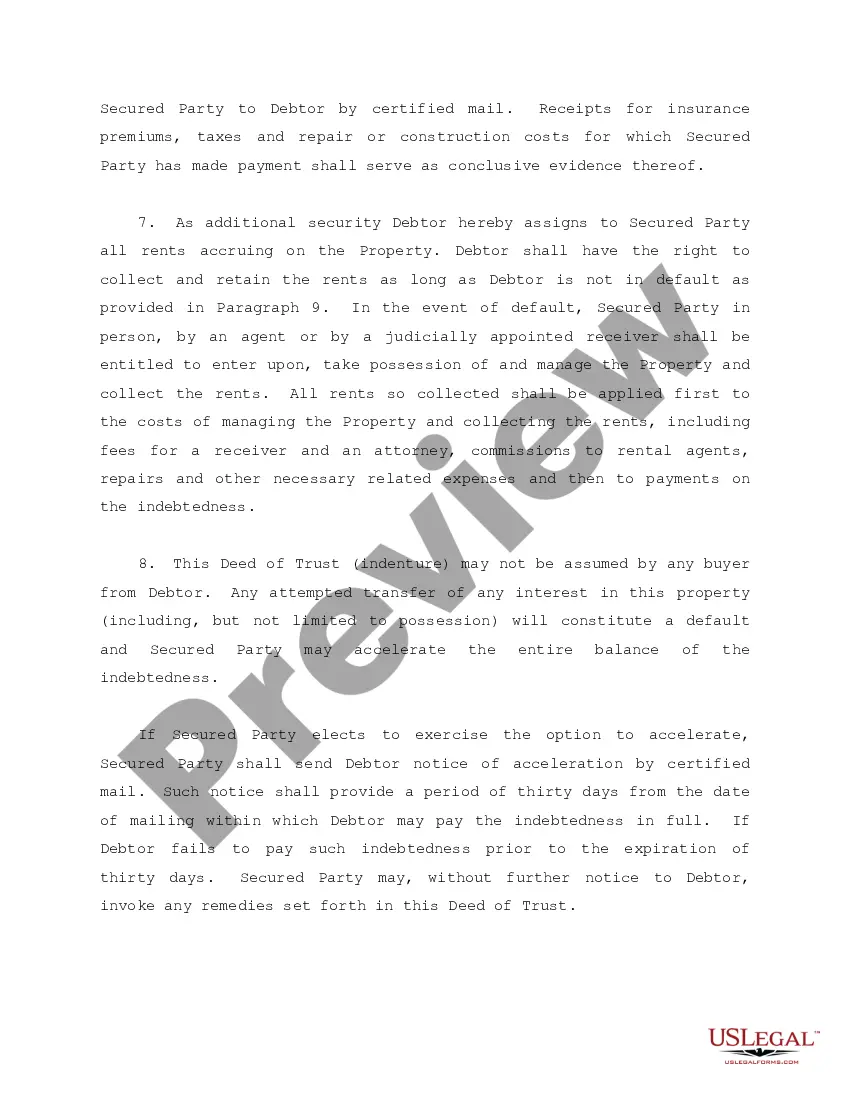
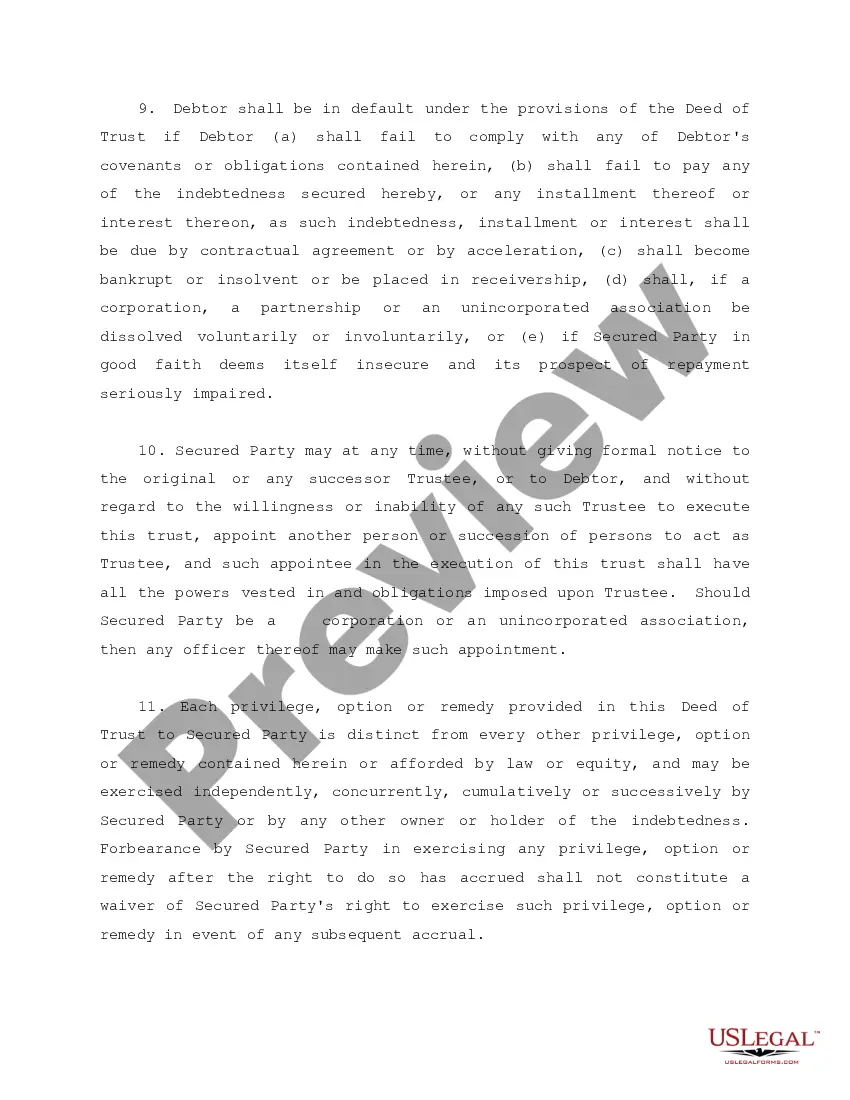
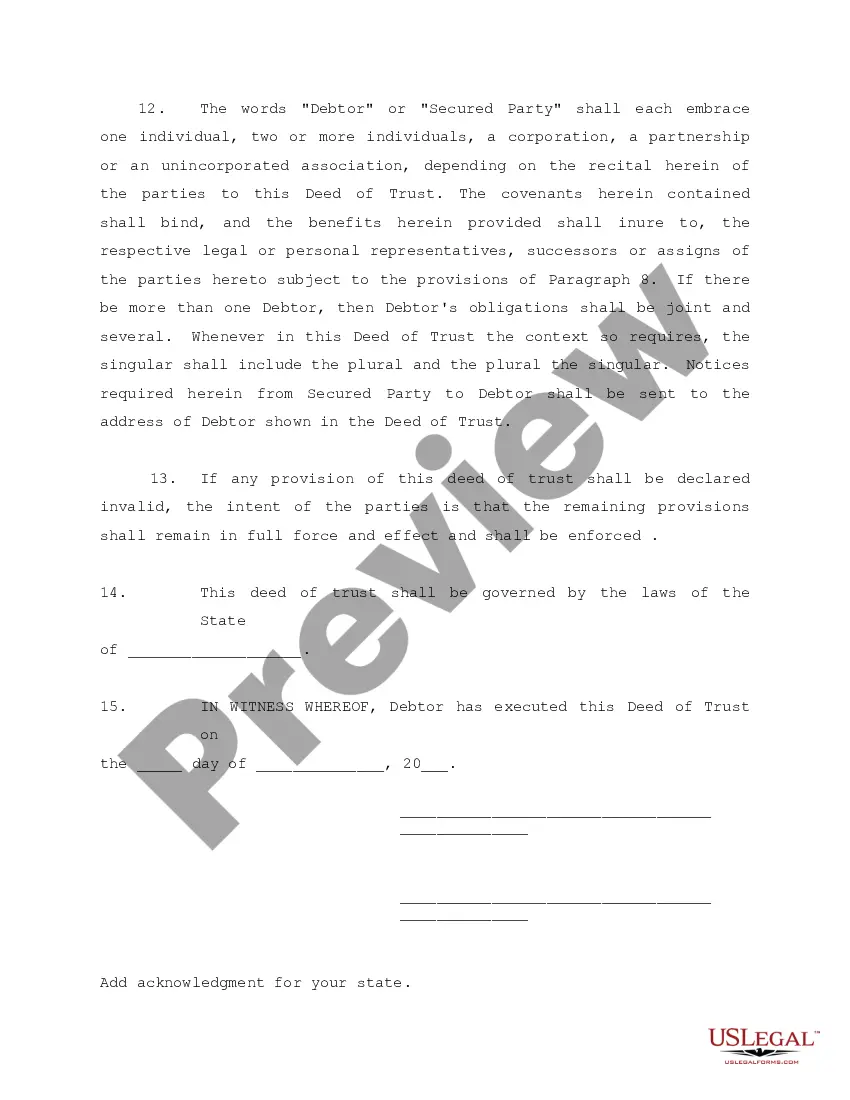
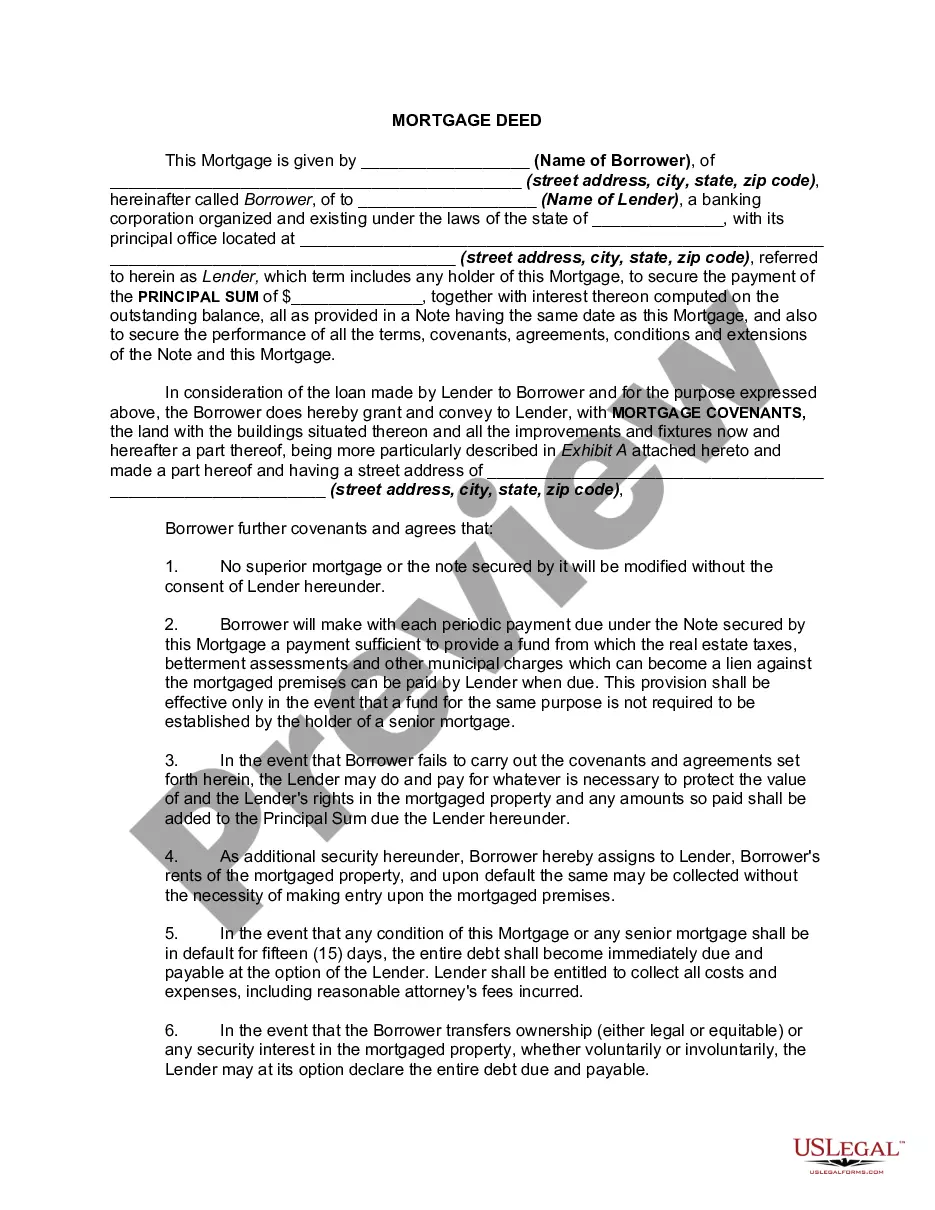

Get your form ready online
Our built-in tools help you complete, sign, share, and store your documents in one place.
Make edits, fill in missing information, and update formatting in US Legal Forms—just like you would in MS Word.
Download a copy, print it, send it by email, or mail it via USPS—whatever works best for your next step.
Sign and collect signatures with our SignNow integration. Send to multiple recipients, set reminders, and more. Go Premium to unlock E-Sign.
If this form requires notarization, complete it online through a secure video call—no need to meet a notary in person or wait for an appointment.
We protect your documents and personal data by following strict security and privacy standards.

Make edits, fill in missing information, and update formatting in US Legal Forms—just like you would in MS Word.

Download a copy, print it, send it by email, or mail it via USPS—whatever works best for your next step.

Sign and collect signatures with our SignNow integration. Send to multiple recipients, set reminders, and more. Go Premium to unlock E-Sign.

If this form requires notarization, complete it online through a secure video call—no need to meet a notary in person or wait for an appointment.

We protect your documents and personal data by following strict security and privacy standards.
Looking for another form?
Form popularity
FAQ
The strongest steps to stop wage garnishment in California include: Complete Claim of Exemption (WG-006) and Financial Statement (WG-007/EJ-165) forms. Submit the forms to the levying officer, typically the sheriff. If unopposed, garnishment stops or is reduced; if opposed, a court hearing determines the outcome.
The strongest steps to stop wage garnishment in California include: File a Claim of Exemption. Complete Claim of Exemption (WG-006) and Financial Statement (WG-007/EJ-165) forms. Negotiate With Creditors. Request a payment plan or settle the debt for a reduced amount. Challenge the Garnishment in Court. File for Bankruptcy.
Debt collectors may not be able to sue you to collect on old (time-barred) debts, but they may still try to collect on those debts. In California, there is generally a four-year limit for filing a lawsuit to collect a debt based on a written agreement.
Yes, your wages can be garnished over an unpaid credit card debt — especially if the debt ends up going to collections. Although many people associate wage garnishment with unpaid child support, defaulted student loans or back taxes, courts can also order your wages to be garnished over an outstanding credit card debt.
After that period, the debt becomes time-barred, and creditors cannot legally pursue a lawsuit. It's important to note that while creditors cannot sue you after the statute of limitations expires, they can still attempt to collect the debt by calling, sending letters, or offering settlements.
Keep in mind that making a partial payment or acknowledging you owe an old debt, even after the statute of limitations expired, may restart the time period.
As a division of the Auditor-Controller/Treasurer/Tax Collector, Revenue Recovery provides debt collection services to County agencies. Through the use of innovative technology, our highly skilled staff provides quality service to ensure maximum recovery of debt owed to the County.
The debt collector is presumed to violate the law if they place a telephone call to you about a particular debt: More than seven times within a seven-day period, or. Within seven days after engaging in a telephone conversation with you about the particular debt.
The strongest steps to stop wage garnishment in California include: Complete Claim of Exemption (WG-006) and Financial Statement (WG-007/EJ-165) forms. Submit the forms to the levying officer, typically the sheriff. If unopposed, garnishment stops or is reduced; if opposed, a court hearing determines the outcome.
