Secure Debt Any Withdrawal In Queens
Description

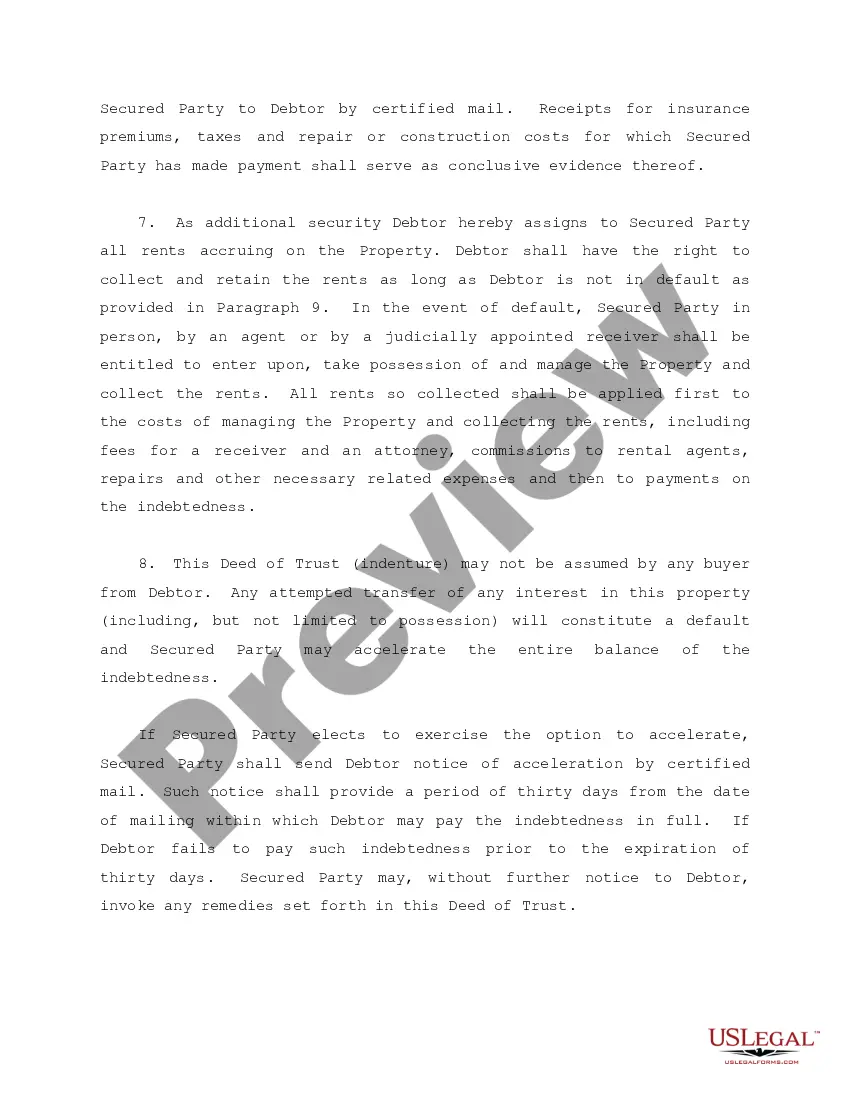
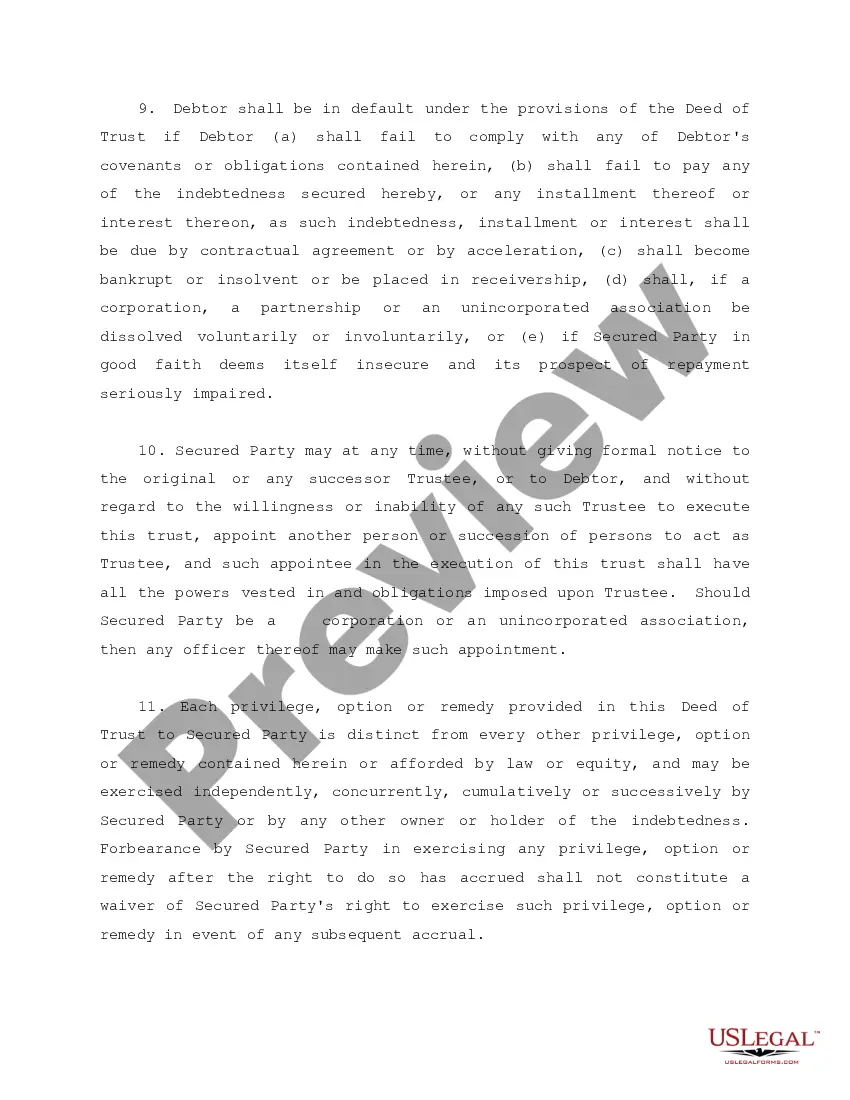
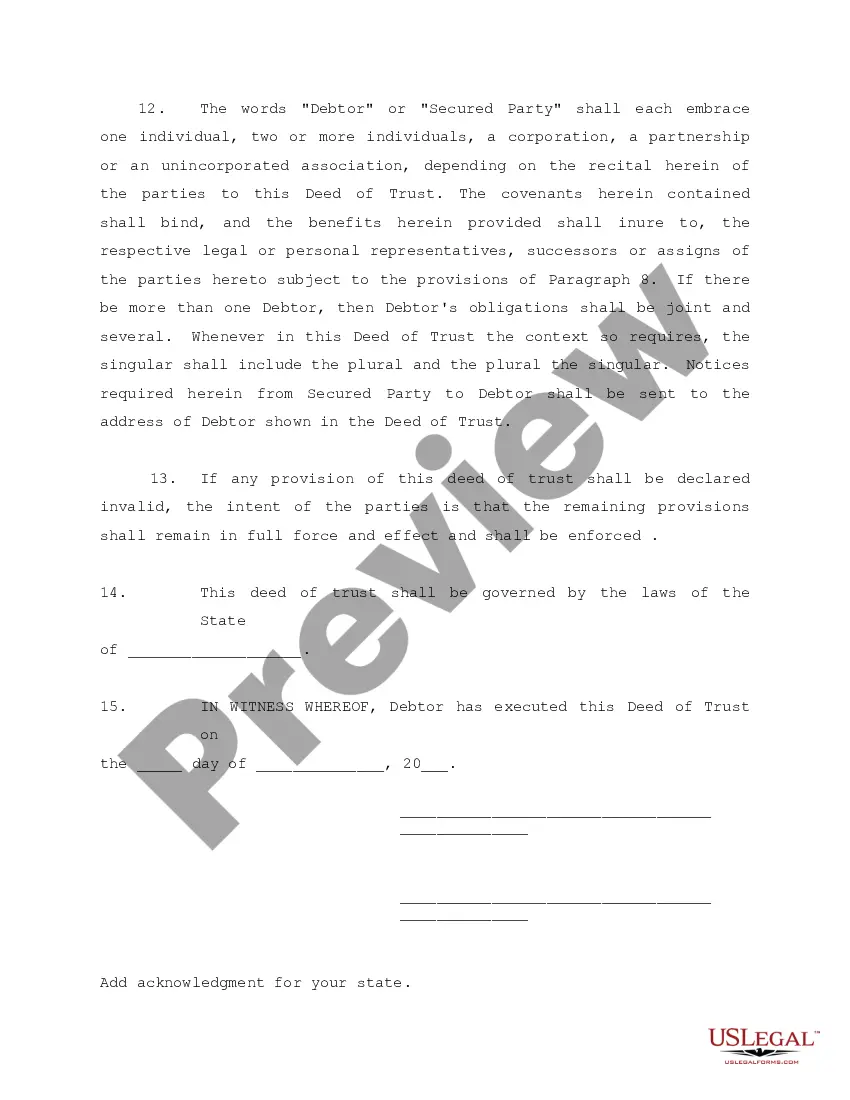
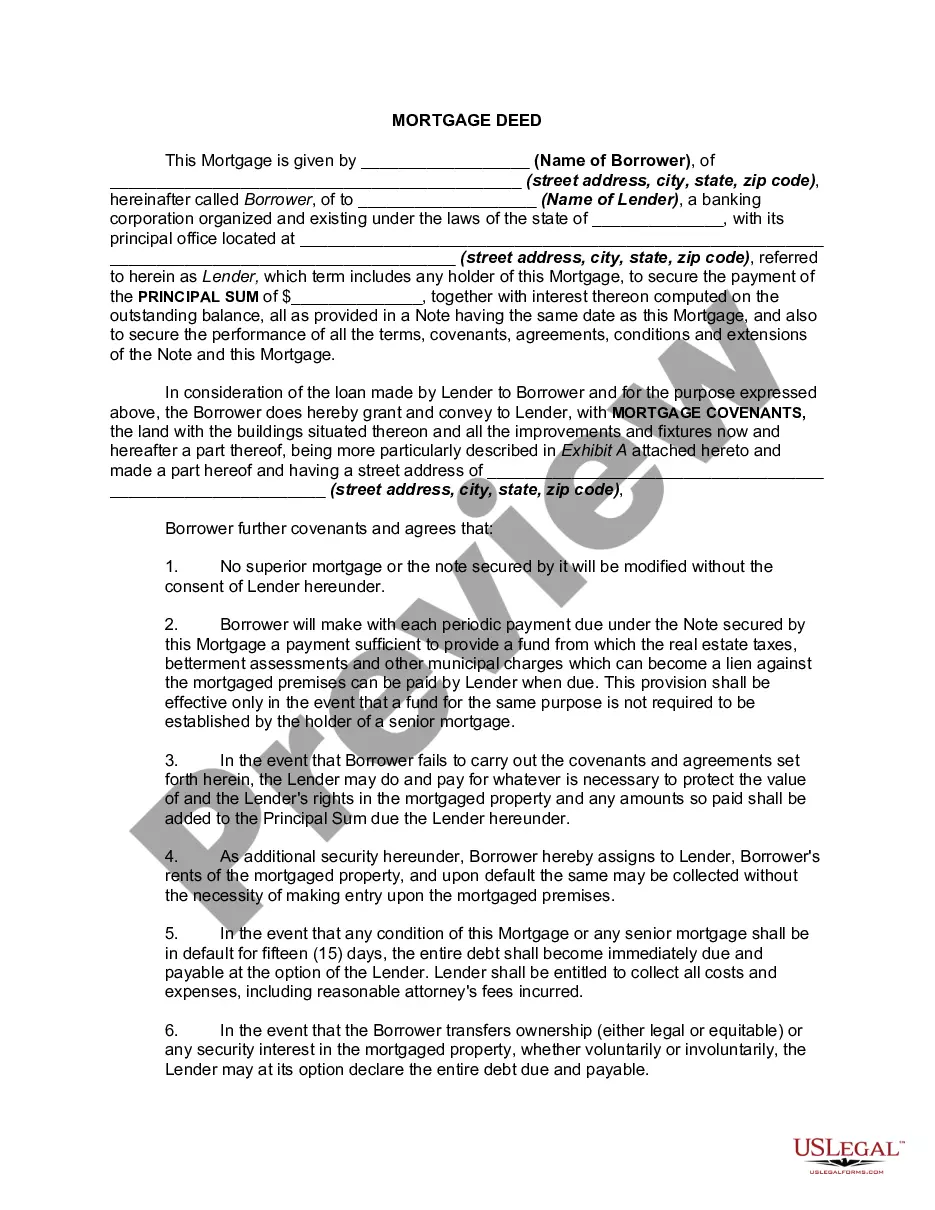

Get your form ready online
Our built-in tools help you complete, sign, share, and store your documents in one place.
Make edits, fill in missing information, and update formatting in US Legal Forms—just like you would in MS Word.
Download a copy, print it, send it by email, or mail it via USPS—whatever works best for your next step.
Sign and collect signatures with our SignNow integration. Send to multiple recipients, set reminders, and more. Go Premium to unlock E-Sign.
If this form requires notarization, complete it online through a secure video call—no need to meet a notary in person or wait for an appointment.
We protect your documents and personal data by following strict security and privacy standards.

Make edits, fill in missing information, and update formatting in US Legal Forms—just like you would in MS Word.

Download a copy, print it, send it by email, or mail it via USPS—whatever works best for your next step.

Sign and collect signatures with our SignNow integration. Send to multiple recipients, set reminders, and more. Go Premium to unlock E-Sign.

If this form requires notarization, complete it online through a secure video call—no need to meet a notary in person or wait for an appointment.

We protect your documents and personal data by following strict security and privacy standards.
Looking for another form?



Form popularity
FAQ
Creditors must take additional steps to obtain a default judgment against you. As of April 7, 2022, creditors cannot sue or make a threat to sue you on debts that are older than three years. Additionally, any payments you make after the three- year period, does not restart clock on the time-barred debt.
Statute of Limitations in New York Thanks to a law passed in 2021, the statute of limitations of debt in New York is three years, which means that's how much time a debt collector has to file a lawsuit to recover the debt through the court system.
Effective April 7, 2022, the New York statute of limitations for debt collection lawsuits arising out of a consumer credit transaction is reduced from six years to three years.
Because of the Consumer Credit Fairness Act, which was enacted in 2021, the statute of limitations for most New York-based debt collections was reduced from six years to three years.
National Debt Relief is an accredited member of the American Association for Debt Resolution (AADR). It has been around since 2009 and has helped over 600,000 individuals reduce their debt. It also has an A+ rating from the BBB (Better Business Bureau).
Lenders apply debt forgiveness in several ways, including through directly negotiated settlements or government programs. You can also approach industry professionals such as debt counselors to assist with repayment plans. However, it's important to keep in mind that debt forgiveness is relatively rare.
When it comes to credit card debt relief, it's important to dispel a common misconception: There are no government-sponsored programs specifically designed to eliminate credit card debt. So, you should be wary of any offers claiming to represent such government initiatives, as they may be misleading or fraudulent.
When it comes to credit card debt relief, it's important to dispel a common misconception: There are no government-sponsored programs specifically designed to eliminate credit card debt. So, you should be wary of any offers claiming to represent such government initiatives, as they may be misleading or fraudulent.
In order to garnish, an unsecured creditor (one for which there is no collateral securing the debt, i.e. credit cards, personal loans, medical bills) must first sue the debtor. Typically this does not occur until the debt is around six months delinquent.
Chapter 7 bankruptcy provides for the discharge of most types of unsecured debt. Once unsecured debt is discharged in bankruptcy, you are no longer obligated to repay the debt. The creditor can no longer attempt to collect such debt from you.
