Security Debt Any With Example In Philadelphia
Description

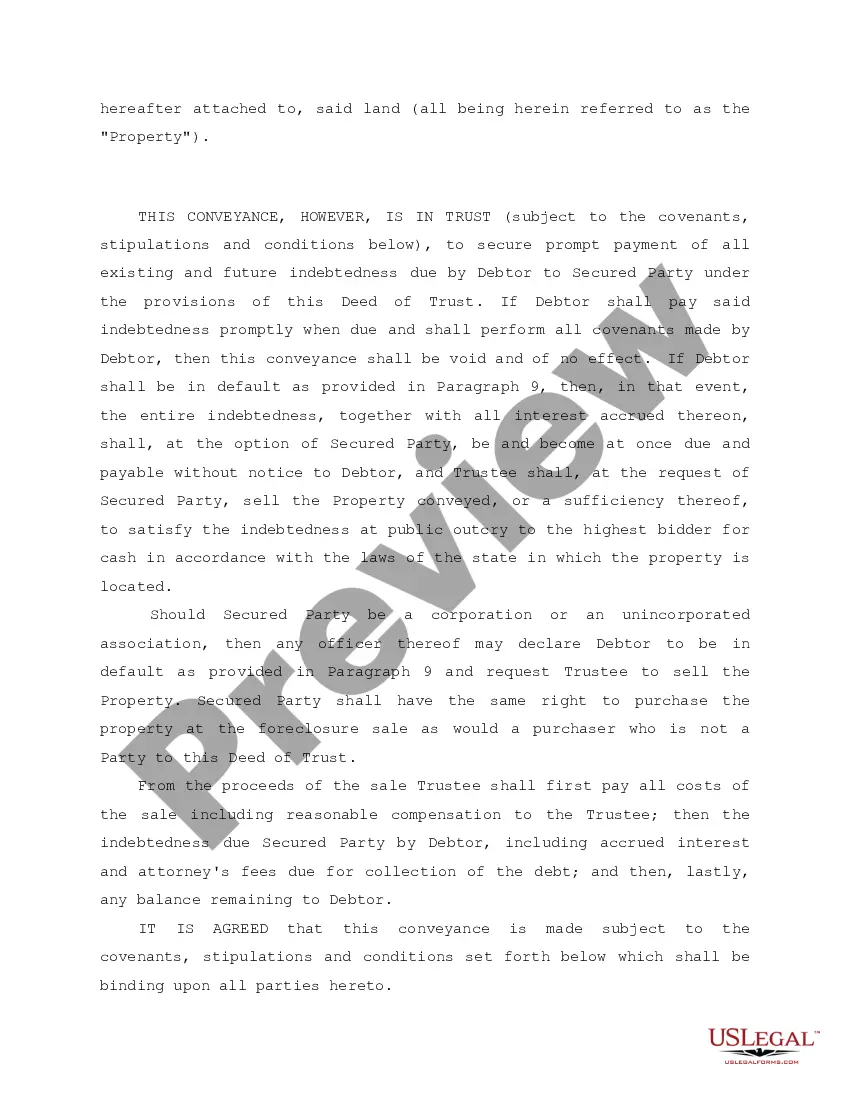
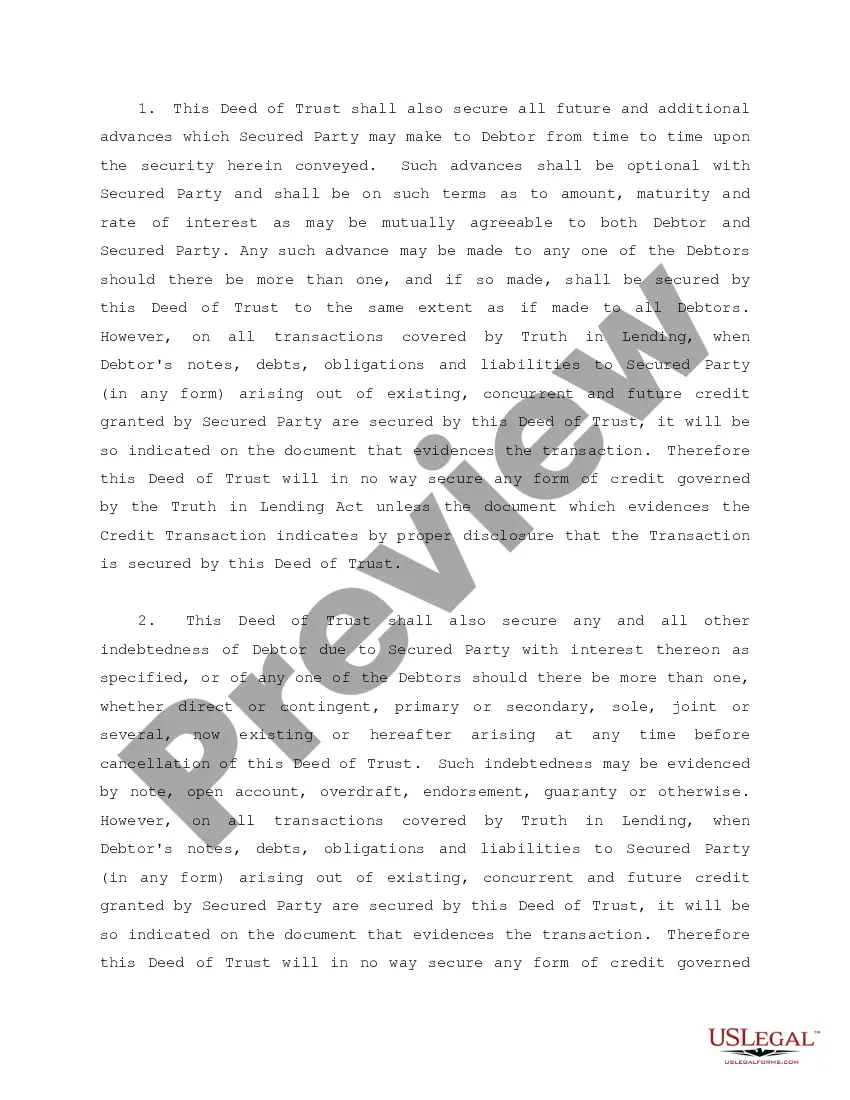
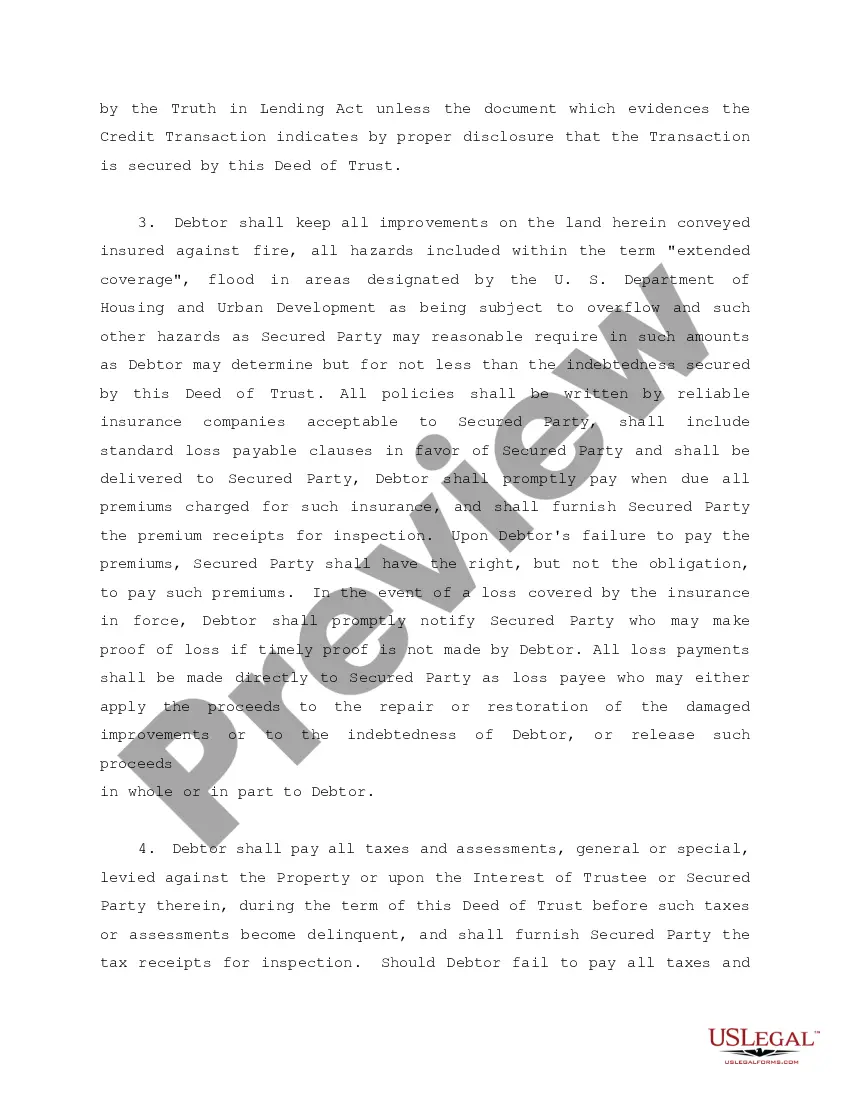
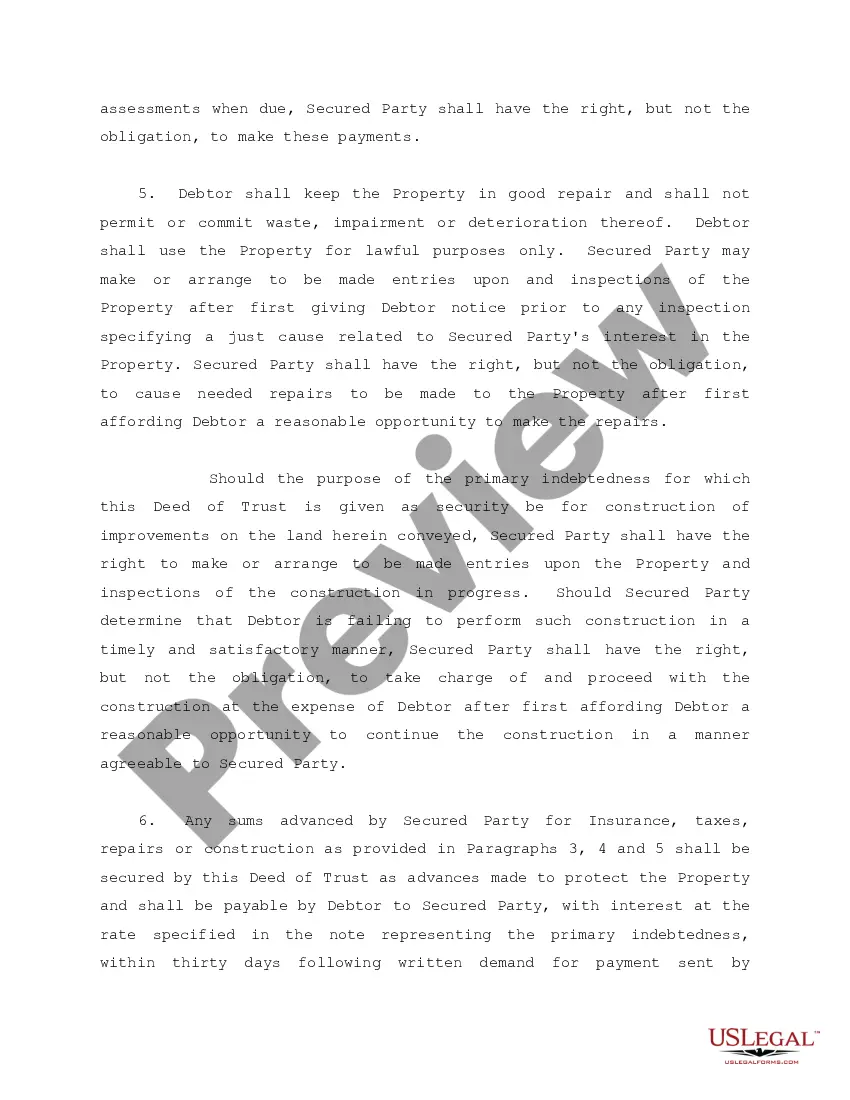
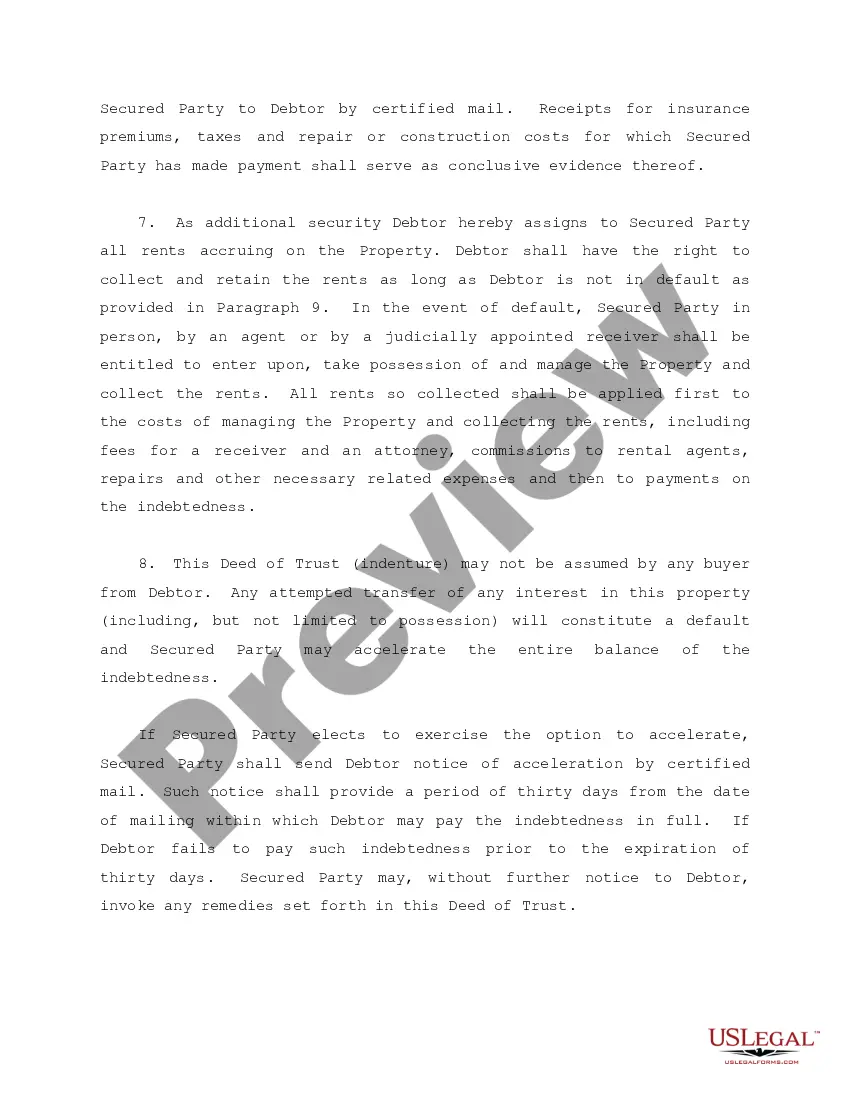
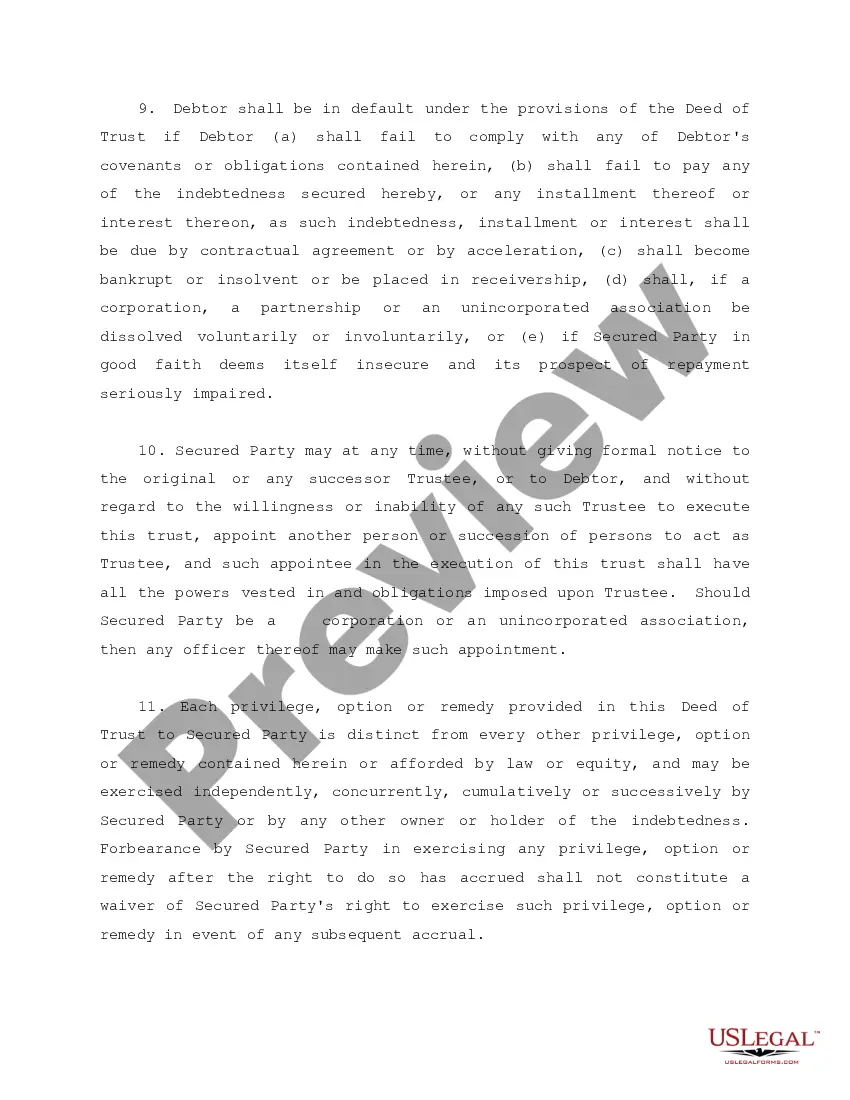
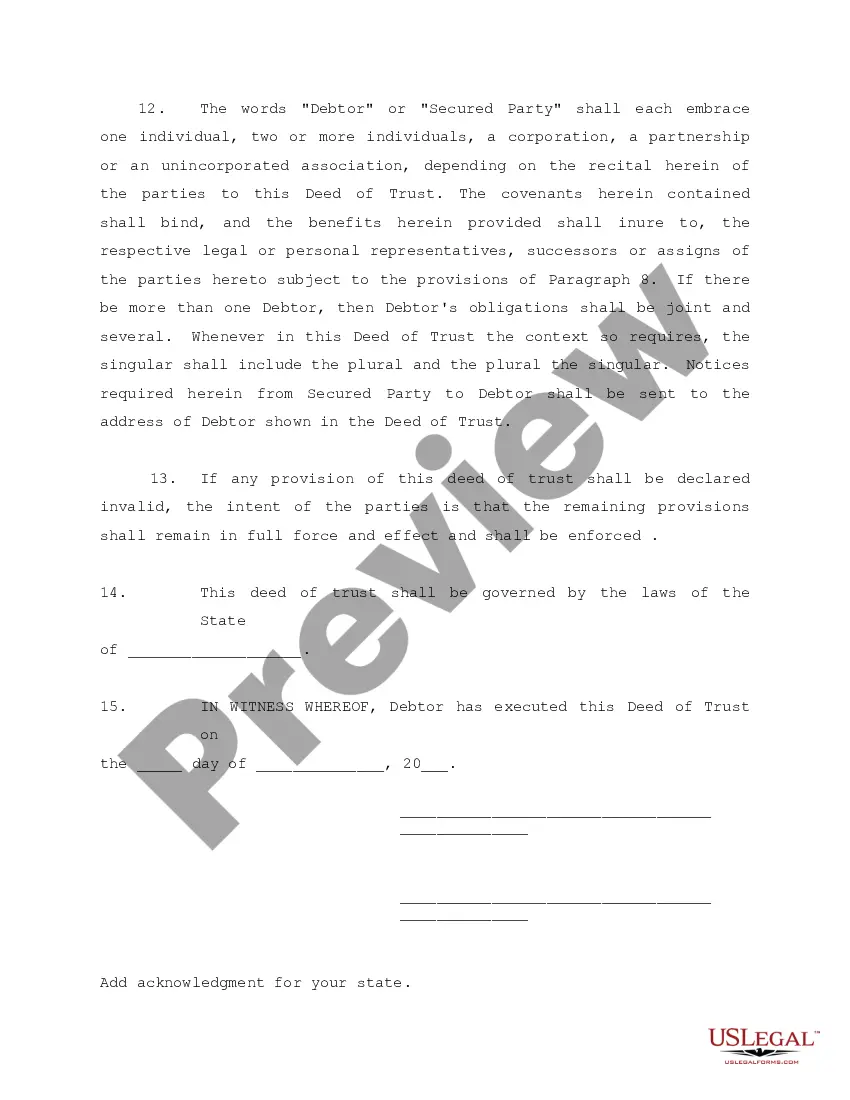
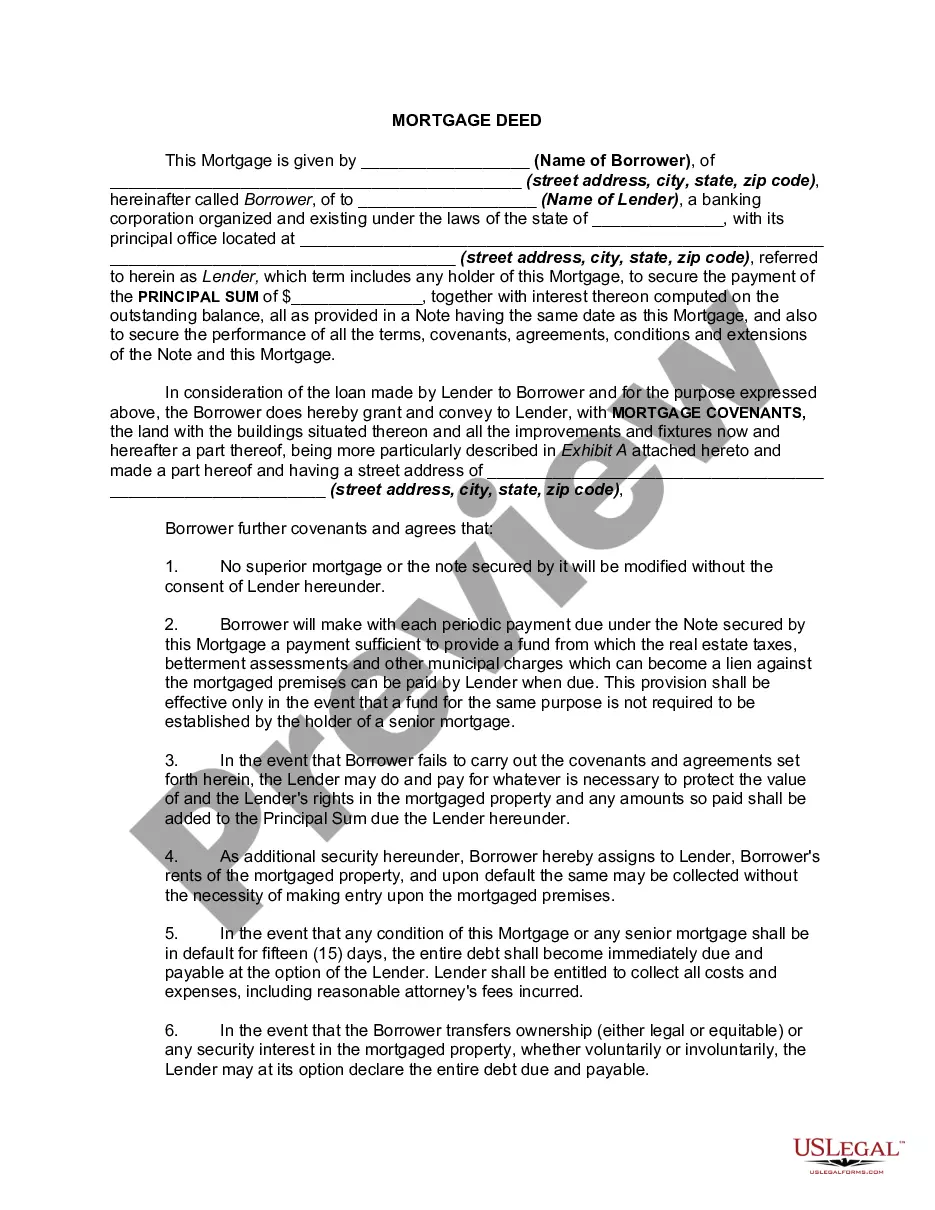

Get your form ready online
Our built-in tools help you complete, sign, share, and store your documents in one place.
Make edits, fill in missing information, and update formatting in US Legal Forms—just like you would in MS Word.
Download a copy, print it, send it by email, or mail it via USPS—whatever works best for your next step.
Sign and collect signatures with our SignNow integration. Send to multiple recipients, set reminders, and more. Go Premium to unlock E-Sign.
If this form requires notarization, complete it online through a secure video call—no need to meet a notary in person or wait for an appointment.
We protect your documents and personal data by following strict security and privacy standards.

Make edits, fill in missing information, and update formatting in US Legal Forms—just like you would in MS Word.

Download a copy, print it, send it by email, or mail it via USPS—whatever works best for your next step.

Sign and collect signatures with our SignNow integration. Send to multiple recipients, set reminders, and more. Go Premium to unlock E-Sign.

If this form requires notarization, complete it online through a secure video call—no need to meet a notary in person or wait for an appointment.

We protect your documents and personal data by following strict security and privacy standards.
Looking for another form?





Form popularity
FAQ
A creditor can sue you if you get behind in your payments. The creditor may file a law suit at the Magisterial District Court if it's for a small amount, or may sue you in the County Court of Common Pleas, or in Federal Court. A PA constable or sheriff must serve you with a copy of the Complaint.
When you receive a debt collection notice, you have the right to request validation of the debt within 30 days of the initial contact. Once you submit this request in writing, the debt collector must pause all collection activities until they provide the required proof.
As with credit scores, there is no set amount of debt that can disqualify you from being granted a security clearance. None of the major branches of the military looks only at how much you owe in making a decision on your candidacy. The reviewer of your case tries to put that amount in context.
In Philadelphia, you must file your small claims court case in person (not by mail) by going to the court's first filing office on the 10th floor of 1339 Chestnut Street in Philadelphia. The Philadelphia court has interviewers to assist you in filling out the paper work.
In Philadelphia, you must file your small claims court case in person (not by mail) by going to the court's first filing office on the 10th floor of 1339 Chestnut Street in Philadelphia. The Philadelphia court has interviewers to assist you in filling out the paper work.
The Constitution, in Article IX, Section 12 limits Philadelphia's ability to incur debt to a total of 13.5 percent of the value of its assessed taxable realty, based on an average of the immediately preceding 10 years.
In the Philadelphia Municipal Court, you can recover up to a maximum of $12,000 dollars. The court will usually hear negligence actions and contract actions.
A small claims case starts by filing a claim with the Pennsylvania Magisterial District Court. You'll serve a copy of the claim and court date on the "defendant," the person or company you're suing. At the trial, you'll present evidence supporting your case.
Here are crucial steps to follow in the debt collection process. Step 1: Contact the Debtor. Step 2: Send a Demand Letter. Step 3: Consider Negotiation. Step 4: Hire a Collection Agency. Step 5: Provide Documentation. Step 6: Monitor Progress. Step 7: Consider Legal Action.
The short answer is yes. If a creditor obtains a judgment against you, it can obtain a writ of execution to levy your bank account without prior notice to you.
