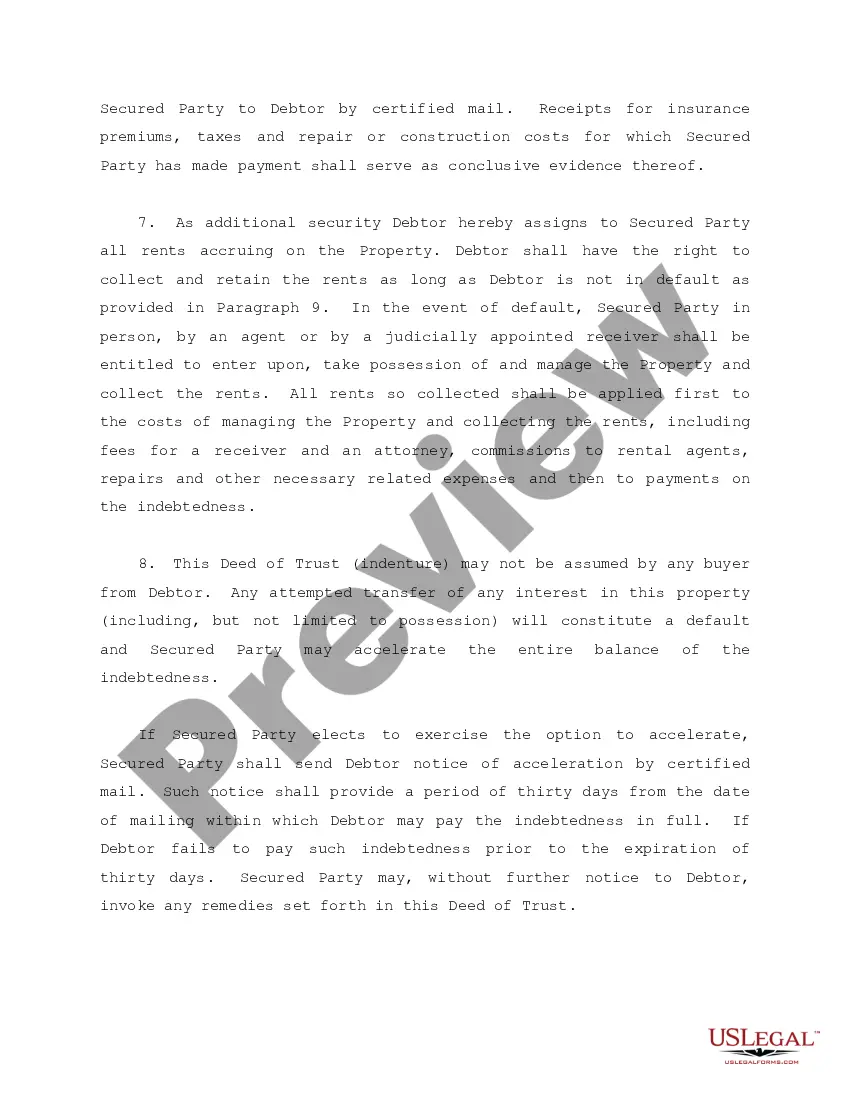
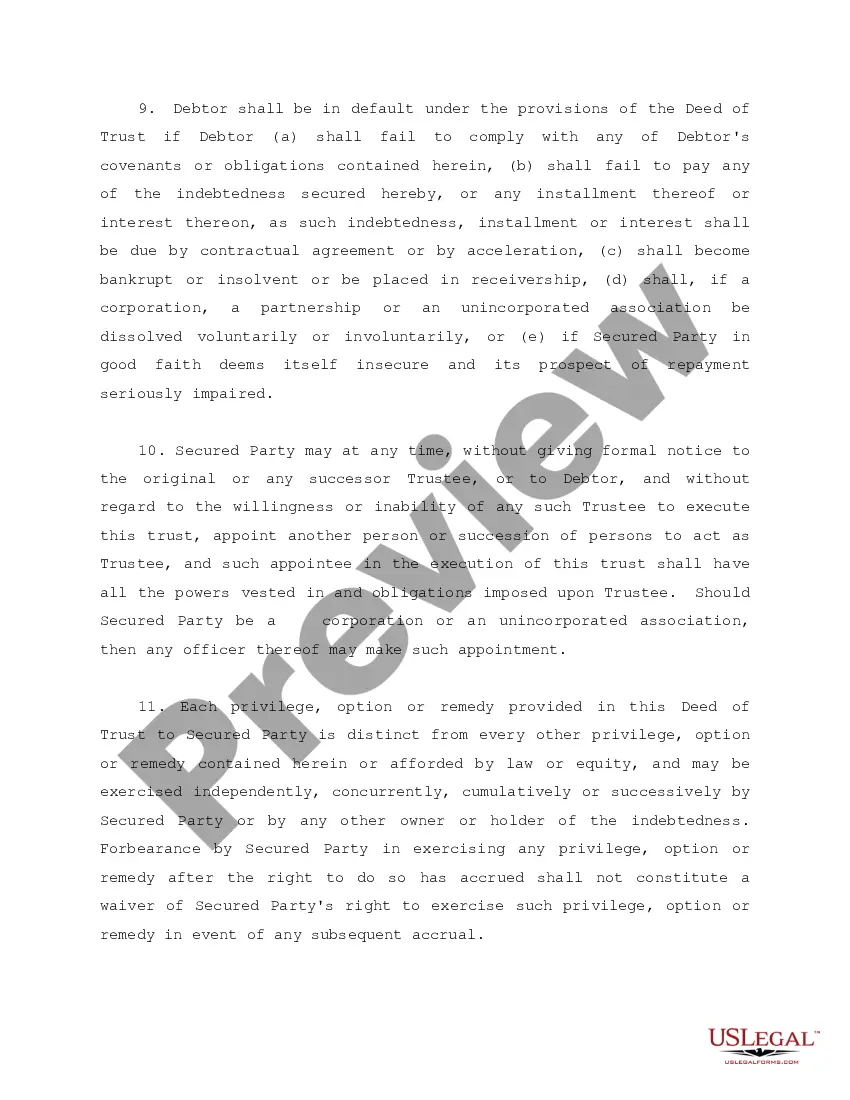
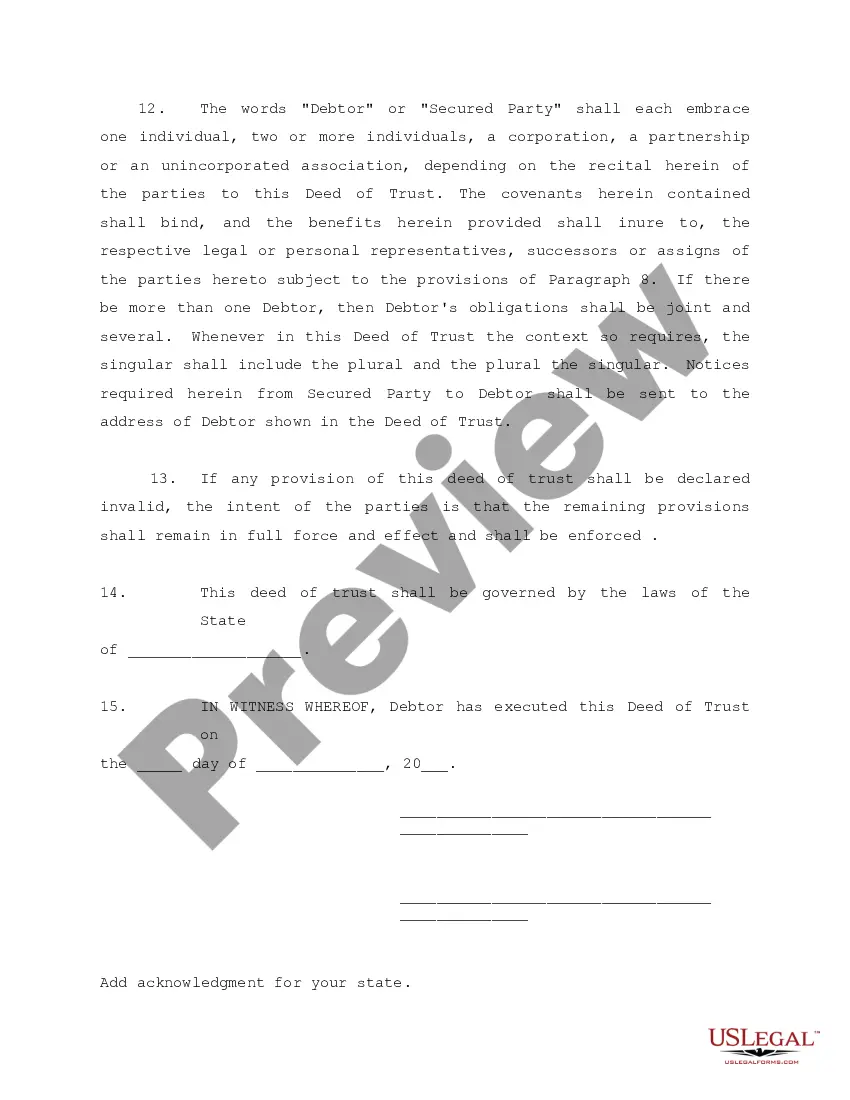
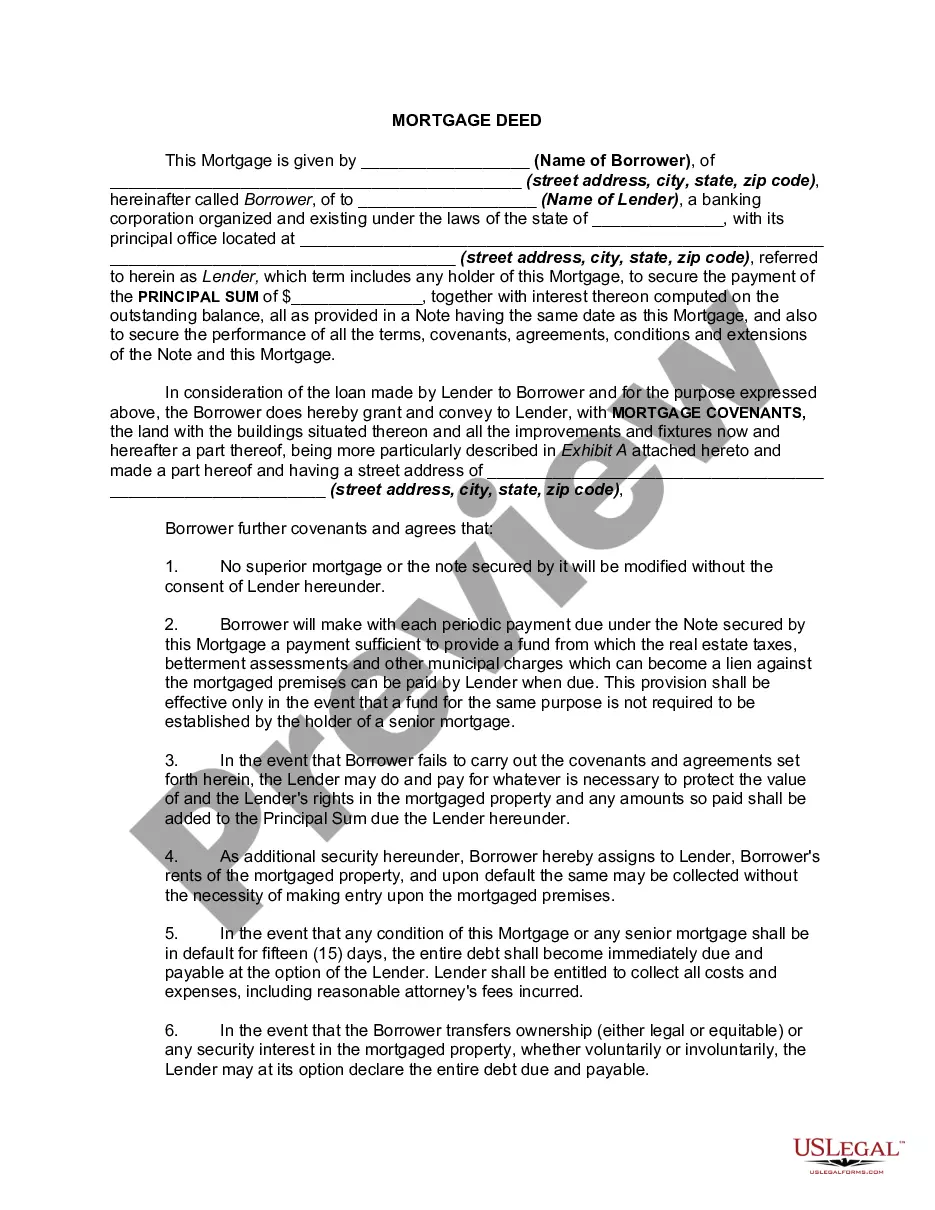
Security Debt Any For Dummies In Michigan
Description

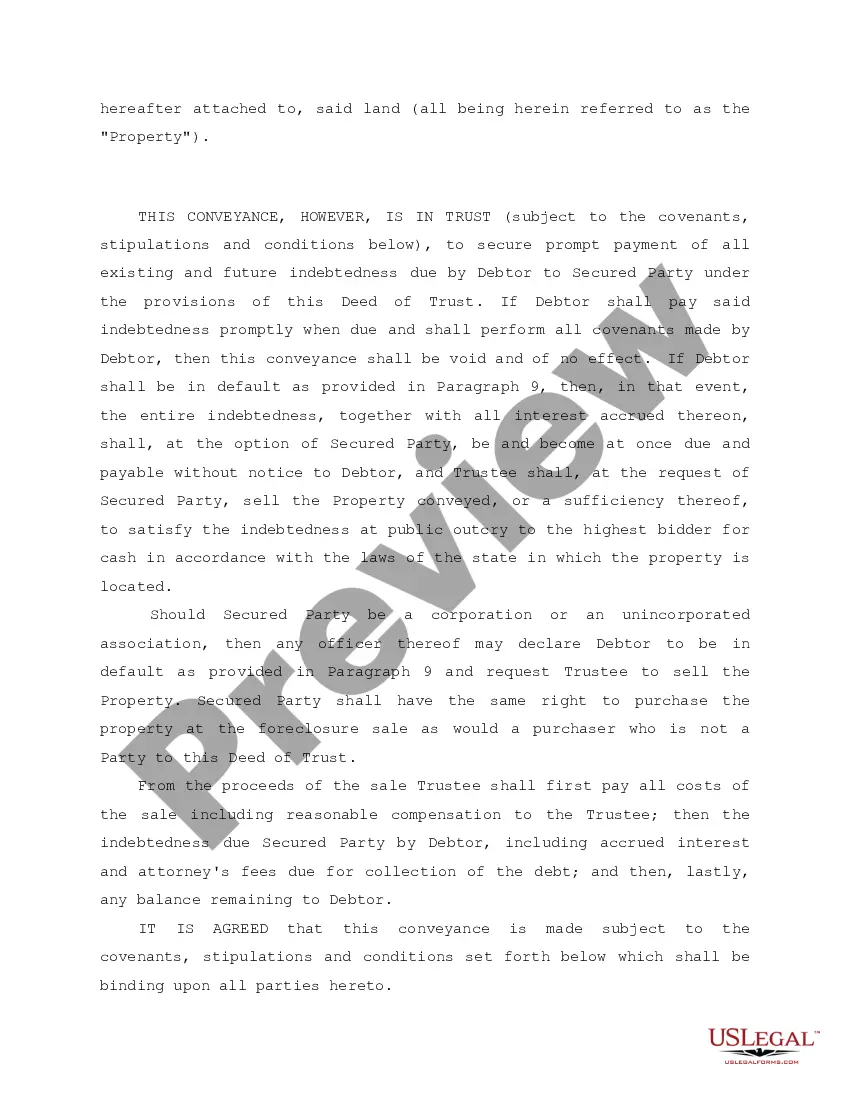
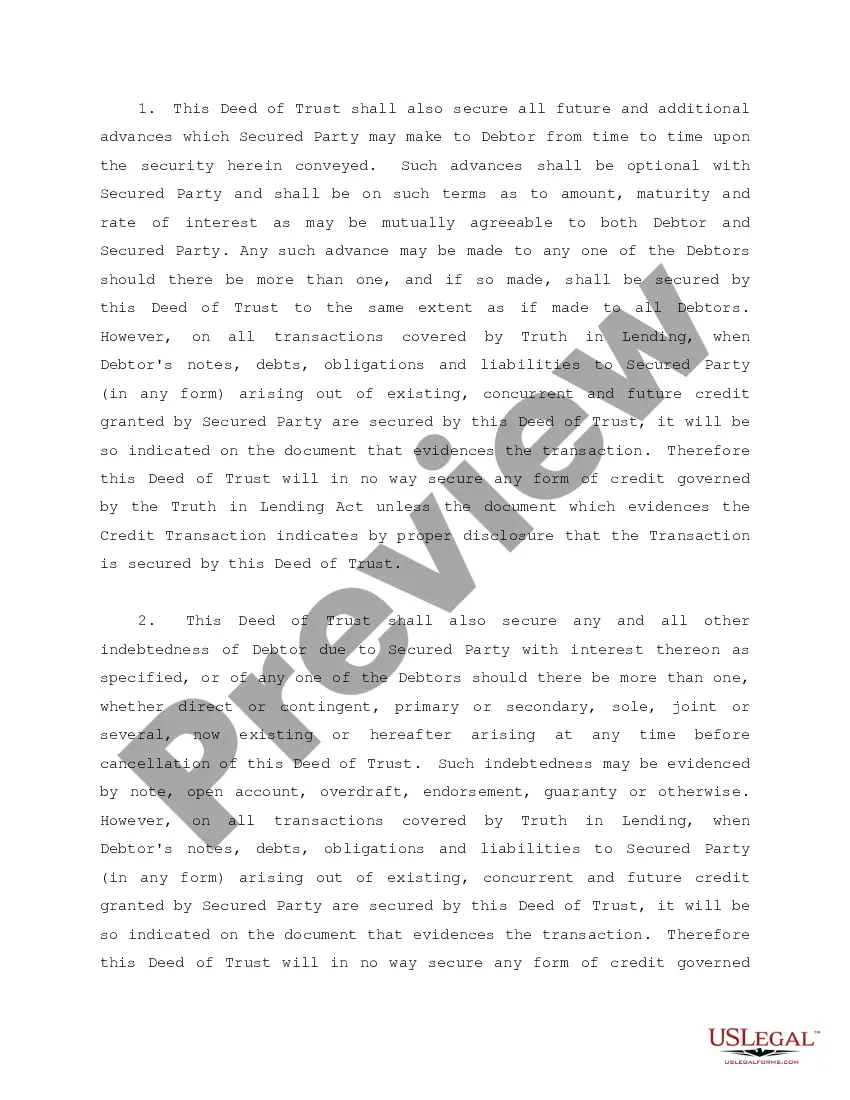
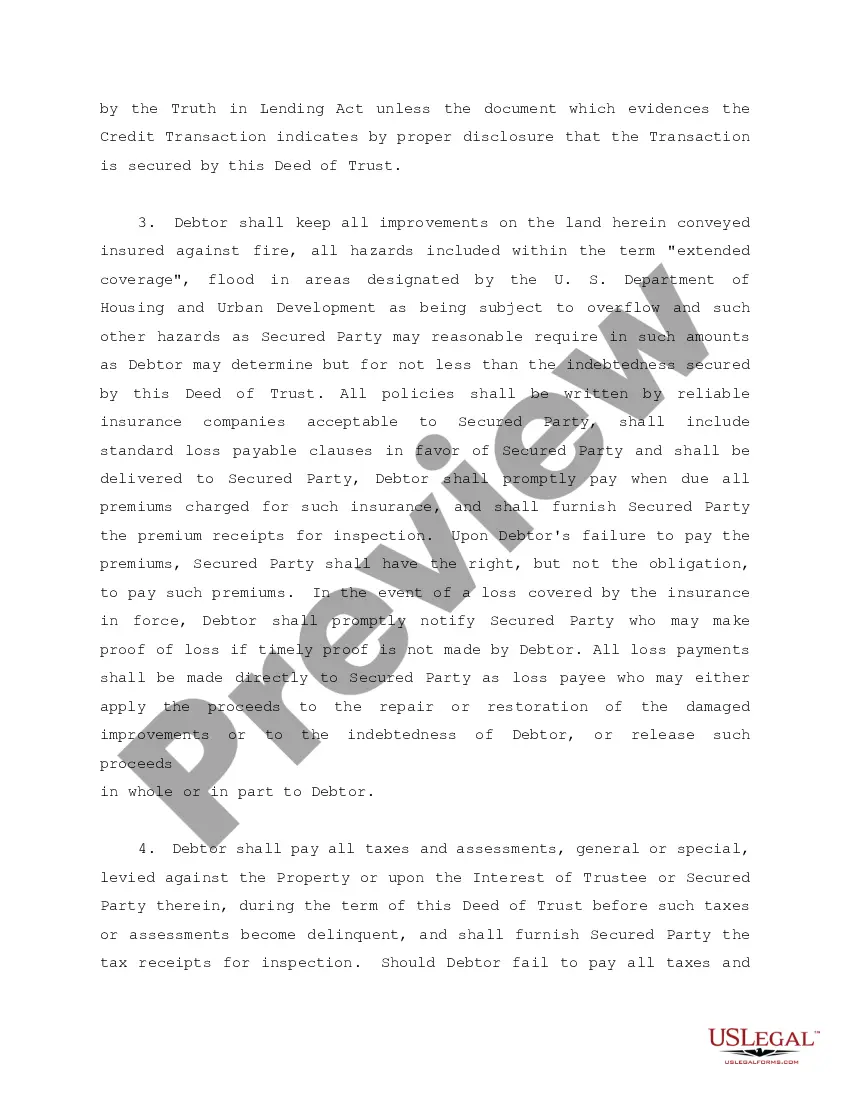
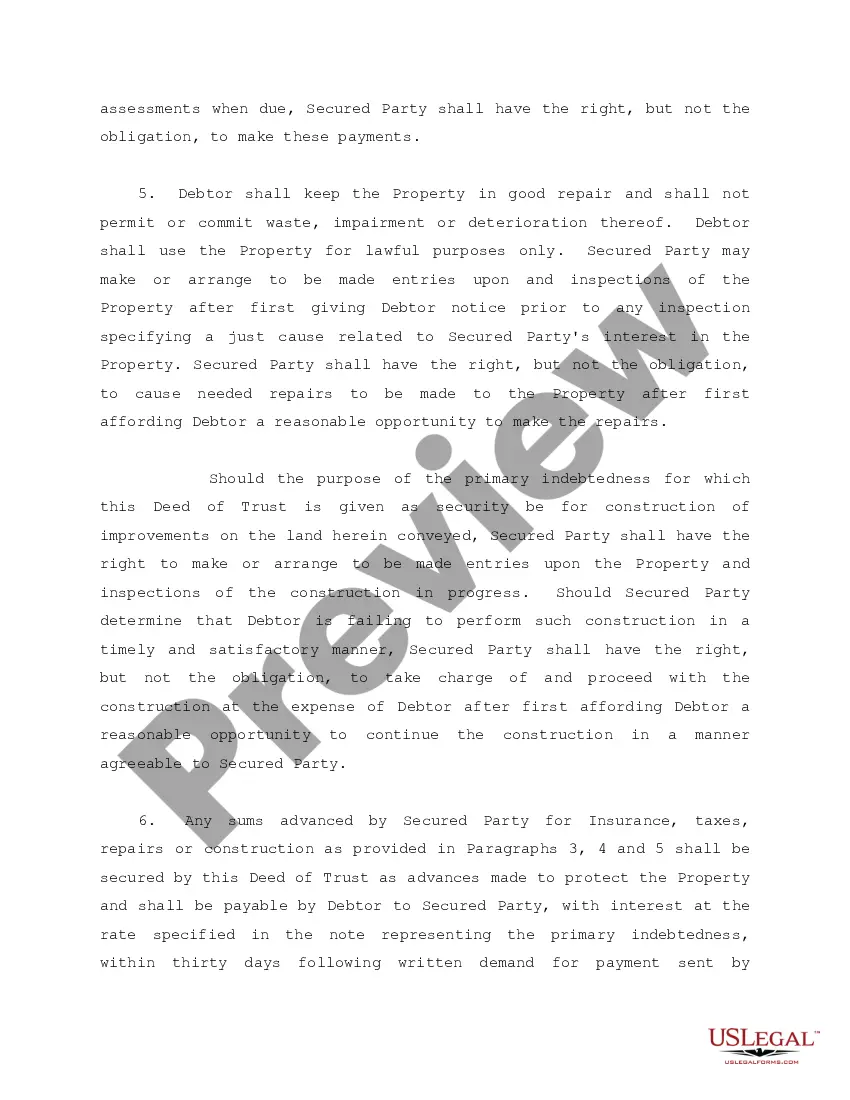

Get your form ready online
Our built-in tools help you complete, sign, share, and store your documents in one place.
Make edits, fill in missing information, and update formatting in US Legal Forms—just like you would in MS Word.
Download a copy, print it, send it by email, or mail it via USPS—whatever works best for your next step.
Sign and collect signatures with our SignNow integration. Send to multiple recipients, set reminders, and more. Go Premium to unlock E-Sign.
If this form requires notarization, complete it online through a secure video call—no need to meet a notary in person or wait for an appointment.
We protect your documents and personal data by following strict security and privacy standards.

Make edits, fill in missing information, and update formatting in US Legal Forms—just like you would in MS Word.

Download a copy, print it, send it by email, or mail it via USPS—whatever works best for your next step.

Sign and collect signatures with our SignNow integration. Send to multiple recipients, set reminders, and more. Go Premium to unlock E-Sign.

If this form requires notarization, complete it online through a secure video call—no need to meet a notary in person or wait for an appointment.

We protect your documents and personal data by following strict security and privacy standards.
Looking for another form?
Form popularity
FAQ
What information is required for a UCC-1 filing? For a filing against an individual person as the debtor, the required information is: Last name, first name. Mailing address, city, state, zip code and country.
What information is required for a UCC-1 filing? For a filing against an individual person as the debtor, the required information is: Last name, first name. Mailing address, city, state, zip code and country.
Uniform Commercial Code (UCC) filings allow creditors to notify other creditors about a debtor's assets used as collateral for a secured transaction. UCC liens filed with Secretary of State offices act as a public notice by the "creditor" of the creditor's interest in the property.
UCC stands for Uniform Commercial Code and is a set of laws applicable in business and commercial transactions. They are not considered federal laws but as uniformly adopted state laws. UCC contains nine articles with provisions on certain areas of commercial law.
UCC liens can be filed on a range of personal and/or business assets, including but not limited to real estate, inventory, receivables, vehicles, machinery and equipment. Once a UCC lien is filed with the secretary of state's office, it becomes public record, meaning anyone can go online and search for active filings.
The UCC also does not apply if none of the parties are a merchant. In other words, the sale of goods between individuals is governed by the common law. If a sales transaction involves a merchant, then the UCC usually applies.
Old (Time-Barred) Debts In California, there is generally a four-year limit for filing a lawsuit to collect a debt based on a written agreement.
A creditor cannot garnish Federal and city income tax refunds; Supplemental Security Income; State welfare or Veteran s benefits; unemployment compensation; worker s compensation; State and Federal civil service retirement benefits or military retirement benefits; IRAs and life insurance payable to a spouse or child of ...
Debt Collection Statute of Limitations by State StateWritten ContractOpen-Ended Accounts California 4 years 4 years Colorado 3 (6 most debts; rent) (2 tortious breach) 6 years Connecticut 6 years 6 years Delaware 3 years 3 years47 more rows •
Michigan's UCC was enacted at Michigan Public Act 174 of 1962, MCL § 440.1101 et seq. It has been amended a handful of times since its inception, with the most recent modification occurring in September 1992.
