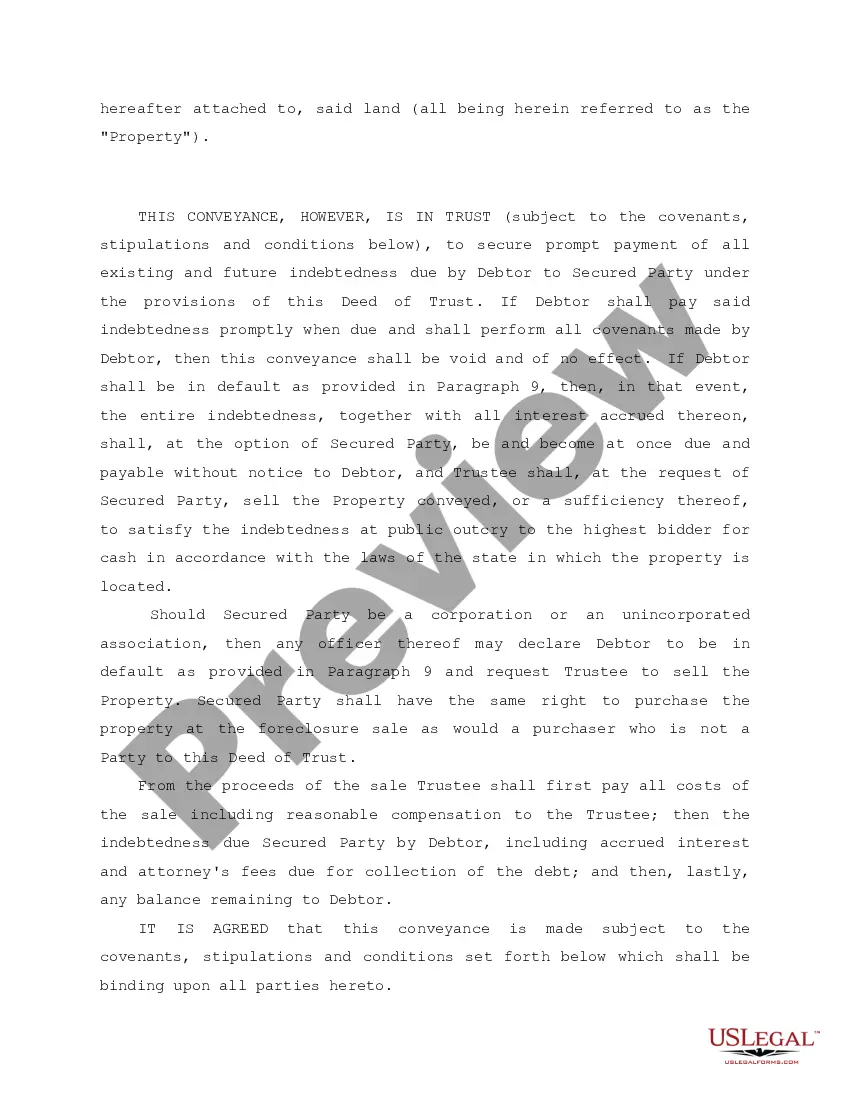
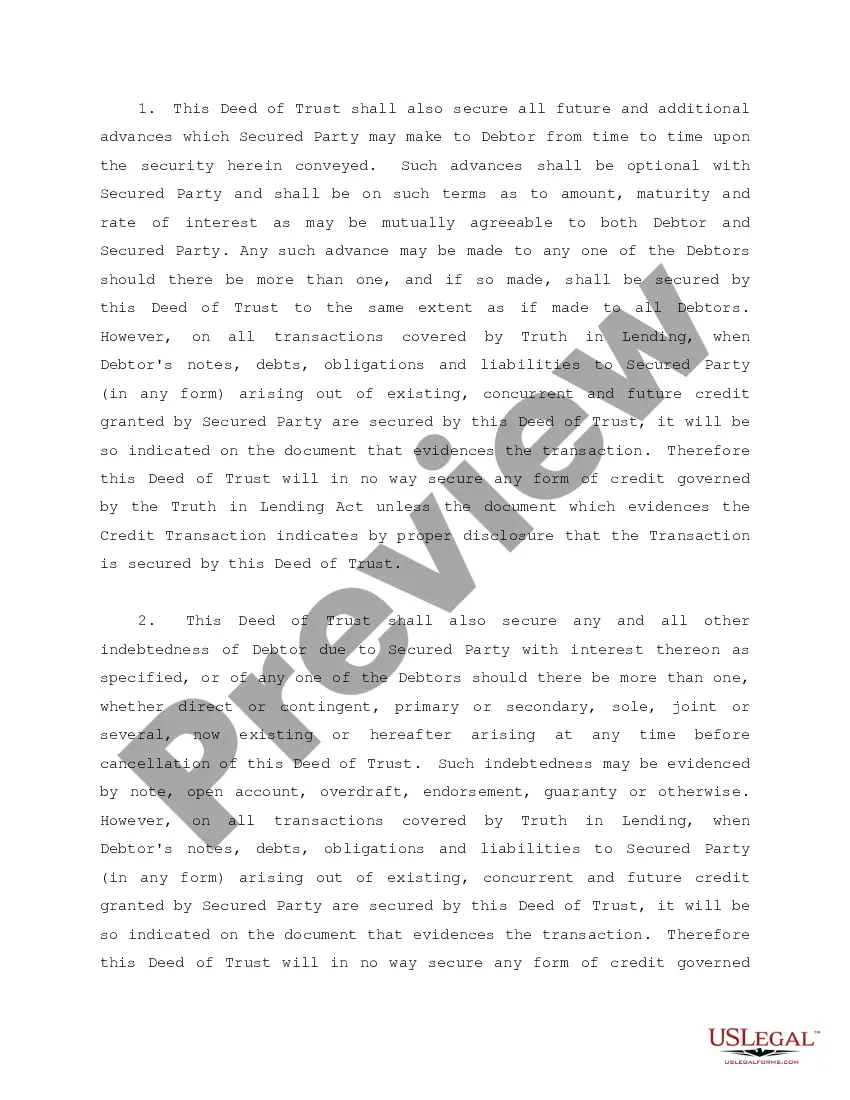
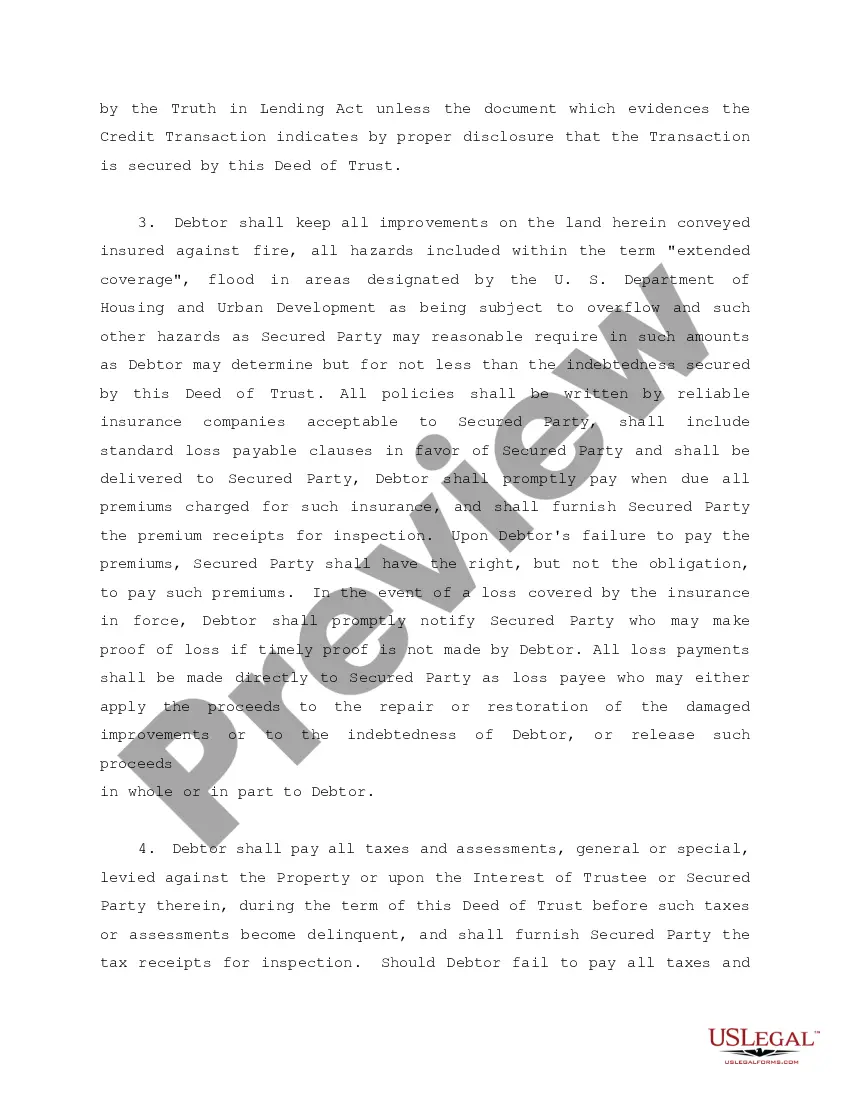
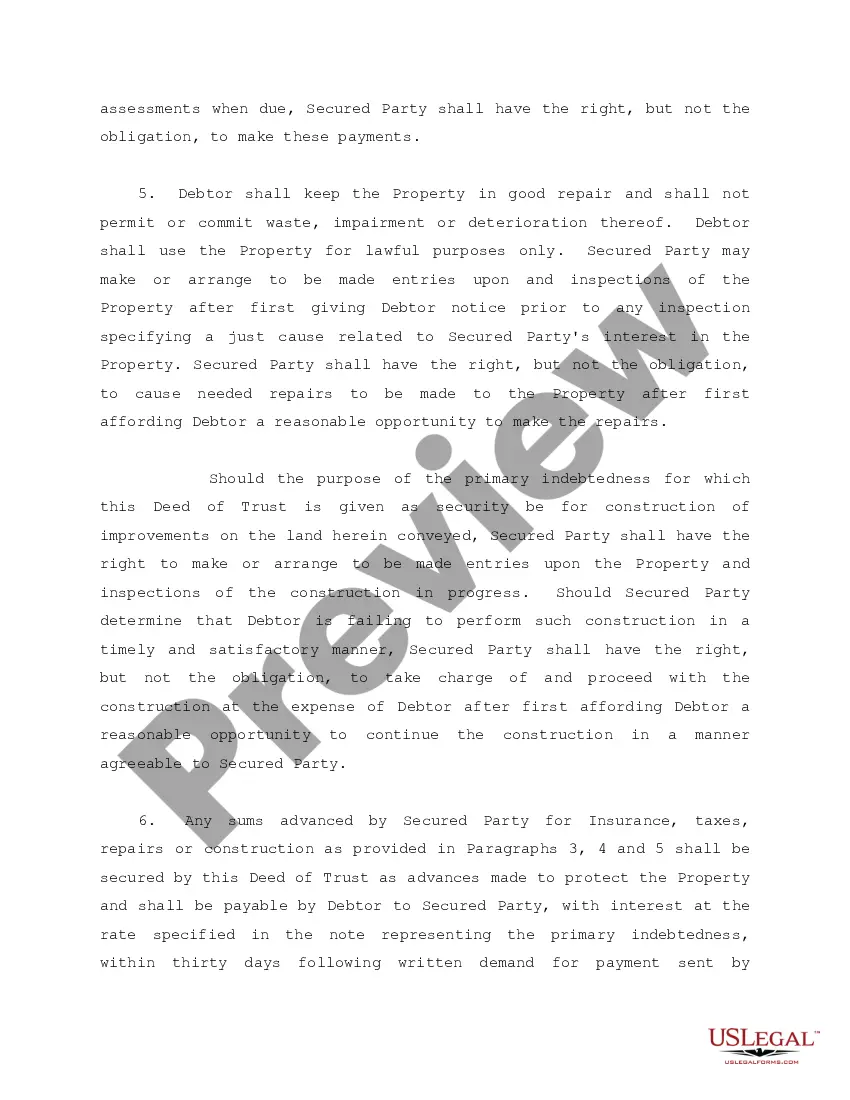
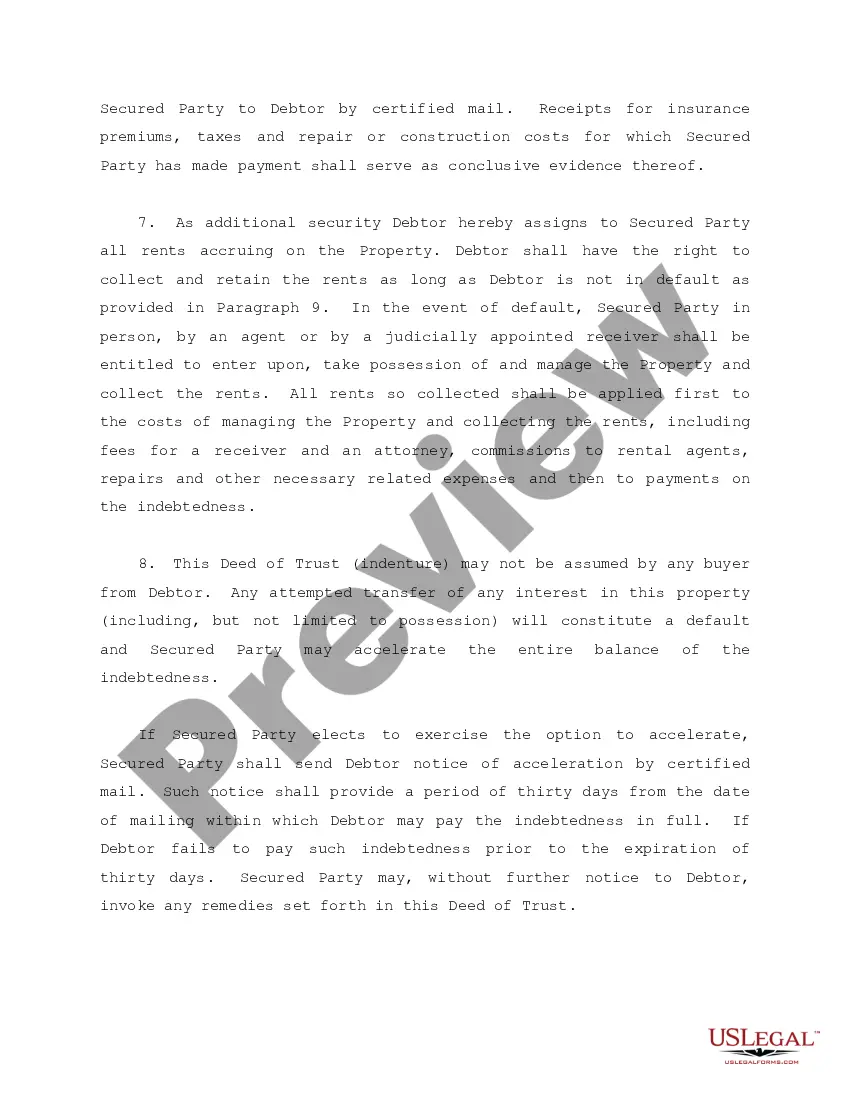
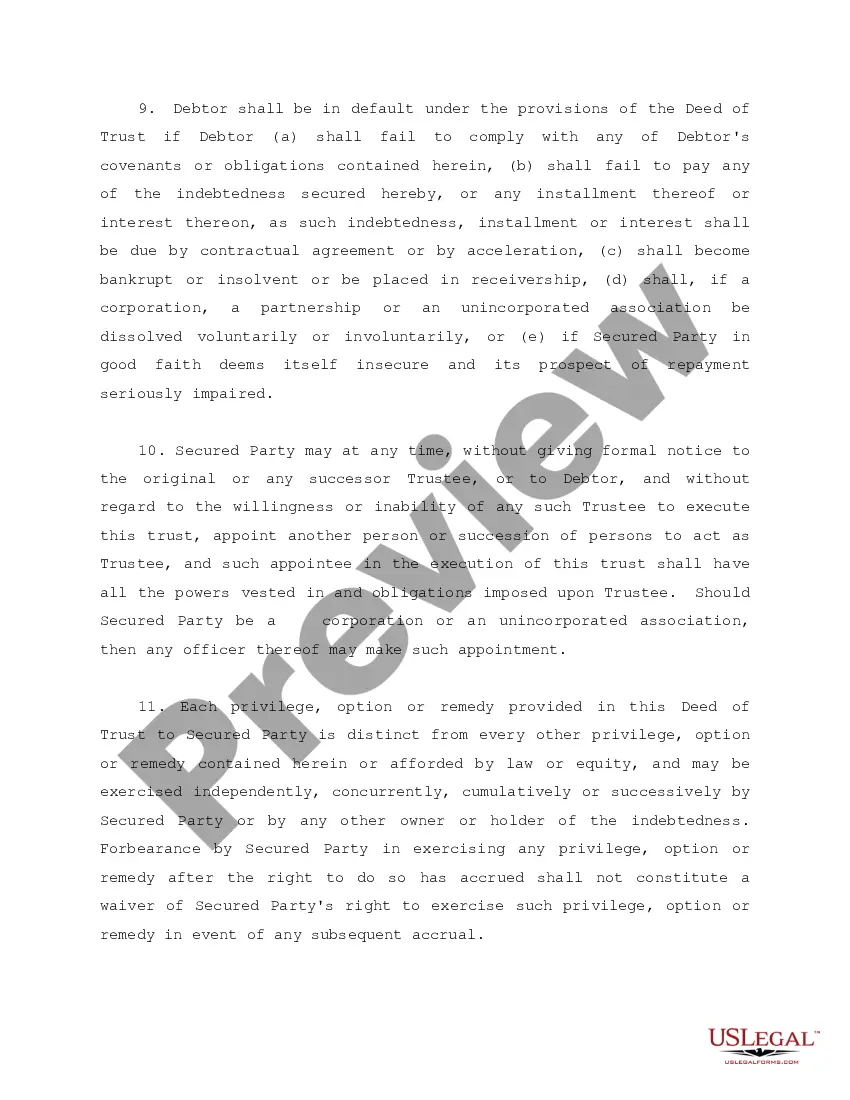
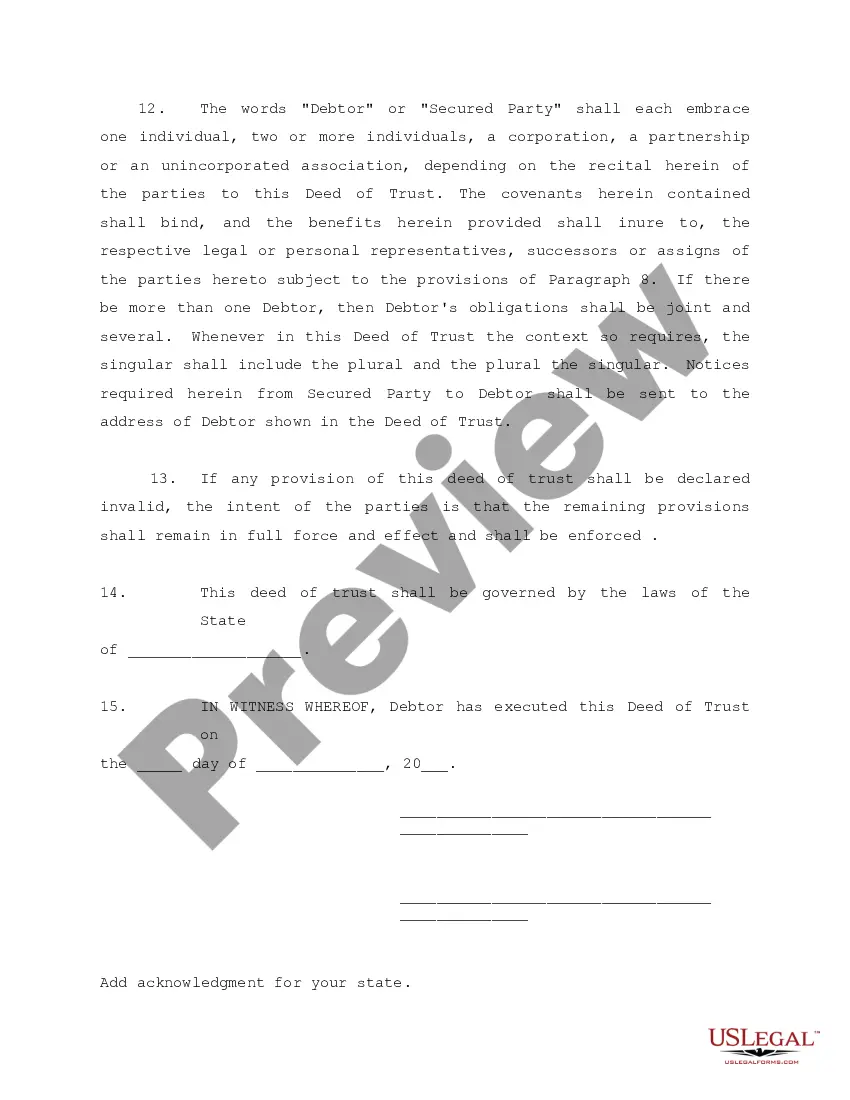
Secured Debt Any For Auto Loan In Maryland
Description



Get your form ready online
Our built-in tools help you complete, sign, share, and store your documents in one place.
Make edits, fill in missing information, and update formatting in US Legal Forms—just like you would in MS Word.
Download a copy, print it, send it by email, or mail it via USPS—whatever works best for your next step.
Sign and collect signatures with our SignNow integration. Send to multiple recipients, set reminders, and more. Go Premium to unlock E-Sign.
If this form requires notarization, complete it online through a secure video call—no need to meet a notary in person or wait for an appointment.
We protect your documents and personal data by following strict security and privacy standards.

Make edits, fill in missing information, and update formatting in US Legal Forms—just like you would in MS Word.

Download a copy, print it, send it by email, or mail it via USPS—whatever works best for your next step.

Sign and collect signatures with our SignNow integration. Send to multiple recipients, set reminders, and more. Go Premium to unlock E-Sign.

If this form requires notarization, complete it online through a secure video call—no need to meet a notary in person or wait for an appointment.

We protect your documents and personal data by following strict security and privacy standards.
Looking for another form?

Form popularity
FAQ
If you're married and own a home, Maryland assumes that you hold it under “tenancy by the entirety.” Tenancy by the entirety protects your home from creditors who come after the debts of one spouse. It doesn't protect you from jointly held debts, however.
What Can't be Garnished? (Exemptions from Bank Garnishment) Social Security benefits (Disability and retirement) Veterans benefits and other federal benefits listed here. Child support. State public assistance benefits (SNAP, TCA, etc.) Qualified retirement benefits (401k, IRA, pensions) Workers Compensation.
Lenders may request the placement of a lien by applying in-person at any of the MVA's full service branch offices, in-person to the Vehicle Services Unit in the Glen Burnie office, or by mail to the Central Lien Unit. A lien may be placed on a new vehicle or a newly acquired used vehicle at the time of titling.
Property held as “payable on death” will pass to the designated beneficiaries. Assets that are held in a revocable or irrevocable trust will pass to the beneficiaries named under the trust instrument without going through probate (unless the trust terminates and provides the assets are to be distributed to the estate).
In Maryland, individuals filing for Chapter 7 bankruptcy can typically keep one or more vehicles, provided that they meet certain conditions. Generally, you can keep your car if you continue making payments on any outstanding auto loans and the car's equity falls under Maryland's exemption limits.
For example, retirement accounts, IRAs, both qualified and depending on state laws, and some estate plans. Those are generally exempt, although there's special rules for those. Life insurance, that's another exemption. Creditors in many circumstances can't reach assets.
Yes. There are time limits governing when a creditor can sue you for a debt. These laws are called the statute of limitations. In Maryland, the statute of limitations requires that a lawsuit be filed within three years for written contracts, and 3 years for open accounts, such as credit cards.
You must schedule a salvaged vehicle inspection online through the MSP Salvage Scheduling System. After the inspection has been completed, you can apply for a title and registration in person at any of the MVA's full service branch offices.
Same Day Permanent MVA Tags Maryland Speedy Tag and Title will provide immediate full vehicle registration for one or two years if the vehicle has been inspected.
