Secure Debt Shall Forget In Dallas
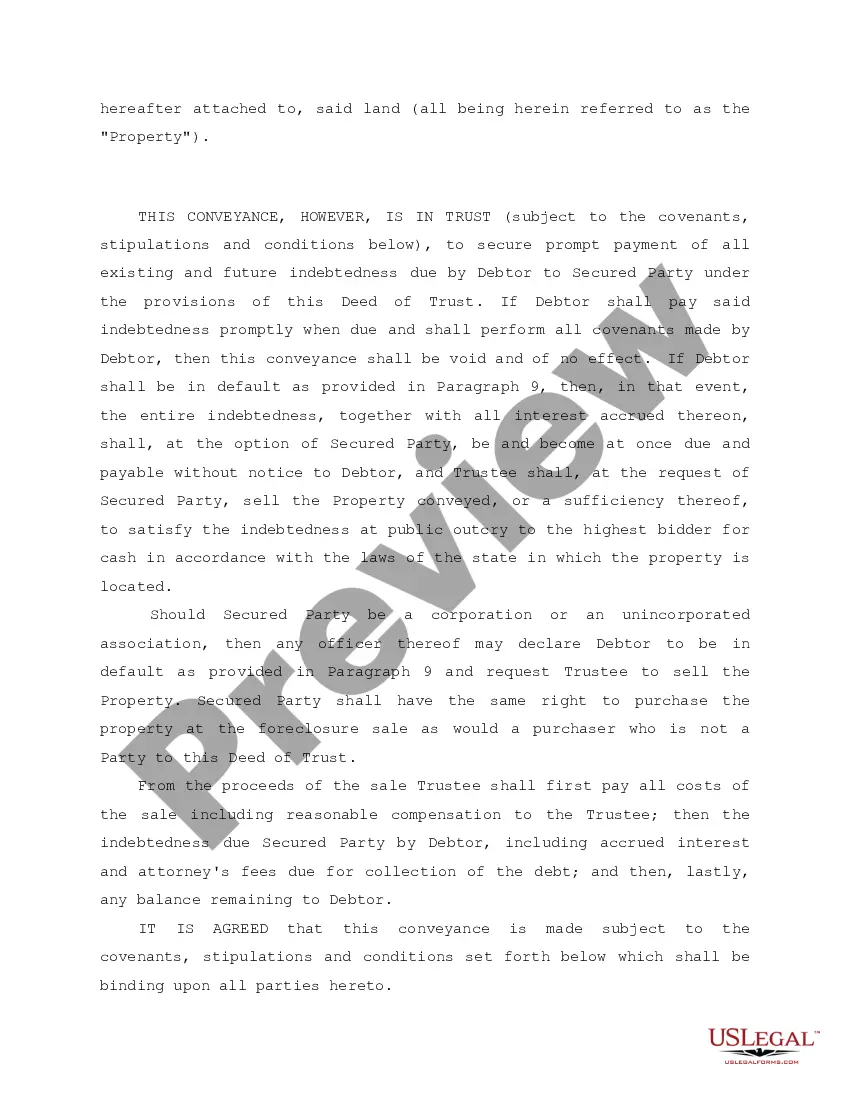
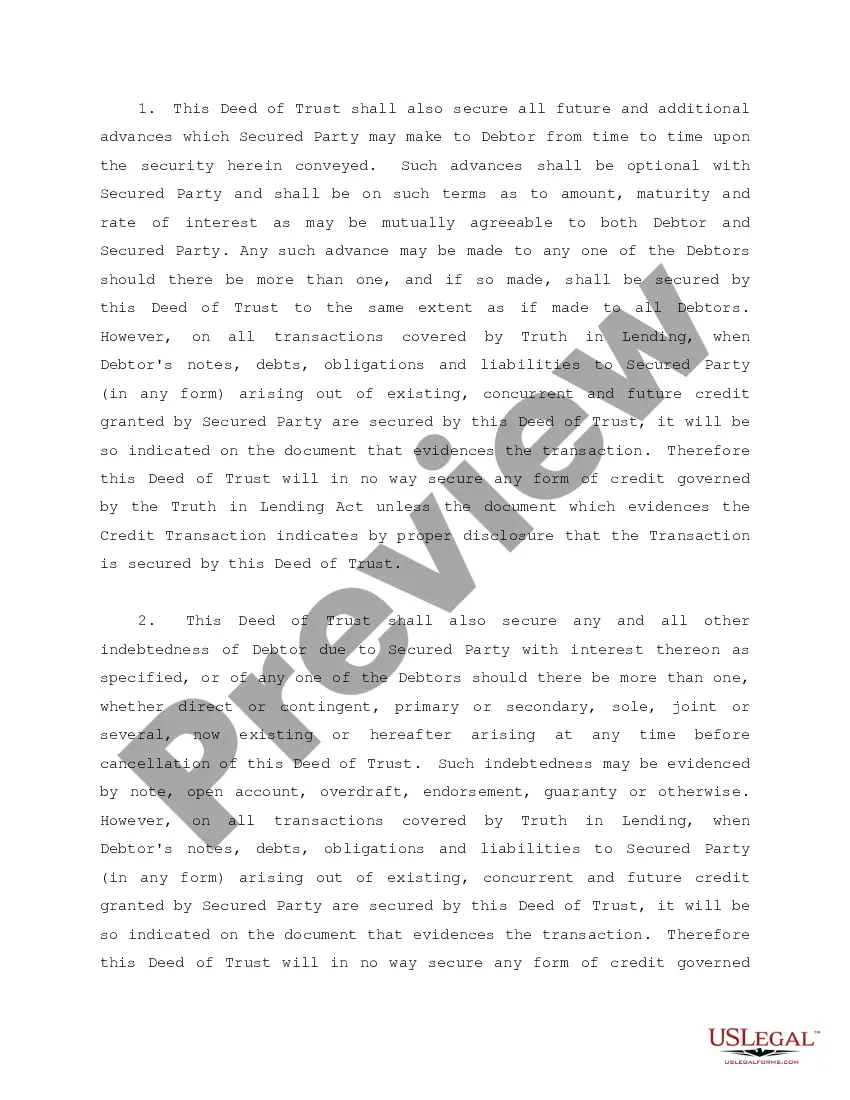
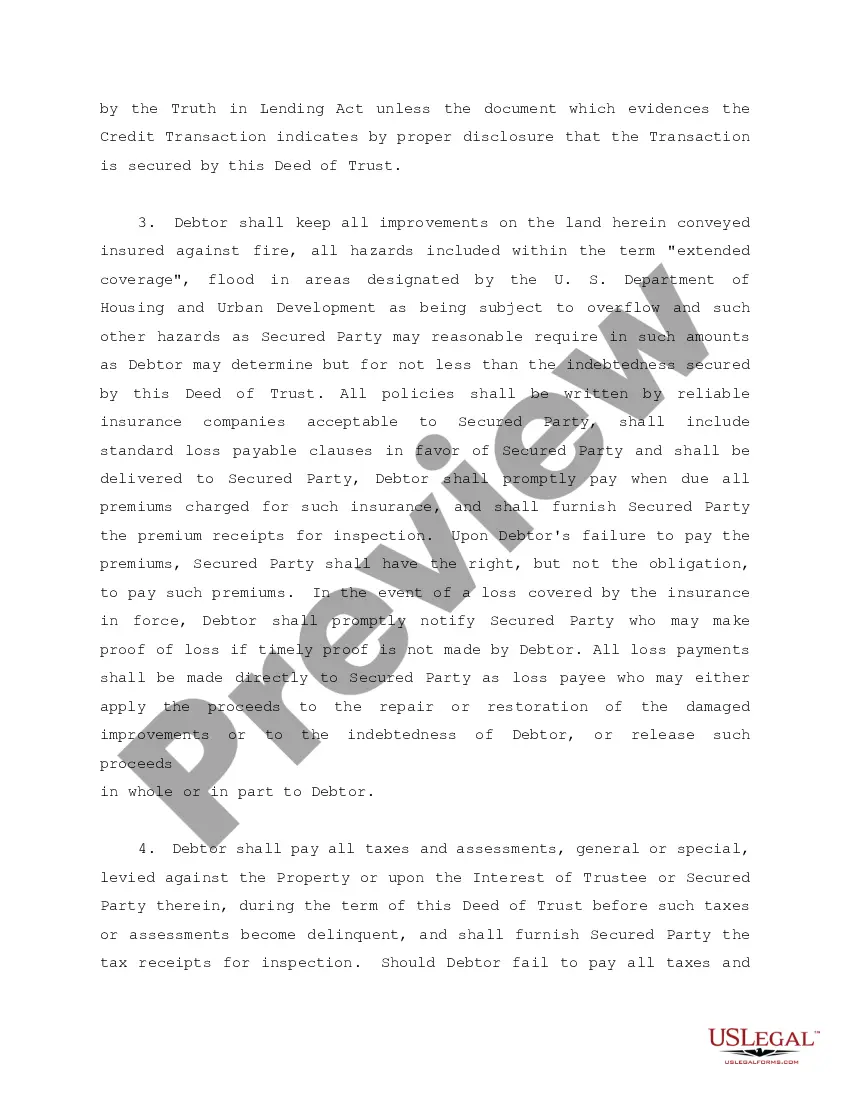
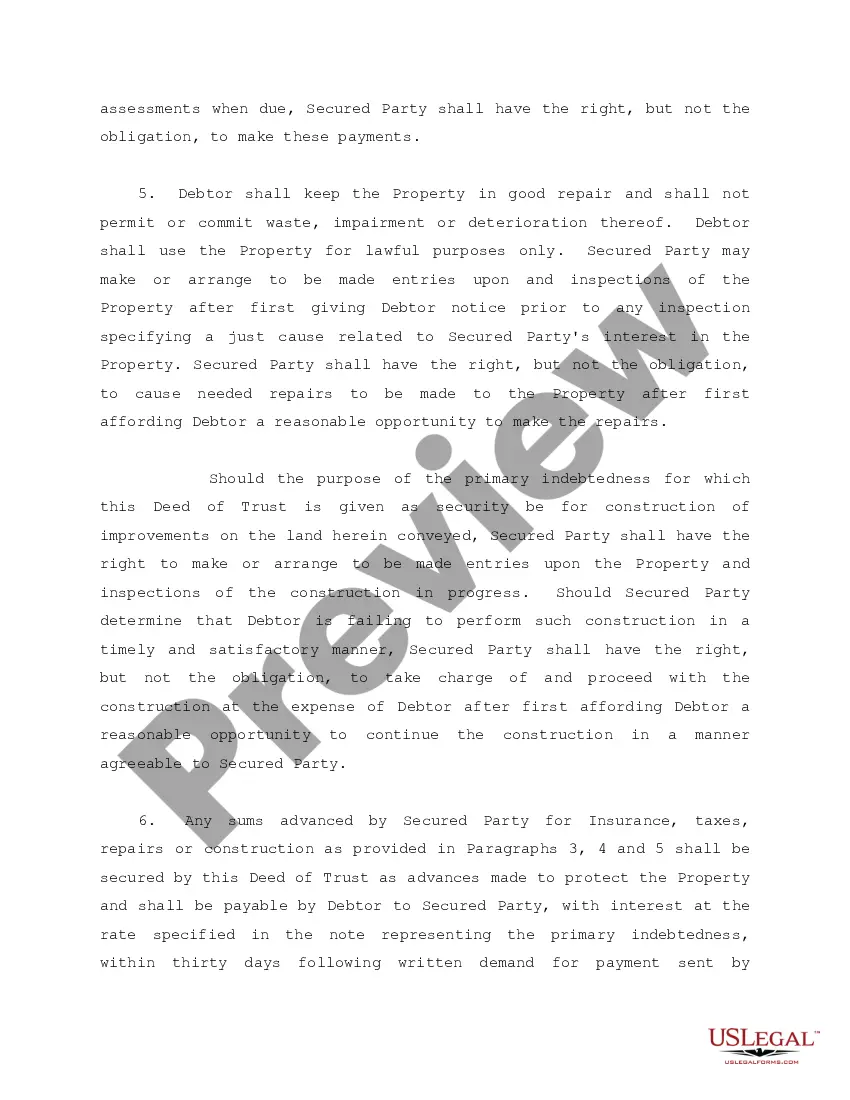
Description

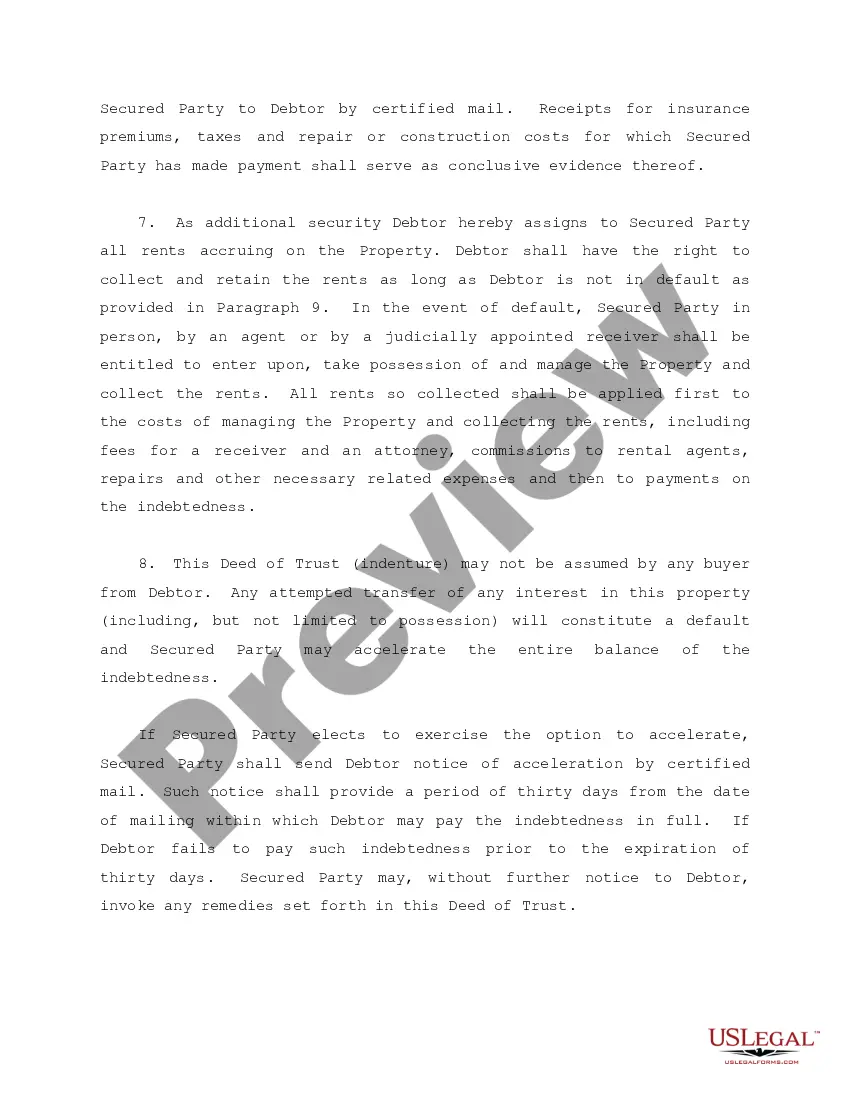
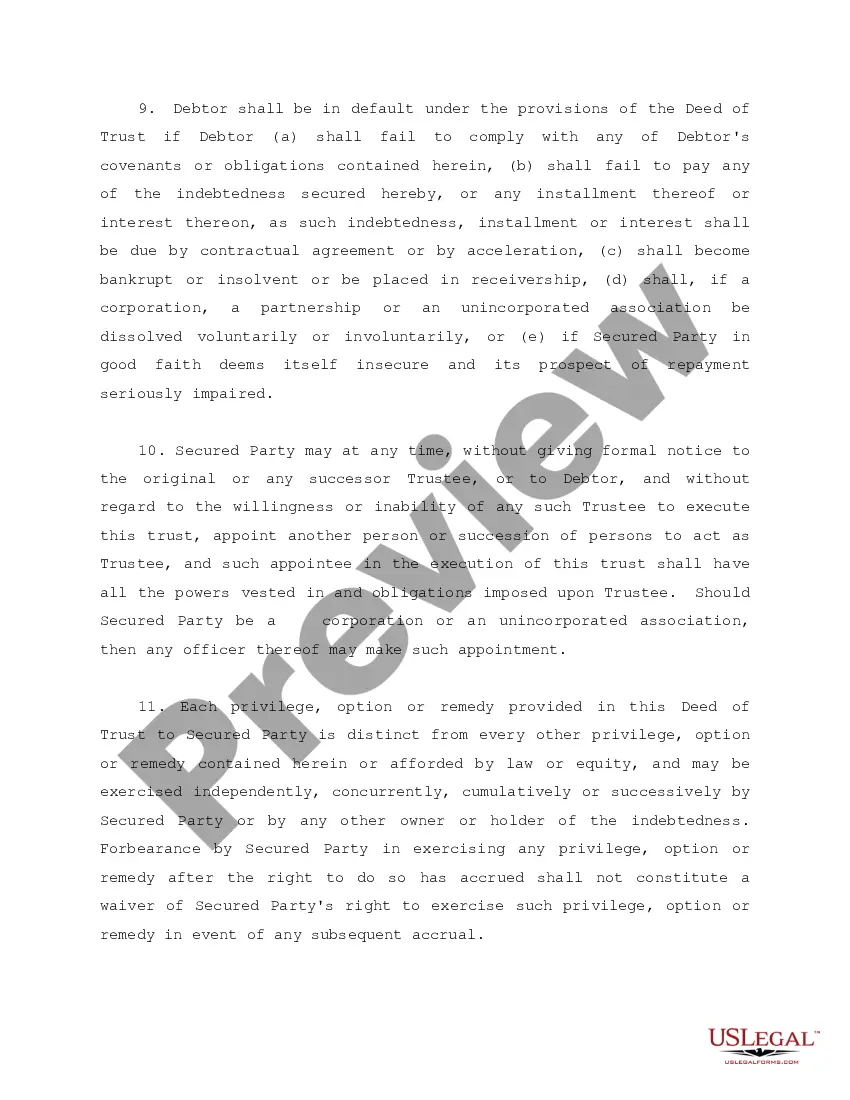
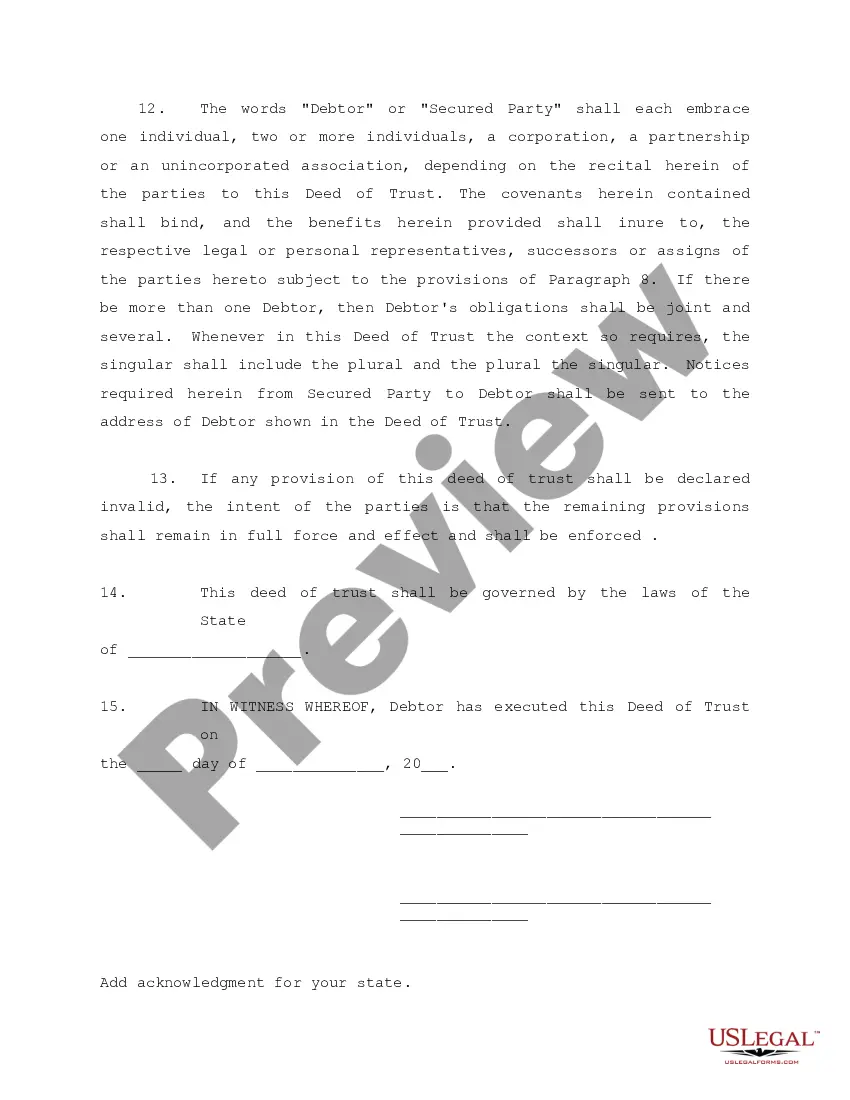
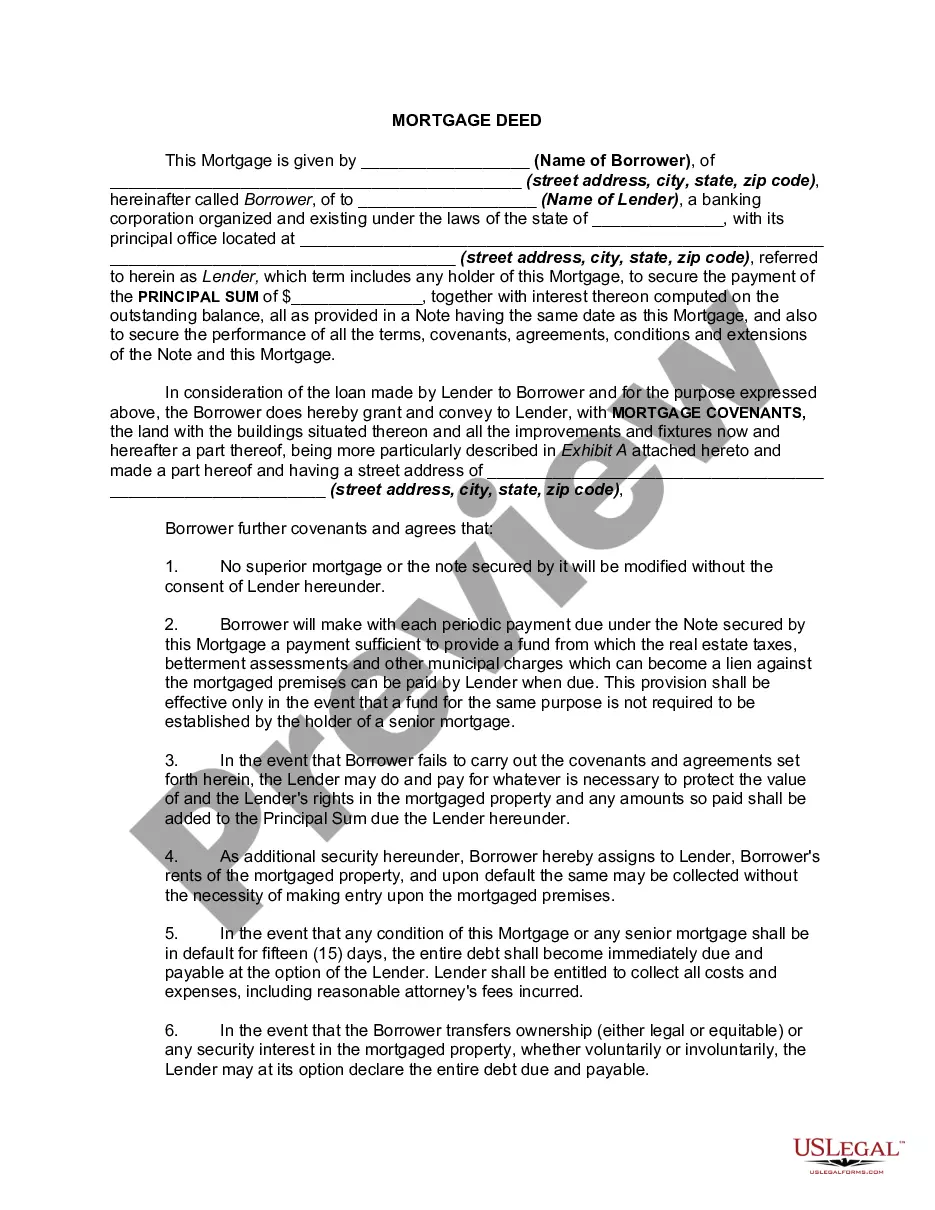

Get your form ready online
Our built-in tools help you complete, sign, share, and store your documents in one place.
Make edits, fill in missing information, and update formatting in US Legal Forms—just like you would in MS Word.
Download a copy, print it, send it by email, or mail it via USPS—whatever works best for your next step.
Sign and collect signatures with our SignNow integration. Send to multiple recipients, set reminders, and more. Go Premium to unlock E-Sign.
If this form requires notarization, complete it online through a secure video call—no need to meet a notary in person or wait for an appointment.
We protect your documents and personal data by following strict security and privacy standards.

Make edits, fill in missing information, and update formatting in US Legal Forms—just like you would in MS Word.

Download a copy, print it, send it by email, or mail it via USPS—whatever works best for your next step.

Sign and collect signatures with our SignNow integration. Send to multiple recipients, set reminders, and more. Go Premium to unlock E-Sign.

If this form requires notarization, complete it online through a secure video call—no need to meet a notary in person or wait for an appointment.

We protect your documents and personal data by following strict security and privacy standards.
Looking for another form?
Form popularity
FAQ
A debt collector cannot garnish your wages for ordinary debts. However, Texas allows for a bank account to be frozen. Once wages are deposited into a bank account, the funds can be frozen and possibly seized. In order to do this, a debt collector must have won the lawsuit and had an order issued by the court.
Send the agency a letter by mail asking them to confirm their debt in writing. Search for the company name on the internet, review their website, call their number, etc. Do your homework. If they refuse to answer all of your questions, there's a good chance you're in the middle of a scam.
The statute of limitations on debt in Texas is four years.
Specifically, the rule states that a debt collector cannot: Make more than seven calls within a seven-day period to a consumer regarding a specific debt. Call a consumer within seven days after having a telephone conversation about that debt.
Ignoring debt collectors might cause further issues. It might make your financial burden larger. You may get served a lawsuit if your creditor believes you owe them a significant debt.
Ignoring or avoiding the debt collector may cause the debt collector to use other methods to try to collect the debt, including a lawsuit against you. If you are unable to come to an agreement with a debt collector, you may want to contact an attorney who can provide you with legal advice about your situation.
Once wages are deposited into a bank account, the funds can be frozen and possibly seized. In order to do this, a debt collector must have won the lawsuit and had an order issued by the court. This can be confusing because the order is called a "writ of garnishment" but it still cannot be used to take incoming wages.
If you have a complaint about a professional agency or a third-party debt collector, you may wish to call the Texas Attorney General's Consumer Protection Helpline at 800.621. 0508. That agency accepts complaints of this kind and has additional information about debt collection.
Texas law gives someone 4 years to bring a lawsuit for unpaid debt. This time period is commonly referred to as the statute of limitations. Once the time period is up, a person is prohibited from filing suit to recover the debt. This means the debt is time-barred.
A frozen bank account is a sure sign that a creditor or debt collector has obtained a court judgment against you (or your joint account holder, if you have a joint bank account). A creditor or debt collector cannot freeze your bank account unless it has a judgment.
