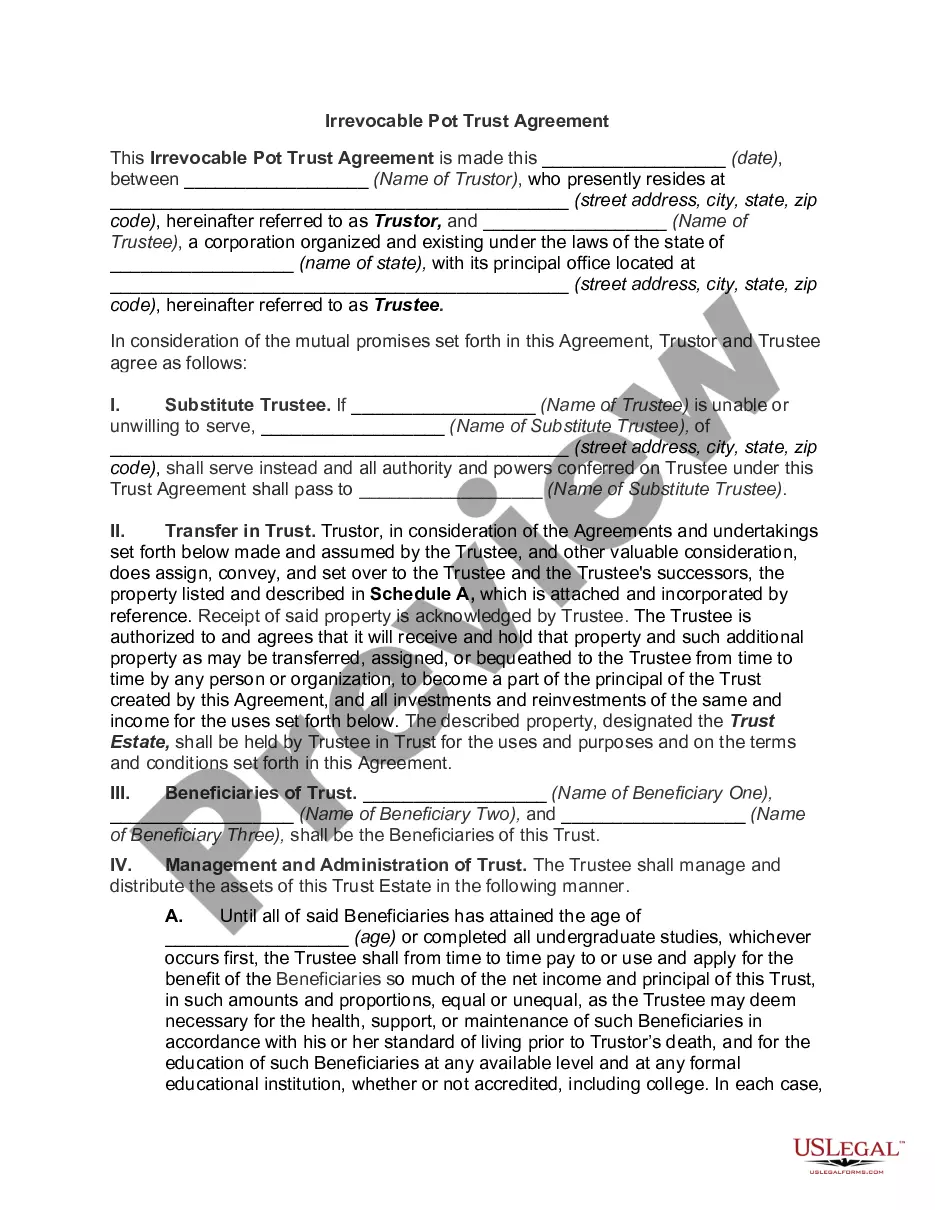
Secured Debt Any For Auto Loan In Bexar
Description

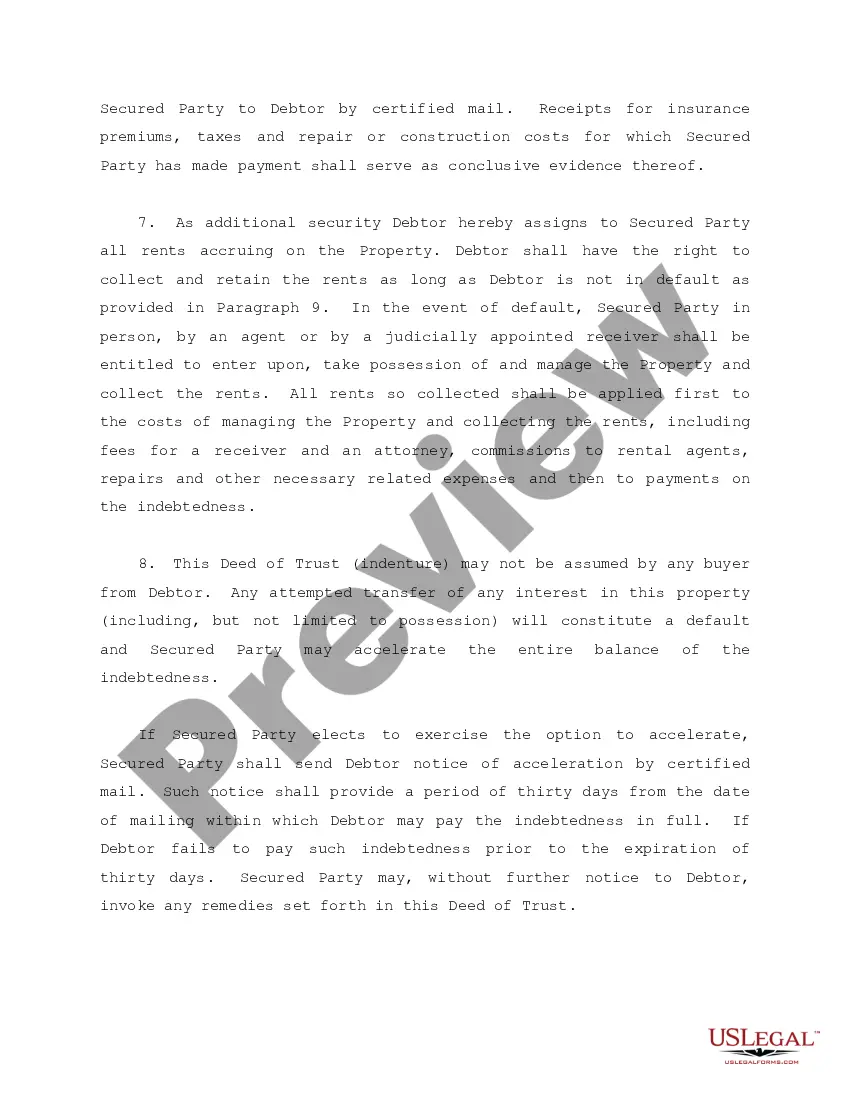
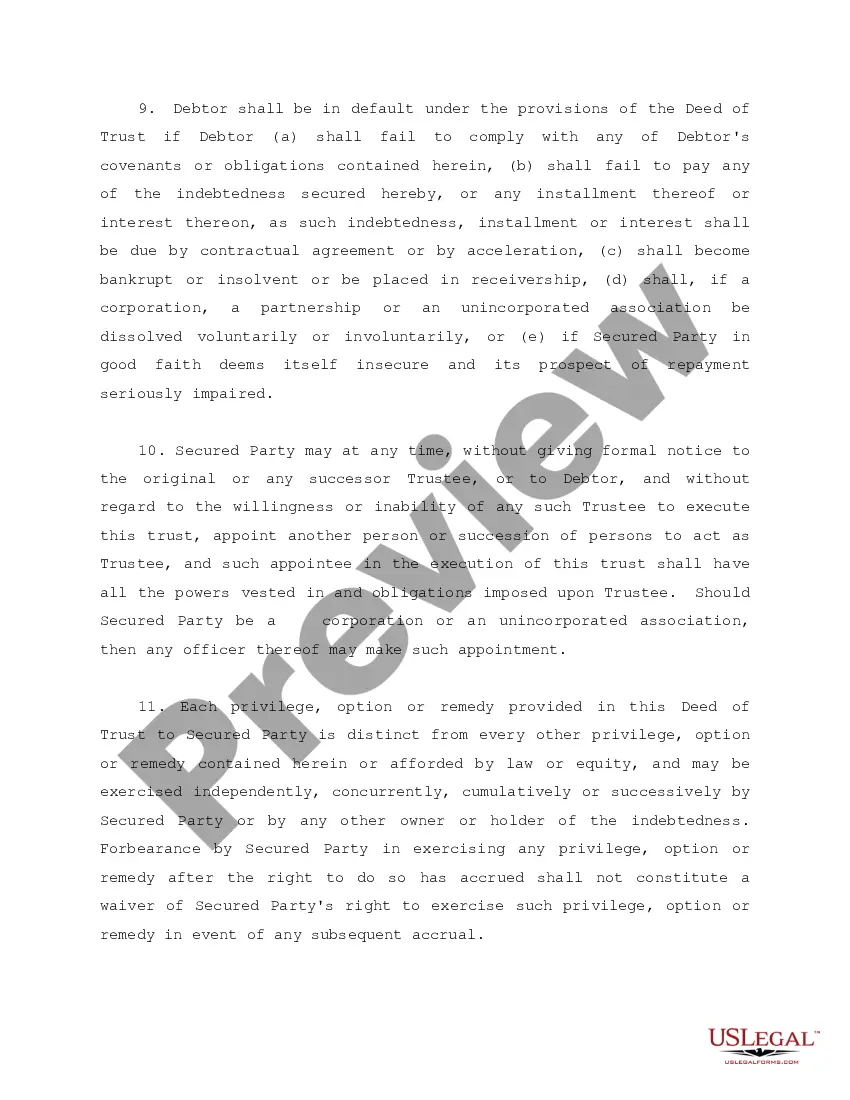
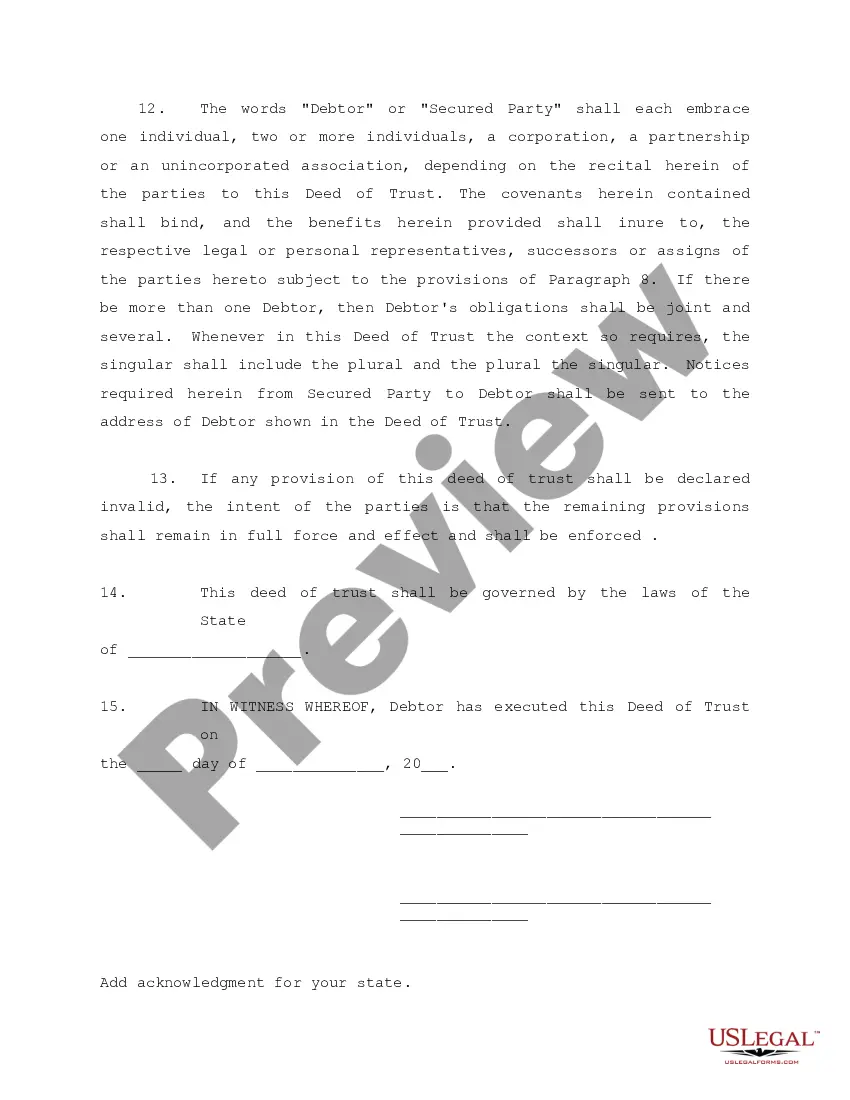


Get your form ready online
Our built-in tools help you complete, sign, share, and store your documents in one place.
Make edits, fill in missing information, and update formatting in US Legal Forms—just like you would in MS Word.
Download a copy, print it, send it by email, or mail it via USPS—whatever works best for your next step.
Sign and collect signatures with our SignNow integration. Send to multiple recipients, set reminders, and more. Go Premium to unlock E-Sign.
If this form requires notarization, complete it online through a secure video call—no need to meet a notary in person or wait for an appointment.
We protect your documents and personal data by following strict security and privacy standards.

Make edits, fill in missing information, and update formatting in US Legal Forms—just like you would in MS Word.

Download a copy, print it, send it by email, or mail it via USPS—whatever works best for your next step.

Sign and collect signatures with our SignNow integration. Send to multiple recipients, set reminders, and more. Go Premium to unlock E-Sign.

If this form requires notarization, complete it online through a secure video call—no need to meet a notary in person or wait for an appointment.

We protect your documents and personal data by following strict security and privacy standards.
Looking for another form?

Form popularity
FAQ
Are secured loans easier to get? Generally speaking, yes. Because you're usually putting your home as a guarantee for payments, the lender will see you as less of a risk, and they'll rely less on your credit history and credit score to make the judgement.
Secured debt is explicitly collateralized, placing a lien on specific assets, which facilitates enforcement. Unsecured debt is backed by unencumbered assets and thus implicitly collateralized. The explicit col- lateralization of secured debt entails costs but enables higher leverage.
Fixed-rate debt is a debt security whose interest rate is locked in through the maturity date. In other words, the agreed upon rate(s) does not change over the life of the debt.
One exemption is the full protection of up to $30,000 equity value of one car per person in a Chapter 7 filing. Texas also offers a “super exemption” under Chapter 13, which can fully exempt all car value regardless of the number owned or equity if they qualify as “tools of the trade.”
Incomplete or Inaccurate Documentation: Filing for Chapter 13 bankruptcy requires comprehensive documentation, including income records, tax returns, and a complete list of debts and assets. Failure to provide accurate or complete information may result in disqualification or case dismissal.
You can trade in your vehicle in your chapter 13, but your car creditor has to agree to release the lien. Before you trad in you car before filing chapter 7, talk to your bankruptcy attorney to avoid problems later on. It could be considered a fraudulent transfer which the trustee could avoid.
Credit card debt is by far the most common type of unsecured debt. If you fail to make credit card payments, the card issuer cannot repossess the items you purchased.
Chapter 13 Eligibility Any individual, even if self-employed or operating an unincorporated business, is eligible for chapter 13 relief as long as the individual's combined total secured and unsecured debts are less than $2,750,000 as of the date of filing for bankruptcy relief. 11 U.S.C. § 109(e).