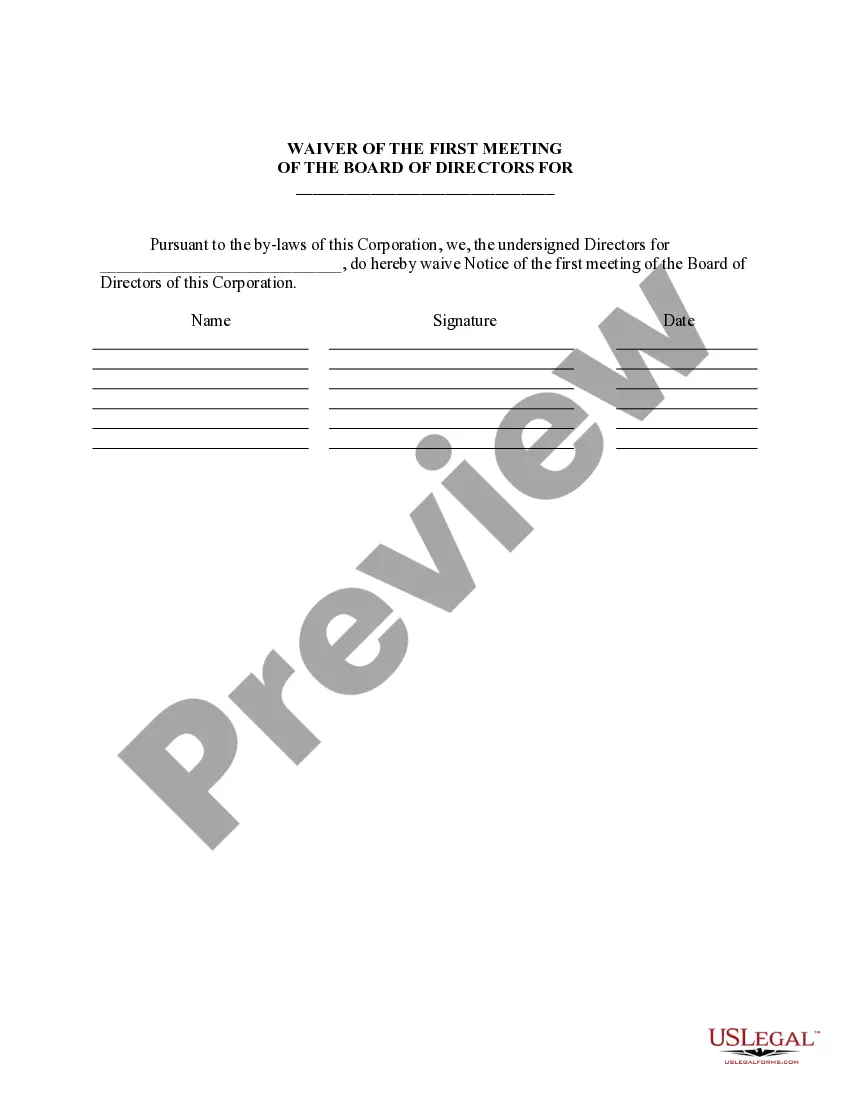
Board Directors Corporate Without Ceo In Sacramento
Description



Get your form ready online
Our built-in tools help you complete, sign, share, and store your documents in one place.
Make edits, fill in missing information, and update formatting in US Legal Forms—just like you would in MS Word.
Download a copy, print it, send it by email, or mail it via USPS—whatever works best for your next step.
Sign and collect signatures with our SignNow integration. Send to multiple recipients, set reminders, and more. Go Premium to unlock E-Sign.
If this form requires notarization, complete it online through a secure video call—no need to meet a notary in person or wait for an appointment.
We protect your documents and personal data by following strict security and privacy standards.

Make edits, fill in missing information, and update formatting in US Legal Forms—just like you would in MS Word.

Download a copy, print it, send it by email, or mail it via USPS—whatever works best for your next step.

Sign and collect signatures with our SignNow integration. Send to multiple recipients, set reminders, and more. Go Premium to unlock E-Sign.

If this form requires notarization, complete it online through a secure video call—no need to meet a notary in person or wait for an appointment.

We protect your documents and personal data by following strict security and privacy standards.
Looking for another form?



Form popularity
FAQ
Those Who Lack Objectivity If you can't take a step back and look at the big picture, you're not going to be an effective board member. You need to be able to objectively assess a company's performance and make decisions that are in the best interests of the company, not just yourself or your friends on the board.
How to form a board of directors Register articles of incorporation. You must file articles of incorporation in your state to gain legal status as a corporation. Create bylaws. Set up a board of directors agreement. Select your board of directors. Have an initial shareholder meeting.
While you can become a board member without having a wealth of experience, a tangible track record gives organizations confidence that you understand the requirements of the job and can contribute to their overall mission.
SUMMARY. While the Chairman technically has higher level powers, the CEO is indeed “the boss” of a company. And yes, the CEO does (by the letter of the law) answer to their board of directors, which is ultimately headed by the chairman.
Common Unethical Practices Your Board Should Avoid Financial Fraud. Financial fraud refers to deceptive practices or intentional misrepresentation of financial information — deliberately deceiving stakeholders. Insider Trading. Bribery and Corruption. Conflict of Interest. Failure to Protect Stakeholder Interests.
Those Who Lack Objectivity If you can't take a step back and look at the big picture, you're not going to be an effective board member. You need to be able to objectively assess a company's performance and make decisions that are in the best interests of the company, not just yourself or your friends on the board.
It depends on the organization's bylaws and governing structure. The CEO may or may not be a member of the board of directors, and the board of directors may or may not have veto power over the CEO's decisions.
What are the current Women on Boards female director requirements? All publicly held corporations with a principal executive office located in California must have at least one female director on their Board of Directors.
Information about members of a company's current board of directors can be found in standard directory resources such as PitchBook, or S&P Capital IQ (see access details). S&P Capital IQ also includes prior board members and the ability to screen for board members by title, board job function or committee assignment.
Websites like BoardnetUSA, Bridgespan, Idealist, and LinkedIn Board Connect are all places where your nonprofit can find potential board members. LinkedIn also has numerous nonprofit communities and nonprofit network groups.