Meeting Annual Consider With Manager In Minnesota
Description



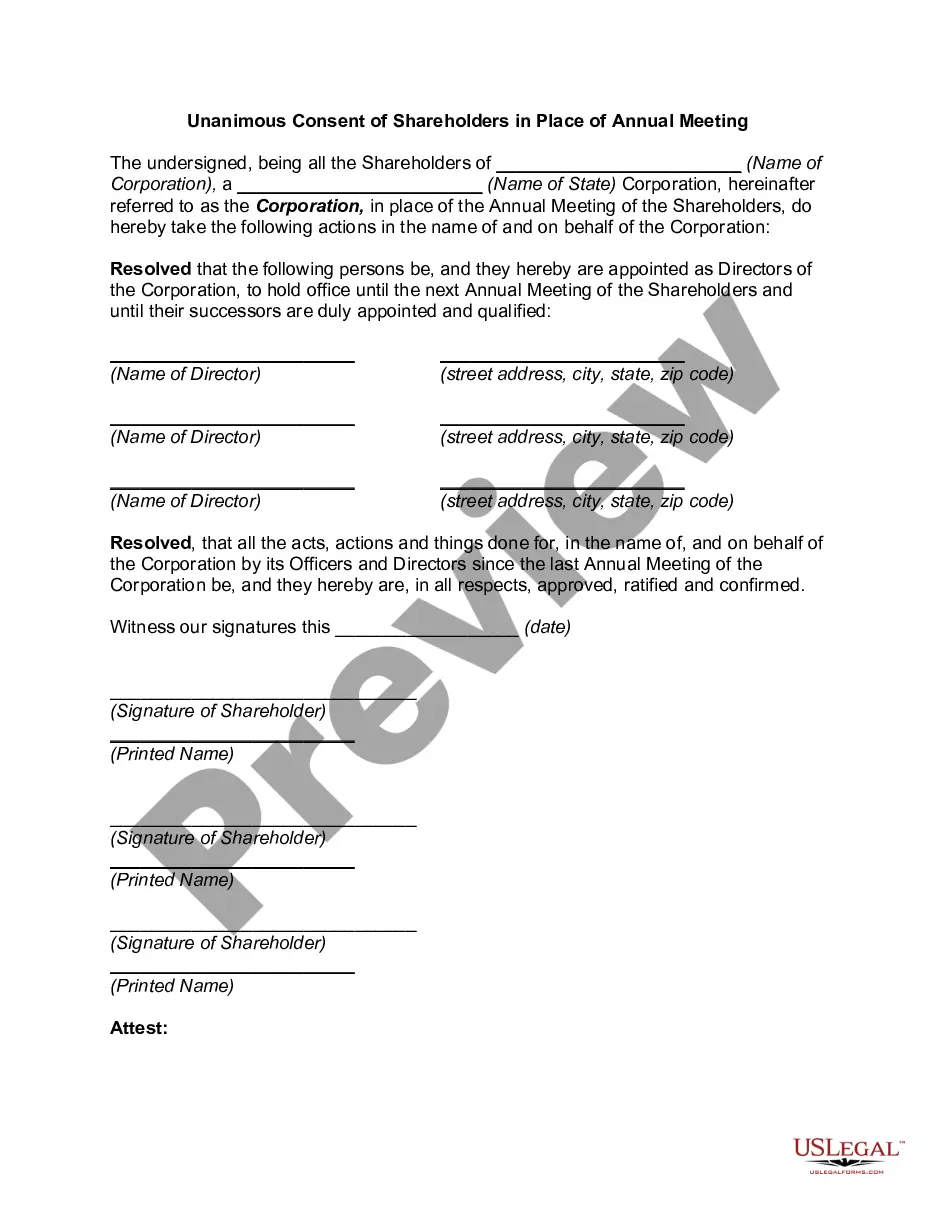
Get your form ready online
Our built-in tools help you complete, sign, share, and store your documents in one place.
Make edits, fill in missing information, and update formatting in US Legal Forms—just like you would in MS Word.
Download a copy, print it, send it by email, or mail it via USPS—whatever works best for your next step.
Sign and collect signatures with our SignNow integration. Send to multiple recipients, set reminders, and more. Go Premium to unlock E-Sign.
If this form requires notarization, complete it online through a secure video call—no need to meet a notary in person or wait for an appointment.
We protect your documents and personal data by following strict security and privacy standards.

Make edits, fill in missing information, and update formatting in US Legal Forms—just like you would in MS Word.

Download a copy, print it, send it by email, or mail it via USPS—whatever works best for your next step.

Sign and collect signatures with our SignNow integration. Send to multiple recipients, set reminders, and more. Go Premium to unlock E-Sign.

If this form requires notarization, complete it online through a secure video call—no need to meet a notary in person or wait for an appointment.

We protect your documents and personal data by following strict security and privacy standards.
Looking for another form?
Form popularity
FAQ
The Office of the Secretary of State is a constitutional office headed by the independently-elected Secretary of State. As the chief election official in Minnesota, the Secretary of State oversees the administration of elections, and promotes voting and civic engagement.
Minnesota businesses must file renewals every year to remain active. This page contains the instructions to renew your business, or to change your filing if necessary.
The Open Meeting Law (Minnesota Statutes Chapter 13D) requires public bodies to meet in open session unless otherwise permitted and provide meeting notices to the public. This law applies to both state-level public bodies and local public bodies, such as county boards, city councils, and school boards.
Minnesota Annual Report Information. Businesses and nonprofits are required to file annual reports to stay in good standing with the secretary of state. Annual reports are required in most states. Due dates and fees vary by state and type of entity.
In-person conversations A person may record an in-person conversation if that person is a party to it, or if one of the parties has consented to the recording — so long as no criminal or tortious intent accompanies the recording. Minn. Stat. § 626A.
If you are in a two party consent state then you should not record. Or, you can ask permission to record and if he consents then that's fine. Just make sure to get his consent on the recording. Another work around is to ask your boss to do the review in a public place like the park.
Legally you can record a conversation in MN if you are a participant in that conversation.
In California, employees cannot record a private conversation with coworkers or management without their consent. However, employees are permitted to record conversations or incidents in “common areas”.
Under both Minnesota law, 1 and federal law, 2 as long as you yourself are a party to the conversation, it is lawful for you to record that conversation, even secretly.
