Personal Property And Securities Act In Hillsborough
Description

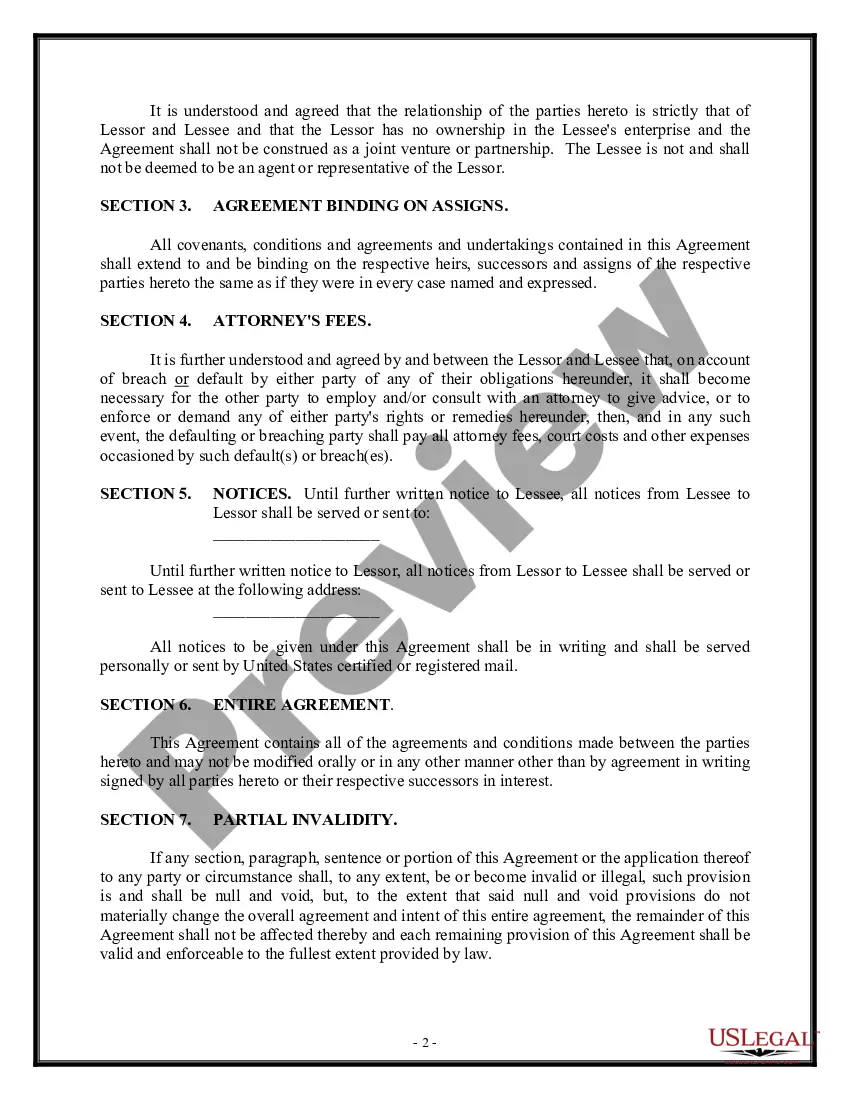
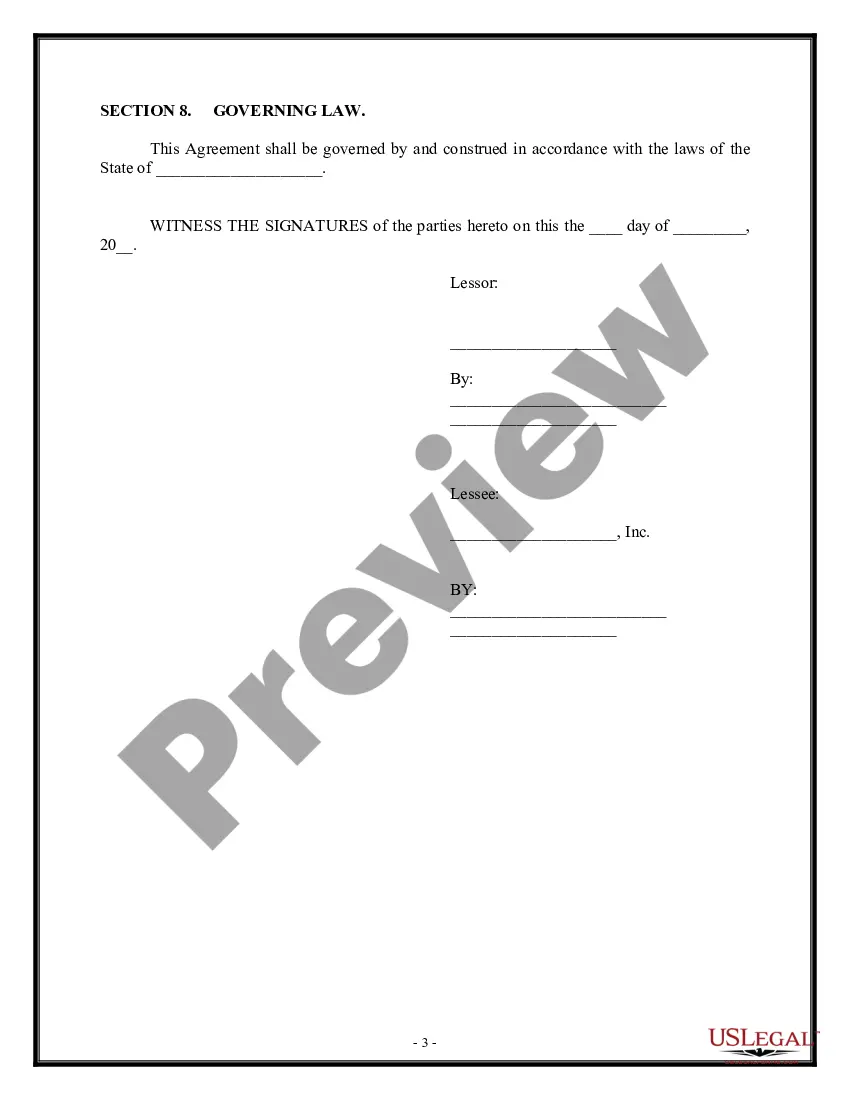
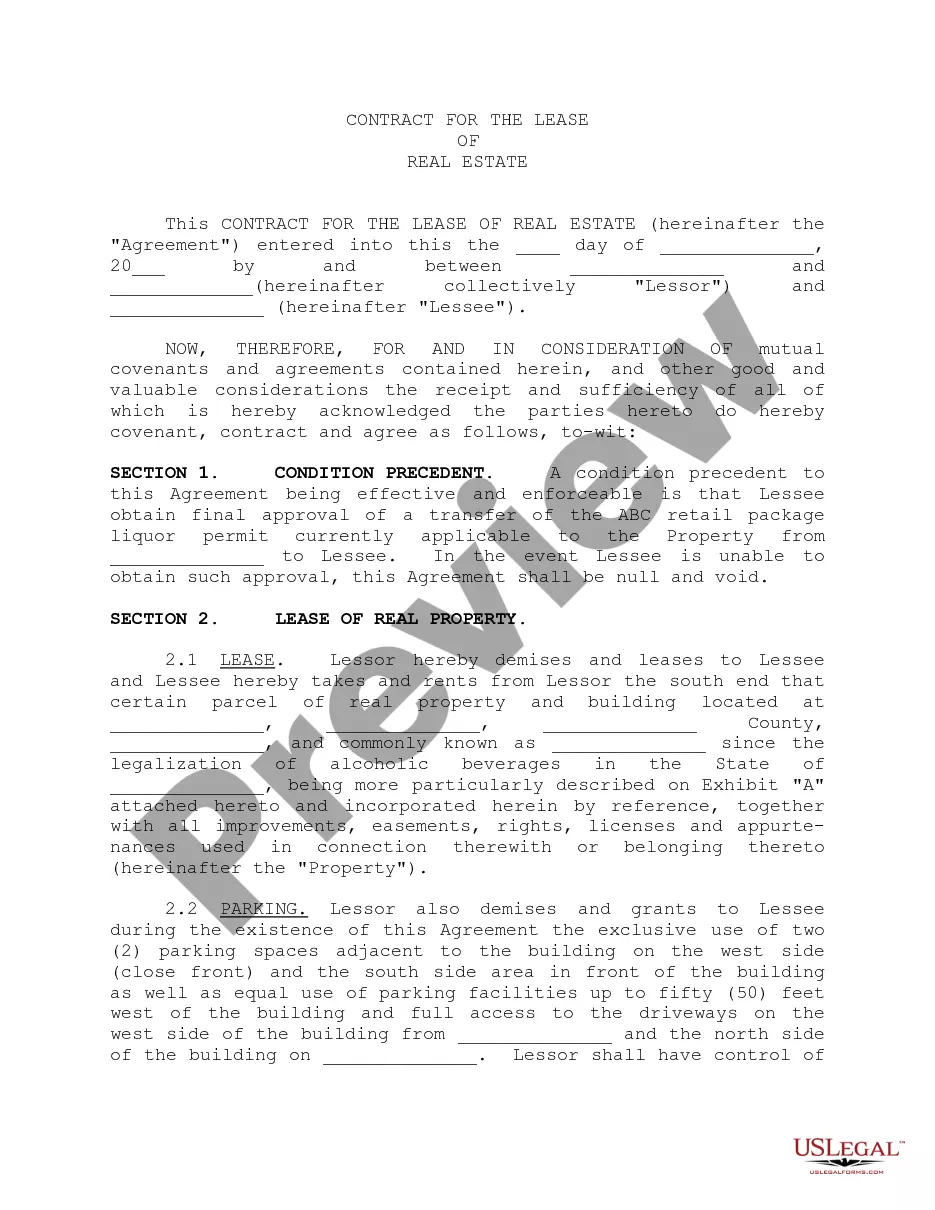
Get your form ready online
Our built-in tools help you complete, sign, share, and store your documents in one place.
Make edits, fill in missing information, and update formatting in US Legal Forms—just like you would in MS Word.
Download a copy, print it, send it by email, or mail it via USPS—whatever works best for your next step.
Sign and collect signatures with our SignNow integration. Send to multiple recipients, set reminders, and more. Go Premium to unlock E-Sign.
If this form requires notarization, complete it online through a secure video call—no need to meet a notary in person or wait for an appointment.
We protect your documents and personal data by following strict security and privacy standards.

Make edits, fill in missing information, and update formatting in US Legal Forms—just like you would in MS Word.

Download a copy, print it, send it by email, or mail it via USPS—whatever works best for your next step.

Sign and collect signatures with our SignNow integration. Send to multiple recipients, set reminders, and more. Go Premium to unlock E-Sign.

If this form requires notarization, complete it online through a secure video call—no need to meet a notary in person or wait for an appointment.

We protect your documents and personal data by following strict security and privacy standards.
Looking for another form?
Form popularity
FAQ
Every new business owning tangible personal property on January 1 must file an initial tax return. In any year the assessed value of your tangible personal property exceeds $25,000, you are required to file a return. Taxpayers who lease, lend or rent property must also file a return.
The millage is set by calculating a rate per $1,000 valuation that will produce their budget needs from ad valorem taxes. One mill represents $1 of tax on each $1,000 of taxable valuation.
How is tangible personal property taxed? Personal property tax assessments are typically based on fair market value. Business owners file a tax return form with a property appraiser, who then values the property. The property value multiplied by the jurisdictional tax rate determines the tax amount due.
Types of Exemptions Government Agency Loans, Industrial Loans, and Aircraft Liens: Certain types of mortgage transactions are exempt from the intangible tax. This includes loans provided by government agencies, mortgages associated with industrial purposes, and those secured by a lien on aircraft.
Tangible personal property can be subject to ad valorem taxes, meaning the amount of tax payable depends on each item's fair market value. In most states, a business that owned tangible property on January 1 must file a tax return form with the property appraisal office no later than April 1 in the same year.
Each TPP tax return is eligible for an exemption up to $25,000 of assessed value. If the property appraiser has determined that the property has separate and distinct owners and each files a return, each may receive a $25,000 exemption.