Assignment Clause Real Estate For Sale In Alameda
Description

Get your form ready online
Our built-in tools help you complete, sign, share, and store your documents in one place.
Make edits, fill in missing information, and update formatting in US Legal Forms—just like you would in MS Word.
Download a copy, print it, send it by email, or mail it via USPS—whatever works best for your next step.
Sign and collect signatures with our SignNow integration. Send to multiple recipients, set reminders, and more. Go Premium to unlock E-Sign.
If this form requires notarization, complete it online through a secure video call—no need to meet a notary in person or wait for an appointment.
We protect your documents and personal data by following strict security and privacy standards.

Make edits, fill in missing information, and update formatting in US Legal Forms—just like you would in MS Word.

Download a copy, print it, send it by email, or mail it via USPS—whatever works best for your next step.

Sign and collect signatures with our SignNow integration. Send to multiple recipients, set reminders, and more. Go Premium to unlock E-Sign.

If this form requires notarization, complete it online through a secure video call—no need to meet a notary in person or wait for an appointment.

We protect your documents and personal data by following strict security and privacy standards.
Looking for another form?
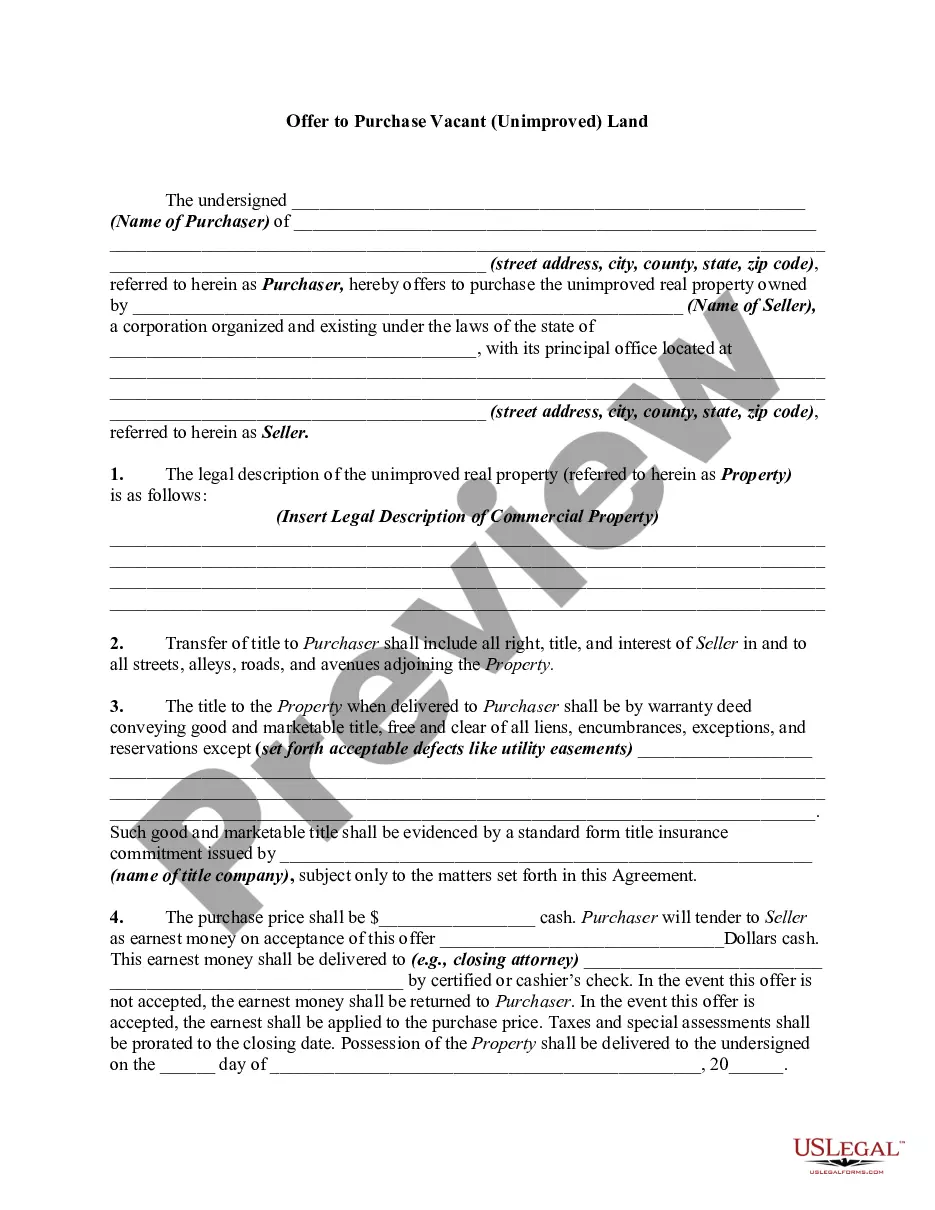

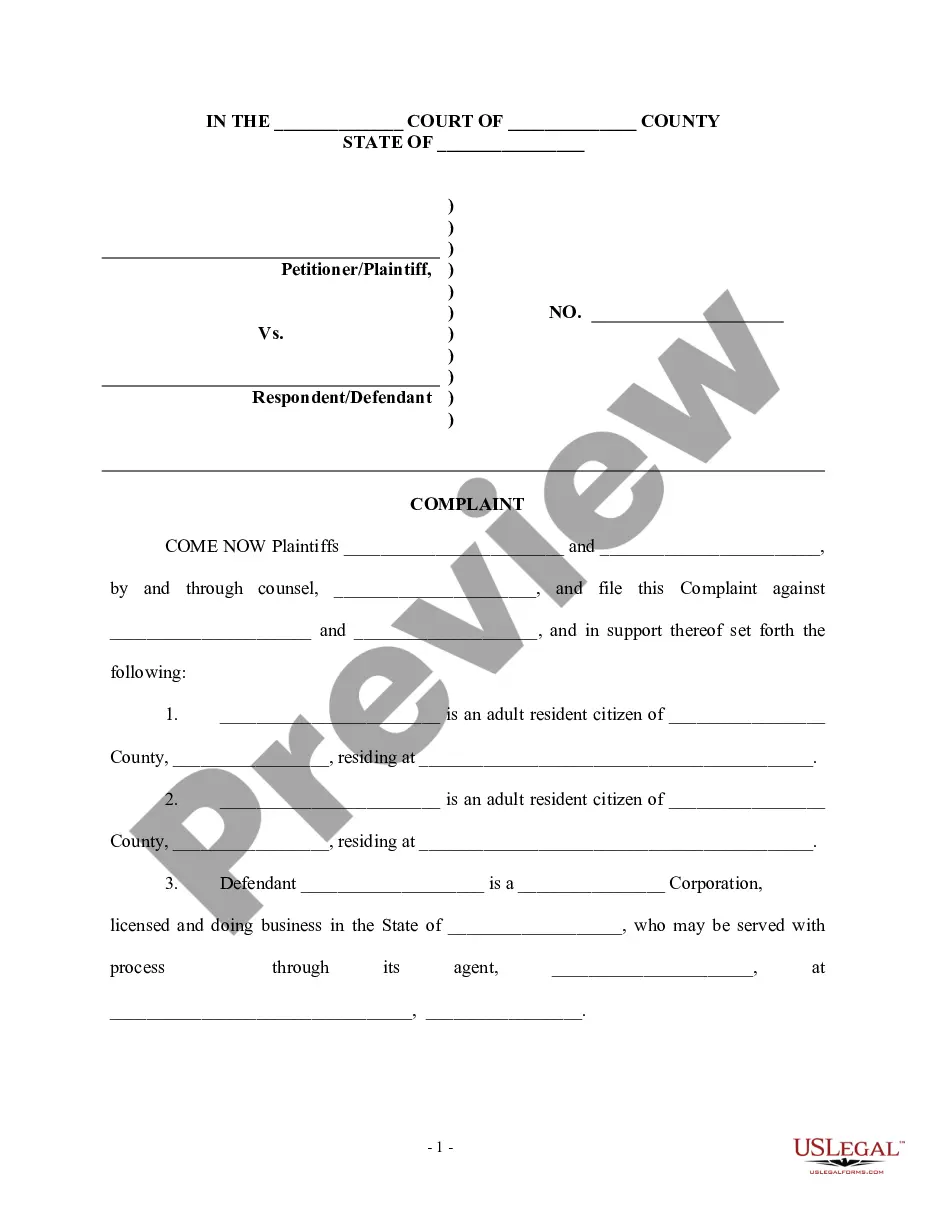
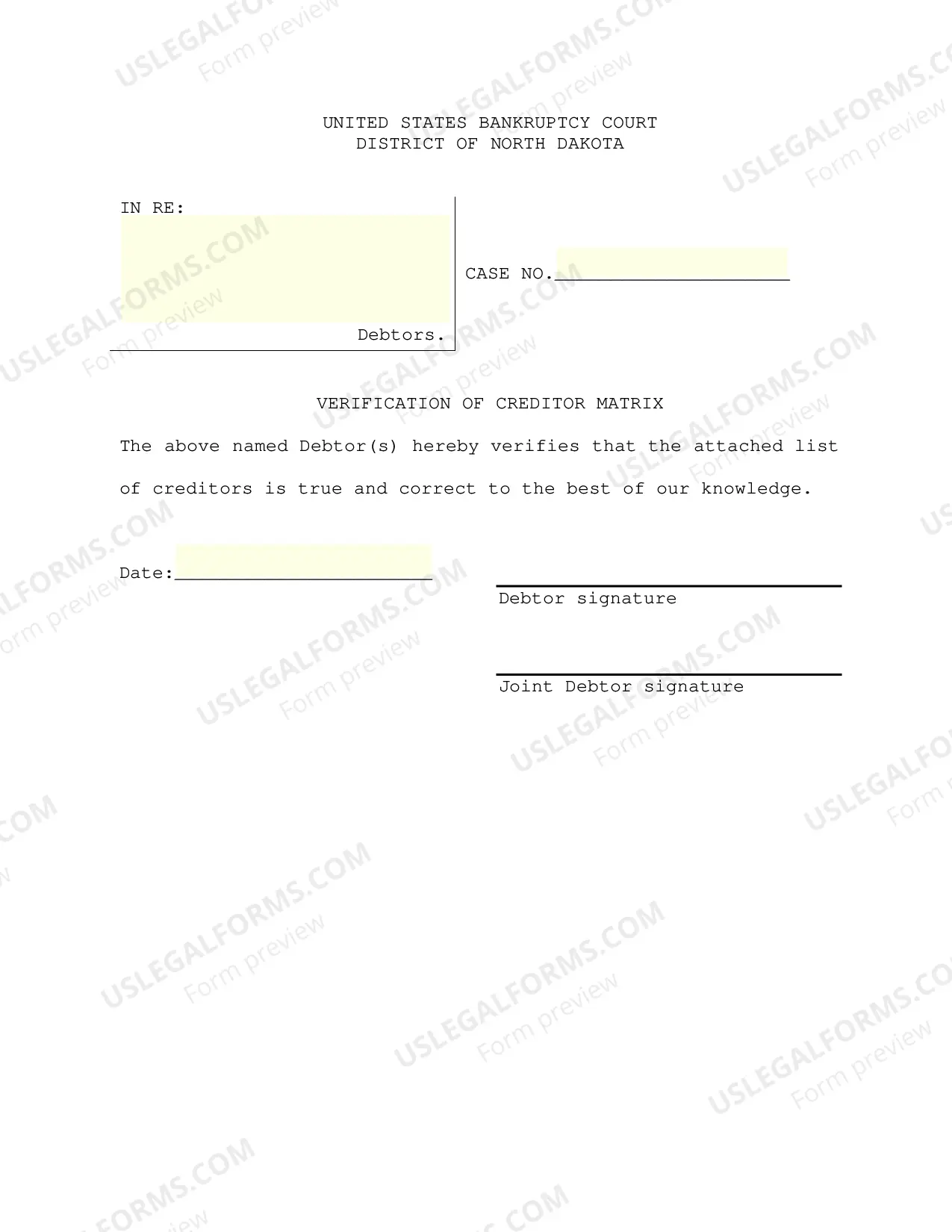
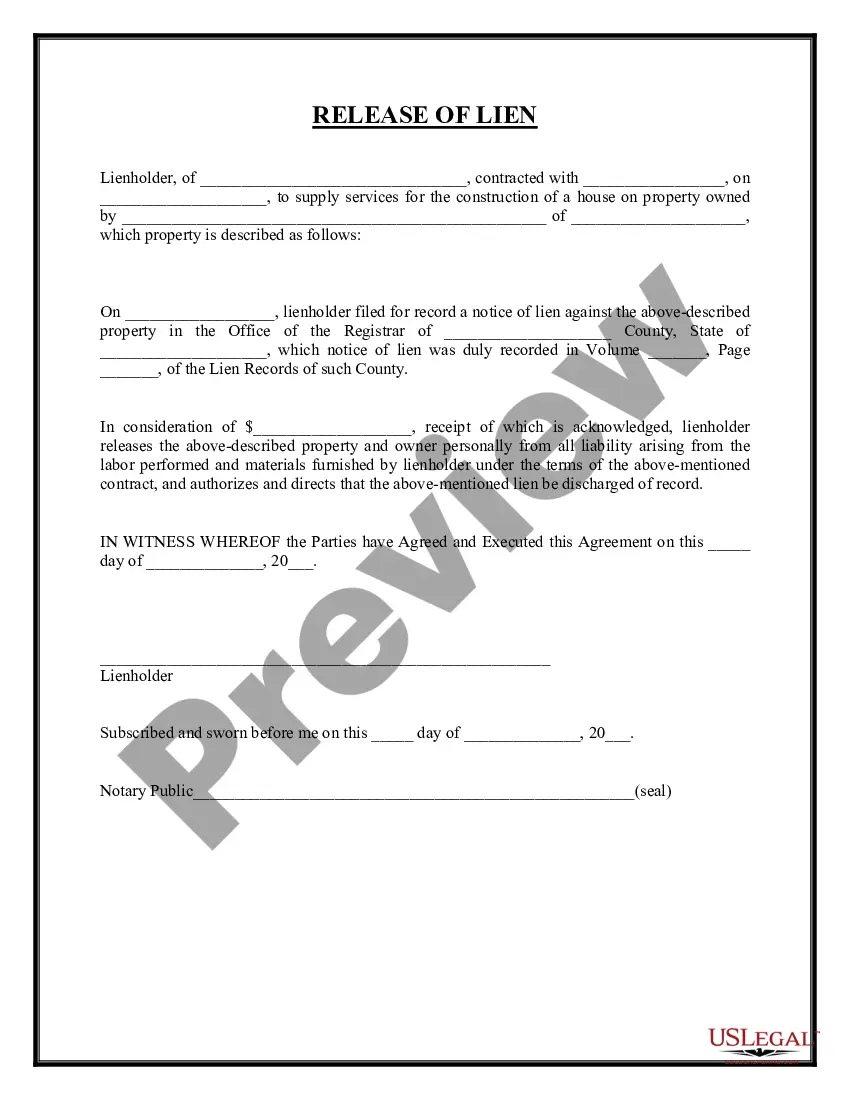

Form popularity
FAQ
An assignment clause governs whether and when a party can transfer the contract to someone else. Often, it covers what happens in a change of control: whether a party can assign the contract to its buyer if it gets merged into a company or completely bought out.
In other words, an assignment clause allows the buyer of a home to sell the place before they take possession of it. In Ontario, assignments are more common in pre-built homes and condos than on re-sale properties, but they are possible on any type of trade.
Are California real estate contracts assignable? Yes, many California real estate contracts can be assignable, but it depends on the specific terms of the contract. An assignable contract allows the original party, known as the assignor, to transfer their rights and obligations to another party, called the assignee.
The thrust of the assignment clause is that the buyer can rent, lease, repair, sell, or assign the property. To “assign” simply means to hand off the benefits and obligations of a contract from one party to another. In short, it's the transfer of contractual rights.
As a general rule, then, contracts interpreted under California law may be assigned; however, to be effective, there must be evidence that the assignor (the party assigning the contract) intended to transfer the assignor's title or ownership of the rights and obligations under the contract to the assignee (the party ...
(The exceptions are (i) contracts that are subject to statutes or public policies prohibiting their assignment, such as intellectual property contracts, or (ii) contracts where an assignment without consent would cause material and adverse consequences to non-assigning counterparties, such as employment agreements and ...
The assignor must agree to assign their rights and duties under the contract to the assignee. The assignee must agree to accept, or "assume," those contractual rights and duties. The other party to the initial contract must consent to the transfer of rights and obligations to the assignee.
A contract for personal services involves an agreement between two parties for specific services to be performed, and it is usually non-assignable as it relies on the skills, qualifications, and trustworthiness of the person providing the services.
Sublease. A sublease, on the other hand, is a separate contract between the original tenant and a subtenant. Unlike an assignment, a sublease only turns over part of a property. That means that the original tenant shares the rights and responsibilities to the premises.
“No Assignment” clause specifies that the rights or obligations outlined in the contract cannot be transferred or assigned to another party without obtaining prior consent from the original contracting party.