Requesting Discovery Form With Court In Maryland
Description
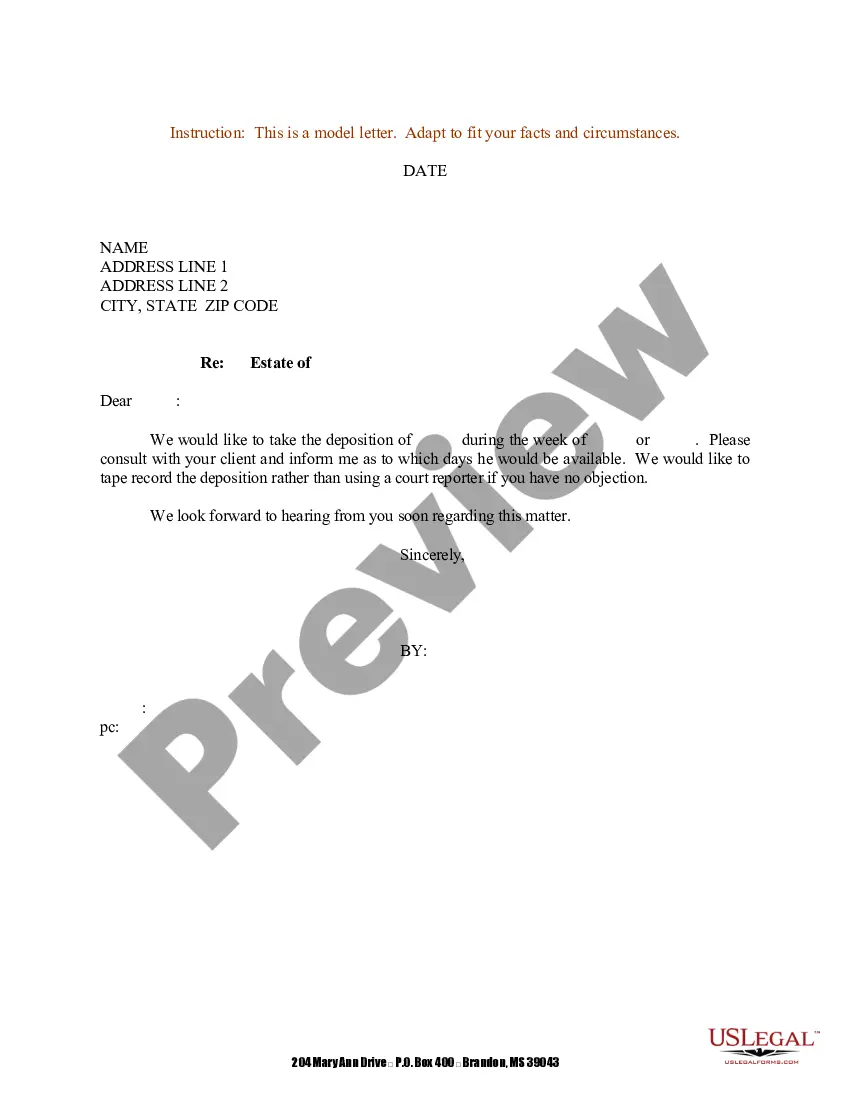
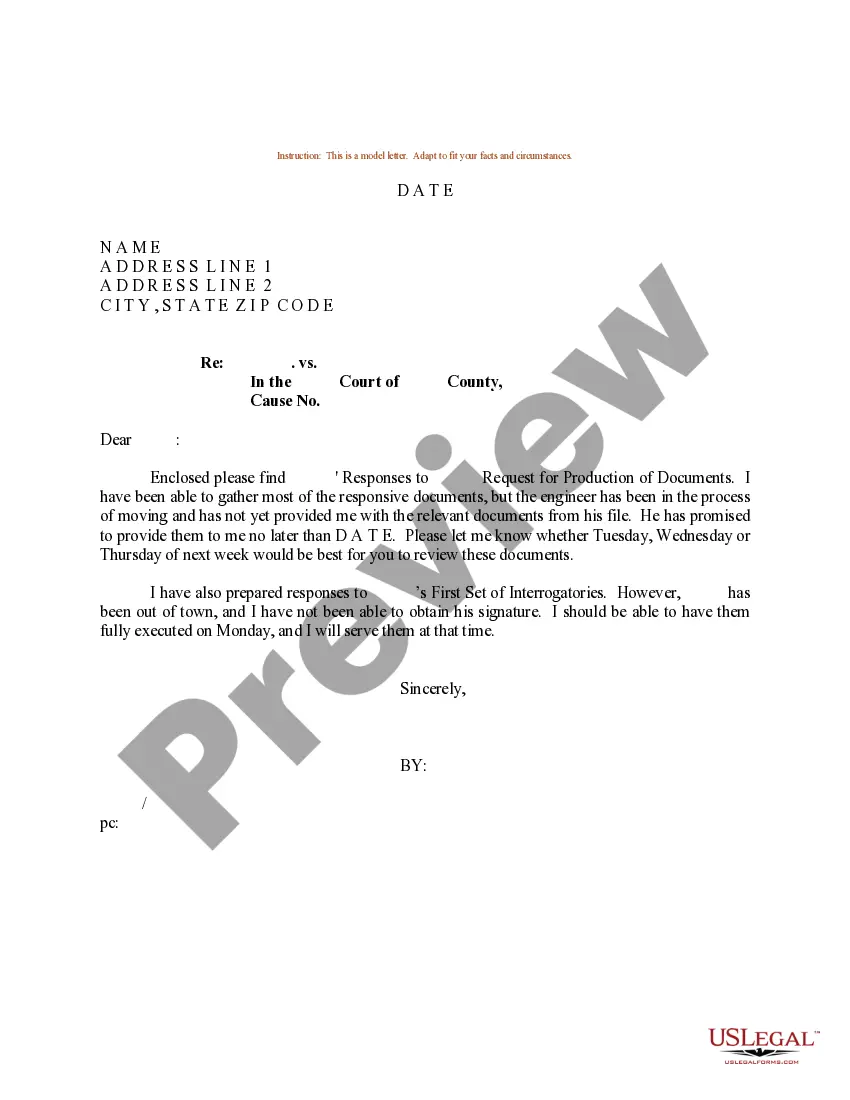
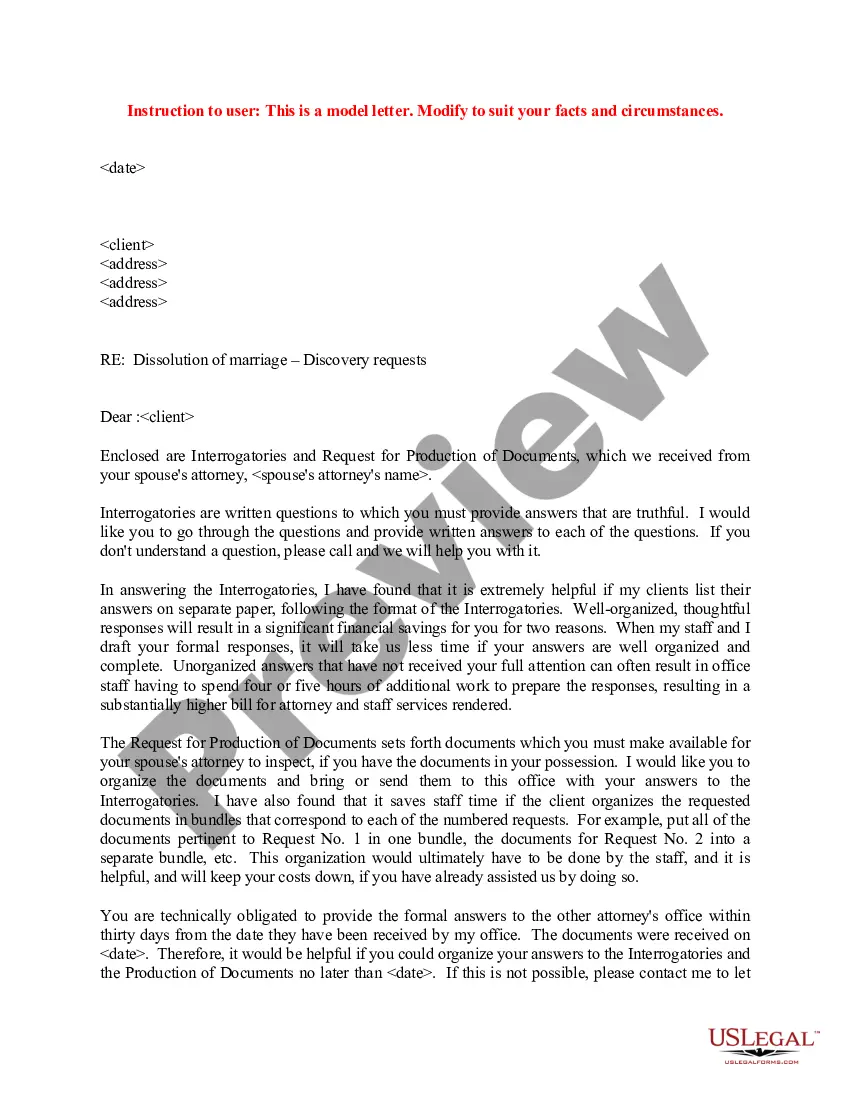
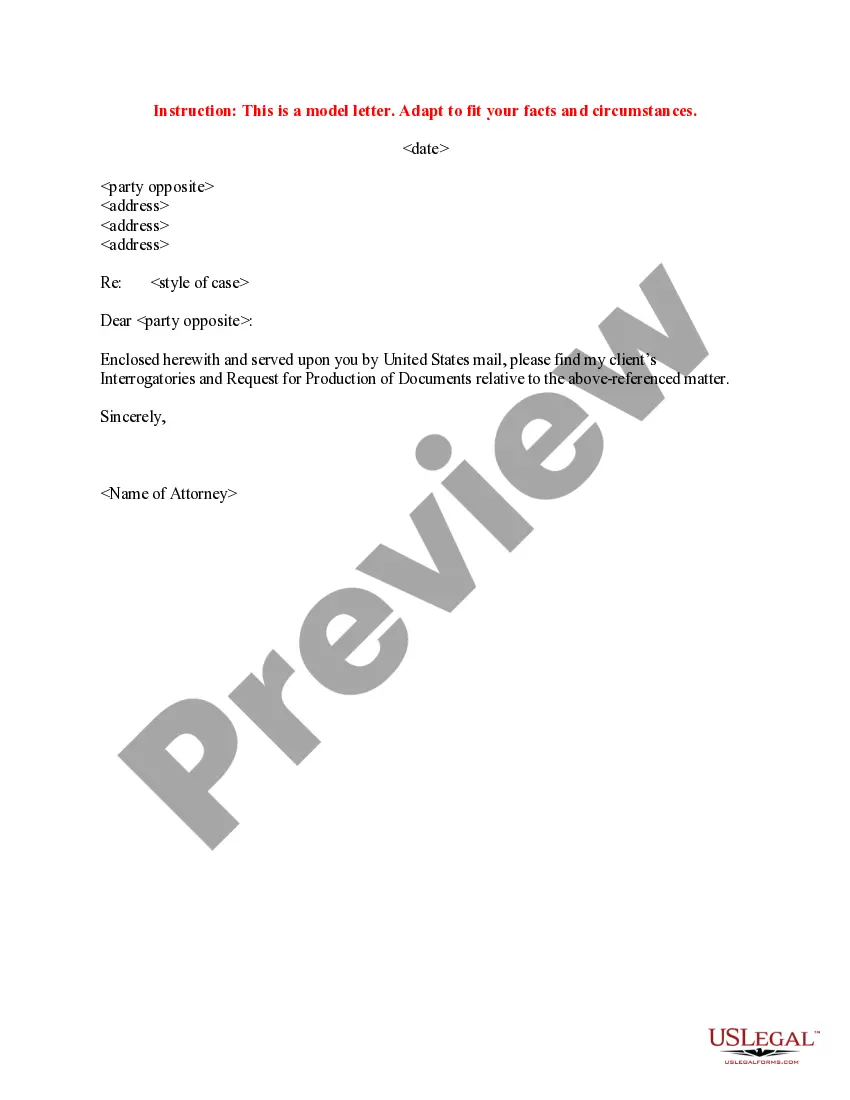
Get your form ready online
Our built-in tools help you complete, sign, share, and store your documents in one place.
Make edits, fill in missing information, and update formatting in US Legal Forms—just like you would in MS Word.
Download a copy, print it, send it by email, or mail it via USPS—whatever works best for your next step.
Sign and collect signatures with our SignNow integration. Send to multiple recipients, set reminders, and more. Go Premium to unlock E-Sign.
If this form requires notarization, complete it online through a secure video call—no need to meet a notary in person or wait for an appointment.
We protect your documents and personal data by following strict security and privacy standards.

Make edits, fill in missing information, and update formatting in US Legal Forms—just like you would in MS Word.

Download a copy, print it, send it by email, or mail it via USPS—whatever works best for your next step.

Sign and collect signatures with our SignNow integration. Send to multiple recipients, set reminders, and more. Go Premium to unlock E-Sign.

If this form requires notarization, complete it online through a secure video call—no need to meet a notary in person or wait for an appointment.

We protect your documents and personal data by following strict security and privacy standards.
Looking for another form?





Form popularity
FAQ
A party may obtain discovery regarding any matter, not privileged, including the existence, description, nature, custody, condition, and location of any documents or other tangible things and the identity and location of persons having knowledge of any discoverable matter, if the matter sought is relevant to the ...
Without the necessity of a request, the State's Attorney shall provide to the defense all material or information in any form, whether or not admissible, that tends to exculpate the defendant or negate or mitigate the defendant's guilt or punishment as to the offense charged and all material or information in any form, ...
§ 2-341. (a) Without leave of court. A party may file an amendment to a pleading without leave of court by the date set forth in a scheduling order or, if there is no scheduling order, no later than 30 days before a scheduled trial date.
A party may obtain discovery regarding any matter, not privileged, including the existence, description, nature, custody, condition, and location of any documents or other tangible things and the identity and location of persons having knowledge of any discoverable matter, if the matter sought is relevant to the ...
Also known as “the discovery rule involving statute of limitations,” it allows plaintiffs additional time to file a claim in cases where the negligent act — such as with medical malpractice — is not discovered until sometime later.
Unless otherwise limited by court order, the scope of discovery is as follows: Parties may obtain discovery regarding any nonprivileged matter that is relevant to any party's claim or defense and proportional to the needs of the case, considering the importance of the issues at stake in the action, the amount in ...
The foundation of the Best Evidence Rule is that the original writing, recording or photograph is the 'best' way to prove the actual content of the evidence.
Seek a protective order from the court pursuant to Rule 2-403, which allows a court to enter an order that protects a party from annoyance, embarrassment, oppression, or undue burden or expense related to the discovery request.
Discovery is the formal process by which the parties to a case in court exchange information about the case. This includes information about the witnesses and evidence to be presented at trial. Its purpose is to make the parties aware of the evidence which may be presented at trial.
A discovery demand is a written request for specific documents that the other party has in his/her possession. In certain cases, you might be able to write a letter to the other side and request the documents that you need. However, in more formal cases, you will likely have to draft more formal discovery demands.

