Acta Asamblea Without In Florida
Description

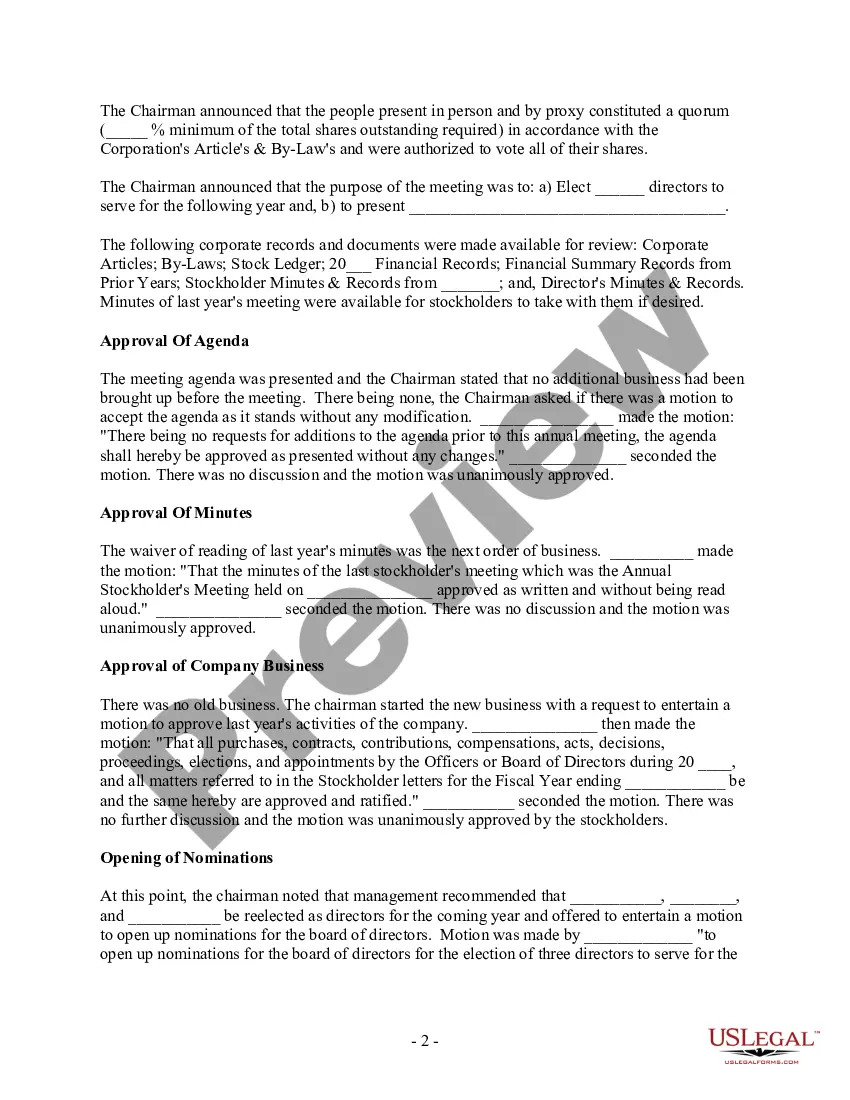
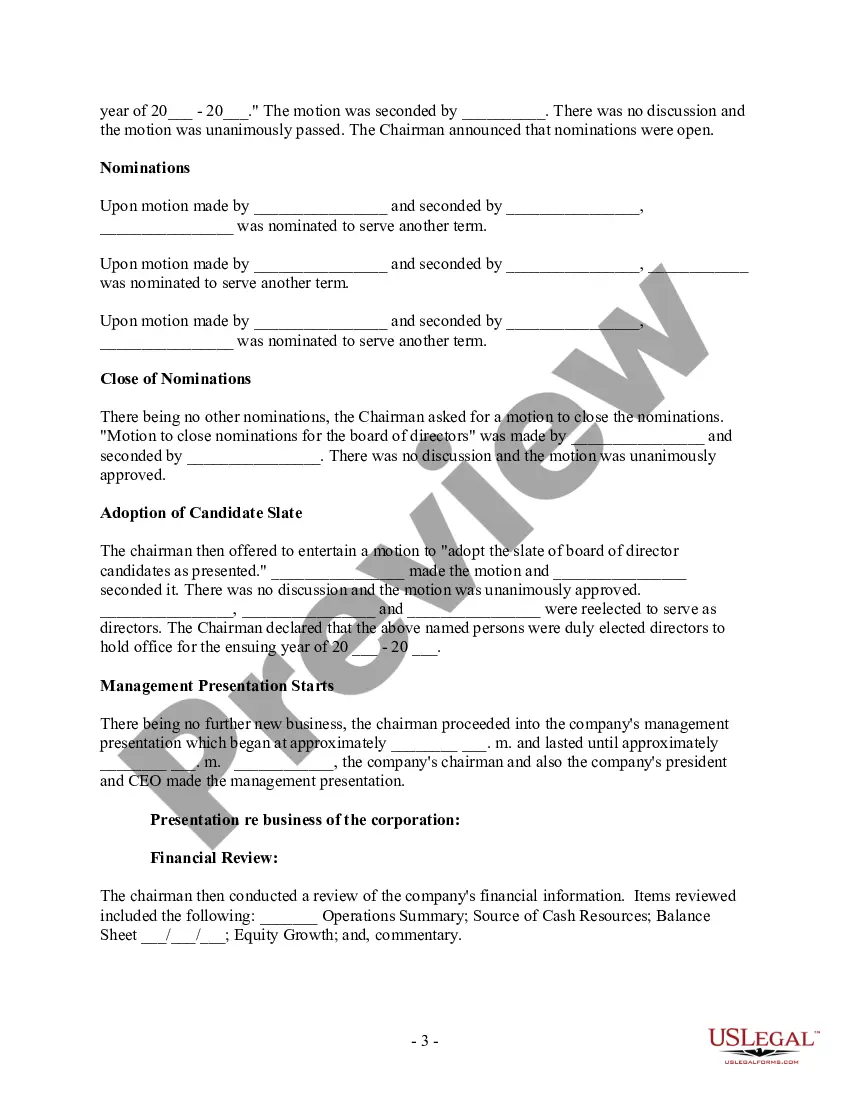
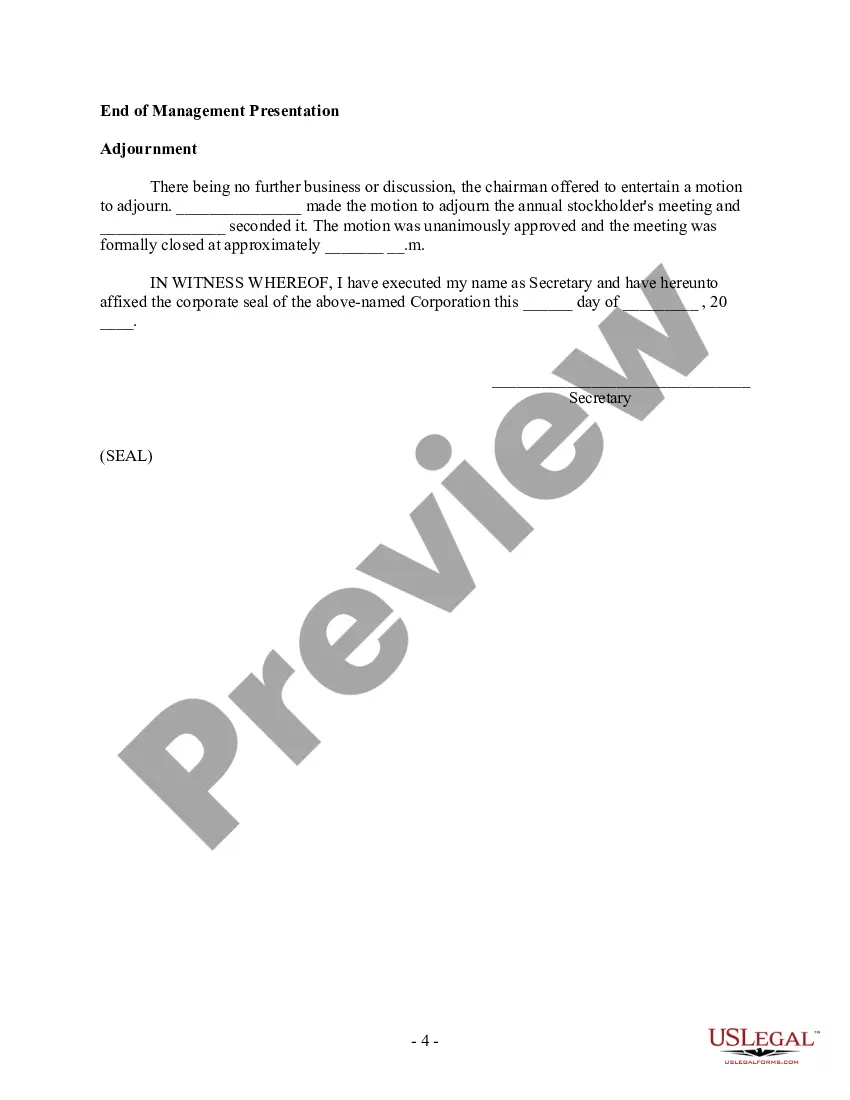

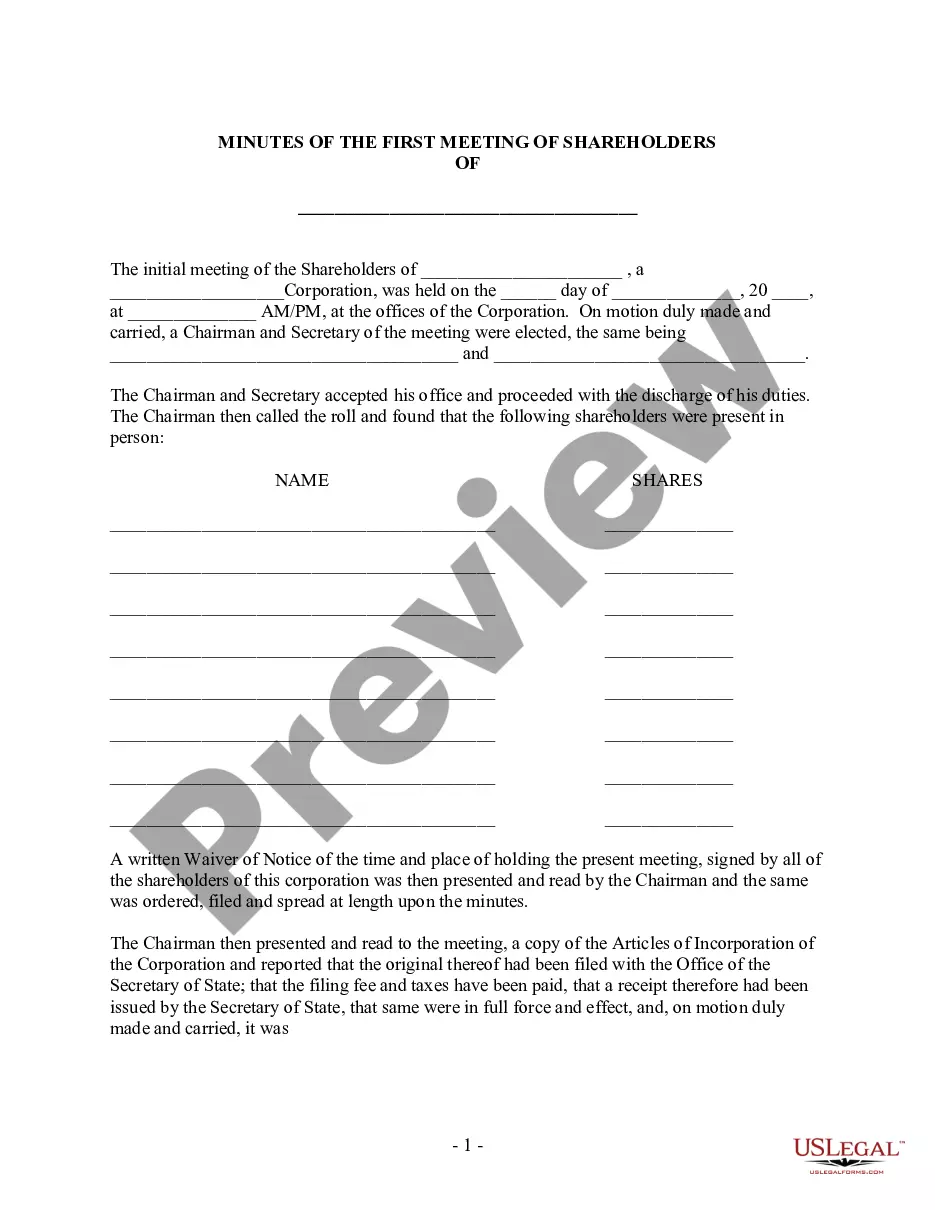

Get your form ready online
Our built-in tools help you complete, sign, share, and store your documents in one place.
Make edits, fill in missing information, and update formatting in US Legal Forms—just like you would in MS Word.
Download a copy, print it, send it by email, or mail it via USPS—whatever works best for your next step.
Sign and collect signatures with our SignNow integration. Send to multiple recipients, set reminders, and more. Go Premium to unlock E-Sign.
If this form requires notarization, complete it online through a secure video call—no need to meet a notary in person or wait for an appointment.
We protect your documents and personal data by following strict security and privacy standards.

Make edits, fill in missing information, and update formatting in US Legal Forms—just like you would in MS Word.

Download a copy, print it, send it by email, or mail it via USPS—whatever works best for your next step.

Sign and collect signatures with our SignNow integration. Send to multiple recipients, set reminders, and more. Go Premium to unlock E-Sign.

If this form requires notarization, complete it online through a secure video call—no need to meet a notary in person or wait for an appointment.

We protect your documents and personal data by following strict security and privacy standards.
Looking for another form?
Form popularity
FAQ
When do you need a Florida Certificate of Status? A Florida Certificate of Status is required when your business expands to another state (otherwise known as a foreign qualification) and needs to register in that state as a foreign corporation or LLC.
States that require a certificate of good standing less than 90 days old: Connecticut, Florida, Georgia, Idaho, Iowa, Kansas, Louisiana, Maine, Maryland, Massachusetts, Nevada, North Dakota, Ohio, South Dakota, and Washington.
In addition, lenders, investors, and vendors often require a Certificate of Status (Good Standing) before doing business with a company. You may also need a Certificate of Status for licensure and other business transactions, such as a merger or acquisition.
Both individuals and business entities can serve as registered agents. To do so, they must meet the following criteria: Physical presence. The registered agent must have a physical address in Florida where legal documents can be delivered.
