Acceptance Letter For Offer In Utah
Description
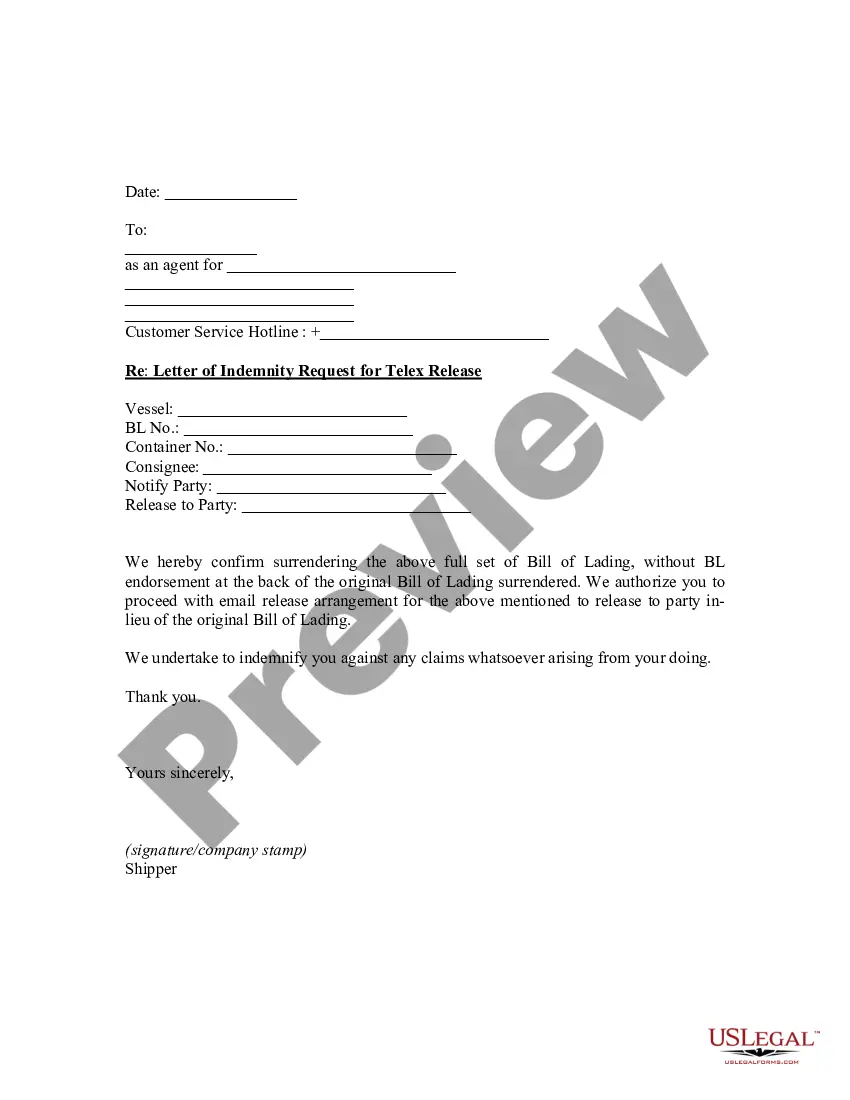
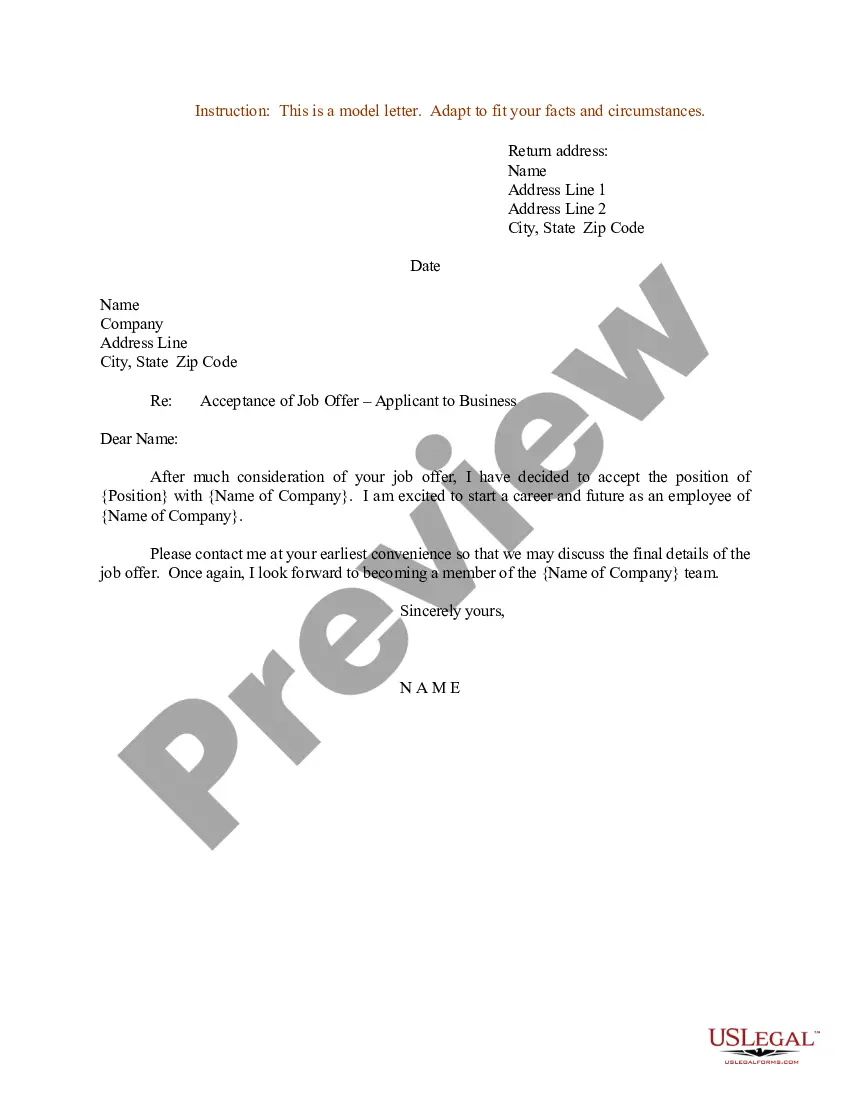
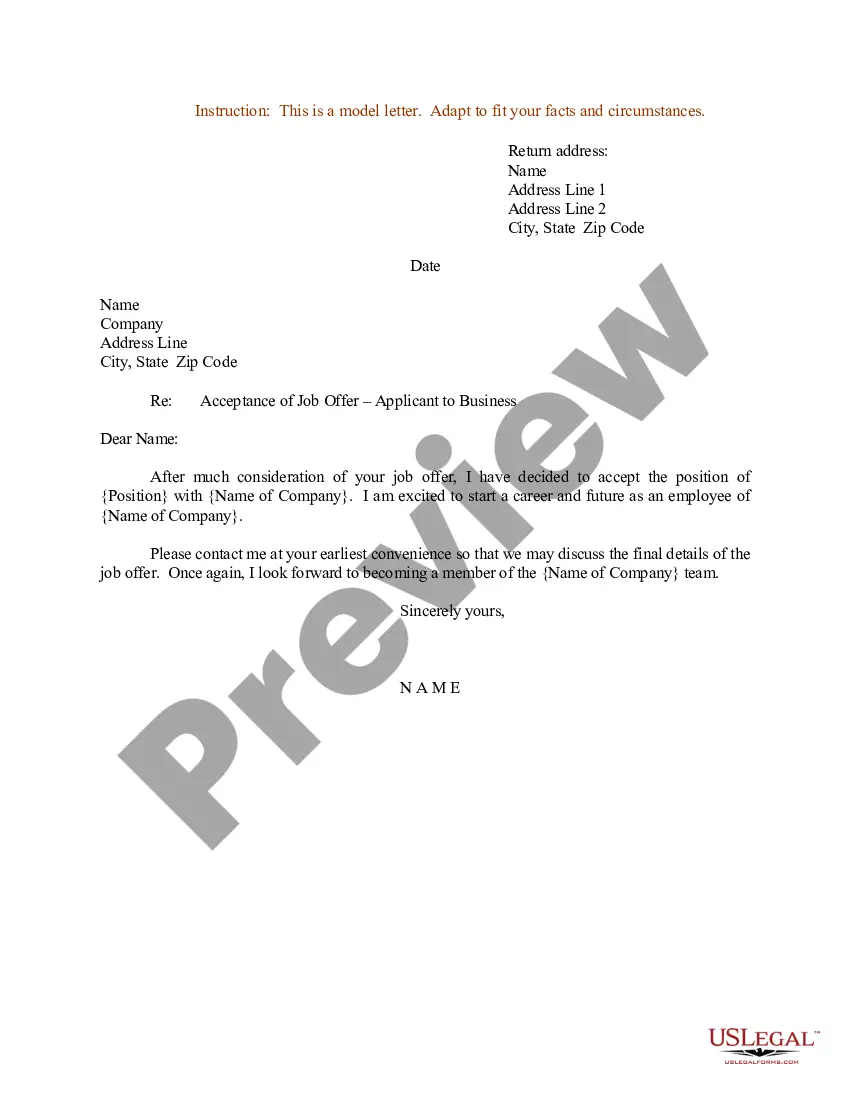
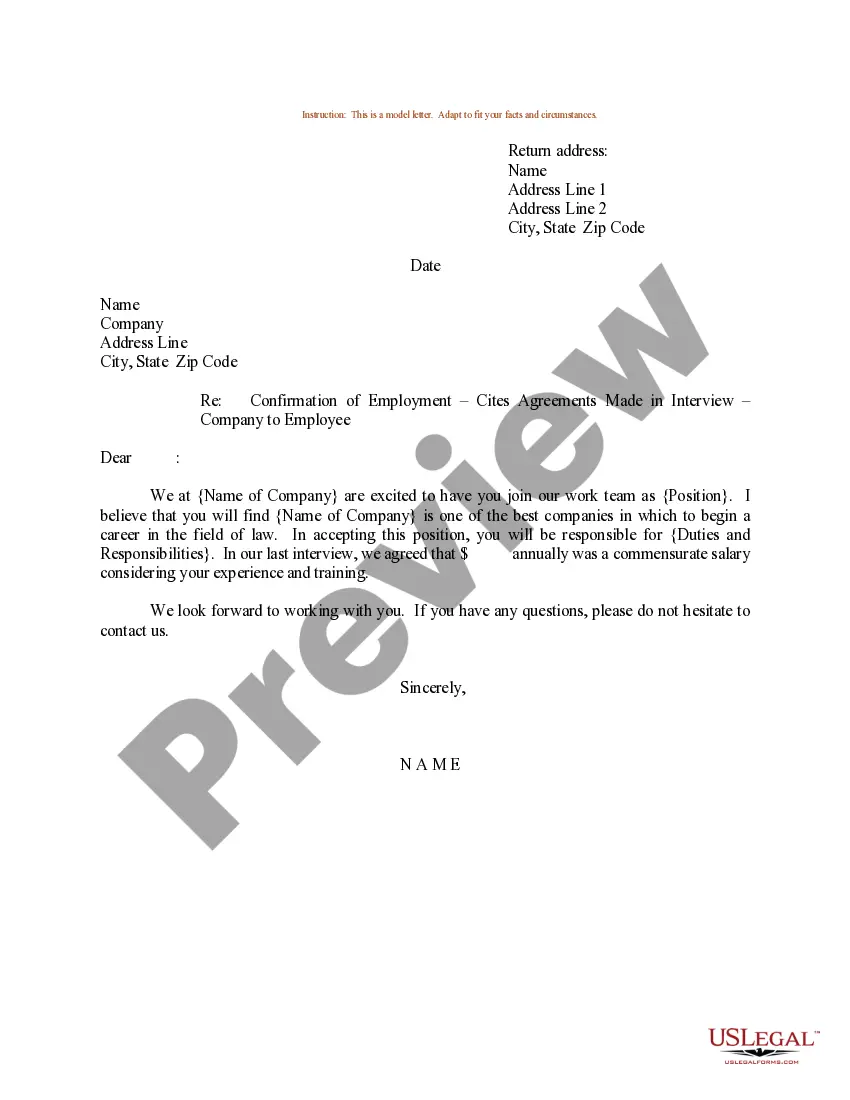




Form popularity
FAQ
With a GPA of 3.68, University of Utah requires you to be above average in your high school class. You'll need at least a mix of A's and B's, with more A's than B's. You can compensate for a lower GPA with harder classes, like AP or IB classes.
With a GPA of 3.83, UT Austin requires you to be near the top of your class, and well above average. Your transcript should show mostly A's. Ideally, you will also have taken several AP or IB classes to show that you can handle academics at a college level.
After you've submitted an application, it can take several weeks to process an admissions decision. Application processing times vary based on the type of application (i.e., freshman, transfer, etc.) and the time of year.
The acceptance rate at University of Utah is 87.2%. In other words, of 100 students who apply, 87 are admitted. This means the school is not selective. As long as you don't fall way below average, you'll likely get in.
What to Expect. Student will be evaluated for admission solely based on their GPA. High School GPA Requirements: 2.8-4.0 GPA - Admitted in Good Standing.
The University of Utah is a large public university located on an urban campus in Salt Lake City, Utah. It has a total undergraduate enrollment of 26,827, and admissions are selective, with an acceptance rate of 87%.
Your log-in credentials are: Your uNID# (included in your admissions letter) and your default password is your birthdate (MMDDYY).
You will often receive a decision – a college acceptance letter, college rejection letter, or deferral – in December. For the Regular Decision cycle, you will usually receive your college acceptance letter in late-March or early-April.
It usually takes four to six weeks to hear back after applying to college, depending on the school's admissions process and the type of application. Early decision applicants may receive a response in November or December, while regular decision applicants typically hear back between March and April.
Acceptance letters are the admission letters that everyone wants to receive. These letters may include information about next steps, deadlines, scholarships and awards, special programs, and more. You may receive admission to more than one college.

