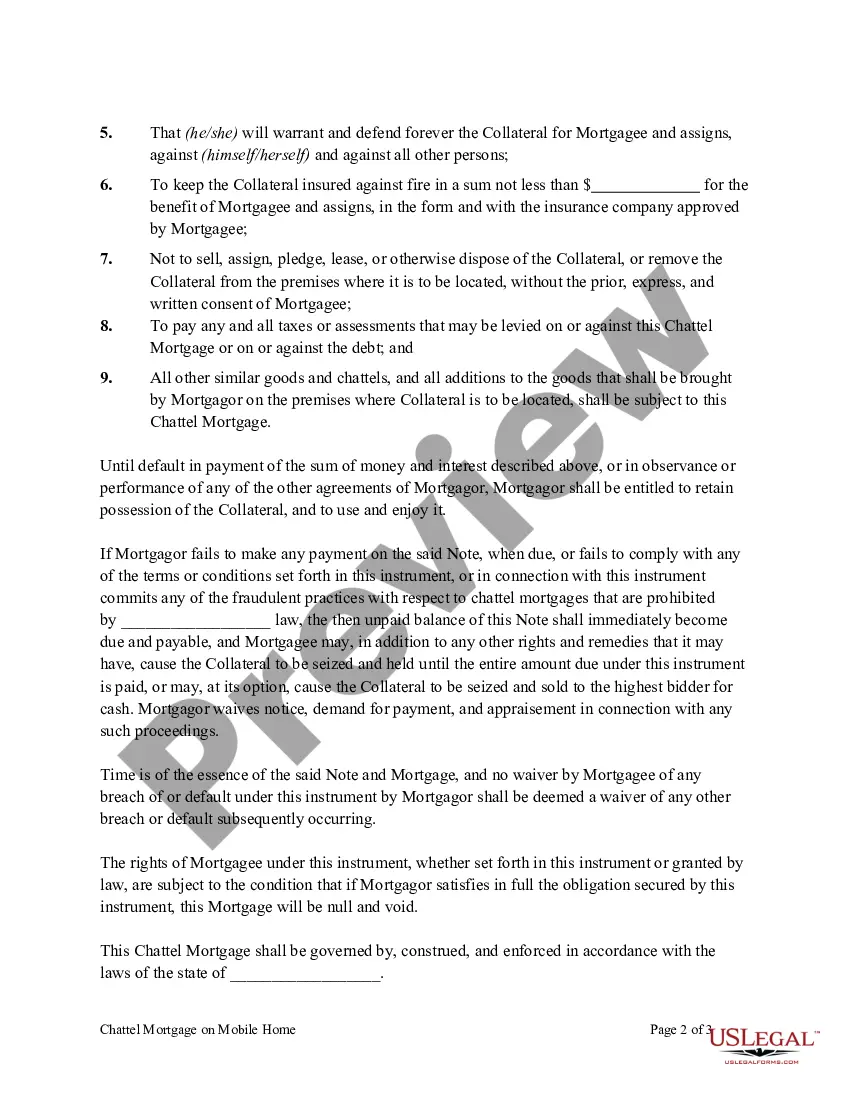
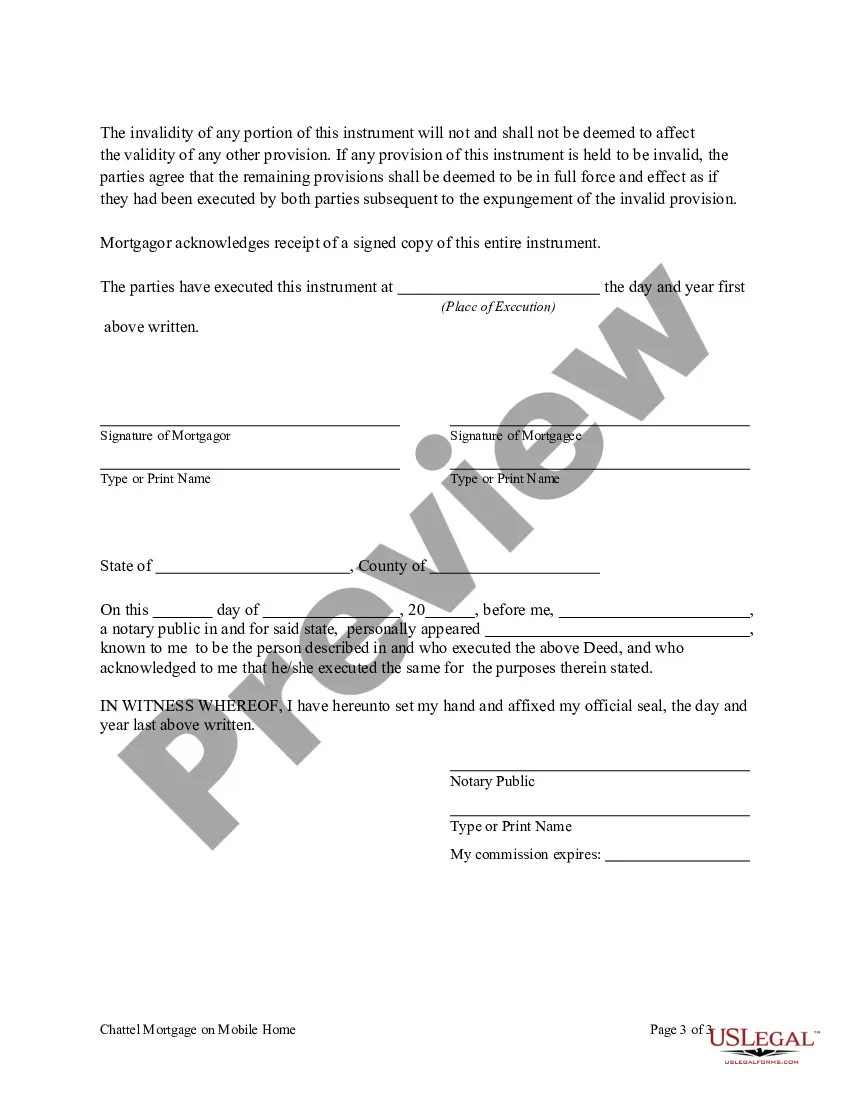
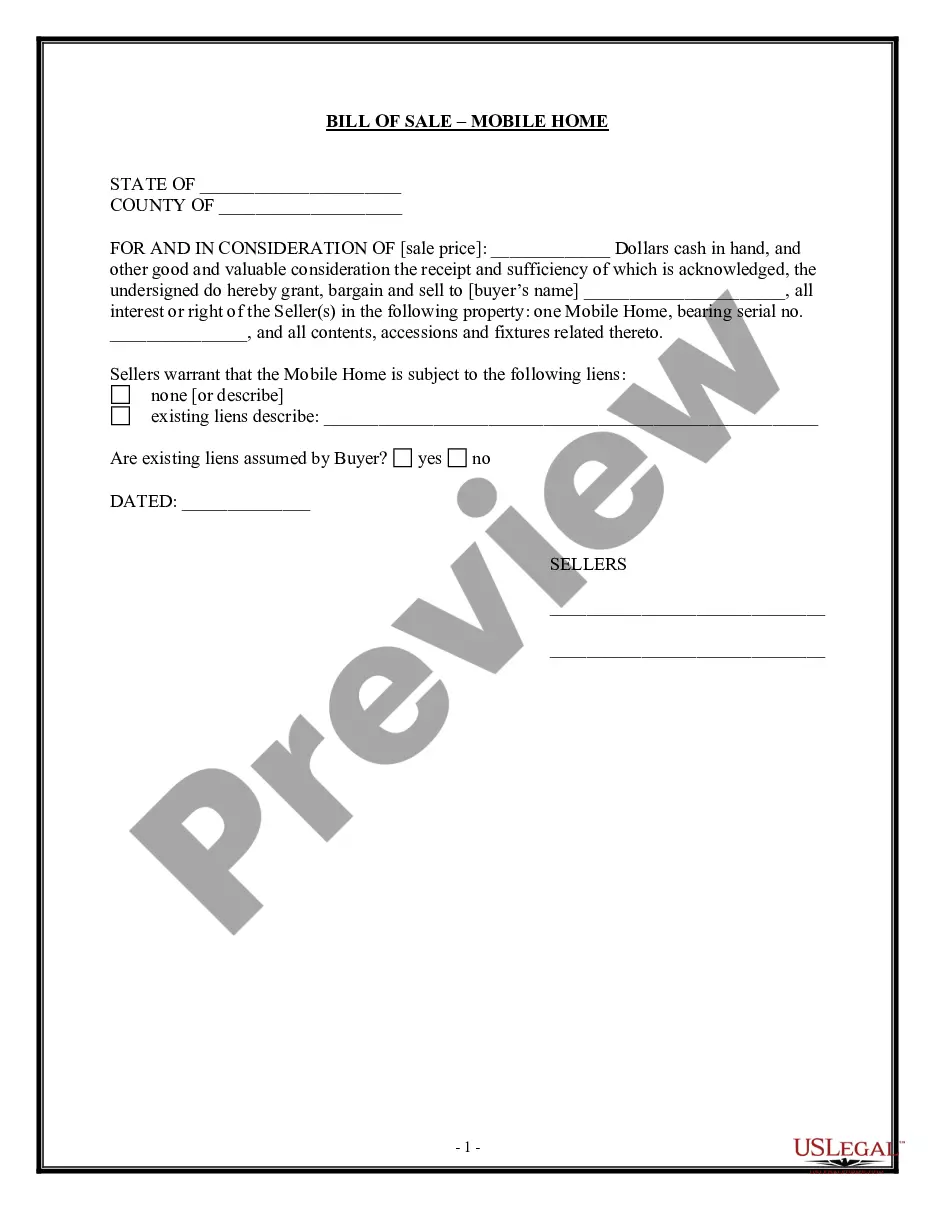
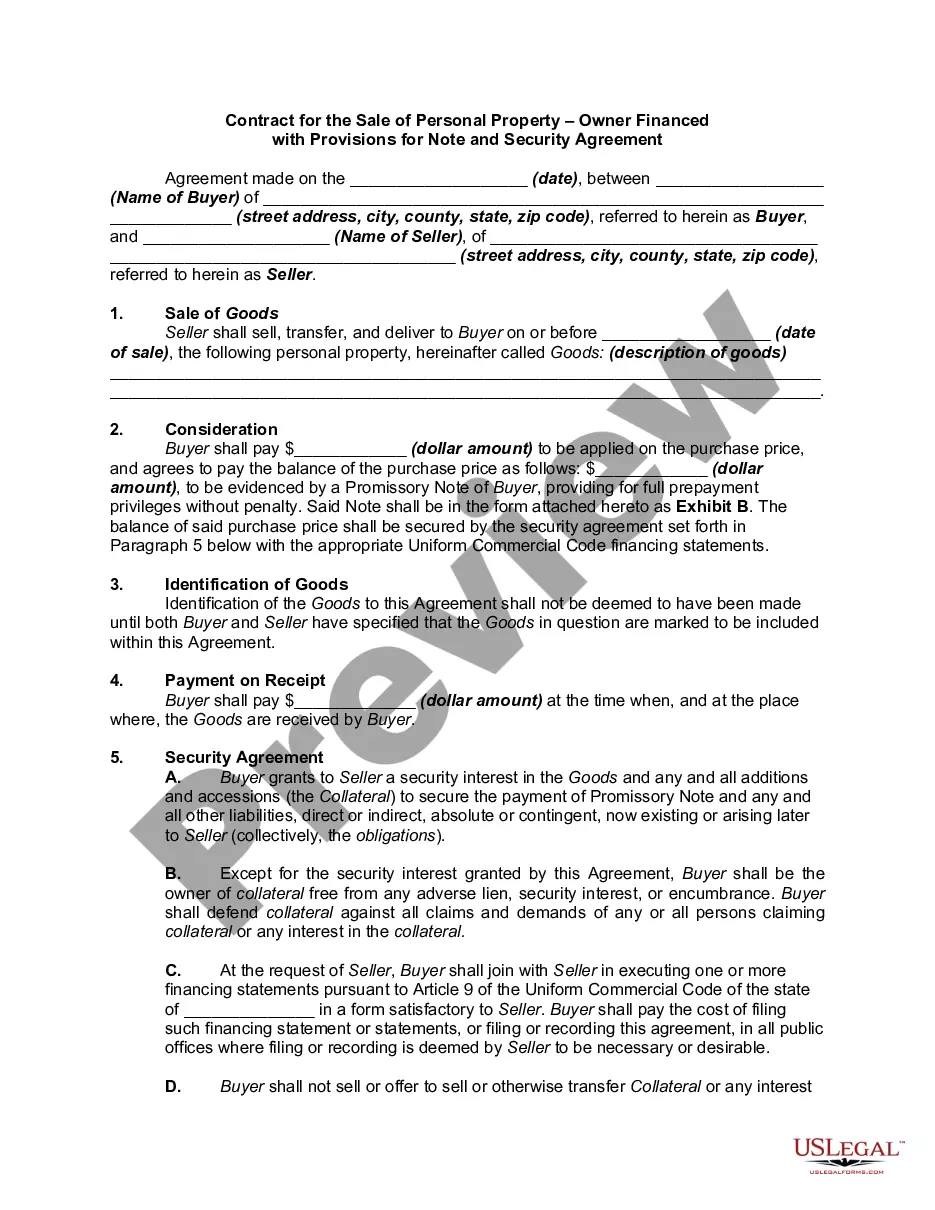
Chattel Mortgage Form For Individuals In Miami-Dade
Description

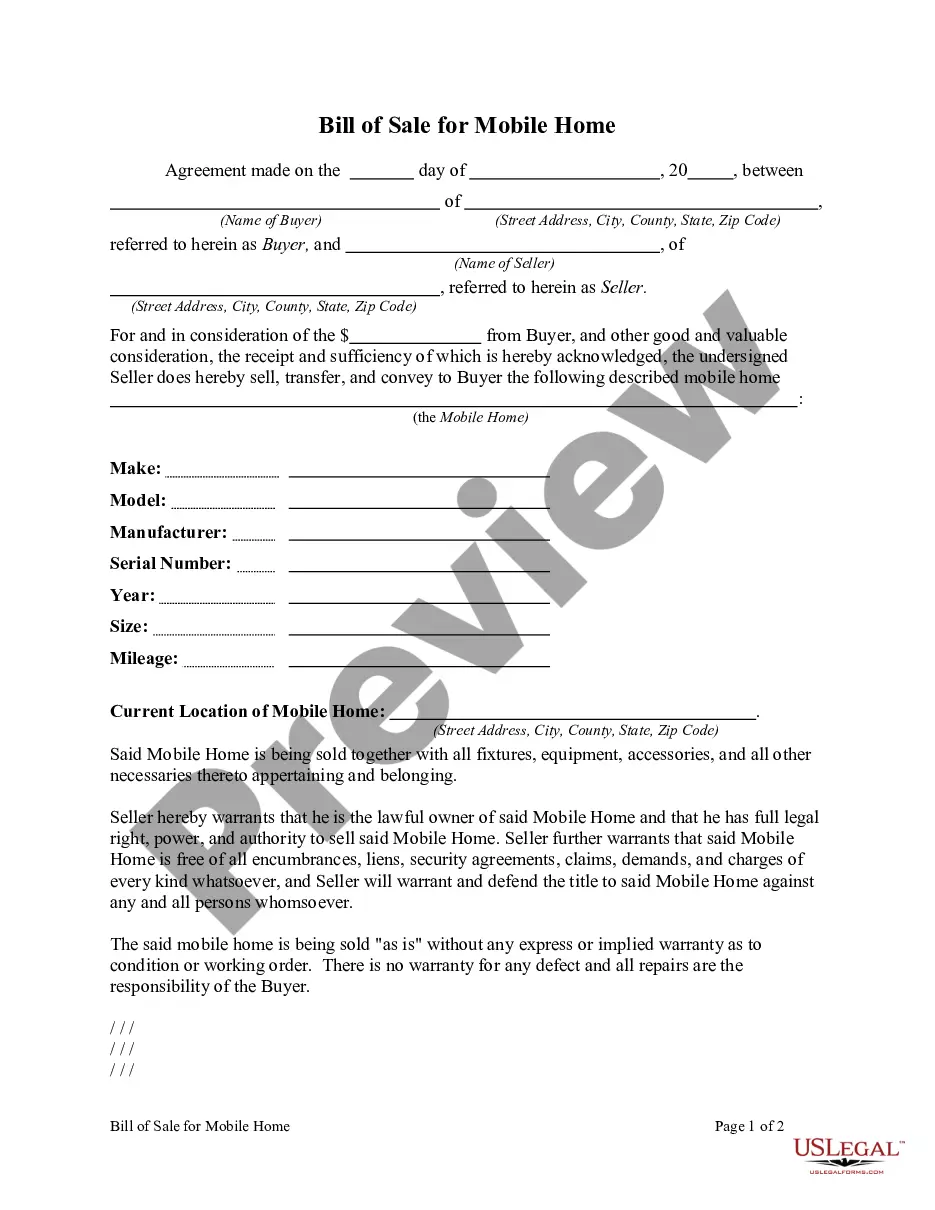
Get your form ready online
Our built-in tools help you complete, sign, share, and store your documents in one place.
Make edits, fill in missing information, and update formatting in US Legal Forms—just like you would in MS Word.
Download a copy, print it, send it by email, or mail it via USPS—whatever works best for your next step.
Sign and collect signatures with our SignNow integration. Send to multiple recipients, set reminders, and more. Go Premium to unlock E-Sign.
If this form requires notarization, complete it online through a secure video call—no need to meet a notary in person or wait for an appointment.
We protect your documents and personal data by following strict security and privacy standards.
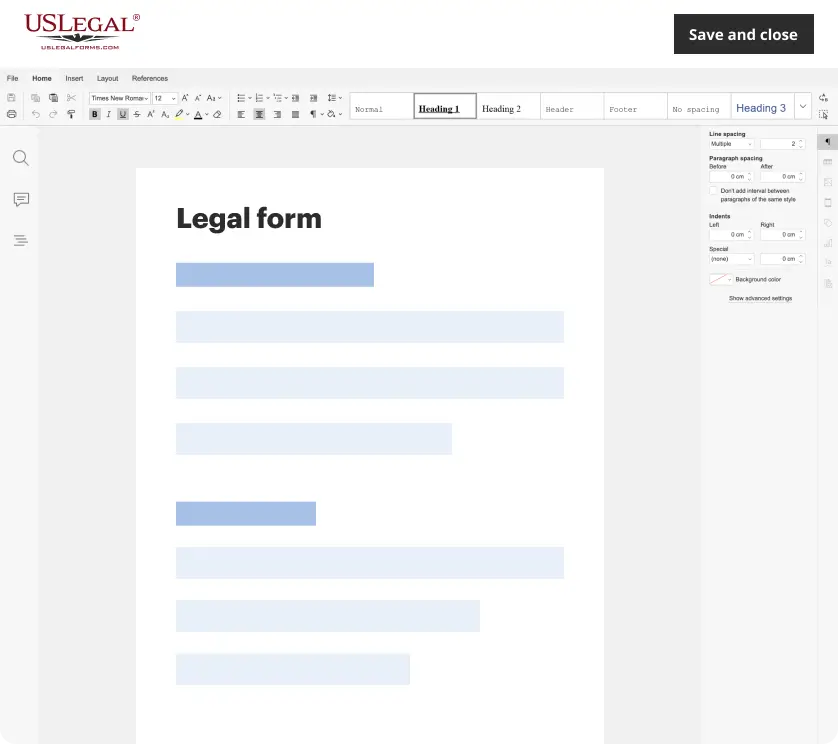
Make edits, fill in missing information, and update formatting in US Legal Forms—just like you would in MS Word.
Download a copy, print it, send it by email, or mail it via USPS—whatever works best for your next step.
Sign and collect signatures with our SignNow integration. Send to multiple recipients, set reminders, and more. Go Premium to unlock E-Sign.
If this form requires notarization, complete it online through a secure video call—no need to meet a notary in person or wait for an appointment.
We protect your documents and personal data by following strict security and privacy standards.
Looking for another form?


Form popularity
FAQ
You have three options for recording your documents in the Official Records: You can bring your original documents in person, along with the appropriate fees, and a self-addressed stamped envelope to the Miami-Dade County Courthouse. You can eRecord your document through one of our approved vendors.
First-time Homestead Exemption applicants and persons applying for the Homestead Assessment Difference (Portability) can file online.
Tangible personal property taxes are collected on an annual basis. Taxes are determined by the value of the assets used in a business to get income. They are ad valorem taxes, based on property values reported by each business, from which a final assessed value, as of Jan. 1, is determined by the property appraiser.
Seniors aged 65 and older with a household income below $36,614 for Miami-Dade County (research the limit for your specific county) can receive an additional $50,000 exemption on their home's assessed value, in addition to the standard $50,000 homestead exemption available to all homeowners.
The deadline to file for homestead exemption is March 1st of the current tax year. However, you may late file up to 25 days from that date the Notices of Proposed Property Taxes are mailed. For help, please contact our office at 772-288-5608.
You are 65 years of age, or older, on January 1; You qualify for, and receive, the Florida Homestead Exemption; Your total 'Household Adjusted Gross Income' for everyone who lives on the property cannot exceed statutory limits.
The applica�on for homestead exemp�on (see Form DR- 501) and other exemp�on forms are on property appraisers' websites and on the Department of Revenue's forms webpage. Submit your homestead applica�on to your county property appraiser.
Required Documentation for Homestead Exemption Copy of Florida Driver's License showing residential address. Florida Vehicle Registration or Florida Voter's Registration card, if registered. Social Security Number for each applicant and spouse even if the spouse does not own and/or reside on the property.
Prior to filing a lien, a lienor who does not have a direct contract with the owner, must serve the owner with a Notice to Owner. The Notice to Owner must state the lienor's name and address, and a description of the real property and the nature of the services or materials being furnished.
Tomas Regalado, Property Appraiser - Miami-Dade County.
