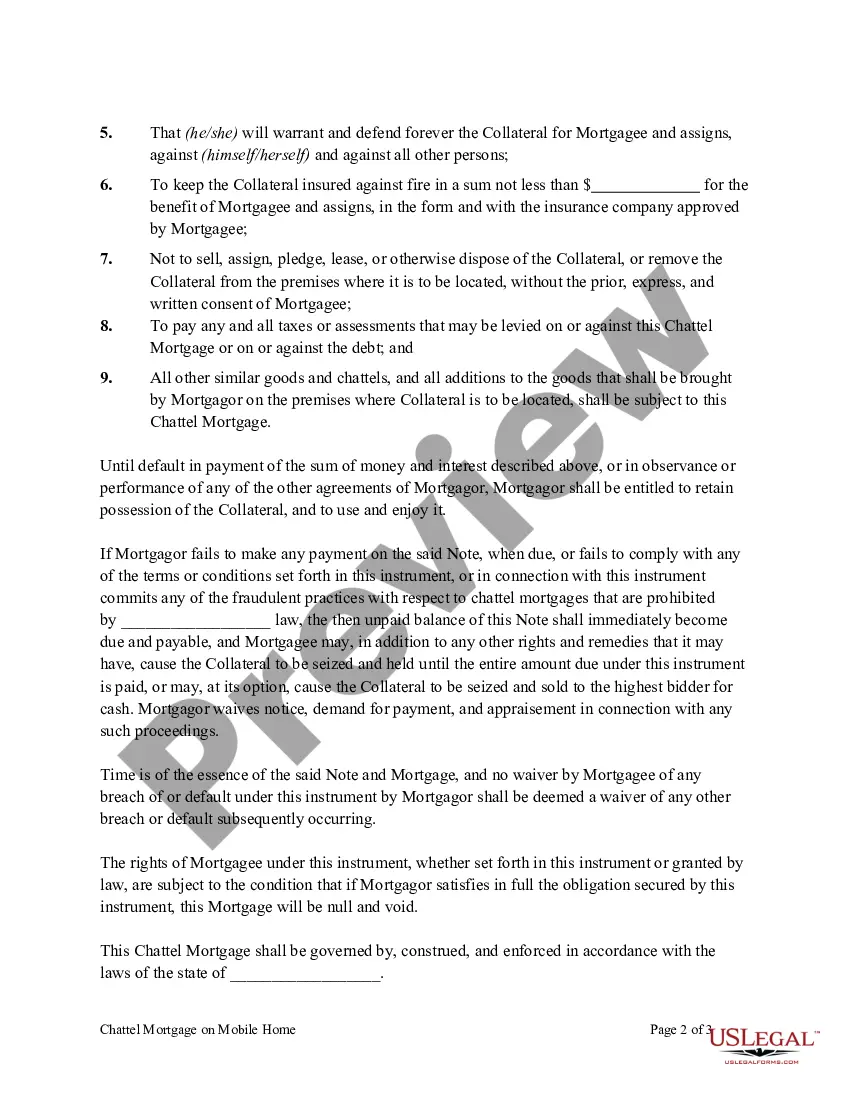
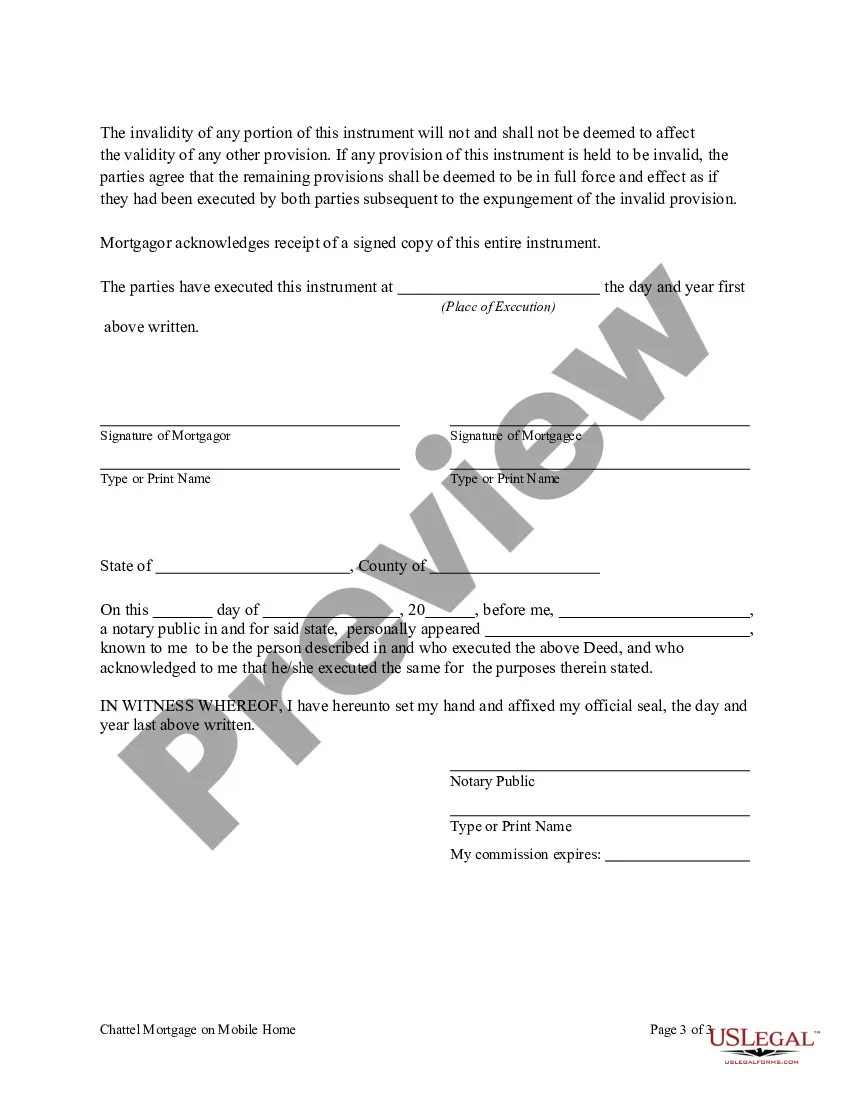
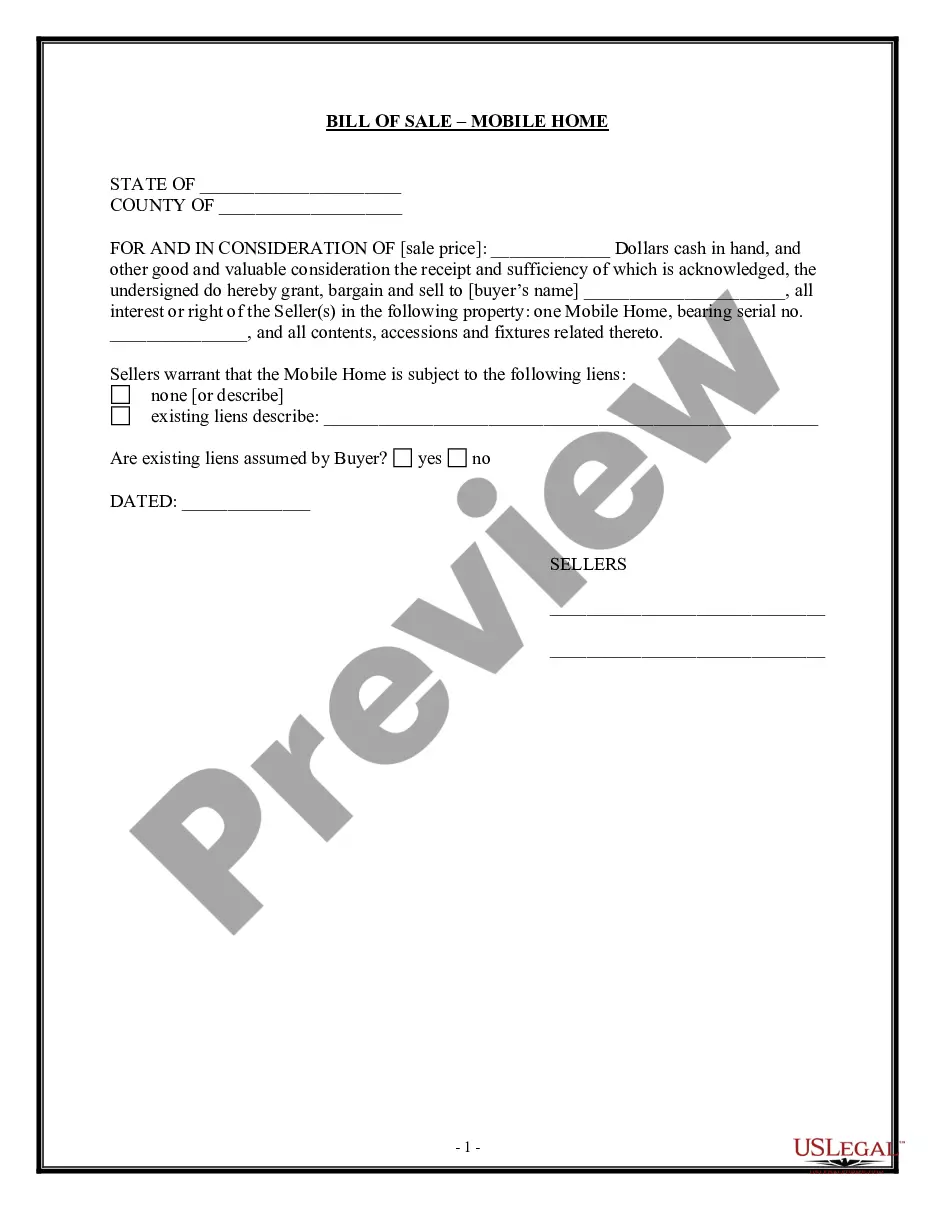
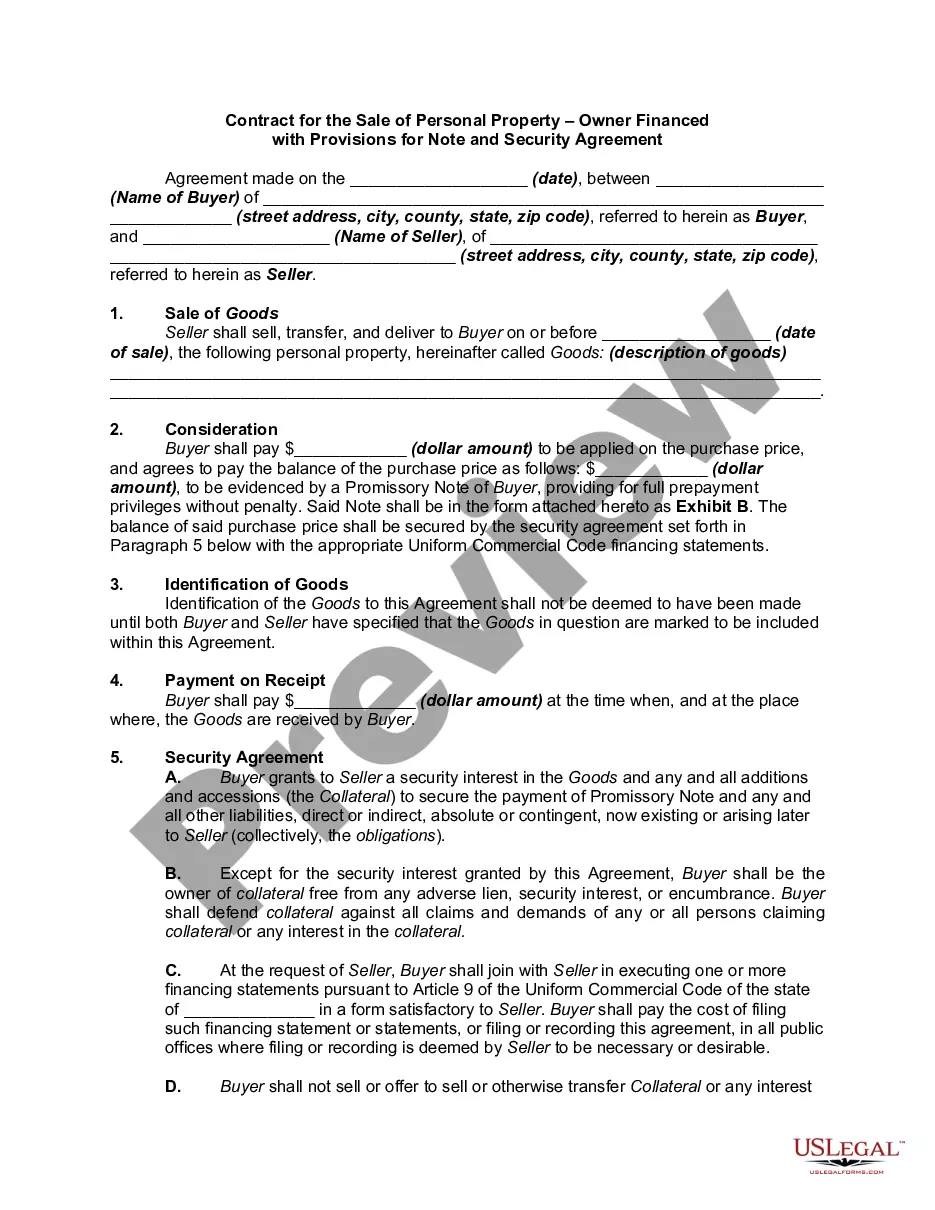
Chattel Mortgage Form With Extra Judicial Foreclosure In California
Description

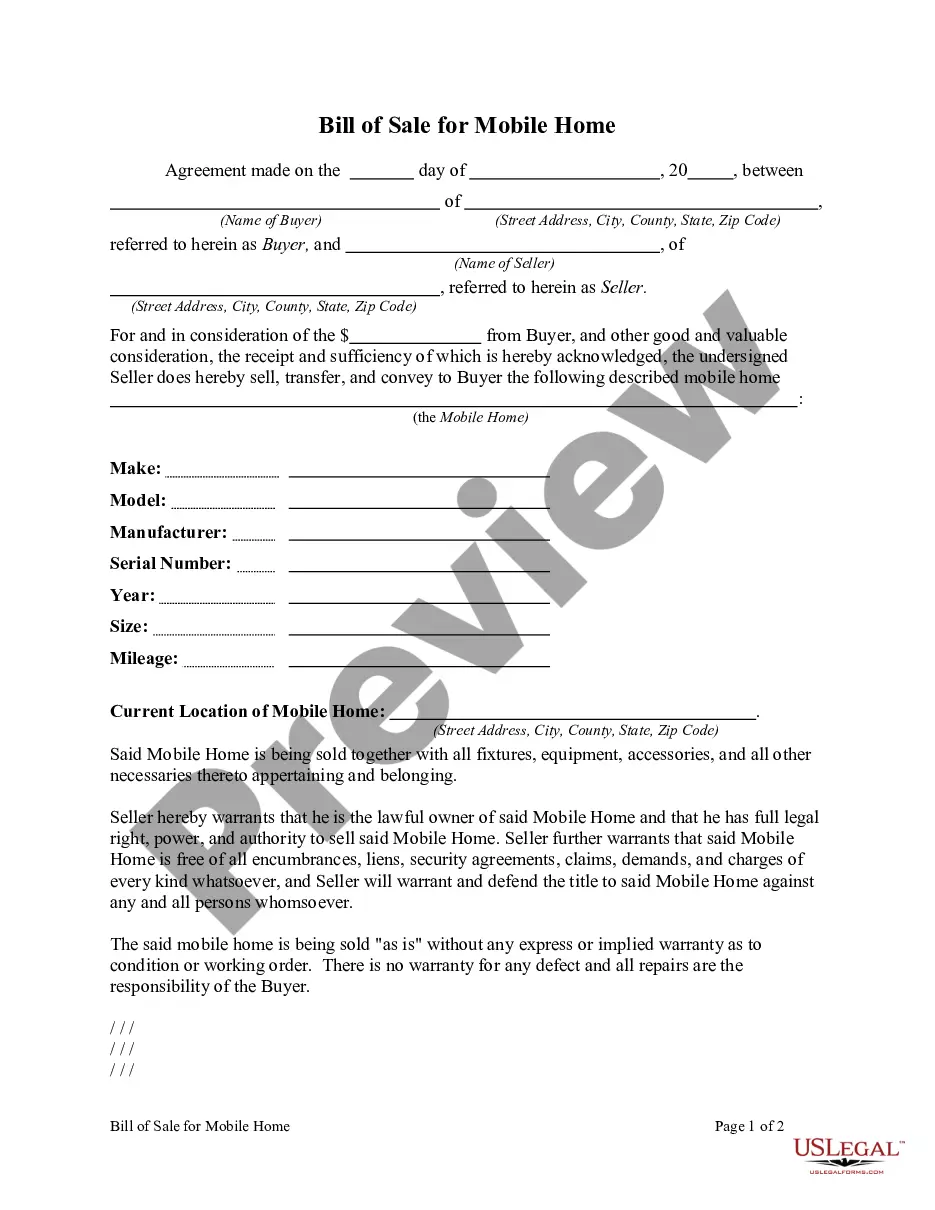
Get your form ready online
Our built-in tools help you complete, sign, share, and store your documents in one place.
Make edits, fill in missing information, and update formatting in US Legal Forms—just like you would in MS Word.
Download a copy, print it, send it by email, or mail it via USPS—whatever works best for your next step.
Sign and collect signatures with our SignNow integration. Send to multiple recipients, set reminders, and more. Go Premium to unlock E-Sign.
If this form requires notarization, complete it online through a secure video call—no need to meet a notary in person or wait for an appointment.
We protect your documents and personal data by following strict security and privacy standards.

Make edits, fill in missing information, and update formatting in US Legal Forms—just like you would in MS Word.

Download a copy, print it, send it by email, or mail it via USPS—whatever works best for your next step.

Sign and collect signatures with our SignNow integration. Send to multiple recipients, set reminders, and more. Go Premium to unlock E-Sign.

If this form requires notarization, complete it online through a secure video call—no need to meet a notary in person or wait for an appointment.

We protect your documents and personal data by following strict security and privacy standards.
Looking for another form?




Form popularity
FAQ
In California, lenders can foreclose on deeds of trust or mortgages using a nonjudicial foreclosure process (outside of court) or a judicial foreclosure process (through the courts). The nonjudicial foreclosure process is used most commonly in our state.
By the fifth missed payment, foreclosure proceedings are usually underway.” In California, you may get a notice of trustee's sale, which puts your property on the auction block.
Timelines for distressed borrowers Borrowers have the most protections if a complete application for mortgage assistance is submitted within 120 days of the first missed payment because the servicer is not allowed to start a foreclosure process during those 120 days.
In California, lenders can foreclose on deeds of trust or mortgages using a nonjudicial foreclosure process (outside of court) or a judicial foreclosure process (through the courts). The nonjudicial foreclosure process is used most commonly in our state.
Parties of interest may file claims by completing and returning the forms that are included with the written notices. Parties of interest may also file claims by using the instructions and forms listed below. State law allows parties of interest to designate agents, who may require fees to file claims on their behalf.
Assembly Bill 2424, effective January 1, 2025, makes several revisions to the non-judicial foreclosure process designed to assist borrowers in avoiding foreclosure by prompting early marketing and sale of properties with sufficient equity for full repayment of existing encumbrances.
Right to Redeem After a Judicial Foreclosure Under California Law. If the foreclosure is judicial, you may generally redeem the home within: three months after the foreclosure sale, if the proceeds from the sale satisfy the indebtedness, or. one year if the sale resulted in a deficiency.
In general, a judicial foreclosure can take two to three years to complete in California. A judicial foreclosure is subject to a four-year statute of limitations and is subject to a post-sale redemption right unless the deficiency claim is waived.
In a judicial foreclosure, after the judge orders the sale of a home, it's usually auctioned off to the highest bidder. The homeowner has some time after the sale to buy the home back from the successful bidder (called the right of redemption). The amount of time depends on whether the sale satisfied the debt.
Notification: After the foreclosure sale, you will receive a notice from the trustee if surplus funds are available. The trustee must also file a report with the court. Filing a Claim: Submit a claim form to the trustee or the court, detailing your right to the surplus funds.
