Sample Email To Client For New Business In Nevada
Description
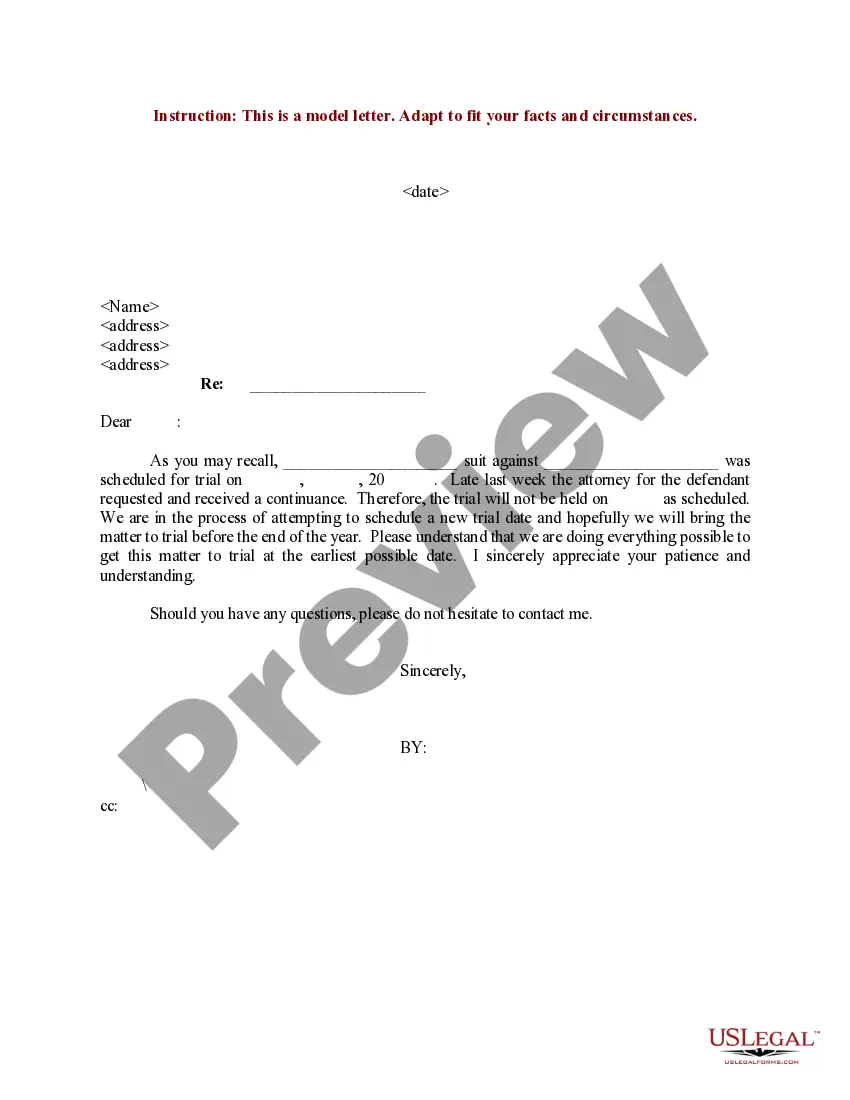
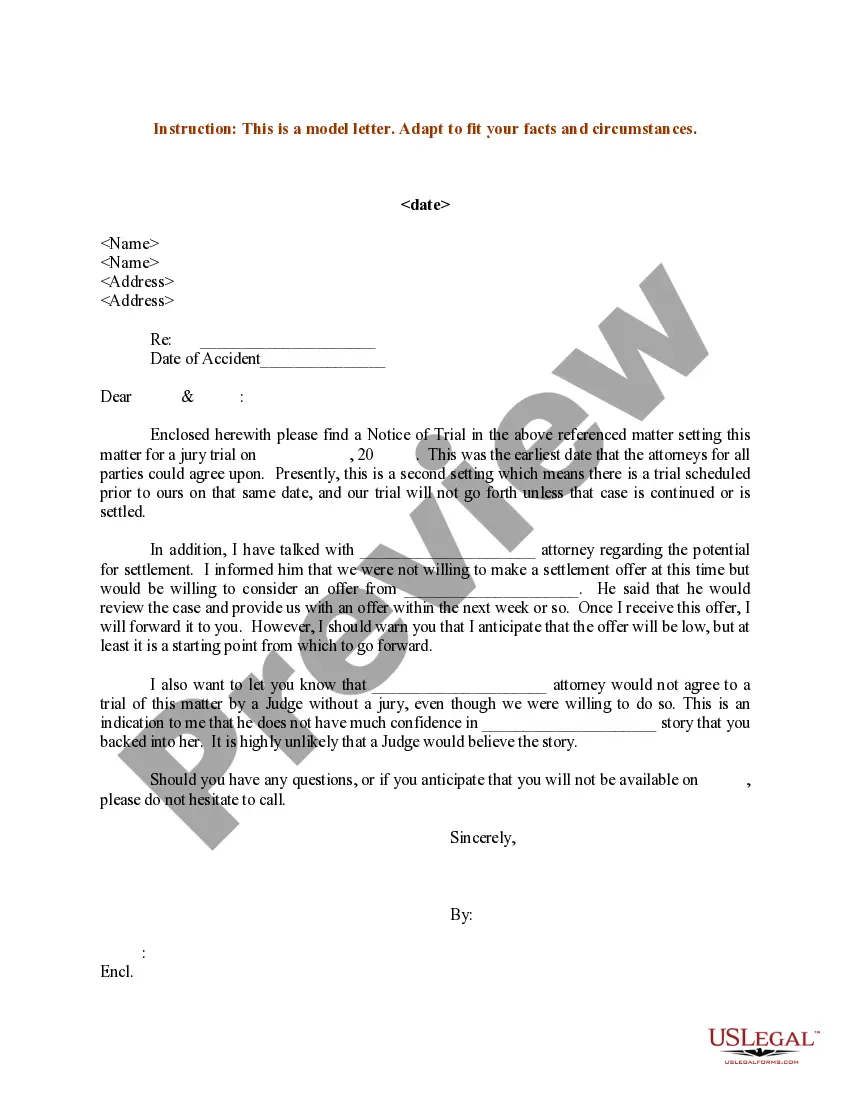
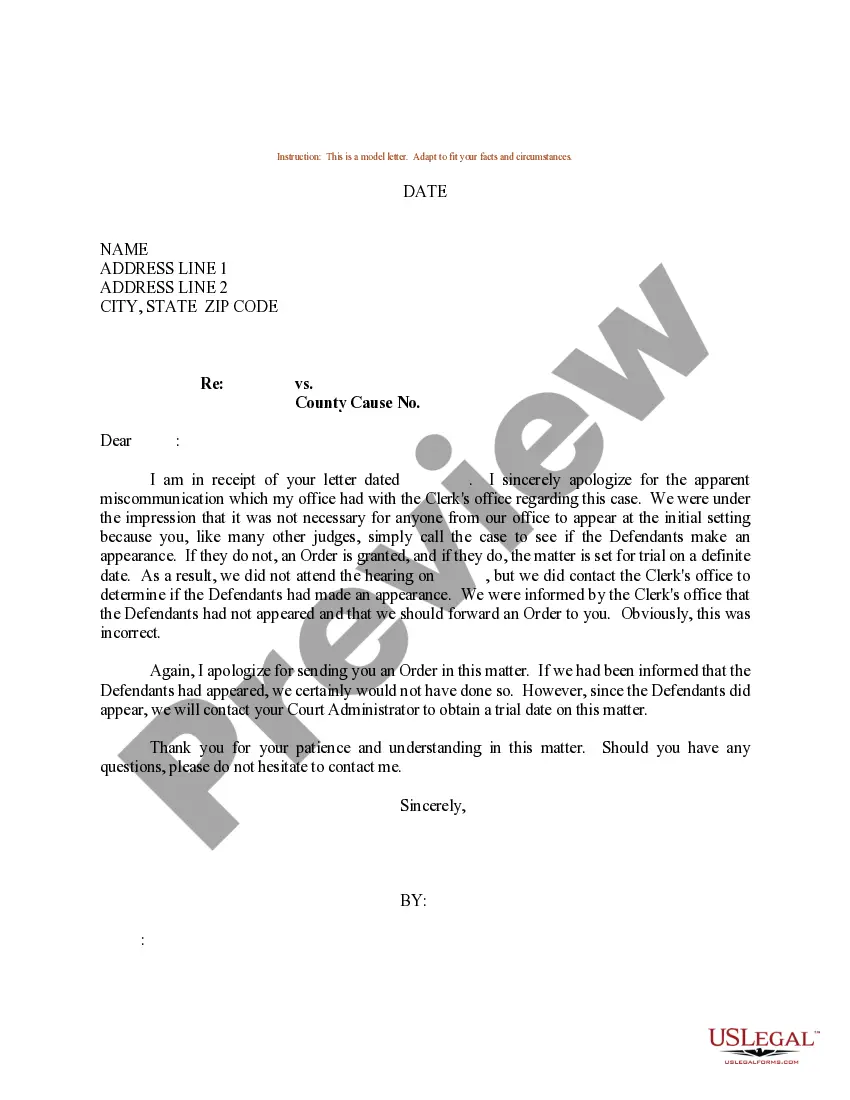
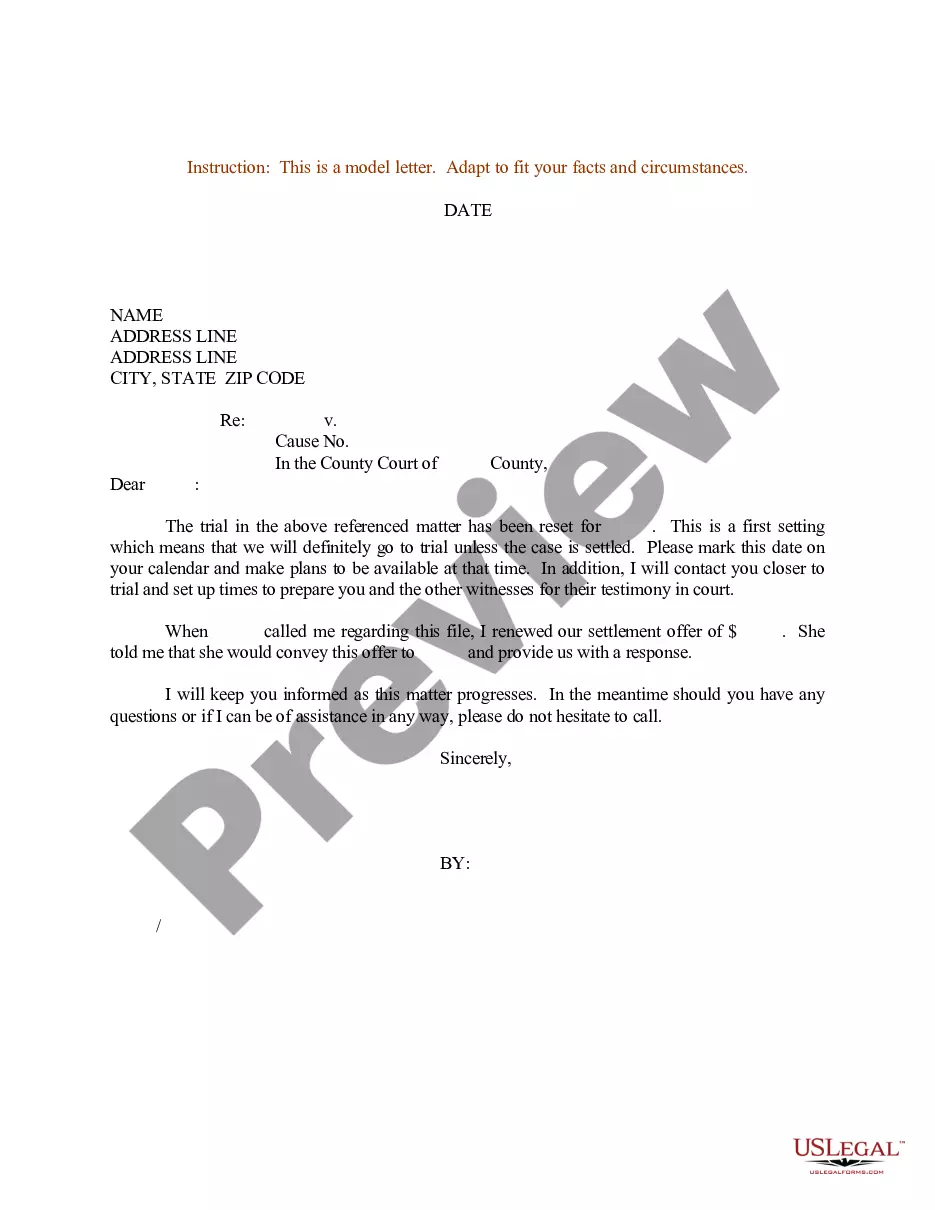
Get your form ready online
Our built-in tools help you complete, sign, share, and store your documents in one place.
Make edits, fill in missing information, and update formatting in US Legal Forms—just like you would in MS Word.
Download a copy, print it, send it by email, or mail it via USPS—whatever works best for your next step.
Sign and collect signatures with our SignNow integration. Send to multiple recipients, set reminders, and more. Go Premium to unlock E-Sign.
If this form requires notarization, complete it online through a secure video call—no need to meet a notary in person or wait for an appointment.
We protect your documents and personal data by following strict security and privacy standards.

Make edits, fill in missing information, and update formatting in US Legal Forms—just like you would in MS Word.

Download a copy, print it, send it by email, or mail it via USPS—whatever works best for your next step.

Sign and collect signatures with our SignNow integration. Send to multiple recipients, set reminders, and more. Go Premium to unlock E-Sign.

If this form requires notarization, complete it online through a secure video call—no need to meet a notary in person or wait for an appointment.

We protect your documents and personal data by following strict security and privacy standards.
Looking for another form?

Form popularity
FAQ
What to Write in an Email When Sending Documents Purpose of the Email: Clearly state why you're sending this document. Document Details: Mention the name of the document and a brief description. Required Action: Specify if the recipient needs to review, sign, or respond to the document.
Dear Name of the addressee or "Team of Name of addressee company", Please allow me to introduce myself: my name is Your name, and I am writing to you in order to express interest, make an inquiry, or request information about specific product, service, or partnership offered by Company.
I hope this email finds you well. I am writing to discuss the next steps in our project development process. In order to ensure that we meet your expectations and deliver a product that aligns perfectly with your vision, we kindly request your input on the project requirements.
How To Approach A Client For The First Time Via Email? A strong and personalized subject line. No two clients are the same. Start with a strong hook. Introduce yourself. Relevant pitch or sales proposal that pushes your ultimate value proposition. End with a click-worthy CTA.
We are thrilled to welcome you to Business Name. As a new client, you are now part of our family, and we want to make sure you feel at home. We know that every client is unique, so we want to learn more about you and your needs. Please take a few minutes to fill out this short survey insert link to survey.
How to Write A Sample Email to Client (For New Business) Start with a Personal Connection. Use a Compelling Subject Line. Clearly State Your Value Proposition. Keep the Email Short and Focused. Show Social Proof or Credibility. End with a Clear Call-to-Action (CTA) Follow-Up with Consistency.
How do you write an email asking for more work? Be concise: Often with email requests, the shorter the better. Make it a new email: It is recommended to let your clients know why you are emailing as early as possible. Be clear. Try to stay light. Be clear. Show a track record. Show samples. Be sure to ask:
Introduce yourself in the first sentence, and then let the businessperson know the reason for the email. Briefly address an inquiry, question or feedback. Use the second paragraph to state details or ask specific questions. Be direct.
Use a professional email address. Add a concise, informative subject line. Greet the recipient with a proper salutation. Write the body of your email. End emails with a sign-off and signature. Proofread your email. Check your recipient fields. Schedule your email and send.

