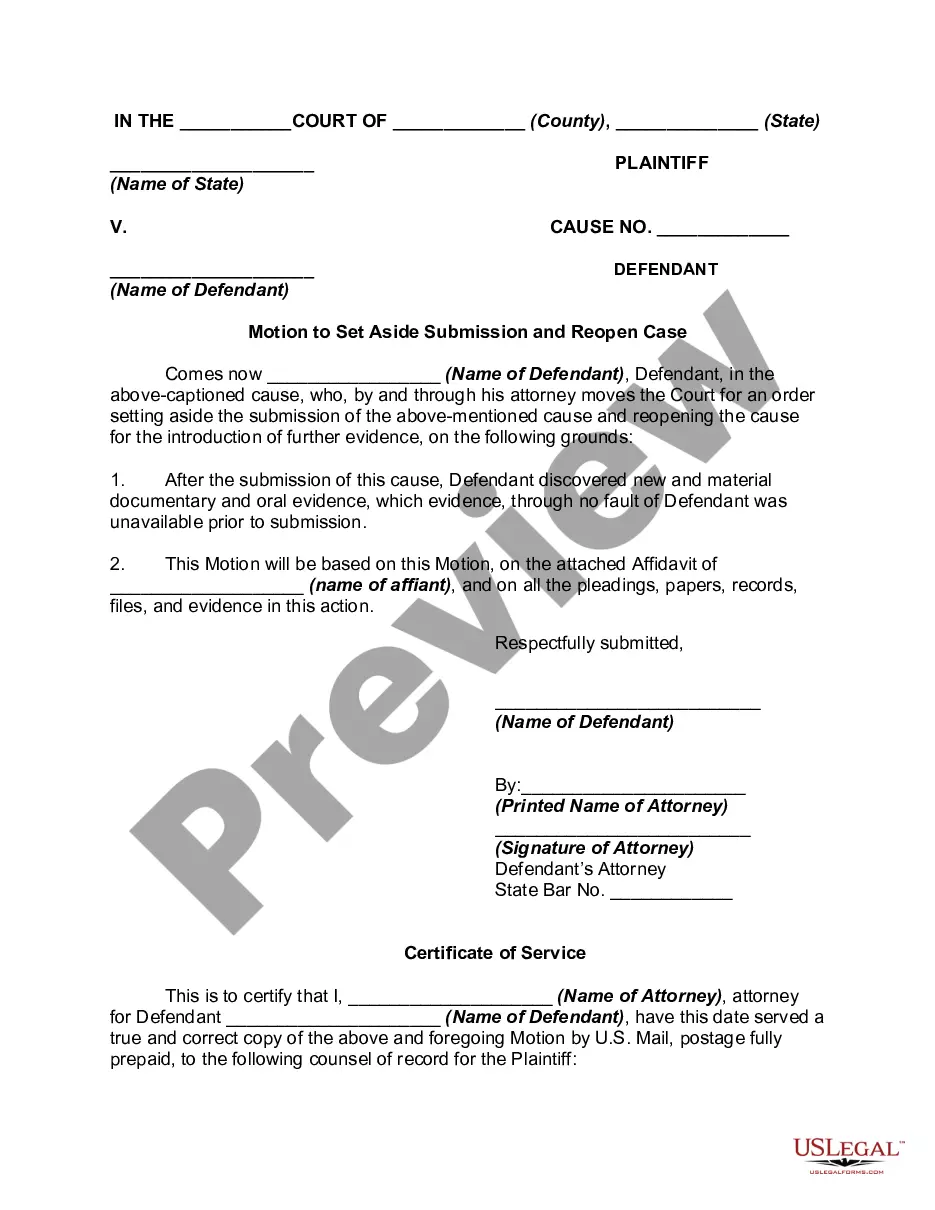
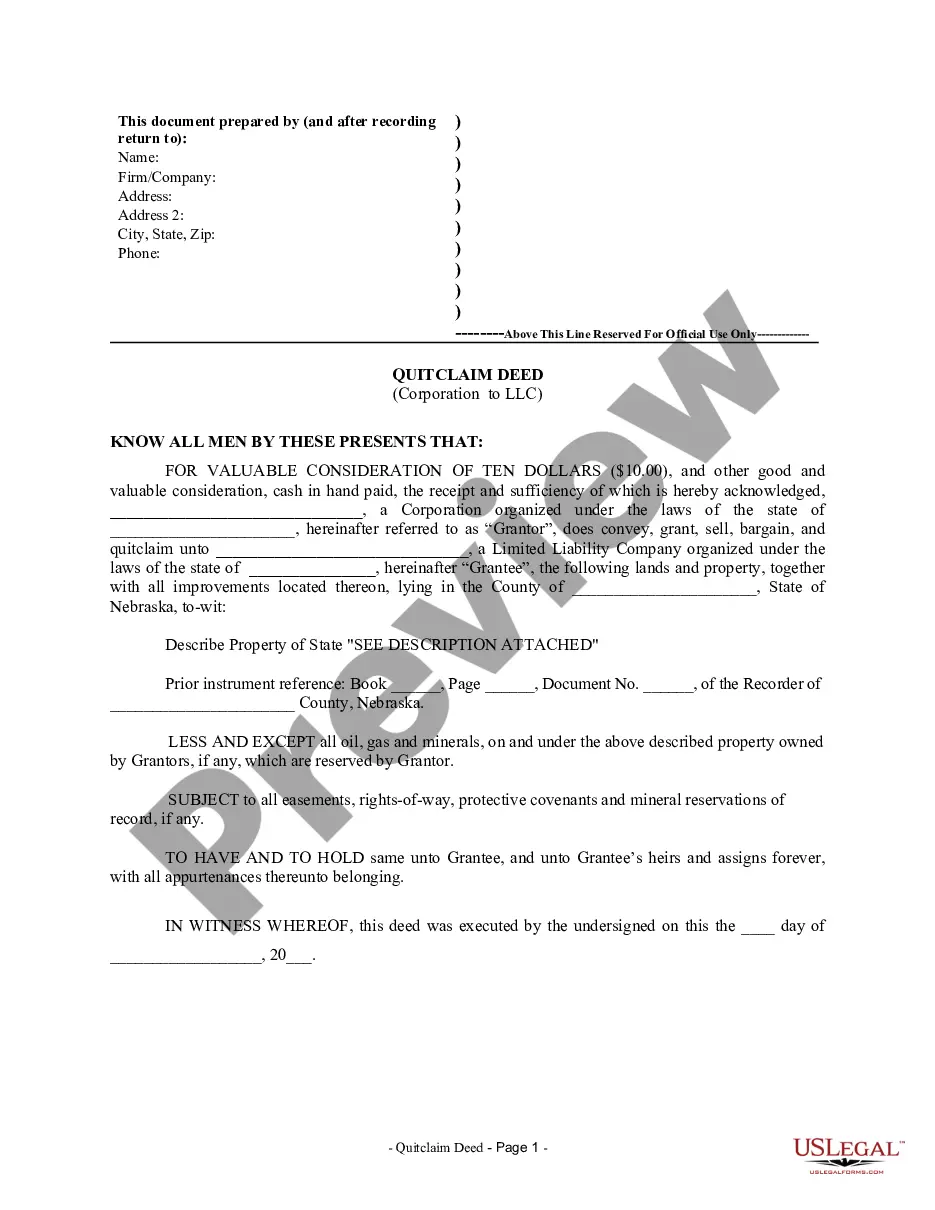
Sample Letter Of Contract Termination With Client In Massachusetts
Description
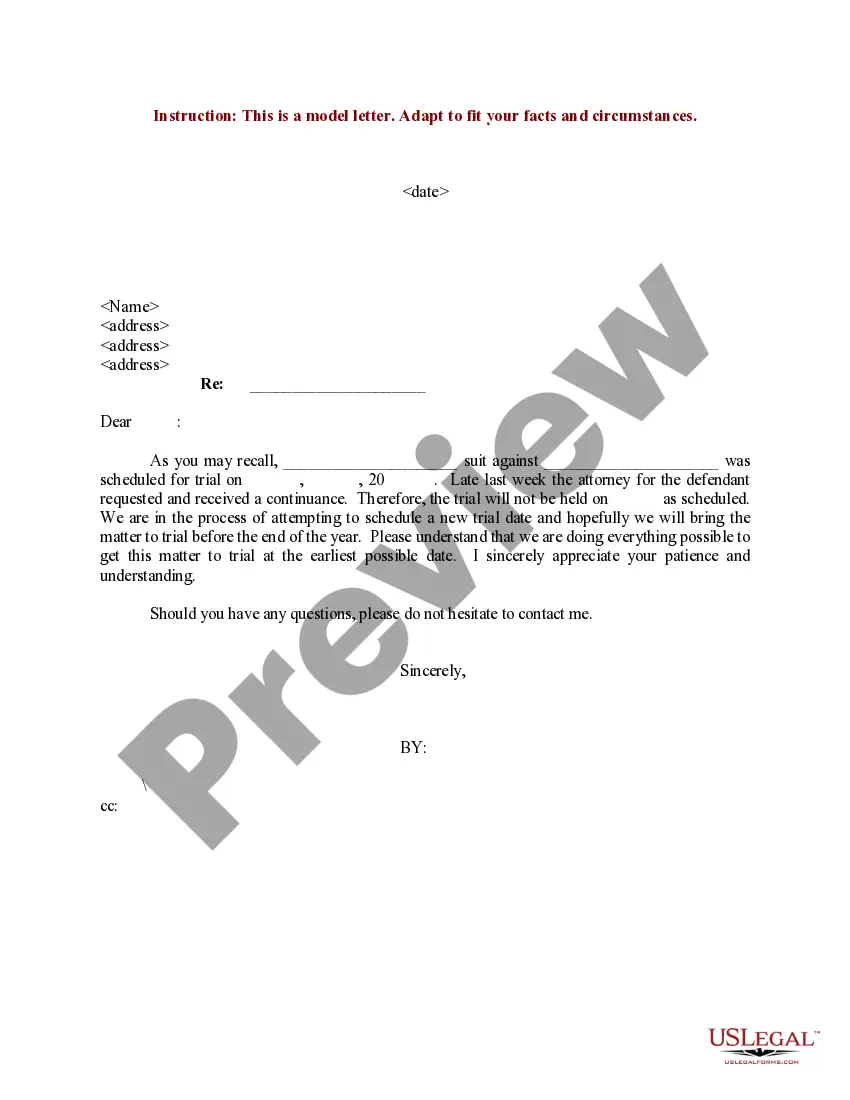
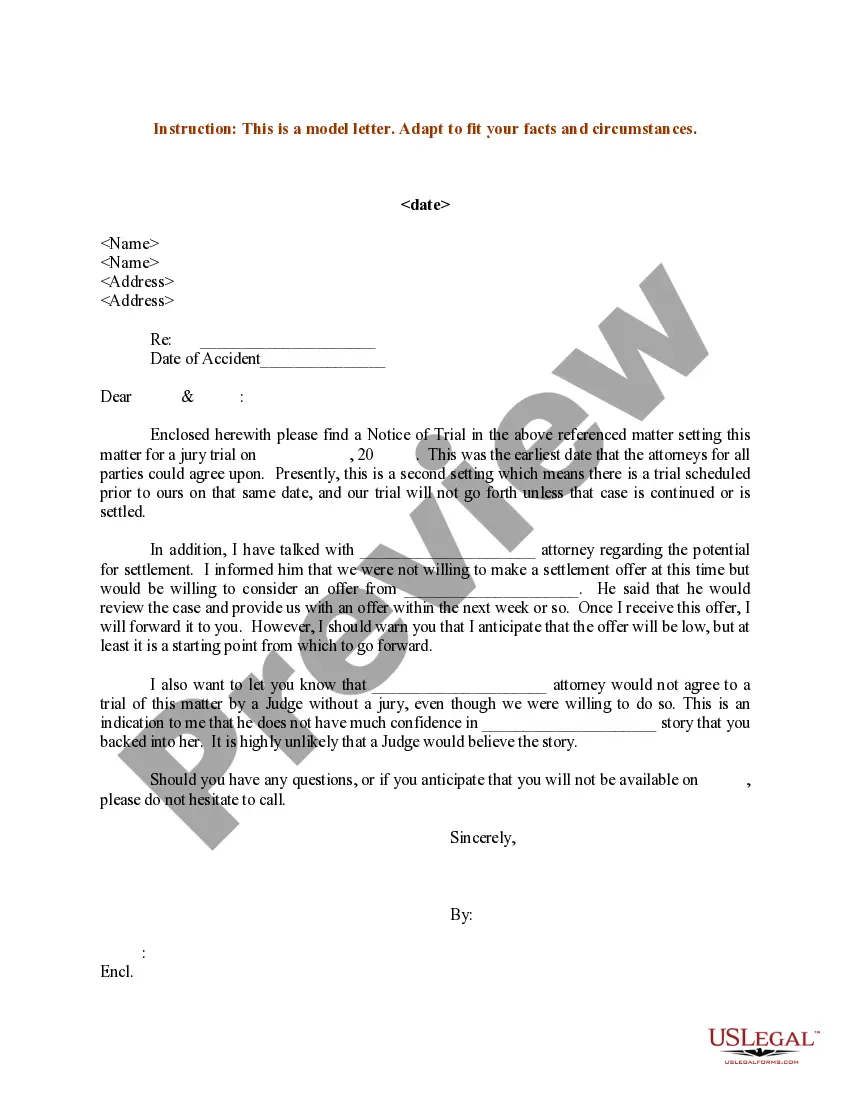
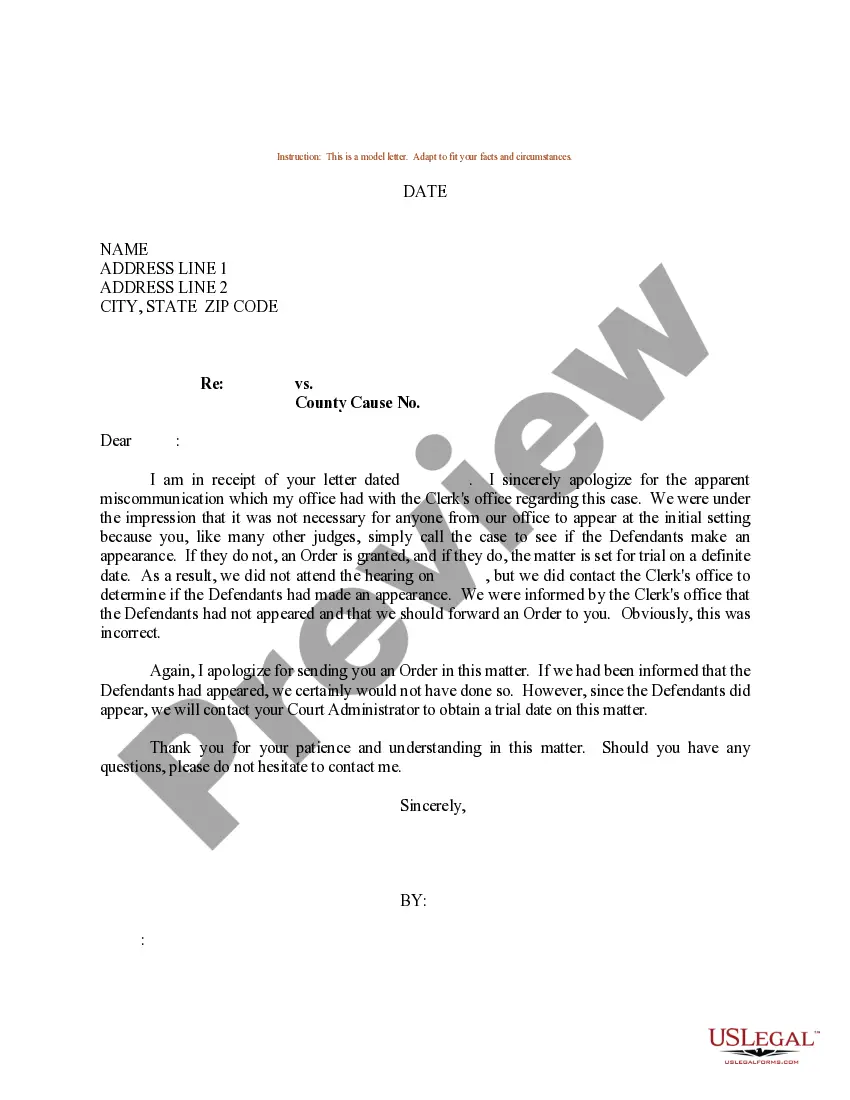
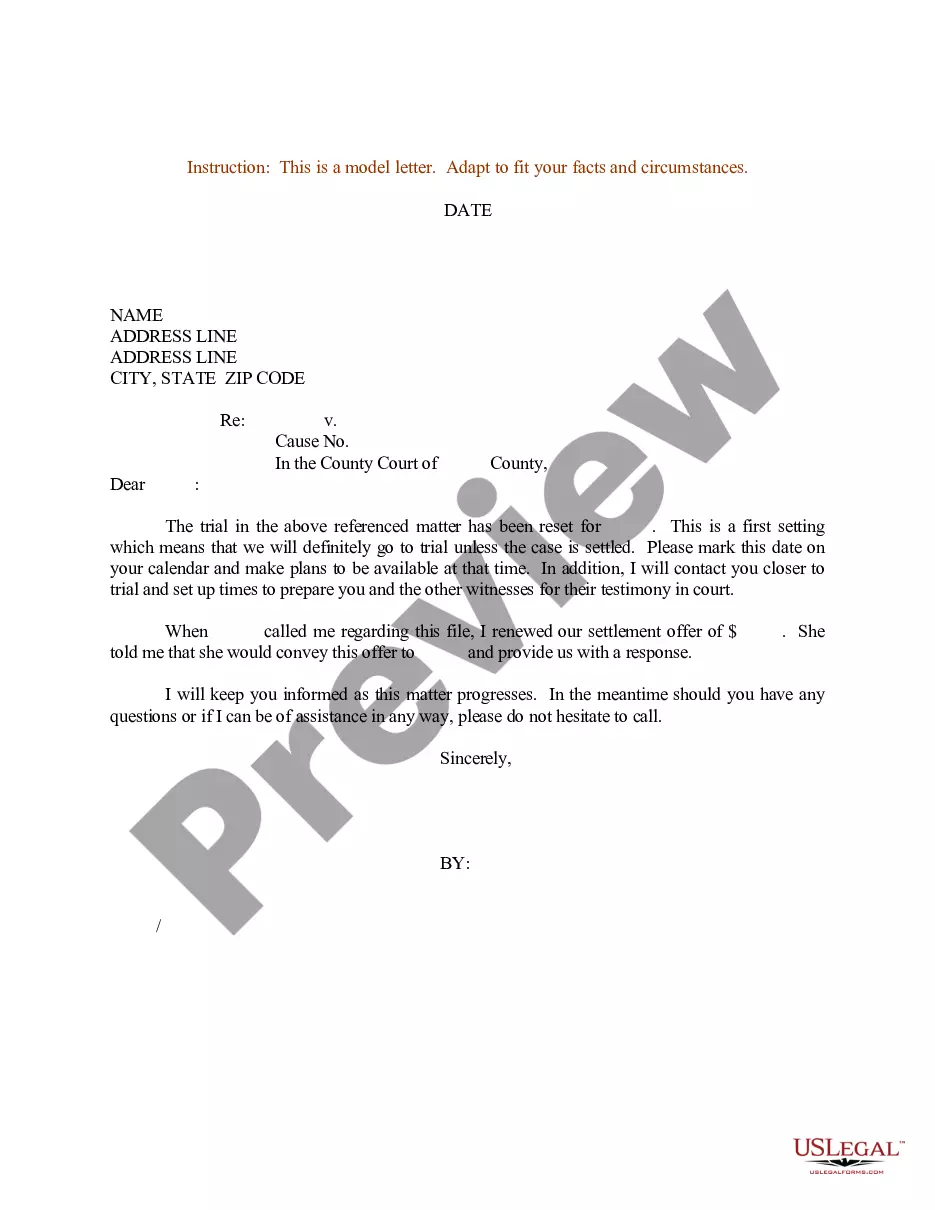
Get your form ready online
Our built-in tools help you complete, sign, share, and store your documents in one place.
Make edits, fill in missing information, and update formatting in US Legal Forms—just like you would in MS Word.
Download a copy, print it, send it by email, or mail it via USPS—whatever works best for your next step.
Sign and collect signatures with our SignNow integration. Send to multiple recipients, set reminders, and more. Go Premium to unlock E-Sign.
If this form requires notarization, complete it online through a secure video call—no need to meet a notary in person or wait for an appointment.
We protect your documents and personal data by following strict security and privacy standards.

Make edits, fill in missing information, and update formatting in US Legal Forms—just like you would in MS Word.

Download a copy, print it, send it by email, or mail it via USPS—whatever works best for your next step.

Sign and collect signatures with our SignNow integration. Send to multiple recipients, set reminders, and more. Go Premium to unlock E-Sign.

If this form requires notarization, complete it online through a secure video call—no need to meet a notary in person or wait for an appointment.

We protect your documents and personal data by following strict security and privacy standards.
Looking for another form?
Form popularity
FAQ
While email offers a written record and can be less confrontational, delivering this news through a phone call or face-to-face meeting is generally more professional and empathetic. This approach allows for immediate dialogue, addresses concerns in real-time, and demonstrates respect for the client.
How to Write a Termination Letter Start with empathy. Be direct and concise. Explain your decision. Express appreciation. Offer support. Provide administrative and logistical information. Be respectful and professional. Review the letter with the HR department.
Key takeaways. Your client termination letter should be clear about your intention to end your professional relationship, express gratitude for the opportunity to work together and confirm any outstanding fees and outstanding work left to do.
Ideally, you should notify the contractor in writing and keep a copy for your records. A generous notice period allows the contractor to prepare for the transition, complete any ongoing tasks, and leave with a positive view of the company.
Communicate With Appreciation and Leave a Kind Impression As an example you could say, “Thank you so much for the fantastic work you've done for us. We no longer require (their service) at the moment, but when we do, you'll be the first one we'll call.”
Clearly explain why the relationship is being ended. Providing specific examples of issues, such as missed deadlines, payments, or contract breaches, is important not only for the conversation but also for future disputes. Don't get emotional about your reasons.
How to turn down a client, say 'no' or decline a project Return the message in the format it was received. Give the prospective client an answer as soon as possible. Thank the prospective client. Give a reason, but don't go into detail. Consider suggesting an alternative. Keep your responses professional.
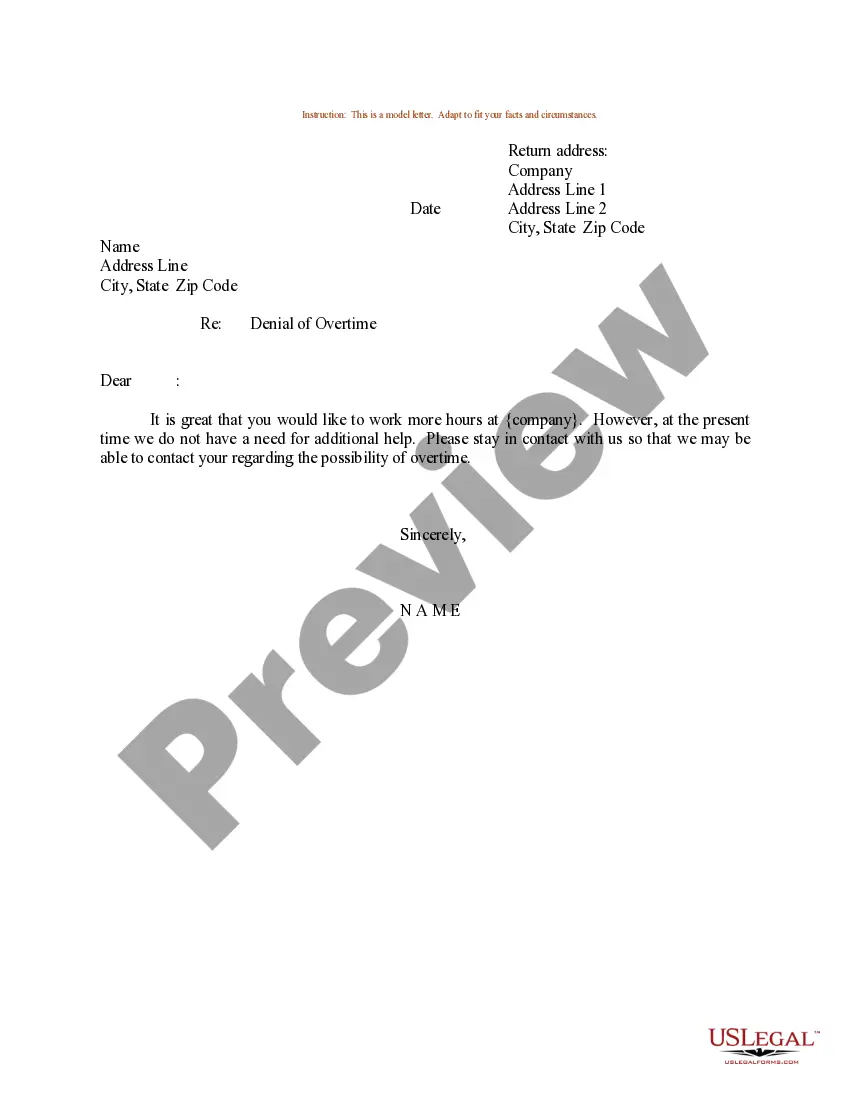
Dear Client Name, While I appreciate your business, I believe we are no longer a good fit for one another and that another company would better serve you. I would like to recommend alternative business name as an alternative service provider. I believe they can provide the level of service that's right for you.
Writing the Cancellation Letter Clearly State the Purpose. Begin your cancellation letter by directly stating its purpose at the outset. Mention Details of the Contract or Service. Include a Request for Confirmation. Closing and Signature.
What information should be included? The names and contact information of both parties involved in the contract. The date when the contract was signed and its original duration. The reason for terminating the contract, if necessary. The specific date when the contract will end.

