Sample Letter To Client Withdrawing As Counsel In California
Description

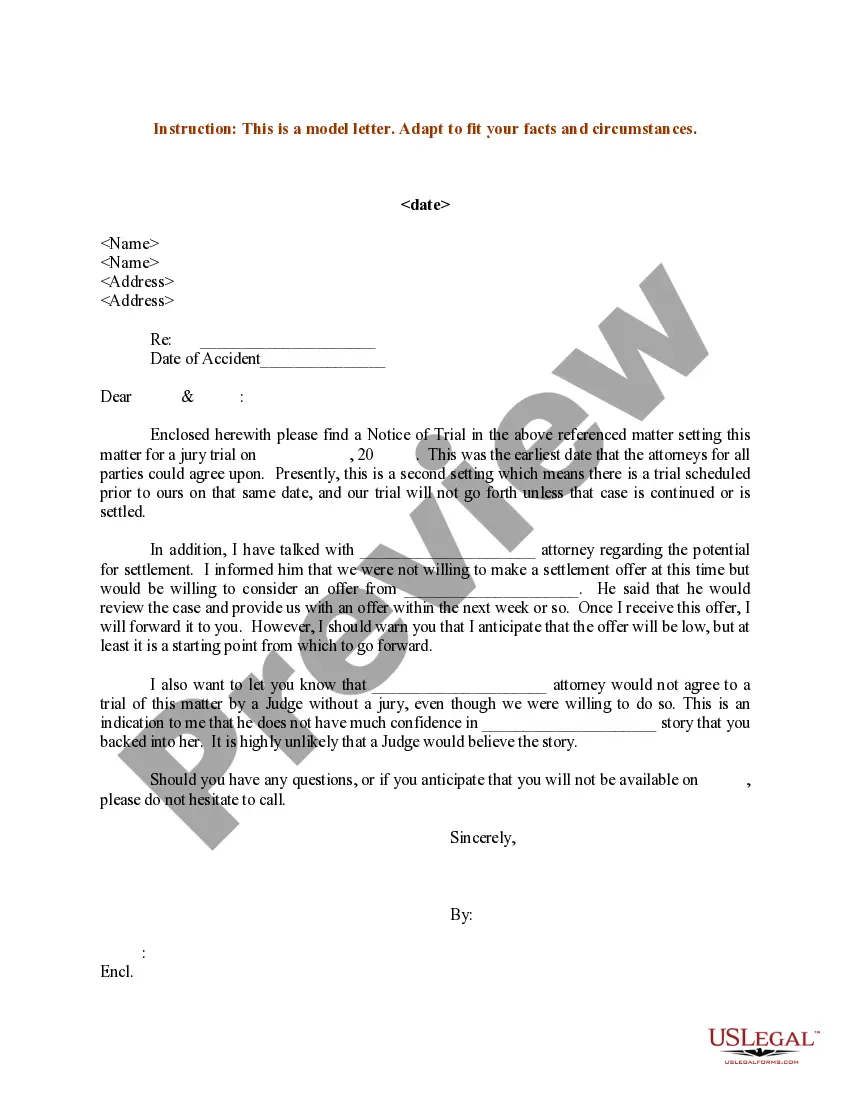
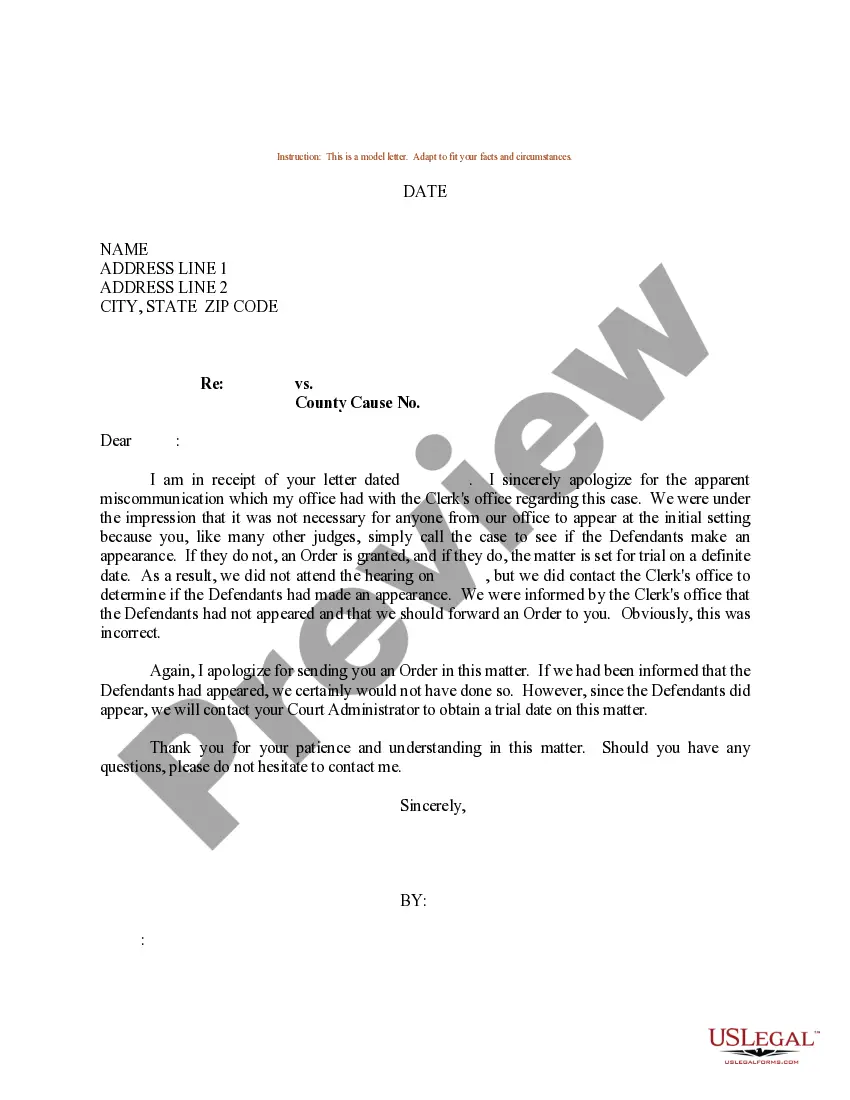
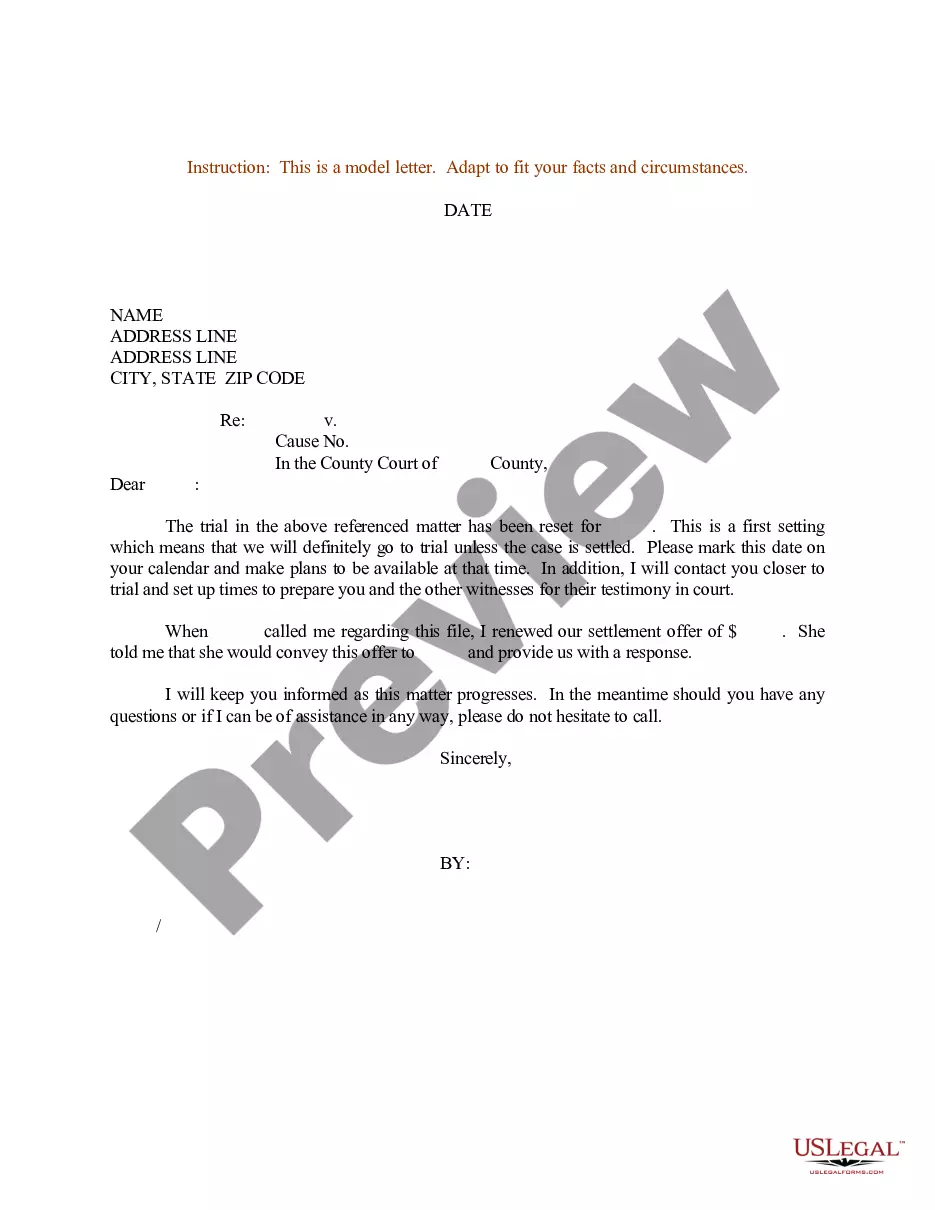
Get your form ready online
Our built-in tools help you complete, sign, share, and store your documents in one place.
Make edits, fill in missing information, and update formatting in US Legal Forms—just like you would in MS Word.
Download a copy, print it, send it by email, or mail it via USPS—whatever works best for your next step.
Sign and collect signatures with our SignNow integration. Send to multiple recipients, set reminders, and more. Go Premium to unlock E-Sign.
If this form requires notarization, complete it online through a secure video call—no need to meet a notary in person or wait for an appointment.
We protect your documents and personal data by following strict security and privacy standards.

Make edits, fill in missing information, and update formatting in US Legal Forms—just like you would in MS Word.

Download a copy, print it, send it by email, or mail it via USPS—whatever works best for your next step.

Sign and collect signatures with our SignNow integration. Send to multiple recipients, set reminders, and more. Go Premium to unlock E-Sign.

If this form requires notarization, complete it online through a secure video call—no need to meet a notary in person or wait for an appointment.

We protect your documents and personal data by following strict security and privacy standards.
Looking for another form?
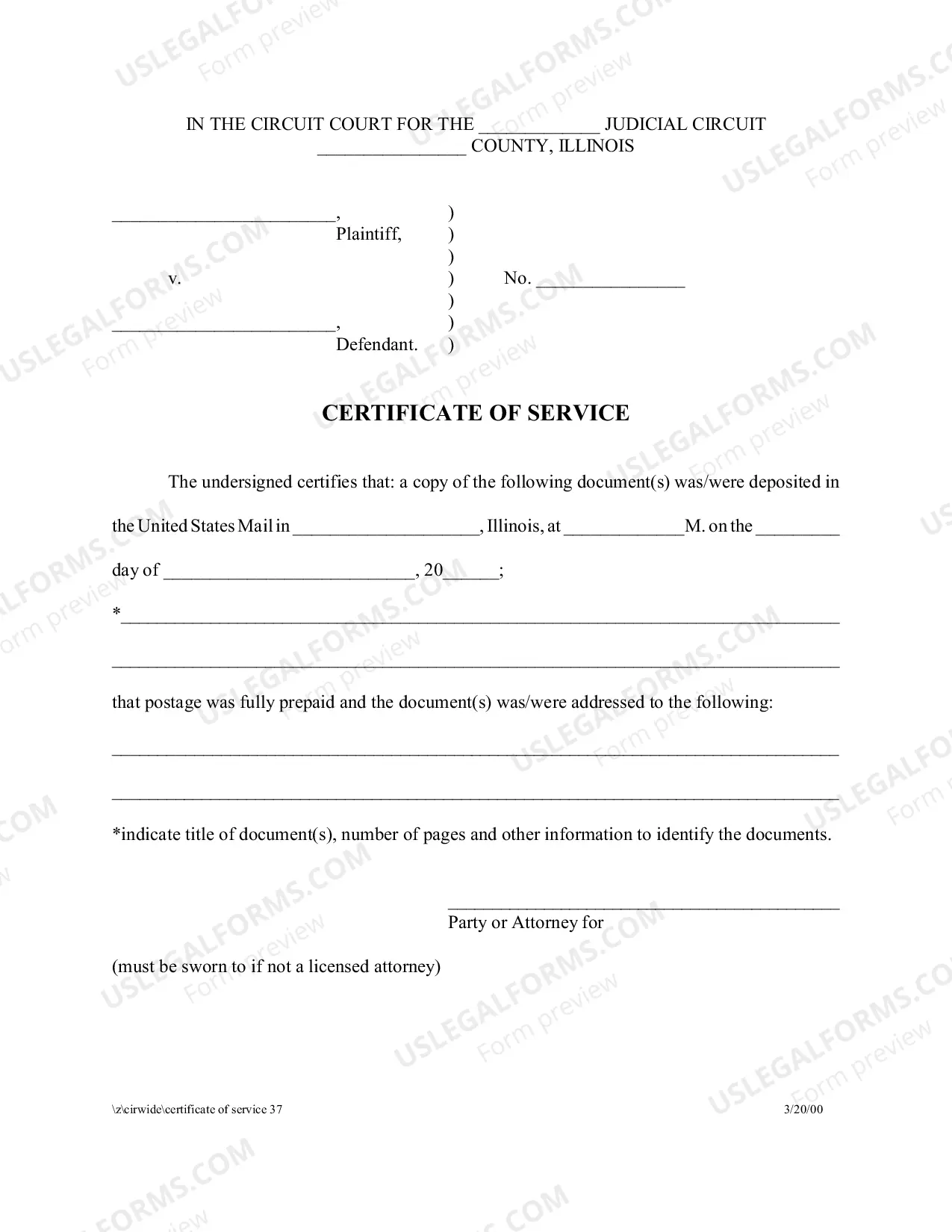

Form popularity
FAQ
Always terminate the relationship in writing. Be sure to send the letter by “certified mail with return receipt requested” so there's proof your lawyer received the letter. Taking these steps will ensure there's no confusion about the status of the relationship.
A form disengagement letter (also known as a withdrawal letter or a termination of engagement letter) sent by an attorney or law firm to a client when withdrawing from representation in a litigation matter.
The Rules of Professional Conduct of the State Bar of California specify three circumstances under which an attorney must terminate a client relationship: (1) where the attorney knows or should know that a client is bringing an action, conducting a defense, asserting a position in litigation, or taking an appeal, ...
(d) A lawyer shall not terminate a representation until the lawyer has taken reasonable steps to avoid reasonably foreseeable prejudice to the rights of the client, such as giving the client sufficient notice to permit the client to retain other counsel, and complying with paragraph (e).
Even if the matter is not pending before a tribunal, the ethics rules of most states provide that a lawyer cannot withdraw until he or she has taken reasonable steps to avoid foreseeable prejudice to the rights of his client, such as giving notice to the client, allowing time for employment of other counsel, delivering ...
Consensual withdrawal Where your client consents to your withdrawal, have them sign a Substitution of Attorney (in California it's Judicial Council Form MC-050). File and serve the signed Substitution on all parties to the action and you are out of the case.
Even if the matter is not pending before a tribunal, the ethics rules of most states provide that a lawyer cannot withdraw until he or she has taken reasonable steps to avoid foreseeable prejudice to the rights of his client, such as giving notice to the client, allowing time for employment of other counsel, delivering ...
The decision to decline a representation is best to communicate that declination in writing. "Non-engagement letters" should clearly inform the prospective client that the law firm will not represent the prospective client in that matter and that he or she should not rely on the lawyer for any advice or legal action.
Answer: To politely inform a lawyer that their services are no longer required, you can send them a clear and concise email or letter expressing your gratitude for their assistance thus far, but stating that you have decided to go in a different direction or have resolved the matter on your own.
Other situations permitting withdrawal include, for example: (1) where the client insists on action that the lawyer believes is criminal or fraudulent, (2) certain instances where the lawyer has an inability to work with co-counsel, (3) the lawyer's mental or physical condition renders it difficult for the lawyer to ...
