Termination Of Contract For Convenience In Utah
Description
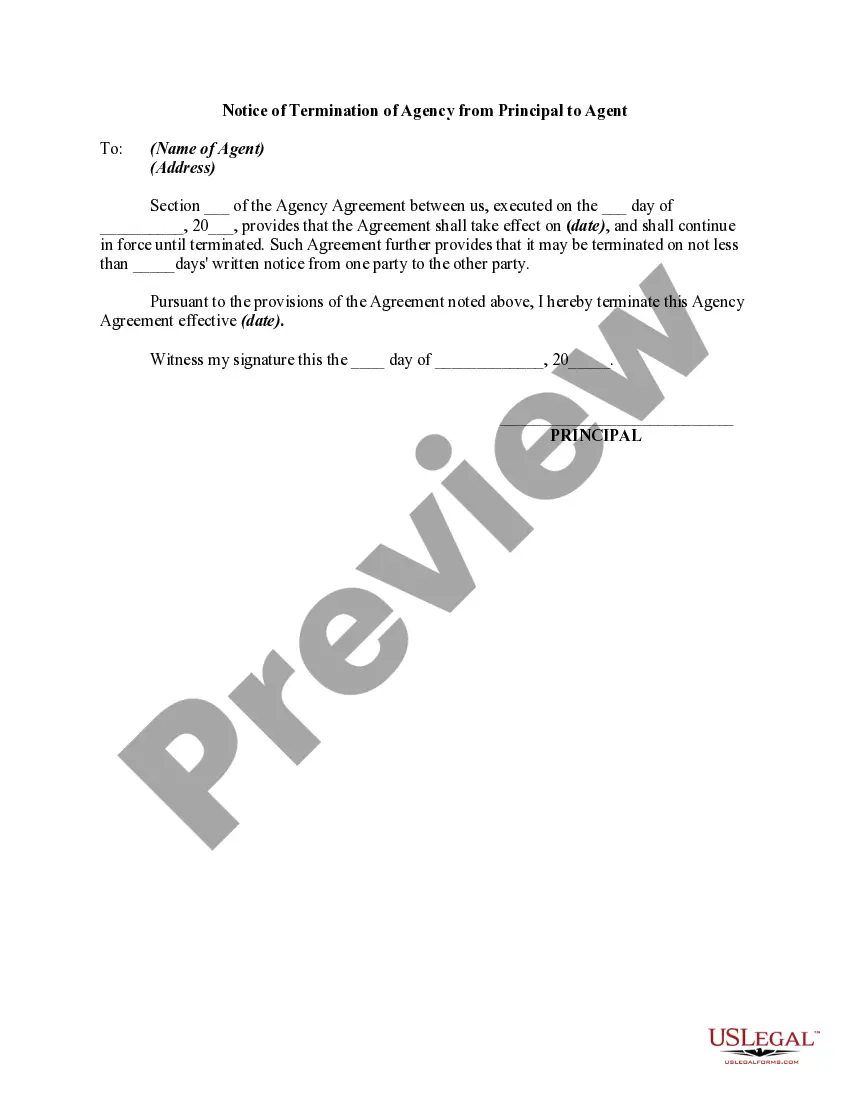
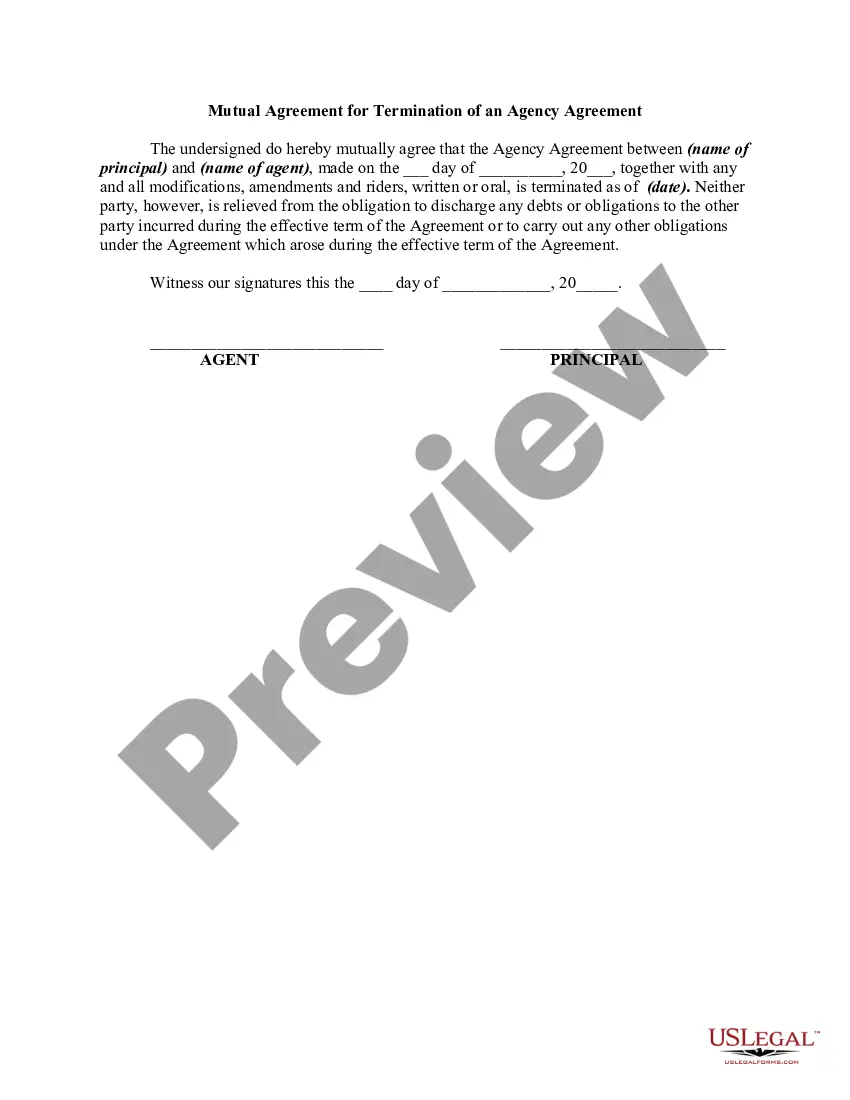
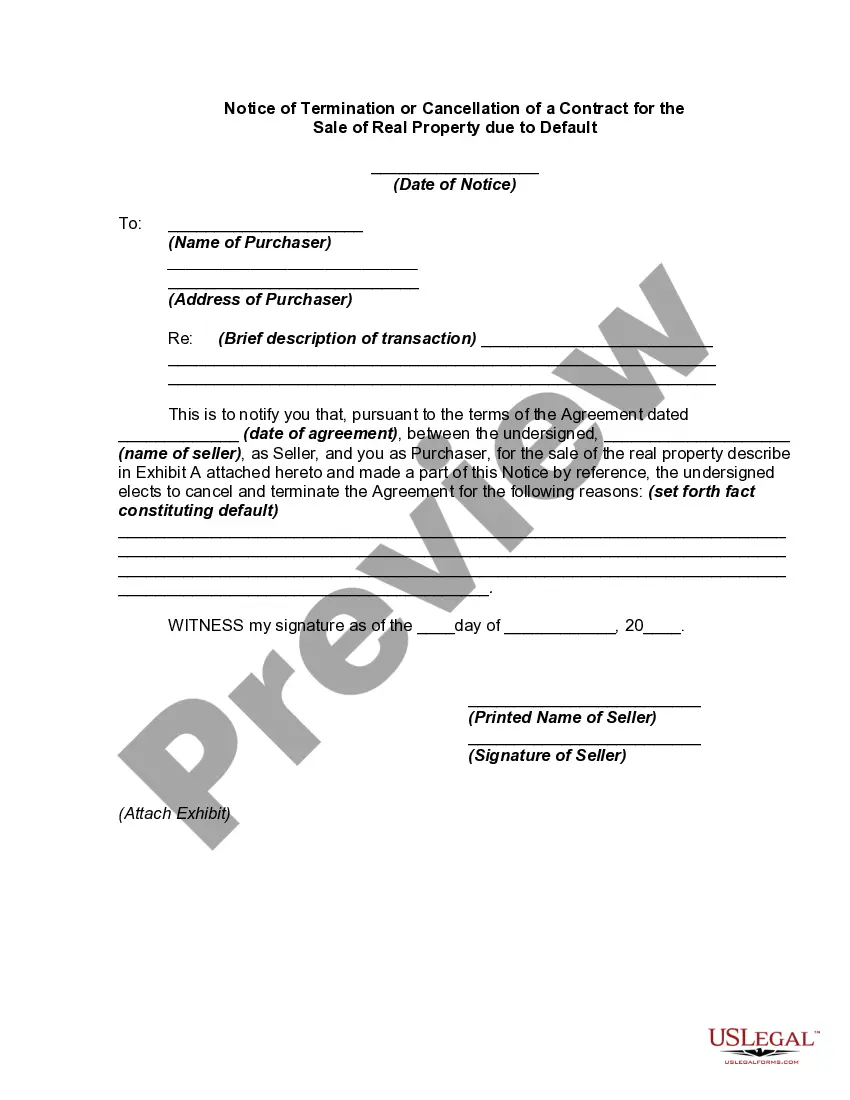

Get your form ready online
Our built-in tools help you complete, sign, share, and store your documents in one place.
Make edits, fill in missing information, and update formatting in US Legal Forms—just like you would in MS Word.
Download a copy, print it, send it by email, or mail it via USPS—whatever works best for your next step.
Sign and collect signatures with our SignNow integration. Send to multiple recipients, set reminders, and more. Go Premium to unlock E-Sign.
If this form requires notarization, complete it online through a secure video call—no need to meet a notary in person or wait for an appointment.
We protect your documents and personal data by following strict security and privacy standards.
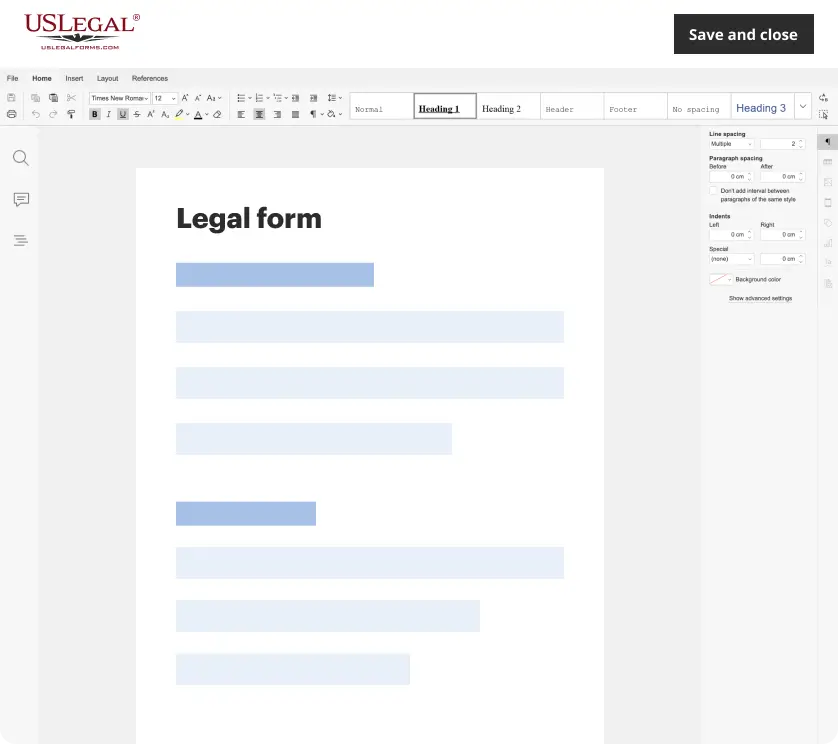
Make edits, fill in missing information, and update formatting in US Legal Forms—just like you would in MS Word.
Download a copy, print it, send it by email, or mail it via USPS—whatever works best for your next step.
Sign and collect signatures with our SignNow integration. Send to multiple recipients, set reminders, and more. Go Premium to unlock E-Sign.
If this form requires notarization, complete it online through a secure video call—no need to meet a notary in person or wait for an appointment.
We protect your documents and personal data by following strict security and privacy standards.
Looking for another form?



Form popularity
FAQ
As a rule of law, unless it is excluded by the terms of the contract, a party has a right to terminate a contract where there has been: a breach of an essential term (otherwise known as a condition); a sufficiently serious breach of an intermediate term; or. a repudiation of the contract.
Termination Clauses: Many contracts include specific clauses that outline the conditions under which the contract may be terminated before its natural conclusion. Breach of Contract: A contract can be terminated if one party fails to fulfill their contractual obligations.
Furthermore, termination for convenience can have a negative impact on a contractor's reputation. Future government agencies may view a terminated contract as a blemish, even if not due to the contractor's fault. This can affect their ability to secure future contracts.
The termination for convenience clause is designed to give the terminated party a more fair and equitable result than if it were terminated for cause since the termination does not result from its wrongful conduct — a breach of the contract.
A “termination for convenience” clause states that a property owner may terminate a contractor at its convenience for no reason at all. There does not need to be any breach of contract in place. However, the clauses typically require advance notice (such as 30 days).
By agreement: The parties agree to end the contract by agreement, with another contract. by breach of contract: The innocent party has a right of termination for breach of contract, when party does not deliver what was promised and is in repudiatory breach, or another agreed standard of breach.
Contract termination is the process of ending a contract before the obligations within it have been fulfilled by all parties. This means that one or more parties have made the decision to conclude the contract earlier than they had originally agreed when drafting and signing it.
Notice of termination of employment No agreement may require or permit an employee to give a period of notice longer than that required of the employer. Notice of termination of a contract of employment must be given in writing, except when it is given by an illiterate employee.
Mutual Agreement: Both parties may agree to terminate the contract early. This is often the simplest and least contentious method. Termination Clauses: Many contracts include specific clauses that outline the conditions under which the contract may be terminated before its natural conclusion.

