Termination Of Contract For Convenience In Phoenix
Description
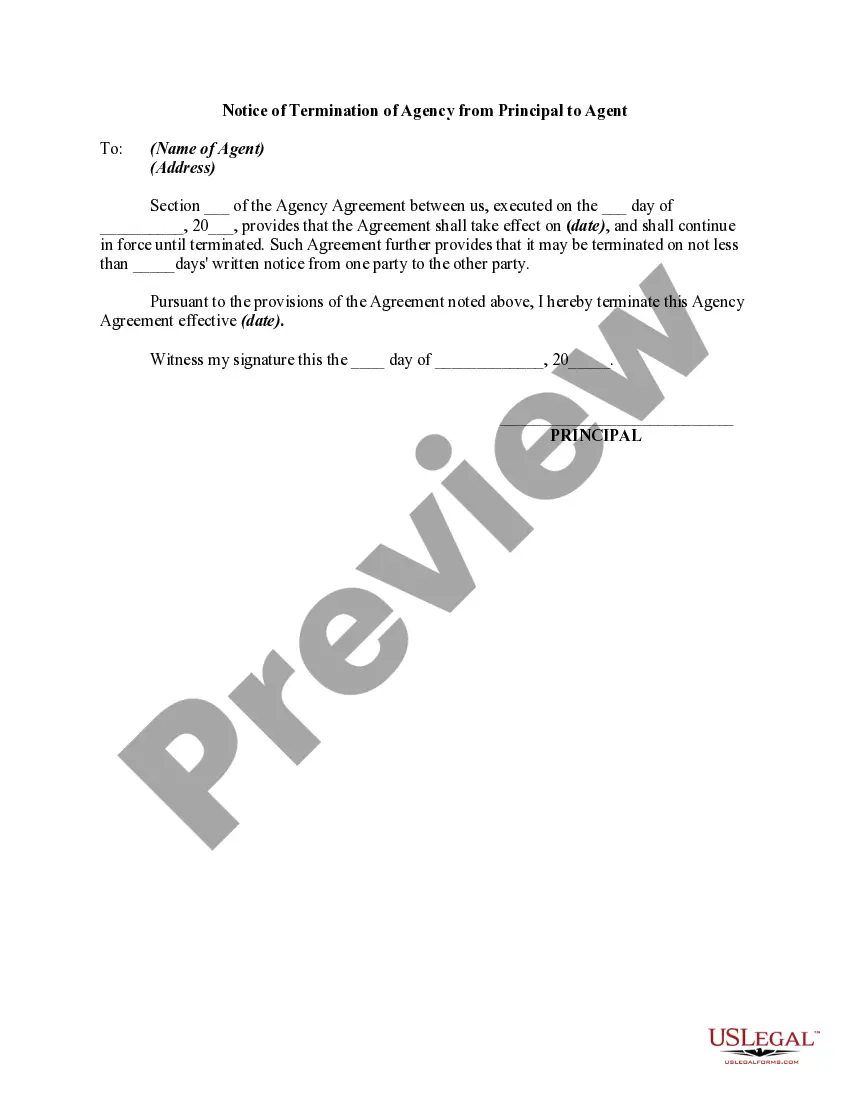
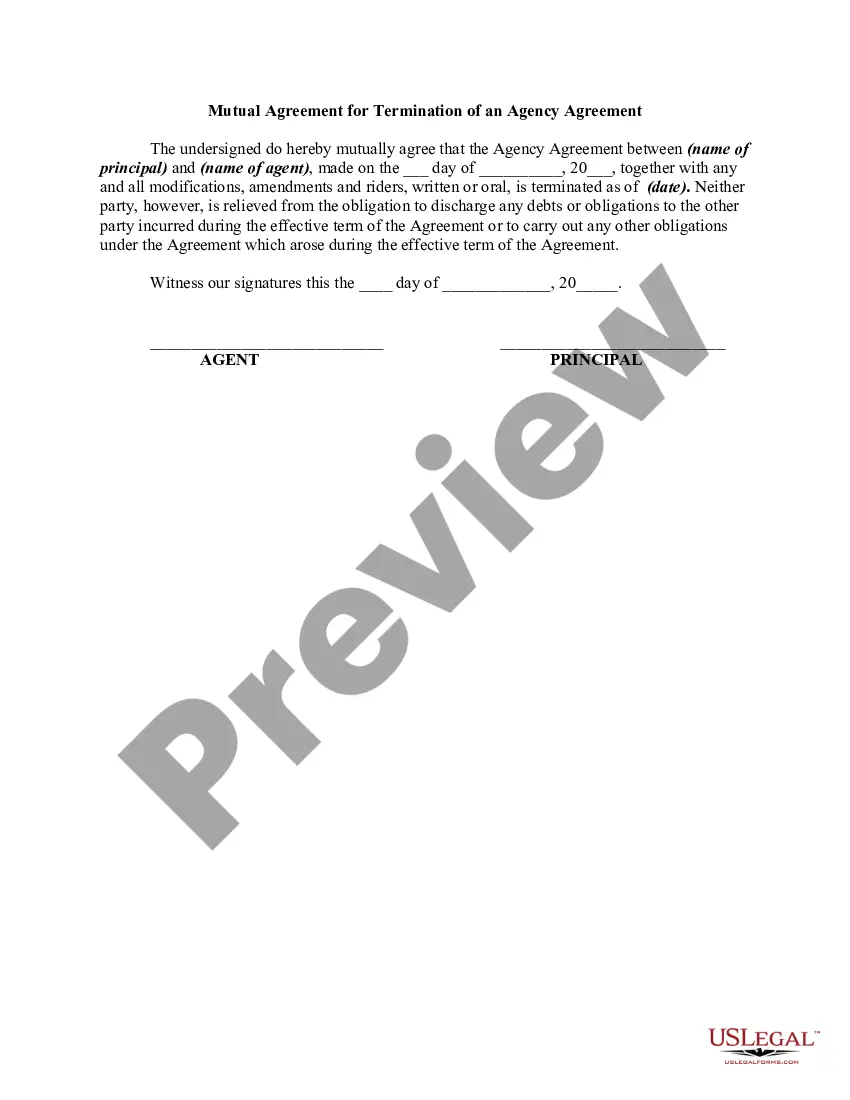
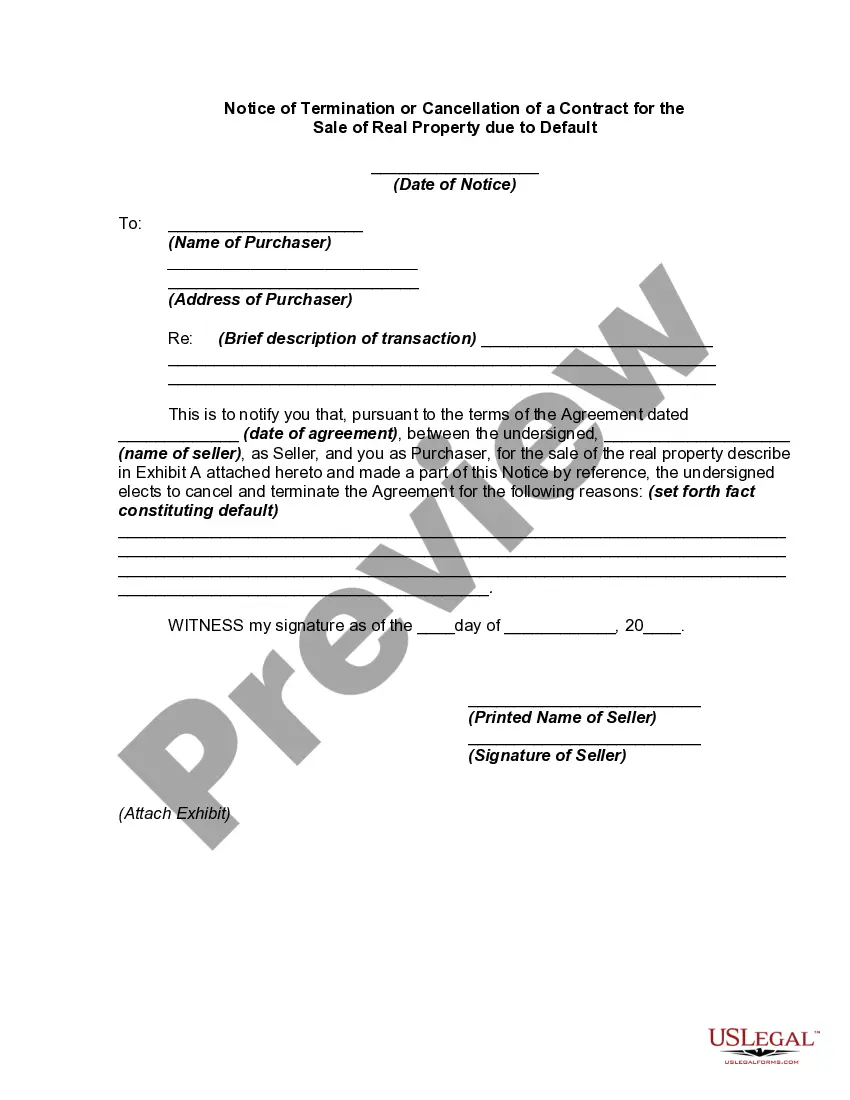
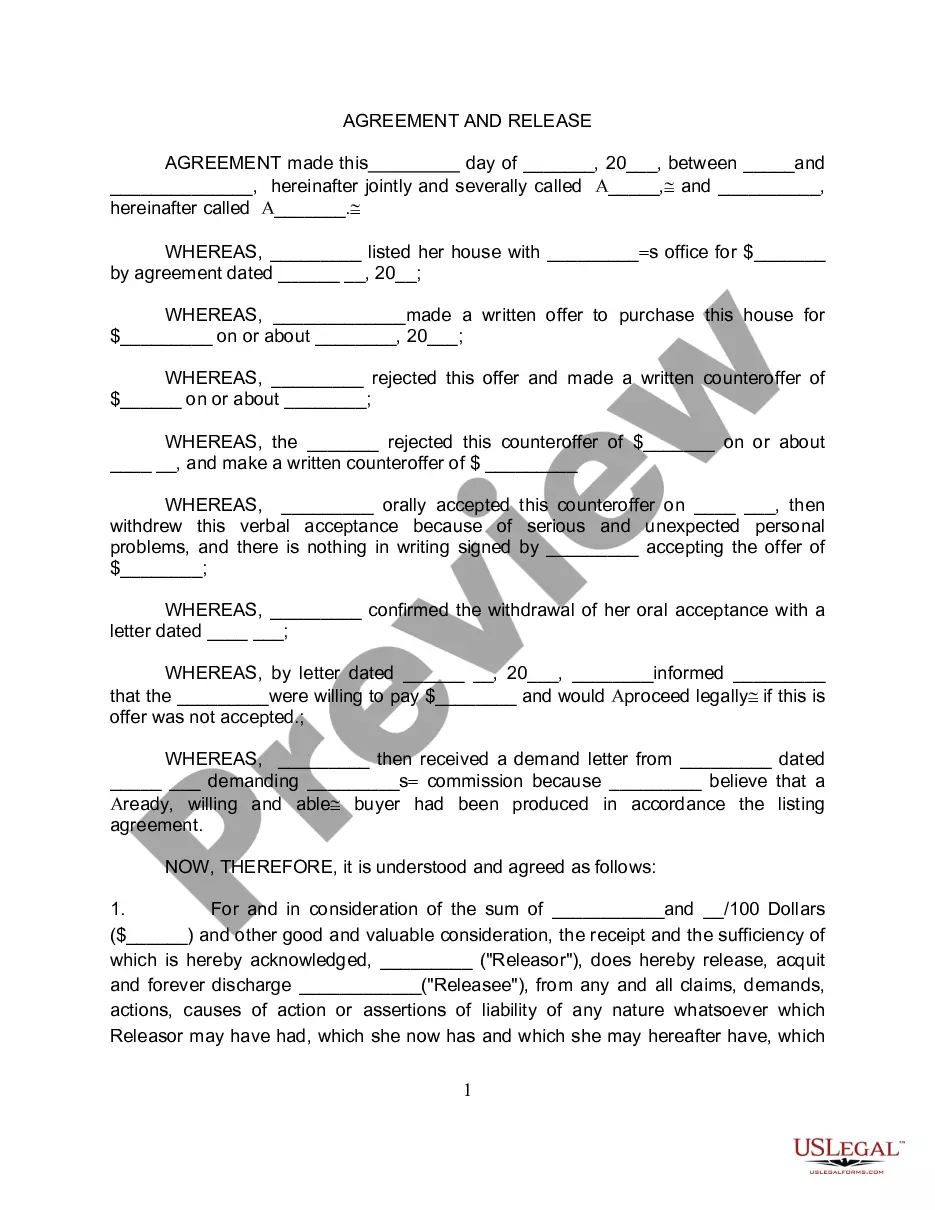
Get your form ready online
Our built-in tools help you complete, sign, share, and store your documents in one place.
Make edits, fill in missing information, and update formatting in US Legal Forms—just like you would in MS Word.
Download a copy, print it, send it by email, or mail it via USPS—whatever works best for your next step.
Sign and collect signatures with our SignNow integration. Send to multiple recipients, set reminders, and more. Go Premium to unlock E-Sign.
If this form requires notarization, complete it online through a secure video call—no need to meet a notary in person or wait for an appointment.
We protect your documents and personal data by following strict security and privacy standards.

Make edits, fill in missing information, and update formatting in US Legal Forms—just like you would in MS Word.

Download a copy, print it, send it by email, or mail it via USPS—whatever works best for your next step.

Sign and collect signatures with our SignNow integration. Send to multiple recipients, set reminders, and more. Go Premium to unlock E-Sign.

If this form requires notarization, complete it online through a secure video call—no need to meet a notary in person or wait for an appointment.

We protect your documents and personal data by following strict security and privacy standards.
Looking for another form?





Form popularity
FAQ
Unless there is a three-day right of rescission written expressly into the contract, there is no three-day right of rescission or “cooling-off” period under Arizona law.
Expiration of the terms of the contract: Contract terminates when its specified date or duration expires. Example: John's one-year lease, starting on January 1, 2024, expires on December 31, 2024. At that point, the contract terminates unless both parties agree to renew it.
Cooling-off Rule is a rule that allows you to cancel a contract within a few days (usually three days) after signing it. As explained by the Federal Trade Commission (FTC), the federal cooling-off rules gives the consumer three days to cancel certain sales for a full refund.
A termination for convenience clause will give one party, usually the employer, the right to terminate an agreement at its discretion. For parties contracting under the FIDIC suite of contracts, a termination for convenience clause is often included as standard.
A termination for convenience clause, or "T for C" clause, enables a party to a contract to bring the contract to an end without the need to establish that the other party is in default, for example because the client party's needs have changed, or in order to arrange for another party to complete the contract.
By definition, a termination for convenience allows either party to terminate the contract at any time. There are however some limitations when it comes to using termination for convenience. Primarily, termination must be done in good faith and fair dealing.
If a contract does not include a termination for convenience clause, termination for anything less than cause should entitle the terminated contractor to its loss profits for the project. Termination for convenience clauses also are becoming increasingly common in private works contracts.
A typical Termination for Convenience clause reads as follows: The Owner may terminate this Agreement for its convenience at any time upon providing five (5) days written notice to the Contractor.
A convenience contract is a contract for specific goods or services, or both, that is solicited and established in ance with procurement laws and rules for use by a specific agency or a specified group of agencies as needed from time to time.
A termination for convenience clause, or "T for C" clause, enables a party to a contract to bring the contract to an end without the need to establish that the other party is in default, for example because the client party's needs have changed, or in order to arrange for another party to complete the contract.

