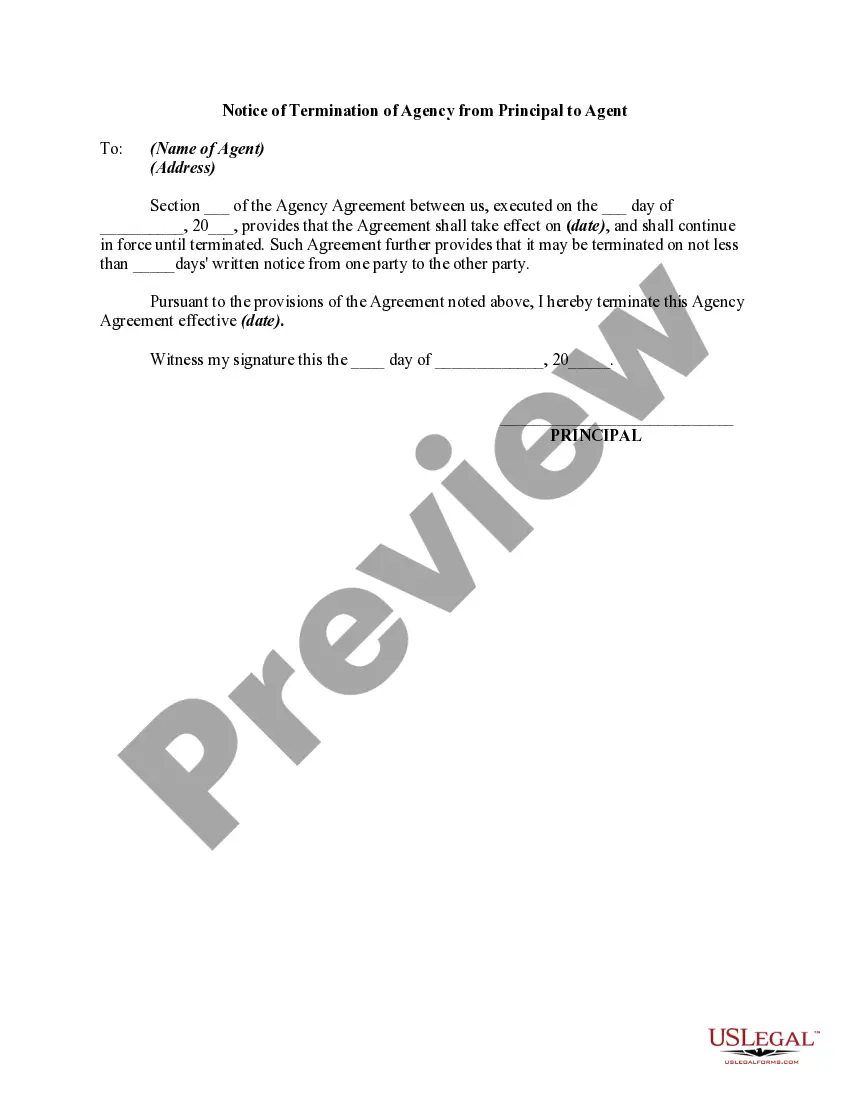
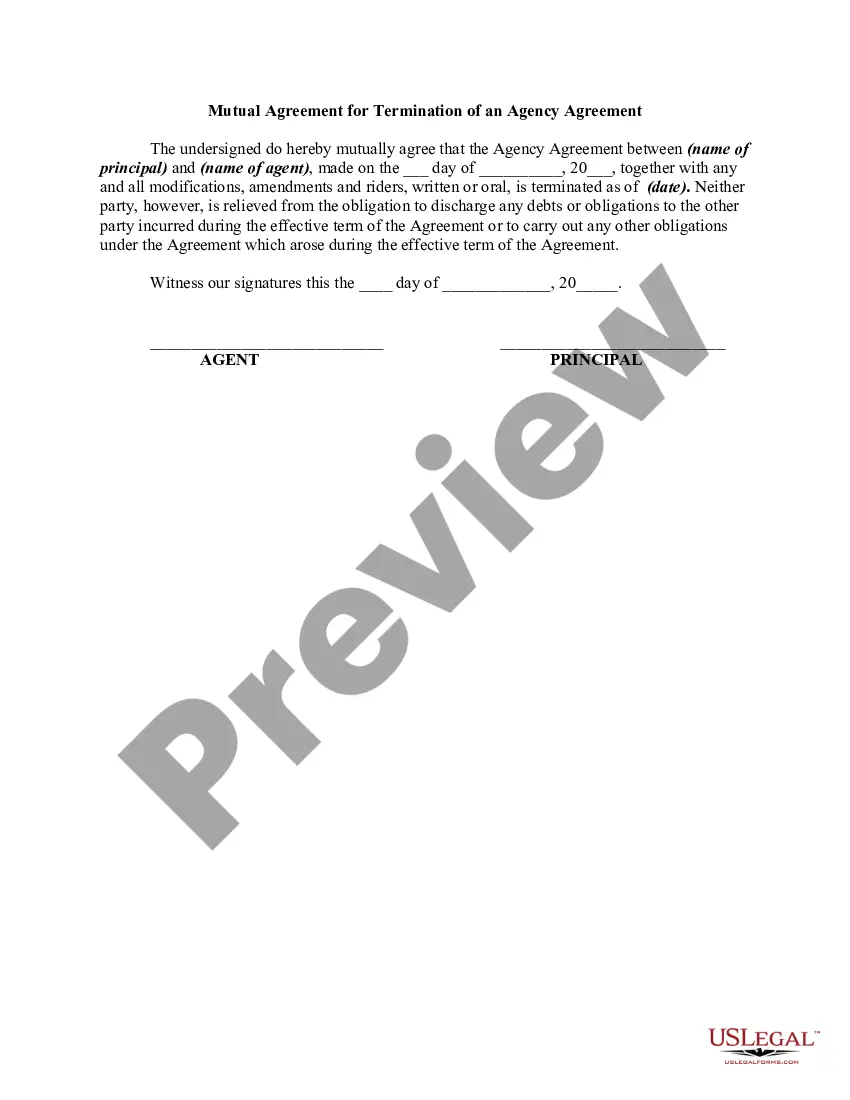
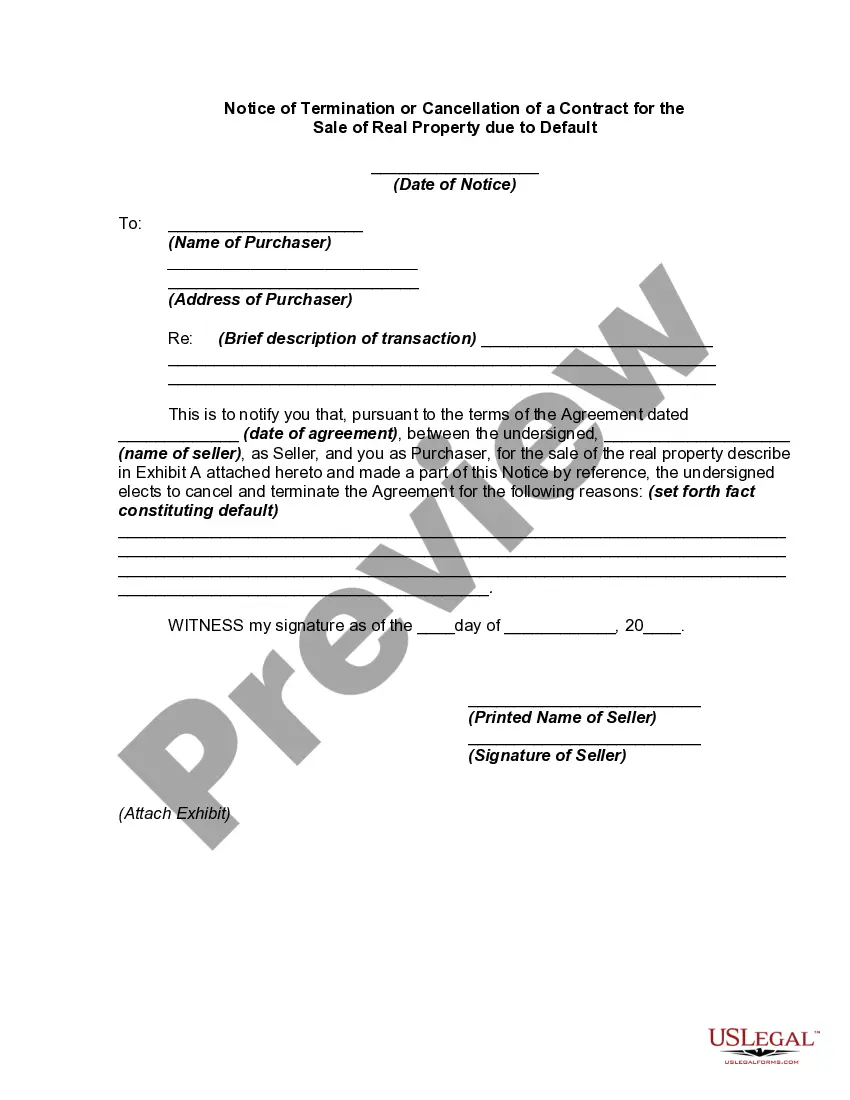
Termination Letter Template For Employee In Philadelphia
Description
Get your form ready online
Our built-in tools help you complete, sign, share, and store your documents in one place.
Make edits, fill in missing information, and update formatting in US Legal Forms—just like you would in MS Word.
Download a copy, print it, send it by email, or mail it via USPS—whatever works best for your next step.
Sign and collect signatures with our SignNow integration. Send to multiple recipients, set reminders, and more. Go Premium to unlock E-Sign.
If this form requires notarization, complete it online through a secure video call—no need to meet a notary in person or wait for an appointment.
We protect your documents and personal data by following strict security and privacy standards.

Make edits, fill in missing information, and update formatting in US Legal Forms—just like you would in MS Word.

Download a copy, print it, send it by email, or mail it via USPS—whatever works best for your next step.

Sign and collect signatures with our SignNow integration. Send to multiple recipients, set reminders, and more. Go Premium to unlock E-Sign.

If this form requires notarization, complete it online through a secure video call—no need to meet a notary in person or wait for an appointment.

We protect your documents and personal data by following strict security and privacy standards.
Looking for another form?





Form popularity
FAQ
How to Write a Termination Letter Start with empathy. Be direct and concise. Explain your decision. Express appreciation. Offer support. Provide administrative and logistical information. Be respectful and professional. Review the letter with the HR department.
Notice Requirements: Although Pennsylvania does not require notice of termination for at-will employees, some employment contracts or termination due to plant closures and mass layoffs may require notice periods. Compliance with these requirements is necessary to avoid potential legal issues.
Yes. Most states are ``at will employment'' states, which means either party (employee or employee) can terminate the employment at any time without stating a reason.
Pennsylvania does not have a state law requiring employers to provide advance notice of termination. However, employers may be subject to the federal WARN Act, which requires some employers to provide advance notice of mass layoffs or plant closings.
Following are the essential steps involved in writing a proper termination letter: Start with the date. Address the employee. Make a formal statement of termination. Specify the date of termination. Include the reasons for termination. Explain the settlement details. Request them to return the company property.
Here are the following tips before writing a termination letter: Maintain Professionalism. Maintaining professionalism is crucial throughout the termination process. Gather Necessary Details. Mention the Termination Date. State a Reason for Termination. Explain Compensation and Benefits. Confirms Employee Details.
State Laws Some states, including Arizona, California, Illinois and New Jersey, require employers to provide termination letters. In some cases, the content must follow a specific template. Some states may even provide a form that employers must complete and present to the terminated employee.
Discharge: If an employee is discharged for reasons such as poor performance, misconduct, or violation of company policies, a termination letter is mandatory. This letter should detail the reasons for the discharge and any supporting evidence or documentation.
How to Write a Termination Letter? Start with basic information like date, employee name, and title. Use a clear and professional tone to inform the employee that their employment is being terminated. You may or may not choose to include the reason for termination, depending on your company policy and local laws.

