Wrongful Interference With Employment Relationship In Los Angeles
Description


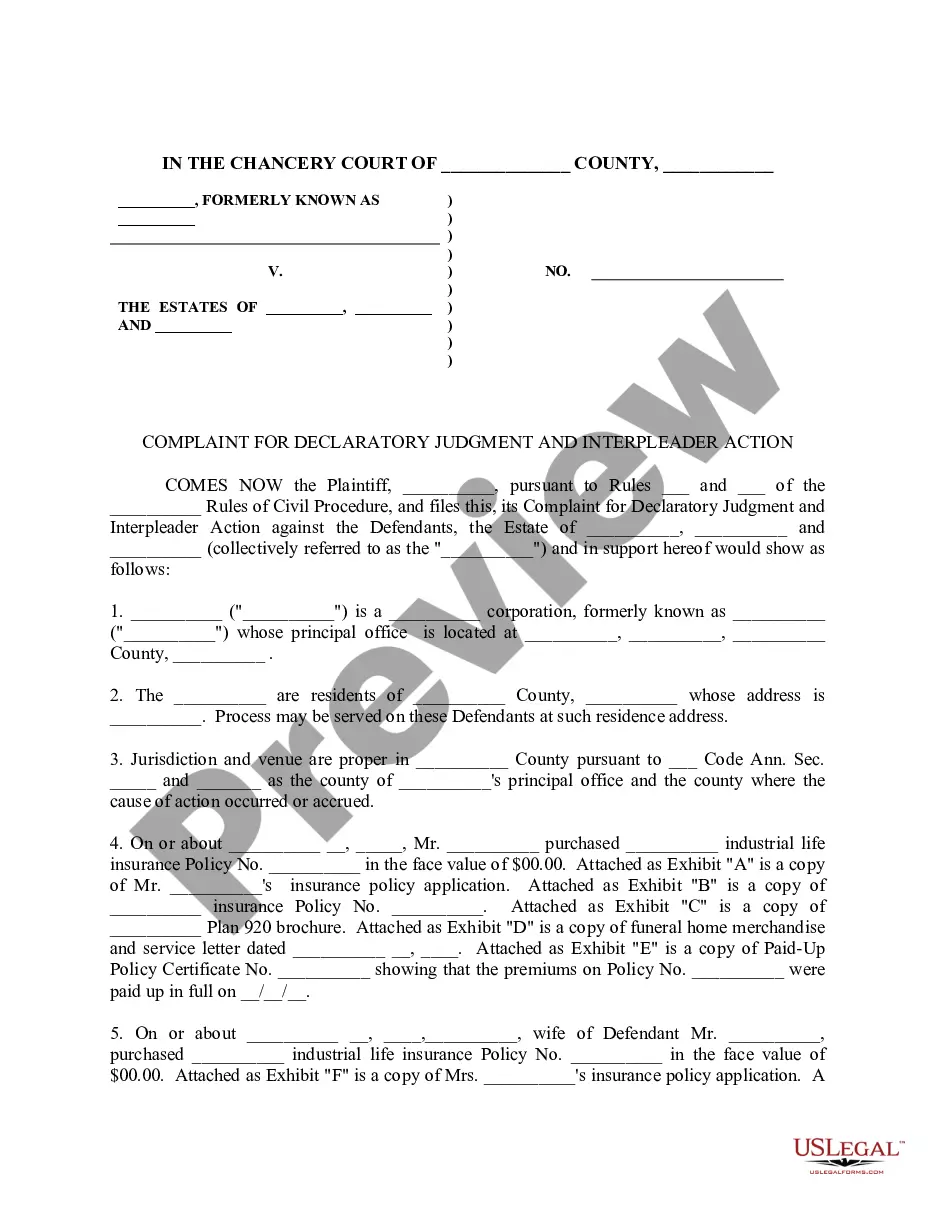
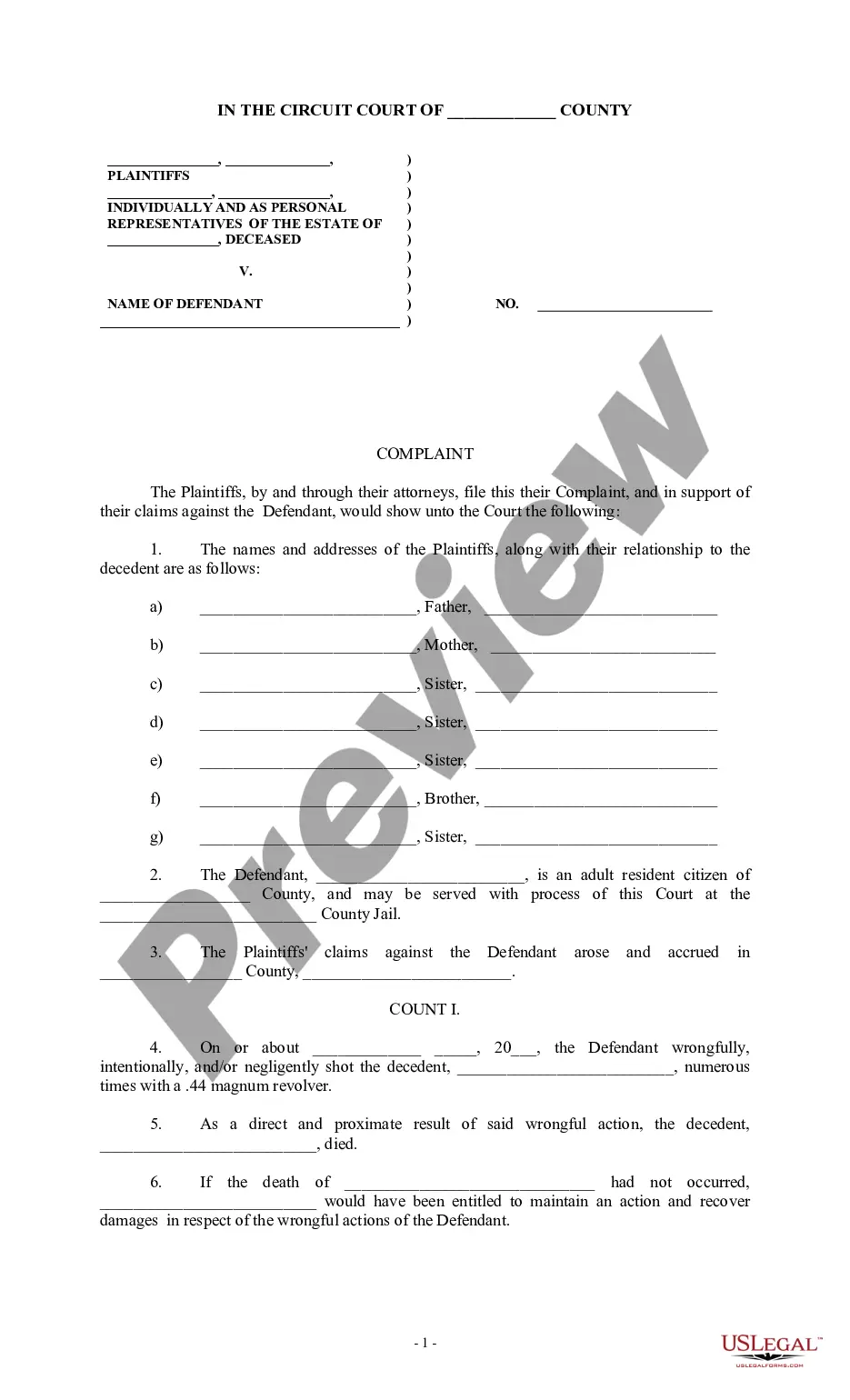
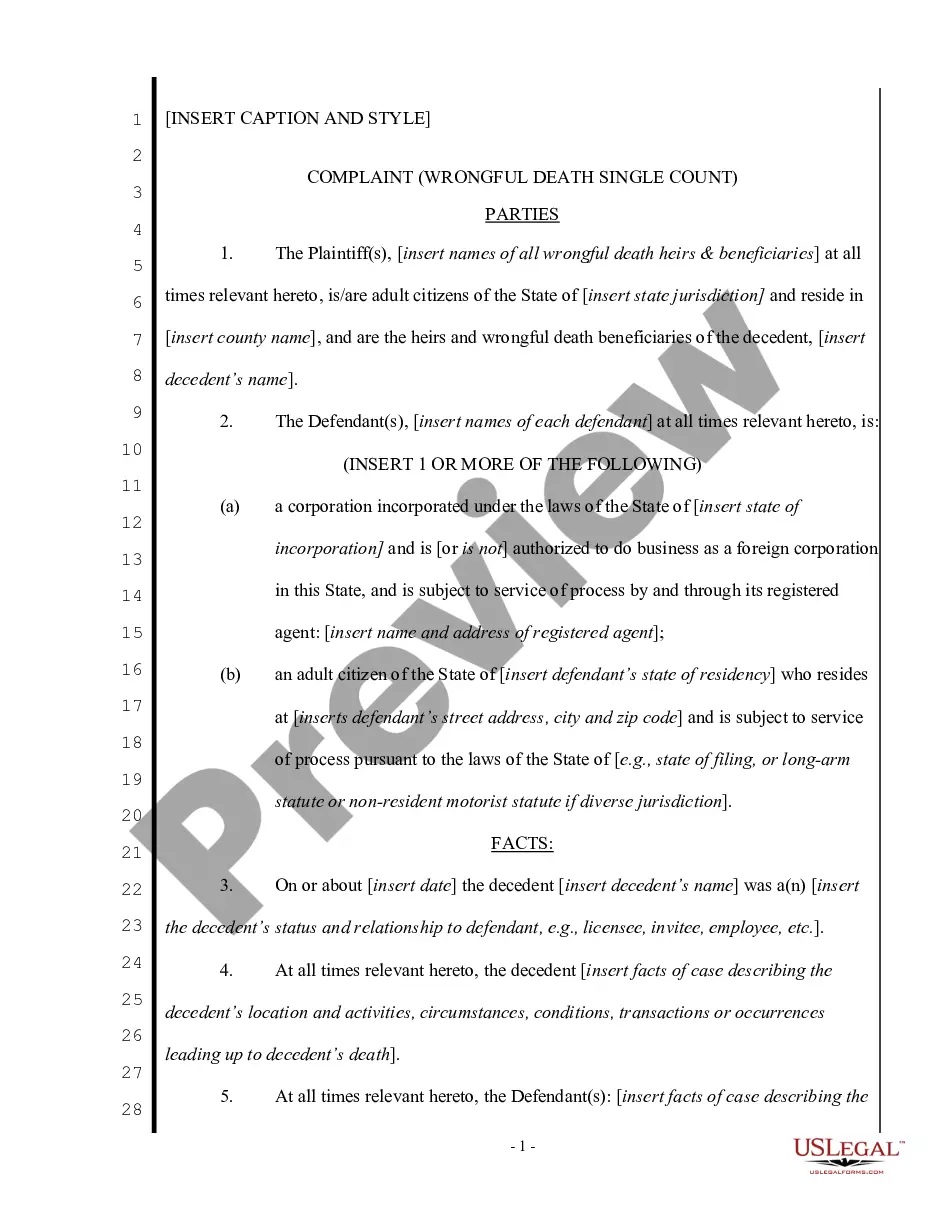
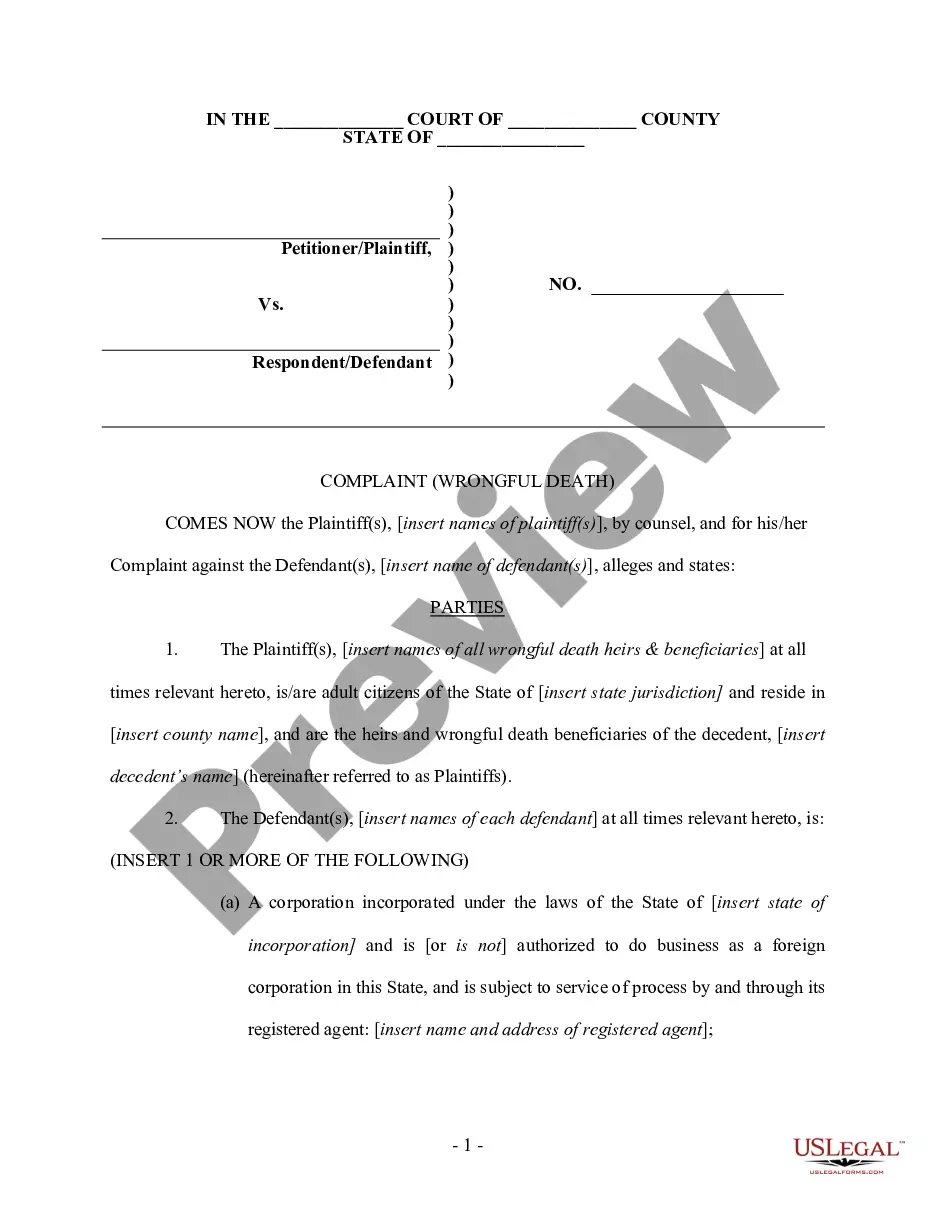
Get your form ready online
Our built-in tools help you complete, sign, share, and store your documents in one place.
Make edits, fill in missing information, and update formatting in US Legal Forms—just like you would in MS Word.
Download a copy, print it, send it by email, or mail it via USPS—whatever works best for your next step.
Sign and collect signatures with our SignNow integration. Send to multiple recipients, set reminders, and more. Go Premium to unlock E-Sign.
If this form requires notarization, complete it online through a secure video call—no need to meet a notary in person or wait for an appointment.
We protect your documents and personal data by following strict security and privacy standards.

Make edits, fill in missing information, and update formatting in US Legal Forms—just like you would in MS Word.

Download a copy, print it, send it by email, or mail it via USPS—whatever works best for your next step.

Sign and collect signatures with our SignNow integration. Send to multiple recipients, set reminders, and more. Go Premium to unlock E-Sign.

If this form requires notarization, complete it online through a secure video call—no need to meet a notary in person or wait for an appointment.

We protect your documents and personal data by following strict security and privacy standards.
Looking for another form?
Form popularity
FAQ
Apart from breach of contract claims, California recognizes four types of torts that involve interference with contracts or economic expectancies: Negligent or intentional interference with contract, and negligent or intentional interference with economic relations.
Tortious interference: This is when a person intentionally damages another's business relationship with someone else, leading to loss. This can occur in various ways, but the most common tortious interference claims involve a wrongdoer encouraging another to break a contract with you.
Some examples of actionable interference may include convincing a shared supplier to renege on a contract or a third party interrupting the sale of property to a business.
Tortious interference with an advantageous business relationship or contract is a legal claim that arises when one party intentionally disrupts or damages another party's business relationship or contract with a third party to the interfering party's advantage.
(1) the existence of a valid contractual relationship or business expectancy; (2) that defendants had knowledge of that relationship; (3) an intentional interference inducing or causing a breach or termination of the relationship or expectancy; (4) that defendants interfered for an improper purpose or used improper ...
Expert-Verified⬈(opens in a new tab) The correct answer is option 1: Using intimidation to keep parties from patronizing a certain store, as it clearly represents interference with a business relationship.
Some examples of actionable interference may include convincing a shared supplier to renege on a contract or a third party interrupting the sale of property to a business.
Tortious interference, also known as intentional interference with contractual relations, in the common law of torts, occurs when one person intentionally damages someone else's contractual or business relationships with a third party, causing economic harm.
The arguments put forward by Marx are that the employment relationship is 'indeterminate' and that the worker sells an ability to work which is translated into actual labour only during the course of the day (Marx, 1954).
For example, a former employer may give a false and damaging reference to an employee's prospective new employer resulting in the new employer deciding not to hire the employee. Or an employee's supervisor may give the employee a false and negative performance evaluation in order to get the employee fired.
