Wrongful Accusation Charges In Hillsborough
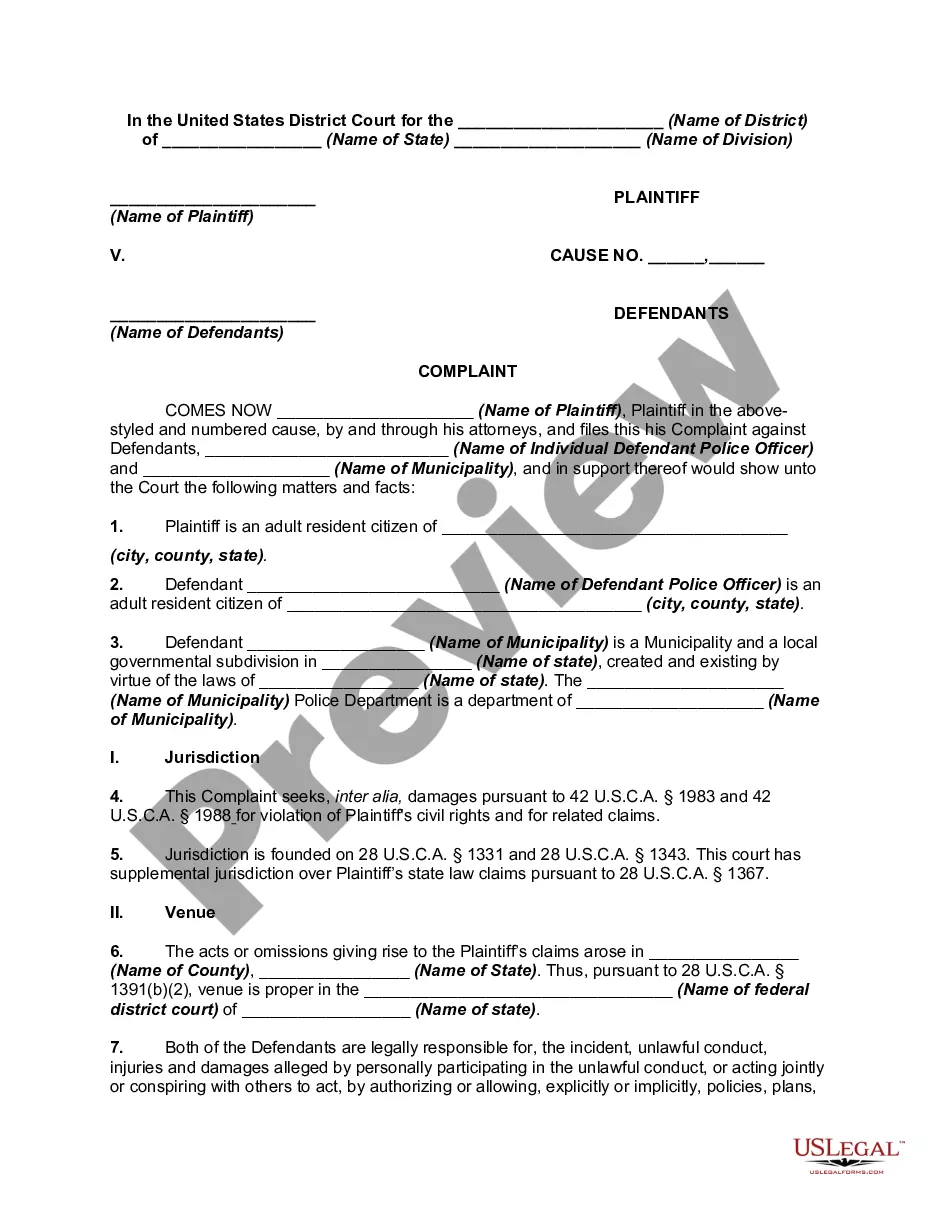
Description

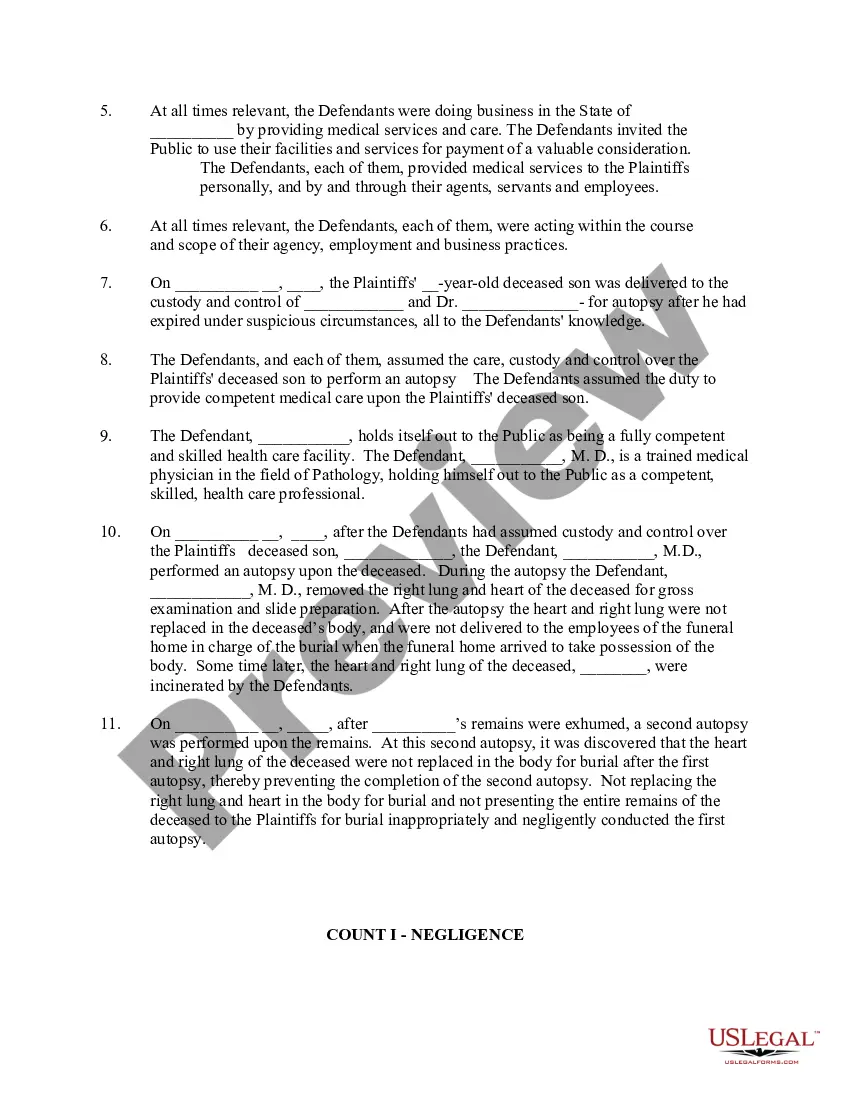
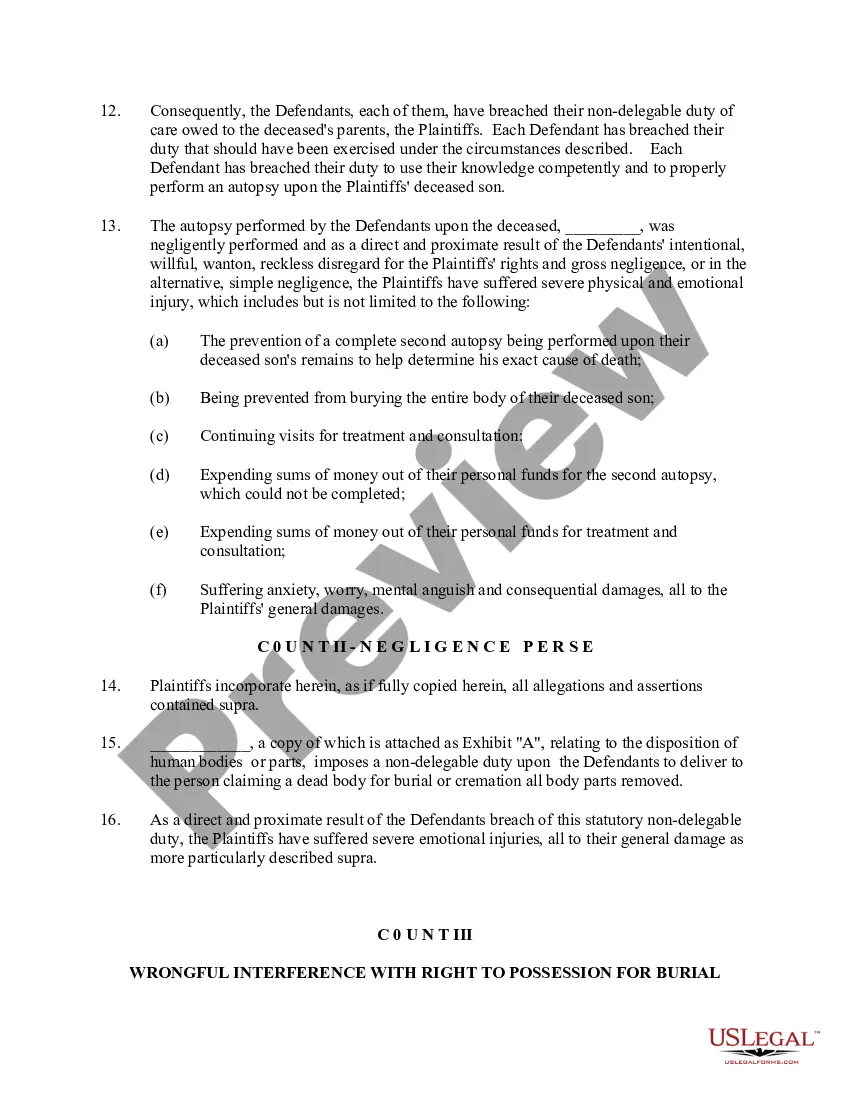
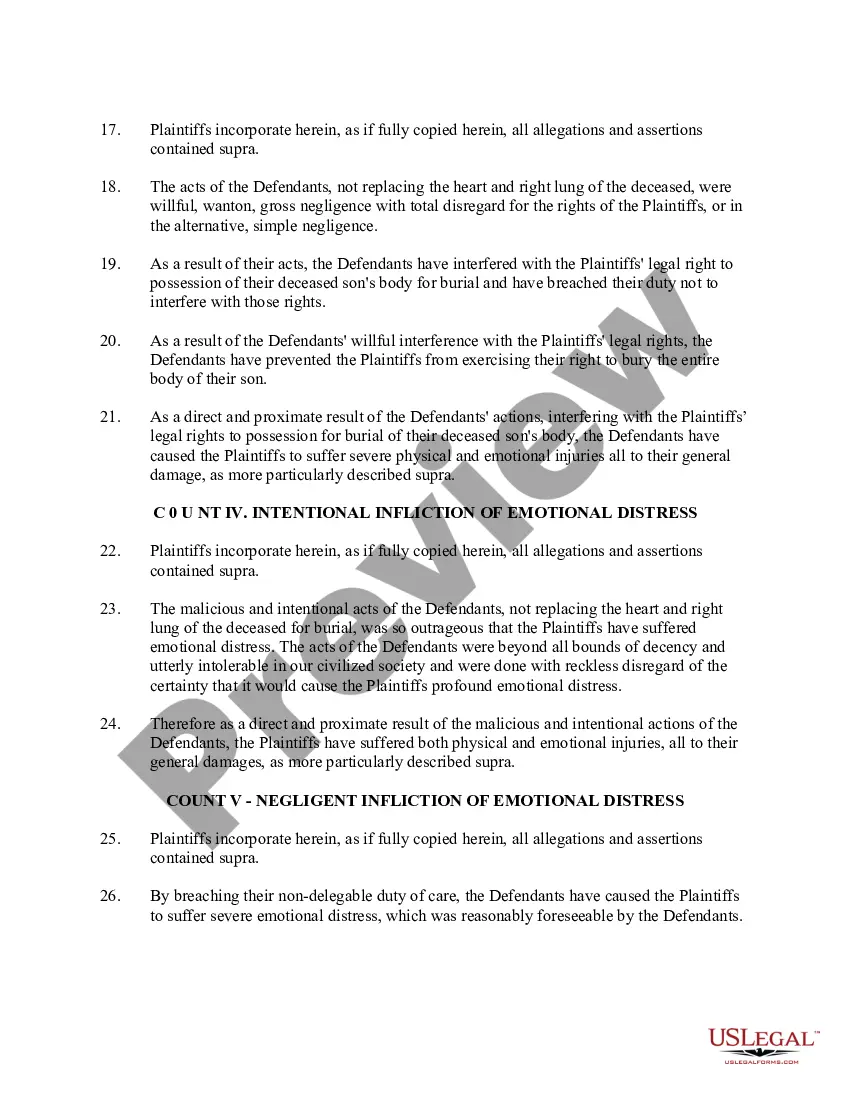
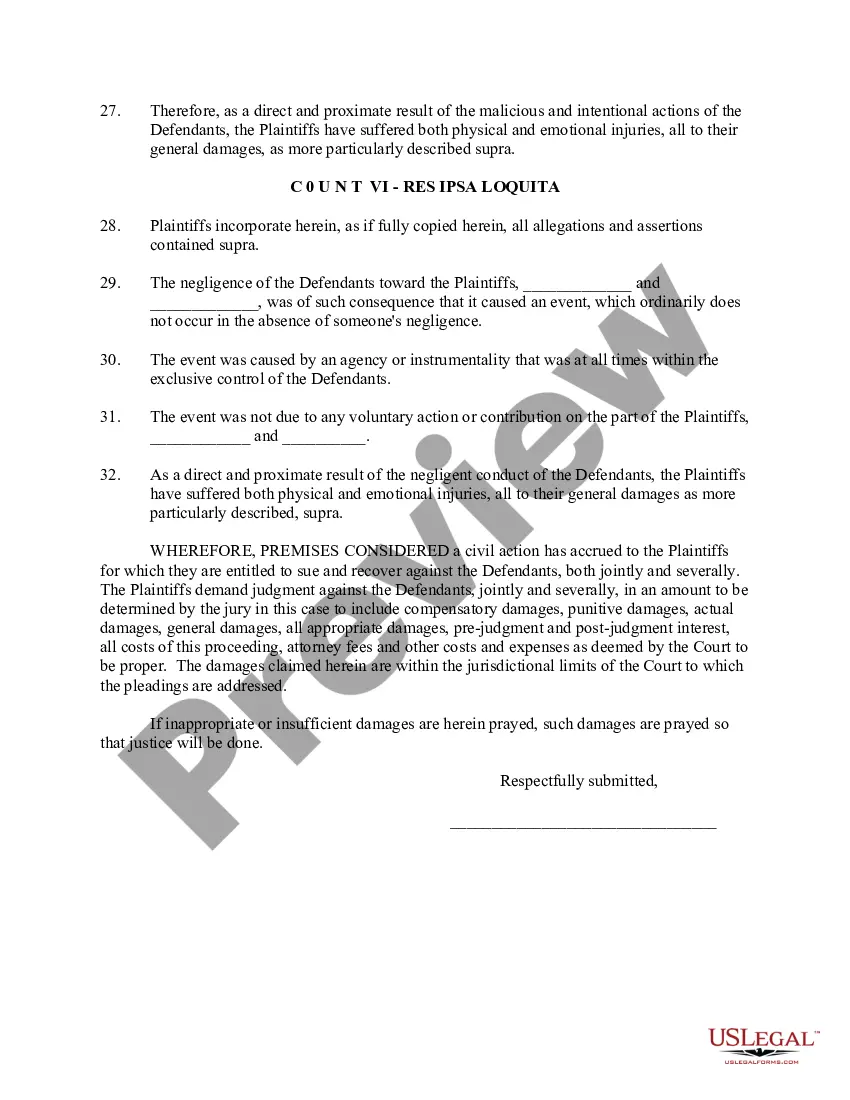

Get your form ready online
Our built-in tools help you complete, sign, share, and store your documents in one place.
Make edits, fill in missing information, and update formatting in US Legal Forms—just like you would in MS Word.
Download a copy, print it, send it by email, or mail it via USPS—whatever works best for your next step.
Sign and collect signatures with our SignNow integration. Send to multiple recipients, set reminders, and more. Go Premium to unlock E-Sign.
If this form requires notarization, complete it online through a secure video call—no need to meet a notary in person or wait for an appointment.
We protect your documents and personal data by following strict security and privacy standards.

Make edits, fill in missing information, and update formatting in US Legal Forms—just like you would in MS Word.

Download a copy, print it, send it by email, or mail it via USPS—whatever works best for your next step.

Sign and collect signatures with our SignNow integration. Send to multiple recipients, set reminders, and more. Go Premium to unlock E-Sign.

If this form requires notarization, complete it online through a secure video call—no need to meet a notary in person or wait for an appointment.

We protect your documents and personal data by following strict security and privacy standards.
Looking for another form?

Form popularity
FAQ
The process begins when a victim, or one having knowledge of a crime, files a sworn statement with the proper authority known as a complaint. Once a complaint has been investigated, and the complaint is found to have probable cause, a crime can be charged either by information or indictment.
Florida law requires that the state attorney file formal charges within 30 days of the arrest if the defendant is in custody.
The process begins when a victim, or one having knowledge of a crime, files a sworn statement with the proper authority known as a complaint. Once a complaint has been investigated, and the complaint is found to have probable cause, a crime can be charged either by information or indictment.
In Florida, there are four State Attorneys Offices who have active Conviction Integrity Units: the 4th Circuit (Clay, Duval, and Nassau Counties); 9th Circuit (Orange and Osceola Counties); the 13th Circuit (Hillsborough County); and the 17th Circuit (Broward County).
Yes, you can sue someone who made false allegations against you resulting in an arrest. There are two main types of lawsuits that you can file in this case: malicious prosecution and defamation.
In Florida, there are four State Attorneys Offices who have active Conviction Integrity Units: the 4th Circuit (Clay, Duval, and Nassau Counties); 9th Circuit (Orange and Osceola Counties); the 13th Circuit (Hillsborough County); and the 17th Circuit (Broward County).
Defending Yourself Against False Accusations at Work Remain Calm and Be Professional. Talk to a Lawyer. Contact HR. Get the Details of the Complaint. Gather Evidence. Find Witnesses and Present Evidence. Be Honest and Cooperate with Any Investigations. Avoid Your Accuser.
If a civilian makes false accusations, you can sue them under state law. When law enforcement makes false accusations, you may be able to also sue them for violating your constitutional rights under federal law.
Anyone reporting in good faith shall be immune from any civil or criminal liability. Any person who knowingly and willfully makes a false report or counsels another to make a false report is guilty of a felony of the third degree punishable by up to five years in prison.
Contact an Experienced Criminal Defense Lawyer The first step after a wrongful conviction is to immediately seek the guidance of an experienced criminal defense lawyer. Your attorney can review your case, identify any legal errors that occurred during your trial, and develop a strategy for appeal.