Amended Trial Information In Dallas
Description

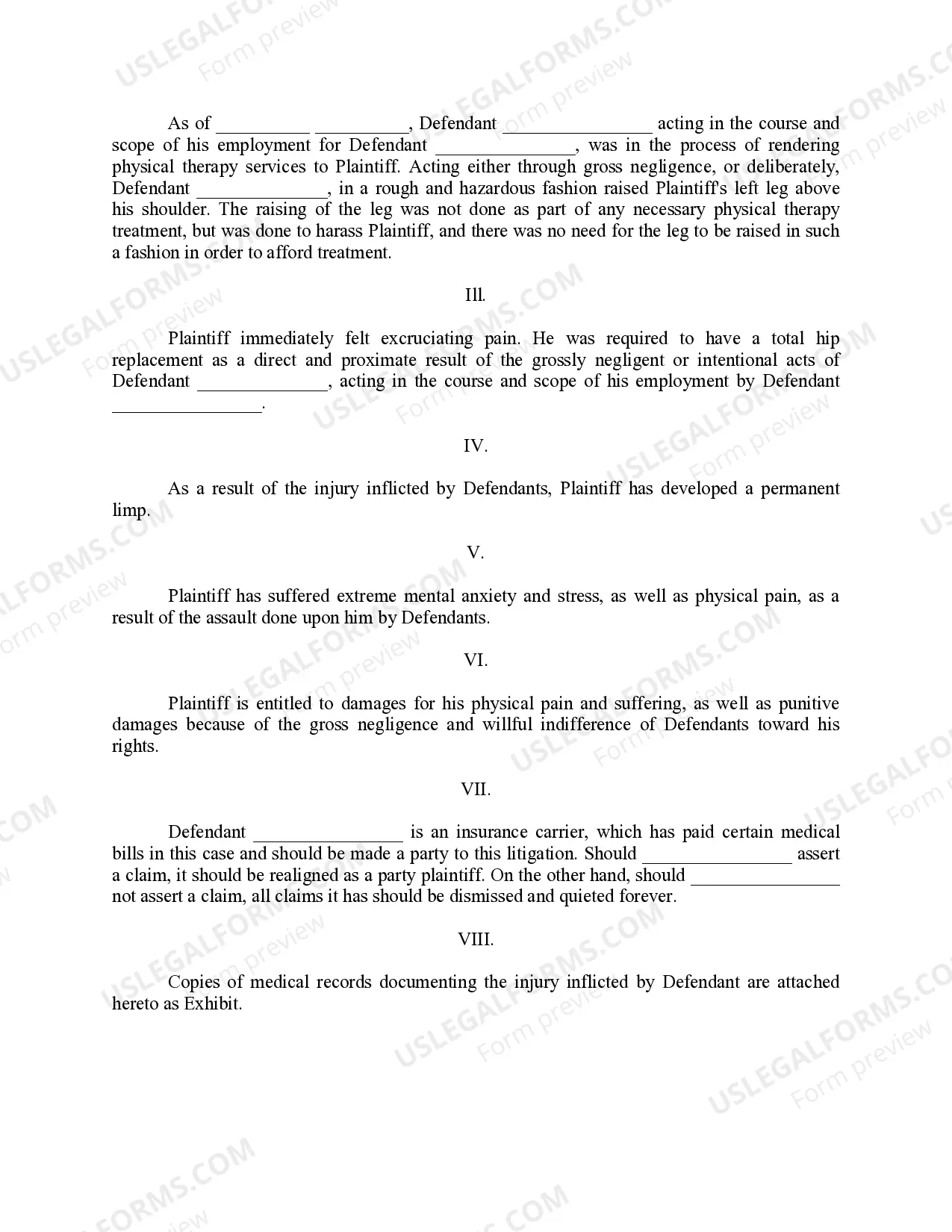
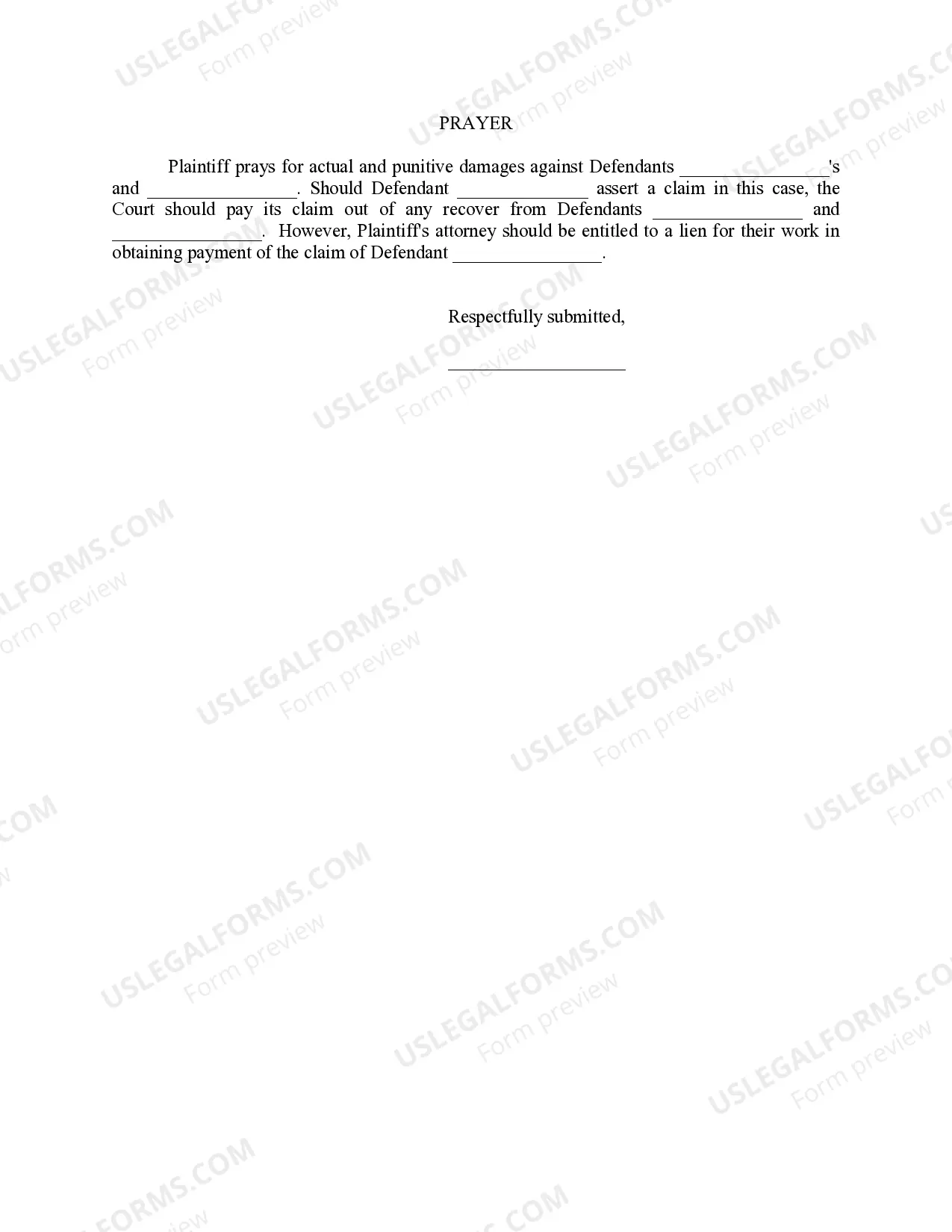

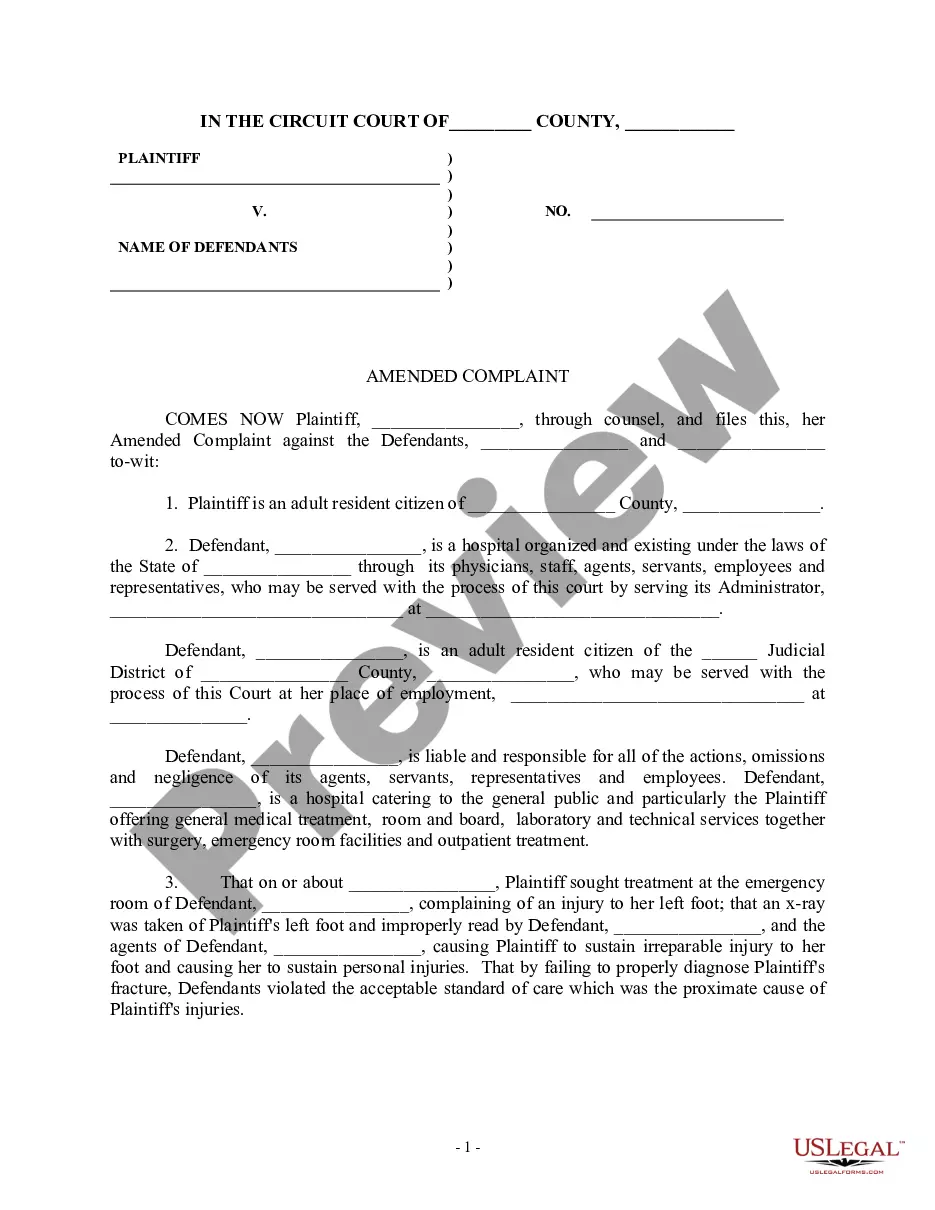
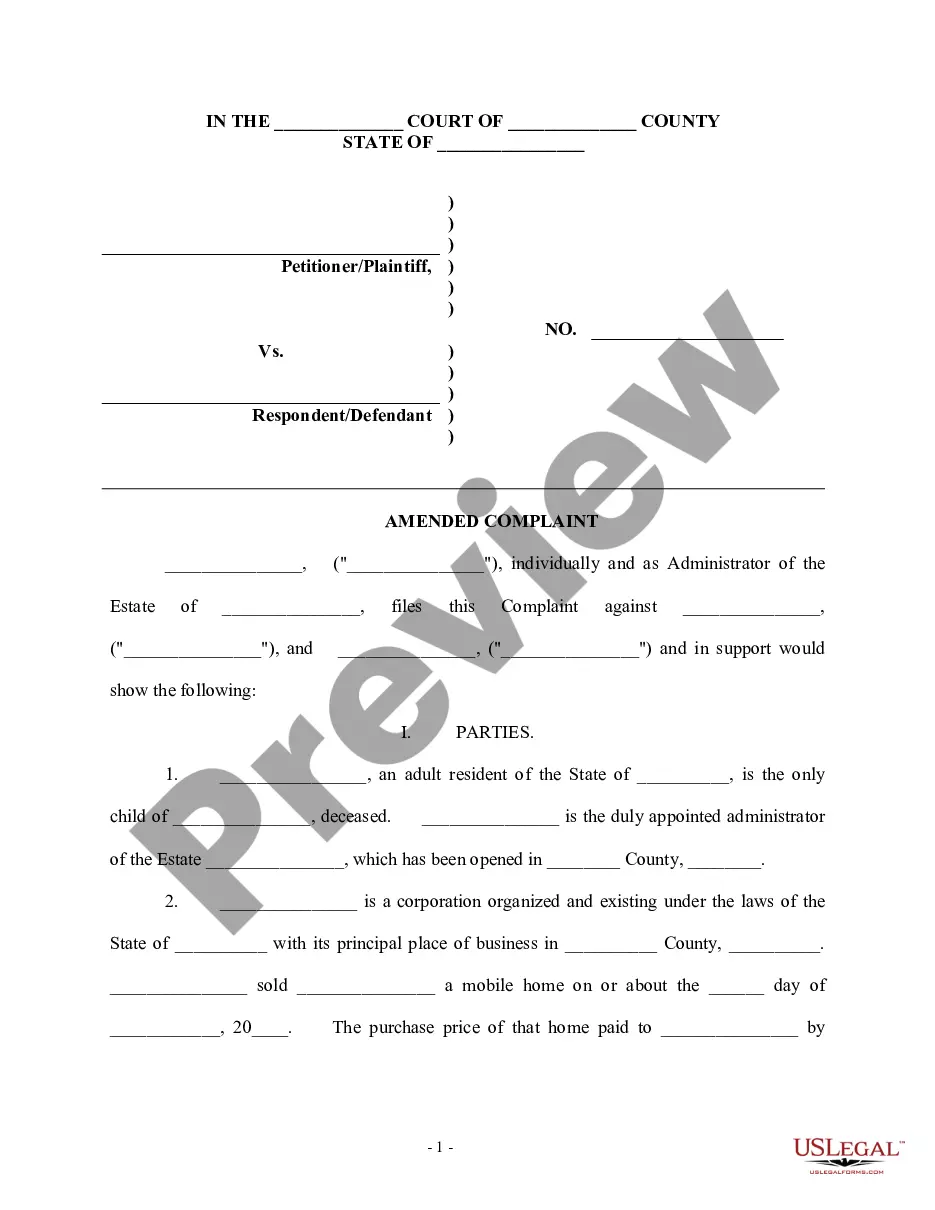
Get your form ready online
Our built-in tools help you complete, sign, share, and store your documents in one place.
Make edits, fill in missing information, and update formatting in US Legal Forms—just like you would in MS Word.
Download a copy, print it, send it by email, or mail it via USPS—whatever works best for your next step.
Sign and collect signatures with our SignNow integration. Send to multiple recipients, set reminders, and more. Go Premium to unlock E-Sign.
If this form requires notarization, complete it online through a secure video call—no need to meet a notary in person or wait for an appointment.
We protect your documents and personal data by following strict security and privacy standards.
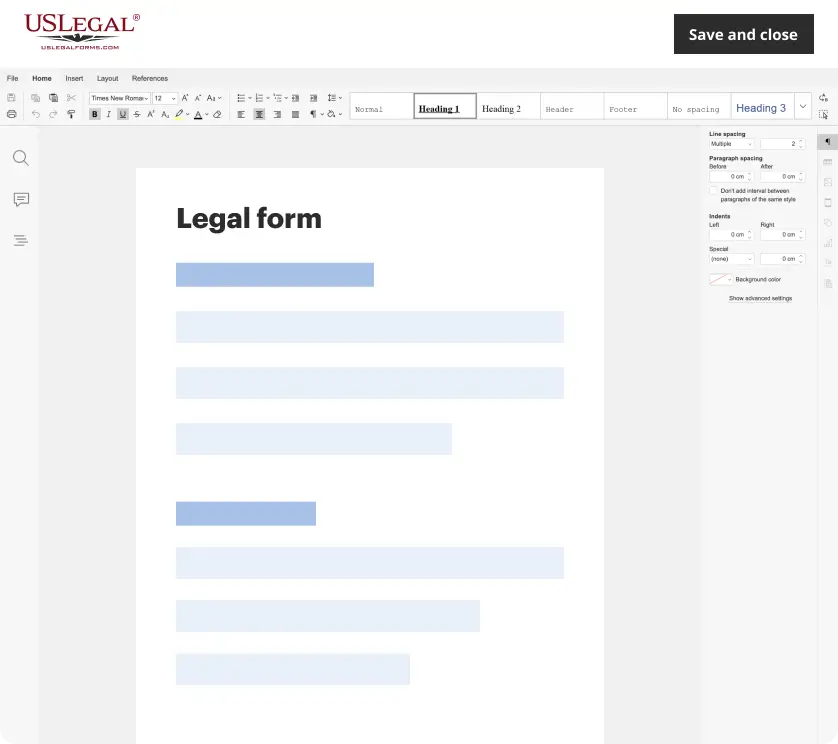
Make edits, fill in missing information, and update formatting in US Legal Forms—just like you would in MS Word.
Download a copy, print it, send it by email, or mail it via USPS—whatever works best for your next step.
Sign and collect signatures with our SignNow integration. Send to multiple recipients, set reminders, and more. Go Premium to unlock E-Sign.

If this form requires notarization, complete it online through a secure video call—no need to meet a notary in person or wait for an appointment.
We protect your documents and personal data by following strict security and privacy standards.
Looking for another form?

Form popularity
FAQ
The motion for a new trial must be filed with the trial court that issued the original verdict. The motion must be filed within 30 days of the final judgment, and it is important to ensure that the motion is filed on time.
Small Claims Cases in Texas The limit to the amount that a person can sue for in small claims cases is $20,000. Justice courts can also settle landlord/tenant disputes such as evictions and repairs.
Whilst it's unlikely that you will go to prison for lying in a small claims court, you may be fined for wasting the court's time. Also, the Judge hearing your case has probably heard hundreds of similar cases; it is likely they will know if you are fibbing, particularly when there is evidence involved.
Counsel seeking affirmative relief shall be prepared to tender a proposed order to the court at the commencement of any hearing on any contested matter.
Filing by mail and e-filing are always accepted. For more information, please call 214-653-7121. As the clerk of county court the county clerk is responsible for maintaining the records of the civil courts. Dallas County has five (5) county courts at law, which hear all civil court cases.
In Texas civil cases, one way a case gets dismissed is with something called a "nonsuit." A nonsuit occurs when the plaintiff or petitioner files a notice with the court and other parties to the lawsuit that they no longer wish to pursue the case.
Any attorney may reserve up to three weeks in any calendar year for vacations by sending a "vacation letter" for each case (with appropriate cause number and style) to the Court Coordinator and opposing counsel, reserving weeks in which no hearings, depositions, or trials are set as of the date of the letter.
Contact the Dallas County Sheriff's Department using its general information warrant line at 214-761-9026 or its warrant department line at 214-653-2700 for more information. You can ask a family member or friend to call on your behalf if you would like.
To request information from this governmental body, please contact: Open Records Manager at openrecords@dallas or visit the City Secretary's Office at City Hall, 1500 Marilla, 5DS, Dallas Texas 75201. Submit a request by mail, email or in person ing to a governmental body's reasonable procedures.
Requests for Criminal Records may be obtained: in person or in writing: John F. Warren, Dallas County Clerk. ATTN: Central Records. 600 Commerce Street B-1. Dallas, TX 75202. via e-mail (the preferred method): DC.CriminalRecords@dallascounty.
