Advocate For Client Rights And Needs In Alameda
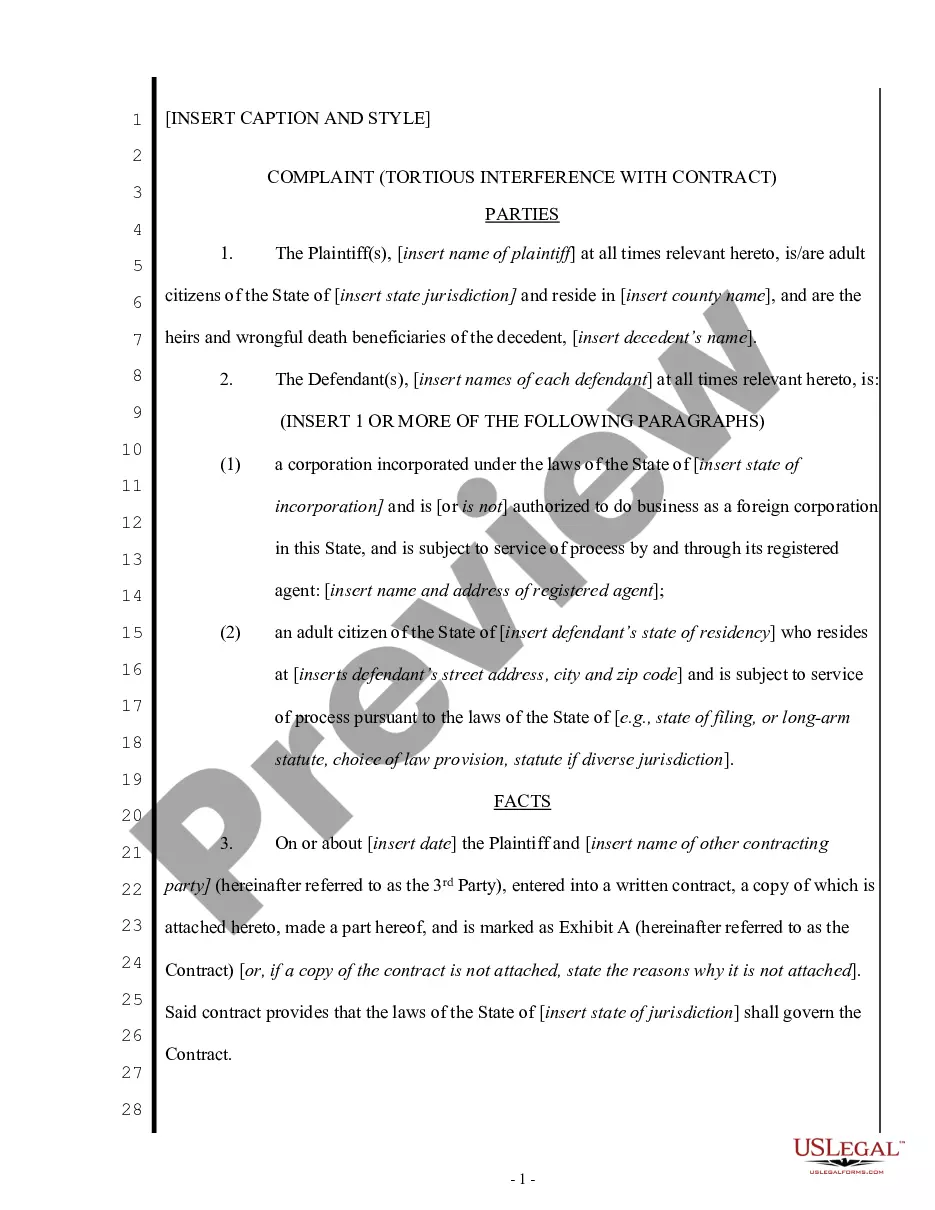
Description





Get your form ready online
Our built-in tools help you complete, sign, share, and store your documents in one place.
Make edits, fill in missing information, and update formatting in US Legal Forms—just like you would in MS Word.
Download a copy, print it, send it by email, or mail it via USPS—whatever works best for your next step.
Sign and collect signatures with our SignNow integration. Send to multiple recipients, set reminders, and more. Go Premium to unlock E-Sign.
If this form requires notarization, complete it online through a secure video call—no need to meet a notary in person or wait for an appointment.
We protect your documents and personal data by following strict security and privacy standards.
Make edits, fill in missing information, and update formatting in US Legal Forms—just like you would in MS Word.
Download a copy, print it, send it by email, or mail it via USPS—whatever works best for your next step.
Sign and collect signatures with our SignNow integration. Send to multiple recipients, set reminders, and more. Go Premium to unlock E-Sign.
If this form requires notarization, complete it online through a secure video call—no need to meet a notary in person or wait for an appointment.
We protect your documents and personal data by following strict security and privacy standards.
Looking for another form?
Form popularity
FAQ
Understand the Client's Perspective: To become a successful client advocate, project managers must first develop a deep understanding of their client's needs, goals, and challenges. Actively listen to their expectations, ask clarifying questions, and empathize with their concerns.
Call your hospital and ask if they have a patient advocate on staff. Or you can search online for a patient advocate or patient representative in the hospital where you received care.
OCRA has a Clients' Right Advocate (CRA) at each regional center. The CRA can help regional center consumers and their families get services; provide information about rights and services; provide training; represent regional center consumers in hearings; and investigate complaints about denial of rights in a facility.
Duties and Authority of Patients' Rights Advocates To receive and investigate complaints from or concerning patients about violations or abuse of their rights. To monitor mental health facilities, services, and programs for compliance with patients' rights laws, regulations, and policies.
It's important to advocate for your own healthcare needs and to ensure that your concerns are taken seriously. If you feel that your complaints are not being properly addressed, you may also consider seeking advice from a patient advocacy organization or a legal professional to help you navigate the situation.
Call your hospital and ask if they have a patient advocate on staff. Or you can search online for a patient advocate or patient representative in the hospital where you received care.
Call your hospital and ask if they have a patient advocate on staff. Or you can search online for a patient advocate or patient representative in the hospital where you received care.
The NAHAC Directory includes our Independent Patient and Health Care Advocates Members. Our search feature will help you find a practicing advocate in your geographic location and with expertise in your area of concern.