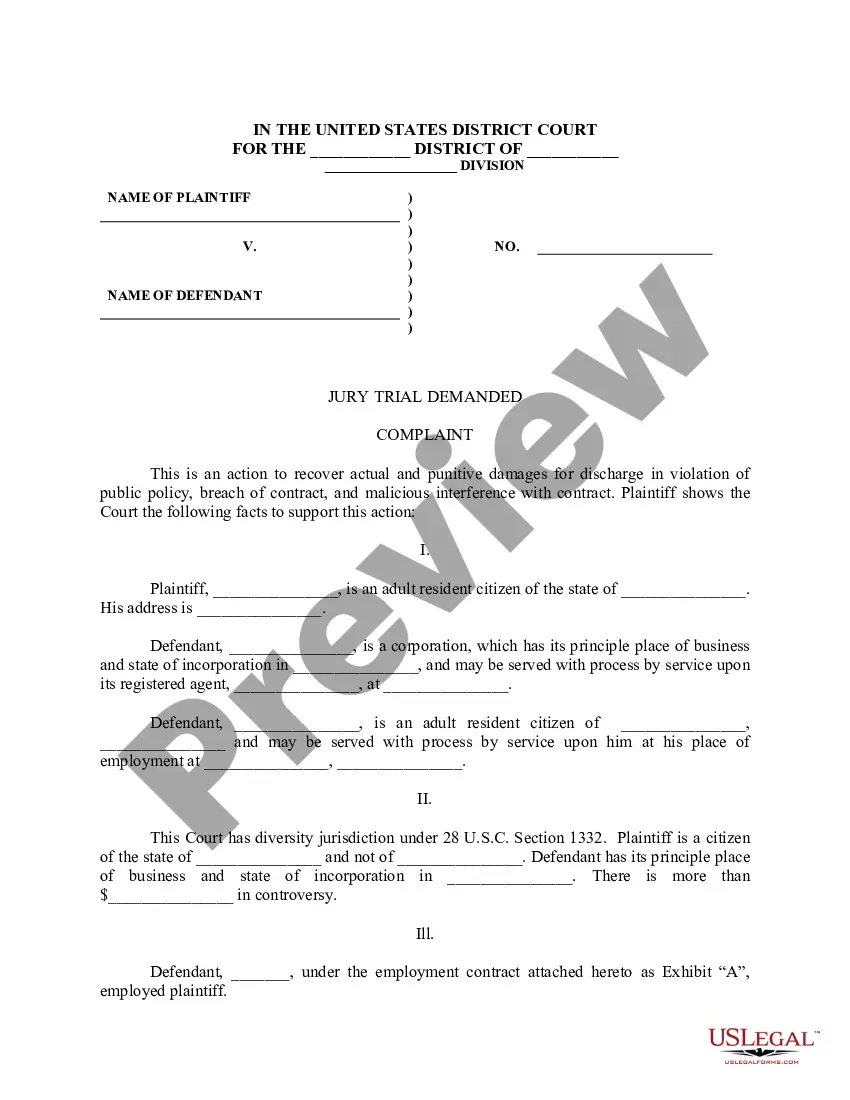
Jury Trial Demand Without Jury In Massachusetts
Description

Get your form ready online
Our built-in tools help you complete, sign, share, and store your documents in one place.
Make edits, fill in missing information, and update formatting in US Legal Forms—just like you would in MS Word.
Download a copy, print it, send it by email, or mail it via USPS—whatever works best for your next step.
Sign and collect signatures with our SignNow integration. Send to multiple recipients, set reminders, and more. Go Premium to unlock E-Sign.
If this form requires notarization, complete it online through a secure video call—no need to meet a notary in person or wait for an appointment.
We protect your documents and personal data by following strict security and privacy standards.
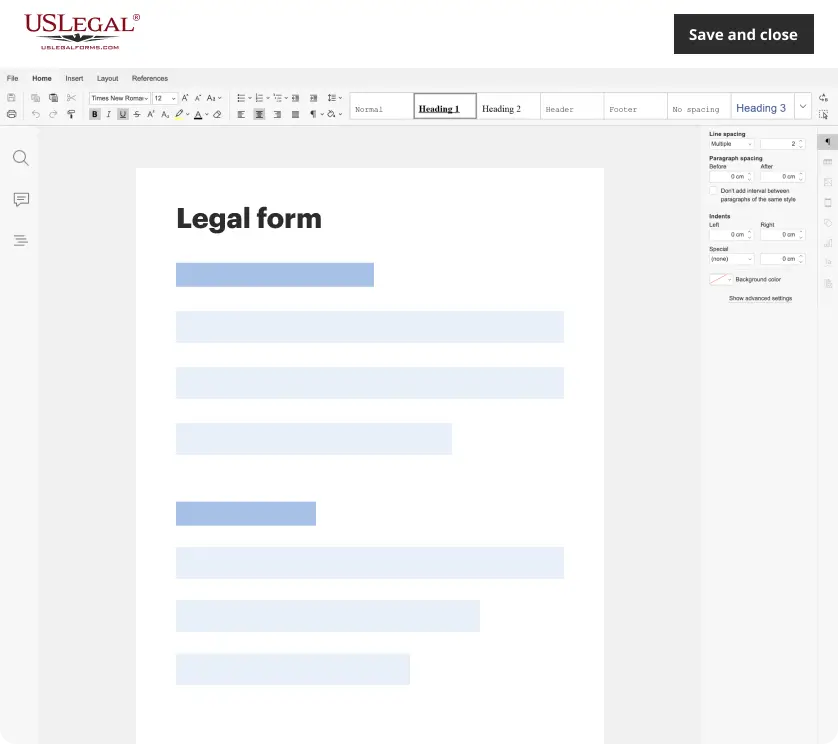
Make edits, fill in missing information, and update formatting in US Legal Forms—just like you would in MS Word.
Download a copy, print it, send it by email, or mail it via USPS—whatever works best for your next step.
Sign and collect signatures with our SignNow integration. Send to multiple recipients, set reminders, and more. Go Premium to unlock E-Sign.

If this form requires notarization, complete it online through a secure video call—no need to meet a notary in person or wait for an appointment.
We protect your documents and personal data by following strict security and privacy standards.
Looking for another form?
Form popularity
FAQ
Rule 56 - Summary Judgment (a)Motions for Summary Judgment. A party may move for summary judgment subsequent to the commencement of any proceeding under these rules except in actions for divorce or in actions for custody or visitation or for criminal contempt.
In essence, Rule 36 means that all defendants are guaranteed a trial within one year of their arraignment.
Additionally, certain legal proceedings, such as probation violations or juvenile delinquency cases, typically do not involve juries. Understanding these exceptions is crucial for defendants to make informed decisions about their legal strategies.
The provisions of Rule 36 make it clear that admissions function very much as pleadings do. Thus, when a party admits in part and denies in part, his admission is for purposes of the pending action only and may not be used against him in any other proceeding.
Any person who is detained within the Commonwealth upon the unexecuted portion of a sentence imposed pursuant to a criminal proceeding is entitled to be tried upon any untried indictment or complaint pending against him in any court in this Commonwealth within the time prescribed by subdivision (b) of this rule.
Waiving this right to jury trial requires a judge to determine that: Both the defendant and his or her attorney consent to waiving the right, The defendant knows what he or she is giving up, and. The waiver is voluntary.
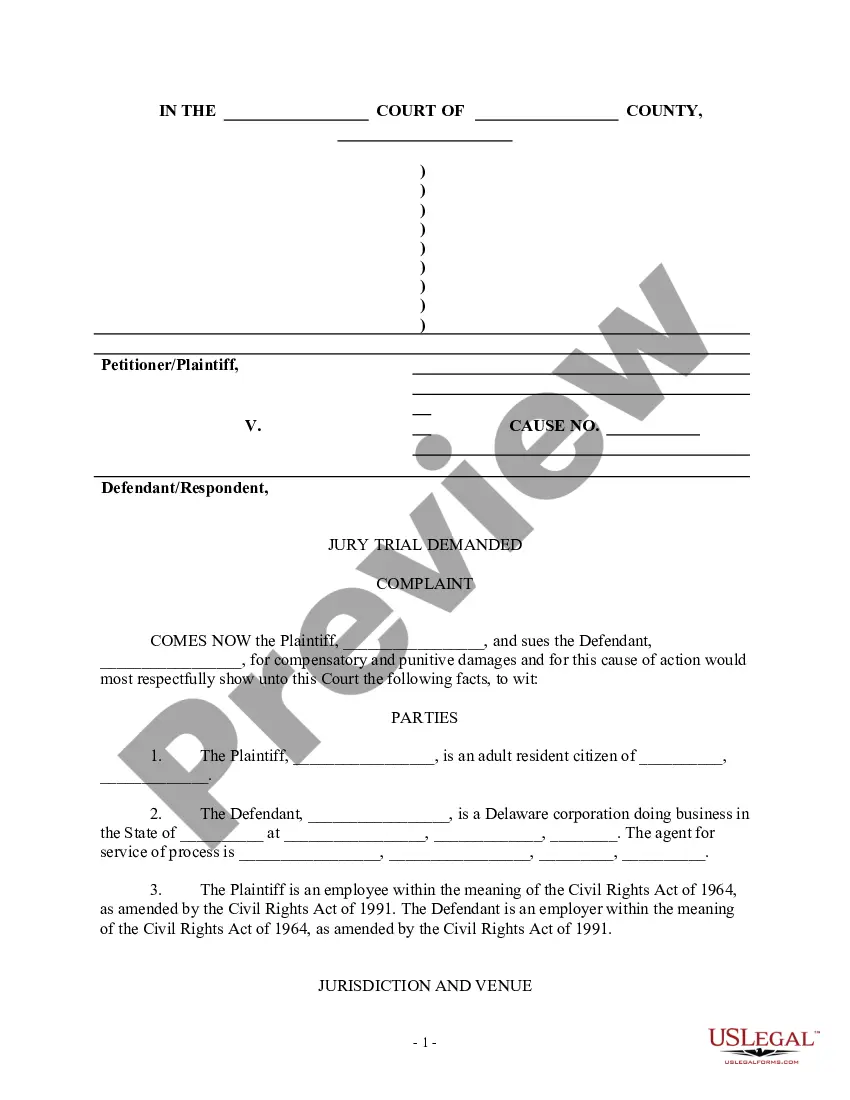
Any party may demand a trial by jury of any issue triable of right by a jury by (1) serving upon the other parties a demand therefor in writing at any time after the commencement of the action and not later than 10 days after the service of the last pleading directed to such issue, and (2) filing the demand as required ...
The law entitles all defendants in criminal cases to jury trials ing to the federal standard for "serious penalties." A jury trial isn't mandated if the offense carries a sentence of six months or less. The state can decide whether to provide a jury trial in that situation.
A bench trial is a trial where the judge is the sole fact-finder; that is, the judge alone makes a decision on the merits of your case after both sides have presented evidence.